
Views: 222 Author: Tina Publish Time: 2025-11-06 Origin: Site


Content Menu
● Why Sand Filter Maintenance Matters
● How Often Should You Change the Sand in a Pool Filter?
● Signs That It's Time to Change the Sand
>> Cloudy Water
>> Channeling
● Step-by-Step Guide to Changing Pool Filter Sand
>> Step 1: Gather the Right Equipment
>> Step 4: Remove the Multiport Valve
>> Step 5: Remove the Old Sand
>> Step 8: Reassemble the Filter
● Tips for Choosing the Right Sand
>> 1. How often should I change the sand in my pool filter?
>> 2. What are the signs that I need to change the sand?
>> 3. Can I use any type of sand in my pool filter?
>> 4. What happens if I don't change the sand?
>> 5. How do I know if my filter is working properly?
Maintaining a clean and healthy swimming pool is essential for both safety and enjoyment. One of the most critical components in this process is the sand filter, which plays a vital role in removing debris, contaminants, and microorganisms from pool water. However, even the best sand filters require regular maintenance, and knowing when to change the sand is crucial for optimal performance. This article will guide you through the signs, timing, and best practices for changing the sand in your pool filter, helping pool owners and professionals alike keep their pools in top condition.
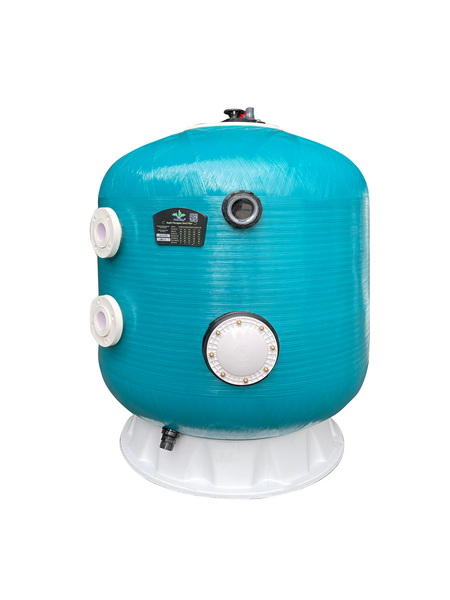
Sand filters are the most popular type of pool filtration system, especially for residential and commercial pools. The sand inside the filter acts as a physical barrier, trapping dirt, algae, and other particles as water passes through. Over time, the sand particles become worn down, losing their jagged edges and reducing their ability to capture debris effectively. This leads to cloudy water, increased chemical usage, and a higher risk of algae growth.[1][3]
Regular maintenance, including backwashing and periodic sand replacement, ensures that your pool remains clean and safe for swimmers. Neglecting this maintenance can result in poor water quality, increased energy costs, and even damage to the filter system itself.
The general recommendation is to change the sand in your pool filter every three to five years. However, this timeline can vary depending on several factors:[3][1]
- Pool Usage: Heavily used pools may require more frequent sand changes.
- Water Quality: Pools with high levels of debris or contaminants may need sand replacement sooner.
- Filter Type: Some advanced filters, such as those using glass media or specialized sand, may last longer than traditional sand filters.
For commercial pools or those with high bather loads, annual sand replacement is often recommended.[5]
Knowing when to change the sand can be tricky, but there are several clear signs that indicate it's time for a replacement:
If your pool water remains cloudy even after cleaning and balancing chemicals, it may be a sign that the sand is no longer effective at filtering out fine particles.[1]
Old sand can clump together, creating gaps or channels in the filter bed. This allows water to bypass the sand, reducing filtration efficiency and leading to dirty water.[1]
A pressure gauge on your filter can provide valuable information. If the pressure rises quickly after backwashing and returns to a high level, it's a strong indication that the sand needs to be replaced.[1]
If you find yourself using more chemicals than usual to maintain water quality, your sand filter may not be performing as it should.[1]
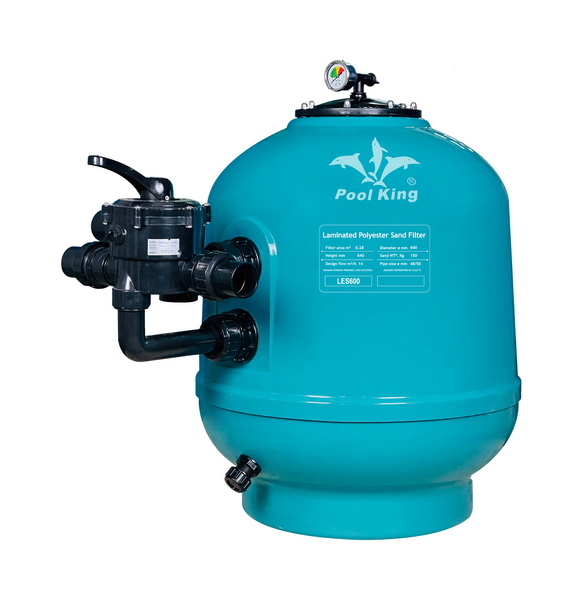
Changing the sand in your pool filter is a straightforward process, but it requires careful attention to detail. Here's a step-by-step guide:
You'll need new pool filter sand, a bucket, a hose, and possibly a filter wrench.[9]
Always turn off the power to the pool pump before starting any maintenance work.[9]
Open the drain valve and allow the water to drain from the filter tank.[9]
Carefully remove the multiport valve from the top of the filter tank.[9]
Use a shop vacuum or a bucket to remove the old sand from the tank.[9]
Rinse the inside of the tank to remove any debris or residue.[9]
Pour the new sand into the tank, making sure to use the recommended amount for your filter size.[3]
Reattach the multiport valve and any other components you removed.[9]
Turn on the pump and allow the filter to prime and begin circulating water.[9]
Not all sand is created equal. For pool filters, it's essential to use pool filter grade sand, typically #20 silica sand, which is specially formulated for pool filtration. Avoid using sand from sandboxes or construction sites, as these can contain impurities that harm your filter and pool water.[3]
Changing the sand in your pool filter is a simple yet essential task for maintaining a clean and healthy pool. By following the guidelines and recognizing the signs that it's time for a replacement, you can ensure that your pool remains safe and enjoyable for all users. Regular maintenance not only extends the life of your filter but also saves you money on chemicals and energy costs.
If you're looking for high-quality sand filters and filtration solutions, our factory offers a wide range of products designed to meet the needs of both residential and commercial pools. Contact us today to learn more about our OEM services and how we can help you keep your pool in top condition.
It's recommended to change the sand every three to five years, depending on pool usage and water quality.[3][1]
Cloudy water, channeling, pressure buildup, and excess chemical use are all signs that it's time to replace the sand.[1]
No, you should use pool filter grade sand, typically #20 silica sand, which is specially formulated for pool filtration.[3]
Old sand loses its ability to filter effectively, leading to cloudy water, increased chemical usage, and a higher risk of algae growth.[1]
Check the water clarity, monitor the pressure gauge, and ensure that your pool remains clean and free of algae.[1]
[1](https://poolsoffun.com/4-signs-its-time-to-change-your-filter-sand/)
[2](https://www.emaux.com.cn/show_list.php?id=8)
[3](https://hollandiagardens.com/how-often-should-you-change-the-sand-in-your-sand-filter/)
[4](https://emauxgroup.com/zh/products-cn/commercial-filter-cn-2/dual-stack-sand-filter-cn/)
[5](https://www.reddit.com/r/swimmingpools/comments/o83dv5/when_do_i_change_sand_in_filter/)
[6](http://www.firsle.com/html/shagang/13.html)
[7](https://www.youtube.com/watch?v=MnMP2Awhwgo)
[8](http://www.gdwscl.com/supply/16.html)
[9](https://www.swimmingpool.com/maintenance/pump&filter/changing-sand-in-your-pool-filter/)
[10](https://www.vevor.com/zh-CN/diy-ideas/cartridge-vs-sand-filter-b_10134/)


