
Views: 251 Author: Poolking Filter Equipment Publish Time: 2026-07-01 Origin: Site


Content Menu
● What Is a Variable Speed Pool Pump?
● Why Variable Speed Pumps Are Becoming the New Standard
● Core Benefits of Variable Speed Pumps (Backed by Data)
>> Energy Efficiency and Cost Savings
>> Longer Equipment and Filtration System Life
>> Quieter Operation and Improved Comfort
>> Better Filtration and Water Quality
● Smart Control: The Next Generation of Variable Speed Pumps
● How Variable Speed Pumps Work with Commercial Filters and Equipment
>> Matching Pump Speeds to Filter Types
>> Integration with Commercial Pool Equipment
● Real‑World Feedback: What Pool Owners Say
● Expert Perspective: When a Variable Speed Pump Makes the Most Sense
● Practical Steps to Maximize Variable Speed Pump Value
>> Step‑by‑Step Implementation Guide
● Utility Rebates, Regulations, and Long‑Term ROI
● How Poolking Supports Variable Speed Pump Systems
● Clear Next Steps: Optimize Your Pump and Filtration System Today
● FAQs
Variable speed pool pumps are a game‑changer for modern pools, delivering dramatic energy savings, quieter operation, and better water quality when paired with a well‑designed filtration system from manufacturers like Guangdong Poolking. [poolking.en.made-in-china]
For today's pool owners and facility managers, variable speed pool pumps (VSPs) have moved from "nice‑to‑have" to "expected standard" in efficient pool circulation. As a manufacturer with over 20 years of experience in pool filtration systems, Poolking has seen firsthand how the right pump, working with the right filter, transforms operating costs and day‑to‑day maintenance. This article combines industry data, expert insights, and real user feedback to explain why variable speed pumps are now the preferred choice—and how to unlock their full value with professional‑grade sand, cartridge, and DE filter systems. [poolking]
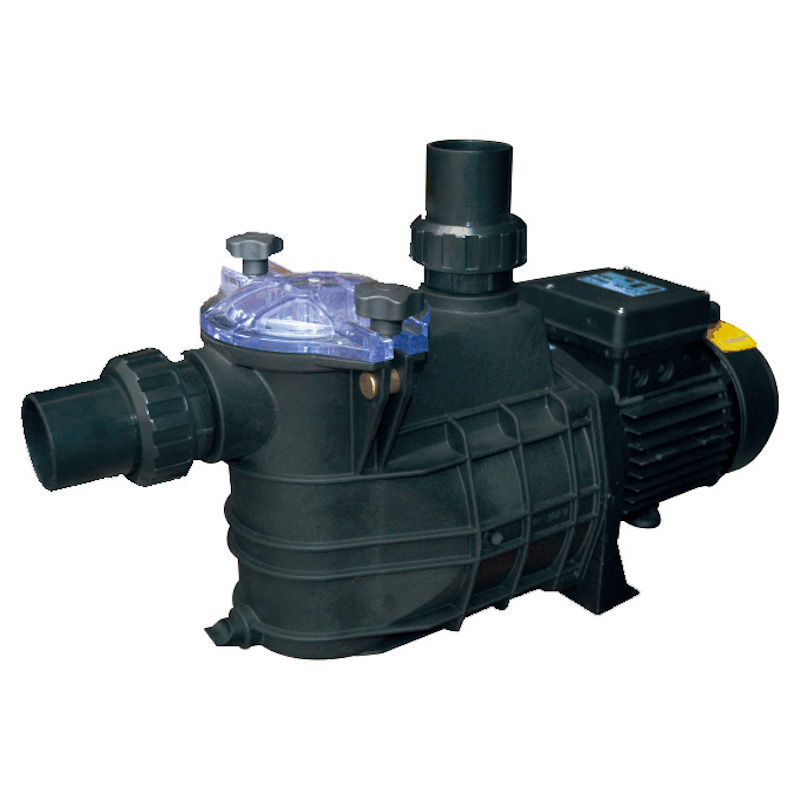
Most traditional single‑speed pumps run at one fixed high speed, 100% of the time, regardless of what the pool actually needs. In contrast, a variable speed pool pump uses a high‑efficiency motor and electronic controls to adjust its speed (and therefore flow rate) to match real‑time circulation demands. [ca.hayward]
At a basic level, that means:
- Lower speeds for everyday filtration and chemical circulation
- Higher speeds only when you truly need them (backwashing, vacuuming, or clearing cloudy water) [eurospapoolnews]
You can think of the difference like driving a car: single‑speed pumps are stuck at full throttle, while variable speed pumps give you a "gas pedal" to choose the most efficient speed. [poolpromag]
Leading brands and energy regulators now treat variable speed technology as the default for new and upgraded pools. In fact, variable speed pumps are among the fastest‑growing pump categories in the pool industry and are expected to dominate sales as efficiency regulations tighten. [hayward]
Several forces drive this shift:
- Rising energy costs
- Stricter efficiency standards from the U.S. Department of Energy and other agencies
- Growing consumer expectations for quieter, smarter pool systems [poolking.en.made-in-china]
For commercial facilities and high‑end residential pools, the pump–filter combination has become a key part of the overall sustainability and user experience strategy. [poolkingfilter]
Industry testing and field experience consistently show that variable speed pumps can cut energy use by up to 90% compared with older single‑speed units, depending on local electricity rates and run‑time settings. In practical terms, that can translate into as much as $1,500 per year in energy savings for typical residential pools when replacing a single‑speed pump. [youtube]
Because of this steep reduction in energy consumption, many pump manufacturers report that properly configured variable speed pumps pay for themselves in as little as two pool seasons, with even faster payback in warm climates where pools run all year. For commercial pools with long operating hours and higher flow requirements, the cumulative savings over the pump's life are even more significant. [youtube]
Running a pump at lower speeds reduces hydraulic pressure and mechanical stress across the entire circulation system. That gentler operation benefits: [ca.hayward]
- Filters (sand, fiberglass, plastic, cartridge, and DE)
- Valves and fittings
- Heaters, chlorinators, and other downstream equipment [hayward]
Users frequently report that variable speed pumps help extend the life of filters and other components by minimizing extreme pressure spikes and turbulence. This is especially true when the pump is matched to high‑quality commercial filters, such as Poolking's fiberglass and plastic sand filters and cartridge filter systems. [poolking]
One of the most noticeable day‑to‑day benefits is noise reduction. When operating at lower speeds, variable speed pumps are significantly quieter than single‑speed units, often described by users as "almost silent" at typical filtration speeds. That quiet operation is a major quality‑of‑life improvement for: [reddit]
- Home offices or living spaces located near pool equipment
- Hotel and resort pools adjacent to guest rooms
- Commercial facilities where noise levels influence perception of quality [reddit]
Users also note less vibration and smoother flow, which helps reduce minor leaks and wear on seals over time. [eurospapoolnews]
Slower, continuous circulation typically improves filtration efficiency because water spends more time moving through the filter media rather than being rushed through at high speed. This can result in: [poolking.en.made-in-china]
- Clearer water
- More consistent chemical distribution
- Reduced "dead zones" in the pool where debris or algae can accumulate [ca.hayward]
When combined with properly sized commercial sand filters, cartridge filters, or DE filters, variable speed pumps give pool operators more precise control over flow rates and turnover times. For large commercial installations, that control makes it easier to meet local health codes and internal quality standards. [poolkingfilter]
Variable speed technology becomes even more powerful when paired with smart control systems. Some pump platforms integrate directly with mobile apps and voice assistants, allowing owners or facility managers to:
- Start, stop, and adjust pump speeds remotely
- Coordinate pump schedules with lighting, heating, and sanitization
- Monitor energy usage and efficiency trends in real time [hayward]
Smart pump systems are especially valuable for commercial properties that manage multiple pools or water features across large sites. With centralized oversight, staff can standardize energy‑saving practices and respond quickly to issues.
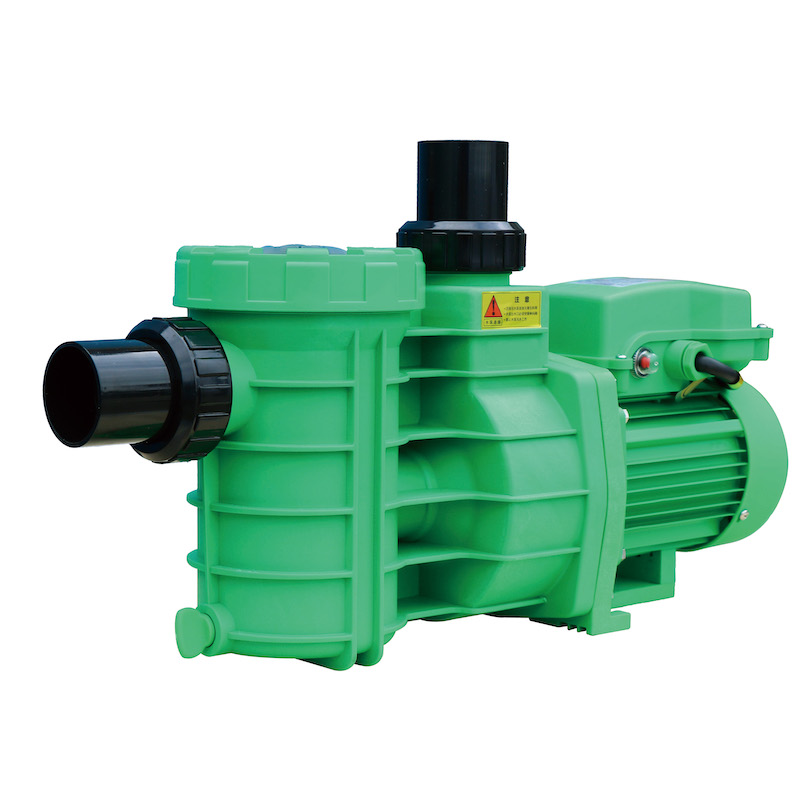
As a commercial filtration manufacturer, Poolking emphasizes that a variable speed pump is only as effective as the system it supports. The pump, filter, fittings, and LED lighting must work together to deliver high performance, safety, and aesthetics. [poolkingfilter]
Different filter types have different optimal flow ranges:
- Sand filters (fiberglass, plastic, commercial steel) – Ideal for steady, moderate flow rates where gradual filtration and backwashing performance matter.
- Cartridge filters – Well suited to lower flow rates with longer run times, reducing maintenance while enhancing clarity.
- DE filters – Benefit from carefully controlled flow to maximize fine‑particle capture. [made-in-china]
Variable speed pumps allow operators to fine‑tune flows to each filter type, minimizing pressure drops and maximizing filter life. In multi‑pool facilities, it's common to use different filters and speeds on each body of water, all managed from a unified control strategy.
Poolking's product range includes:
- Commercial pool sand filters and systems
- Pumps designed for robust circulation
- LED lights and fittings for visual performance and safety [poolkingfilter]
When these products are paired with variable speed pumps, facilities can build fully integrated solutions where energy efficiency, water quality, and visual experience are optimized in tandem. That system‑level approach is increasingly important for hotels, water parks, aquatic centers, and high‑end residential complexes.
User comments across forums and review platforms consistently reinforce the core benefits claimed by manufacturers: [reddit]
- Many users notice immediate reductions in their electricity bills after switching from single‑speed to variable speed pumps.
- Owners frequently comment on dramatically lower noise levels, especially at common filtration speeds.
- Some report that running their pumps 24/7 at low speed costs less than running older pumps for limited hours at full speed. [reddit]
Even skeptical buyers often conclude that the upfront investment is justified once they experience the combined energy savings, quieter operation, and smoother system performance. [poolpromag]
From an industry and engineering standpoint, a variable speed pump is most compelling when:
- Electricity costs are high or rising
- The pool operates many hours per day, especially year‑round
- The facility uses multiple pieces of equipment downstream (filters, chlorinators, heaters, water features)
- Noise and user comfort are key priorities (resorts, wellness centers, urban residences) [hayward]
In these cases, the combination of energy savings, control, and equipment protection strongly favors a variable speed design over single‑speed or simple two‑speed alternatives. For budget‑sensitive projects, the payback period and available utility rebates often tip the decision toward upgrading sooner rather than later. [poolking.en.made-in-china]
To realize the full benefits of a variable speed pump, consider the following practical steps:
1. Audit your current system
Review your existing pump, filter type (sand, cartridge, DE), plumbing size, and accessory equipment to identify constraints and opportunities. [made-in-china]
2. Size the pump correctly
Choose a pump model with adequate but not excessive horsepower, matched to your pool volume, feature set, and filter type. [poolpromag]
3. Define operating schedules
Set daily and seasonal schedules that prioritize low‑speed filtration with short, targeted high‑speed periods for backwashing or vacuuming. [eurospapoolnews]
4. Integrate with filtration strategy
Align pump speeds with each filter's optimal pressure and flow range to extend filter life and improve clarity. [poolking]
5. Monitor and adjust
Use built‑in interfaces or smart apps to track energy usage and performance, then refine speeds and run times for your specific conditions. [youtube]
- Running the pump at maximum speed more often than necessary
- Ignoring filter compatibility and pressure limits
- Failing to update schedules as seasons and usage patterns change
- Overlooking opportunities for utility rebates and manufacturer promotions [ca.hayward]
Avoiding these pitfalls is crucial to achieving the advertised savings and performance.
Energy agencies and utility companies increasingly support variable speed pumps with rebate programs and efficiency awards. For example, manufacturers have received recognition from the U.S. Department of Energy and ENERGY STAR for their contributions to reducing residential and commercial energy use through pump innovation. [hayward]
These initiatives, combined with rising efficiency standards, create a favorable environment for pool owners and operators to upgrade:
- Upfront rebates reduce the initial cost barrier
- Regulatory compliance helps avoid future retrofit requirements
- Long‑term energy savings compound over the pump's lifespan [poolpromag]
For commercial operations, factoring these savings into lifecycle cost analyses often shows that variable speed pumps are the more economical choice, even compared with lower‑priced single‑speed units.
With more than 20 years in pool filtration manufacturing and two advanced production bases in Guangzhou and Taishan totaling about 60,000 square meters, Poolking supplies commercial pool sand filters, fiberglass and plastic filters, cartridge filters, pumps, LED lights, and fittings to partners worldwide. By combining variable speed pump technology with robust filtration and equipment solutions, Poolking helps operators: [poolkingfilter]
- Design efficient circulation systems from the ground up
- Retrofit older pools for modern performance standards
- Maintain stable water quality with lower operating costs over time [poolking]
Whether you manage a hotel pool, a public facility, or a high‑end residential installation, a coordinated pump–filter strategy is central to achieving reliable, cost‑effective operation.
If you are currently running a single‑speed pump, upgrading to a variable speed pump paired with professionally engineered filters and fittings is one of the highest‑impact improvements you can make to your pool system. Assess your pool's circulation demands, consult with a qualified pool professional or manufacturer, and design a solution that balances energy efficiency, water quality, and long‑term reliability. [youtube]
For commercial operators and serious residential owners, this is a strategic investment rather than a simple equipment swap. With the right configuration, a variable speed pump can transform your pool into a quieter, more sustainable, and more cost‑effective asset.
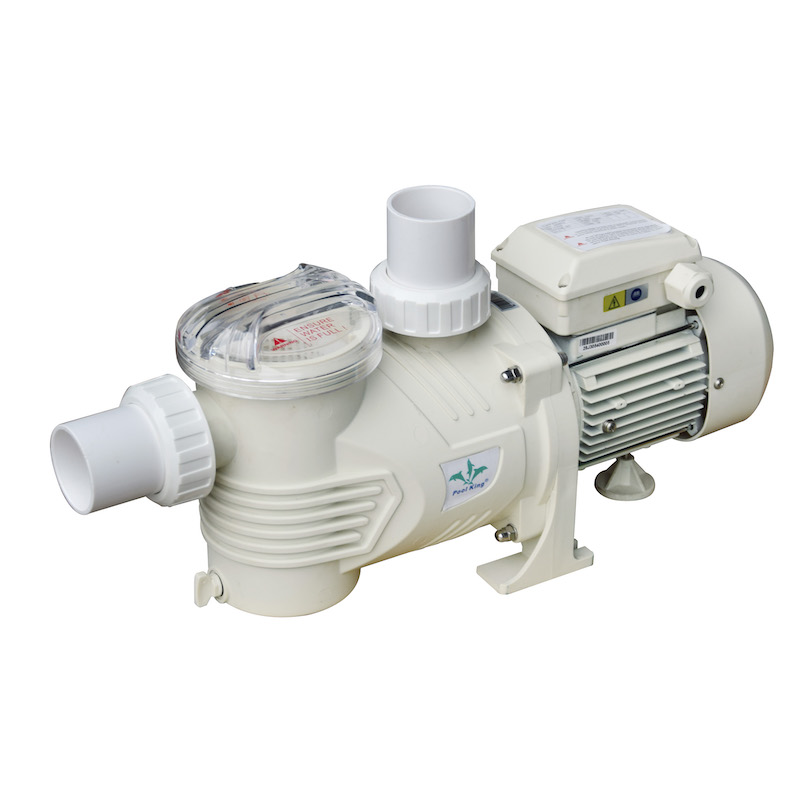
Q1: How quickly can a variable speed pump pay for itself?
In many typical residential installations, energy savings can offset the initial investment in about two pool seasons, with annual savings commonly reaching hundreds of dollars and sometimes up to around $1,500, depending on usage and local rates. [poolking.en.made-in-china]
Q2: Will a variable speed pump work with my existing sand or cartridge filter?
Most modern sand and cartridge filters are compatible with variable speed pumps, but it is important to match pump speeds and flow rates to the filter's design specifications to avoid excessive pressure or under‑filtration. [made-in-china]
Q3: Are variable speed pumps suitable for commercial pools?
Yes, variable speed pumps are increasingly used in commercial pools, where long operating hours and larger volumes make the energy savings and equipment protection particularly valuable. [hayward]
Q4: Do I need smart controls to benefit from a variable speed pump?
Smart controls are not strictly required, but they make it easier to fine‑tune speeds, schedule run times, and monitor energy usage, especially for facilities managing multiple pools. [ca.hayward]
Q5: How does a variable speed pump improve water clarity?
By running at lower speeds for longer periods, variable speed pumps promote more efficient filtration and better chemical circulation, which often results in clearer water and more stable water chemistry. [eurospapoolnews]
Hayward. "Variable Speed Pumps: Your Pool's Game Changer."
[https://ca.hayward.com/blog/post/variable-speed-pumps-your-pools-game-changer]
Hayward. "Better Pumps | Hayward Pool Products."
[https://www.hayward.com/why-hayward/explore-products/better-pumps]
Hayward Pool Products. "Learn About Variable Speed Pool Pumps" (YouTube).
[https://www.youtube.com/watch?v=b2w3XOYR4oE]
EuroSpaPoolNews. "A Range of Variable Speed Pumps for More Savings and …"
PoolPro Magazine. "Hayward Adds Two Pumps to Expert Line."
[https://poolpromag.com/hayward-adds-two-pumps-to-expert-line/]
Reddit – r/pools. "Variable Speed Pump Question."
[https://www.reddit.com/r/pools/comments/1ek9fel/variable_speed_pump_question/]
Guangdong Poolking Filtration Equipment Manufacturing Co., Ltd.
[https://www.poolkingfilter.com]
Poolking. "Swimming Pool Sand Filters Suppliers & Manufacturers."
[https://www.poolking.co/pool-sand-filter.html]
Made‑in‑China. "Commercial Sand Filter Manufacturers & Suppliers."
[https://www.made-in-china.com/manufacturers/commercial-sand-filter.html]


