
Views: 292 Author: Poolking Filter Equipment Publish Time: 2026-07-10 Origin: Site


Content Menu
● Why Pool Heating Starts With Filtration and Circulation
● Core Pool Heating Options and How They Really Perform
>> Gas Pool Heaters – Fast, Powerful, and Flexible
>> Heat Pumps – High Efficiency, Lower Operating Cost
>> Electric Spa Heaters – Compact, Targeted Comfort
● The Often Overlooked Players: Solar, Covers, and Passive Measures
>> Solar Heating and Renewable Integration
>> Pool Covers, Blankets, and Enclosures
● How Filtration Equipment Influences Heating Efficiency
>> Sand Filters and Heat Distribution
>> Cartridge Filters and Lower Energy Use
>> Integrated Systems – Pumps, Filters, Heaters, LED Lights
● Choosing the Right Heating Strategy for Your Pool
>> Step-by-Step Selection Process
>> Simple Scenario Table – Heating Approaches
● Expert Tips to Maximize Heating Efficiency and Comfort
>> Maintenance and Safety Insights
● When to Consider a Full System Upgrade
● How Our Filtration Expertise Supports Better Heated Pools
● Action Steps – Make Your Pool Heating Work Smarter, Not Harder
● FAQs
Heating your pool efficiently is no longer just about comfort—it is about combining the right heater with smart filtration, circulation, and control so you get maximum warmth for every kilowatt or cubic meter of gas you pay for. [poolking]
Heating a pool looks simple from the outside: buy a heater, plug it in, and wait for warm water. Yet, anyone who has lived with a pool through shoulder seasons knows it is rarely that straightforward. As a manufacturer with over twenty years of experience in commercial and residential pool filtration systems, operating two modern production bases in Guangzhou and Taishan City, I have seen how heating performance, energy bills, and user satisfaction rise or fall based on decisions that start with plumbing diagrams and equipment specs—not marketing brochures. [poolkingfilter]
In this guide, I will walk you through how gas heaters, heat pumps, electric spa heaters, solar solutions, and passive measures like covers really work, how they interact with your filter and pump setup, and what I have learned from designing and supplying sand filters, cartridge filters, and complete circulation systems for pools around the world. The goal is to give you a clear owner-level playbook you can use to pick equipment, set expectations, and talk confidently with installers and suppliers. [hayward]
Before choosing a heater, you need to understand how your filtration and circulation system affects both heat delivery and operating cost. [poolking]
From a manufacturing standpoint, the heater is only one component in a chain that includes:
- Pool filter (sand, DE, or cartridge)
- Circulation pump (single-speed or variable-speed)
- Plumbing layout (pipe diameter, elbows, and valves)
- Controls (manual switches, thermostats, smart automation)
If any part of this chain is undersized or poorly configured, you can have a powerful heater that struggles to bring the pool to temperature, or that costs far more to run than necessary. My team has seen commercial pools with oversized gas heaters but clogged or mismatched sand filters that starve flow, leading to uneven heating, repeated service calls, and premature equipment wear. [poolkingfilter]
From the user side, the biggest practical lesson is this: clean, consistent flow equals predictable heat. That means regular backwashing for sand filters, cleaning cartridges on schedule, and ensuring your pump schedule aligns with heating cycles so warm water is actually circulating through the whole pool. [hayward]
Most pool owners end up choosing between gas heaters, heat pumps, and electric spa heaters, sometimes in combination with solar panels or thermal covers. As a manufacturer supplying both filters and circulation components, I see daily how these choices interact in real installations. [hayward]
Gas heaters (natural gas or propane) are still the most popular solution for pools that need quick heating or occasional use. They burn fuel to produce heat, which passes through a heat exchanger and into the circulating pool water. [hayward]
From an expert perspective, gas heaters make the most sense when:
- You want rapid heating before weekend use or events.
- You operate spas that need high temperatures on demand.
- Your climate has cool evenings or shoulder seasons.
Users consistently value the ability to raise temperature with a button or app, but they also report surprise at fuel costs when heaters are left on continuously or used to compensate for poor covers and high heat loss. In commercial projects we support, we often pair gas heaters with robust fiberglass sand filters or high-capacity cartridge filters to ensure sufficient flow through the heat exchanger; this protects the heater and keeps warm water distribution uniform. [energy]
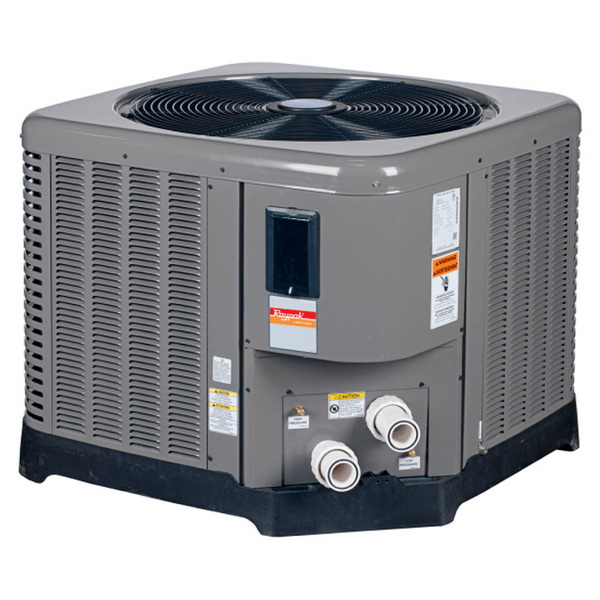
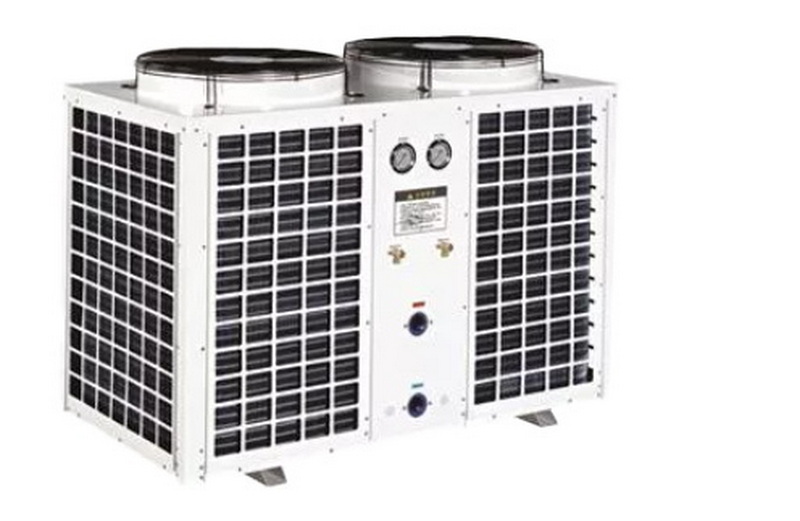
Heat pumps work more like air conditioners in reverse: they extract heat from ambient air and transfer it into the pool water via a refrigeration cycle. They usually have a higher initial purchase price than gas units but significantly lower energy cost per unit of heat delivered, especially in mild or warm climates. [hayward]
From the manufacturer side, the most important design factor is stable, moderate air temperature. When air is reasonably warm, modern heat pumps can achieve high coefficients of performance, delivering multiple units of heat per unit of electricity consumed. As an owner, you will notice that heat pumps are slower than gas when raising temperature from cold, but far more economical for maintaining a comfortable range across a season. [energy]
To get full value, we advise clients to pair heat pumps with:
- Clean, low-resistance filters (well-maintained sand or cartridge).
- Thoughtful pump scheduling to avoid running at night in cold air.
- Covers that reduce heat loss so the heat pump works less.
Electric spa heaters are designed primarily for smaller bodies of water where gas is unavailable or impractical. They provide fast, precise heating and are often integrated in tight equipment spaces or retrofits. [hayward]
In our projects, we typically see electric heaters used for:
- Standalone spas or hot tubs.
- Rooftop or balcony installations with limited fuel options.
- Supplemental heating where main pool heat is provided by another source.
Users appreciate their compact footprint and straightforward installation, but you should expect higher electricity usage at high set points compared with heat pumps, especially in cooler climates. [energy]
You cannot talk about modern pool heating without addressing heat loss. Every degree you add to the water is in a constant fight against evaporation, radiation, and conduction into cooler air and surfaces. [energy]
Solar thermal systems circulate pool water through collectors exposed to the sun and return it to the pool at a higher temperature. In our international trade work, we see solar used widely in sunny regions as a base-load heating option, with gas or heat pumps providing backup for cloudy periods or shoulder seasons. [energy]
Key practical insights:
- Solar rarely replaces backup systems entirely; it reduces run-time and energy cost.
- Well-designed hydraulic circuits with appropriate sand or cartridge filters are essential to avoid debris and scale in collectors. [poolking]
- Users often underestimate the space required on roofs or racks; early planning avoids disappointment.
User feedback consistently shows that thermal covers deliver one of the highest returns on investment in pool heating. They drastically reduce evaporation, which is the primary driver of heat loss. [energy]
From our perspective designing filtration and circulation systems, covers also reduce debris load, extending filter cycles and improving water clarity. Clean water transmits heat more evenly and efficiently. Clients who invest in covers report:
- Faster heating and longer retention of comfortable temperatures.
- Lower run time for heaters and pumps.
- Improved water quality and reduced chemical usage.
Because our company specializes in commercial pool sand filters, fiberglass sand filters, plastic filters, and cartridge filters, we see heating and filtration as parts of a single efficiency system. [poolkingfilter]
Sand filters remain a standard choice for both commercial and residential installations due to durability and ease of operation. When paired with heaters: [poolkingfilter]
- Proper sizing ensures the heater's required flow rate is met.
- Regular backwashing prevents pressure buildup and short cycling.
- Fiberglass or high-quality plastic housings resist thermal and pressure stress over long-term use. [poolking]
In multiple large commercial pools, we have observed that undersized filters cause higher pump head, lower actual flow, and uneven heat distribution, even when heaters are technically powerful enough. Correctly chosen commercial sand filters provide stable hydraulics so the heater performs as specified. [poolkingfilter]
Cartridge filters offer finer filtration and can reduce pump energy when hydraulics are designed for low resistance. In heating applications, cartridge filters often deliver: [maygopool]
- Lower required pump pressure, beneficial for heat pumps sensitive to flow.
- Finer filtration that improves water clarity and heat transfer consistency.
- Longer service intervals when sized correctly for pool volume.
Users tend to appreciate the clarity and comparatively simple maintenance (no backwashing), but should budget for periodic cartridge replacement. From our manufacturing line, we produce both standalone cartridge units and integrated systems where pump, filter, and heater are designed to work together in an optimized hydraulic loop. [poolkingfilter]
In complex projects, especially hotels, waterparks, and commercial centers, we provide comprehensive systems: sand or cartridge filters, circulation pumps, underwater LED lights, fittings, and accessory equipment. When heating is part of the specification, we design for: [poolking]
- Correct pump curves to serve both filtration and heating circuits.
- Valve and bypass design to allow maintenance without downtime.
- Automation integration so temperature control and filtration cycles are aligned.
From the owner perspective, integrated systems are easier to operate and troubleshoot. When a single supplier understands the hydraulics, heat load, and user behavior, the result is a pool that warms more quickly, maintains temperature more evenly, and consumes less energy overall. [poolkingfilter]
The best heating solution for you depends on climate, usage pattern, energy costs, and existing equipment. Based on both manufacturing experience and feedback from installers and owners, here is a simplified decision framework. [hayward]
1. Define your typical usage.
- Weekends only, daily swims, or spa-heavy use?
2. Assess your climate and air temperature range.
- Warm and stable, or cool nights and shoulder seasons?
3. Review existing equipment.
- Filter type, pump horsepower, plumbing layout, available energy sources.
4. Estimate energy cost and availability.
- Gas vs electricity vs renewable potential.
5. Select equipment and accessories.
- Heater type plus covers or solar for cost optimization.
| Pool scenario | Recommended heating focus | Supporting filtration notes |
|---|---|---|
| Occasional-use family pool in mild climate | Heat pump + thermal cover | Sand or cartridge filter sized for stable flow (hayward) |
| Year-round commercial pool with high turnover | Gas heater + solar assist + automation | Commercial fiberglass sand filter, robust pump (poolkingfilter) |
| Small spa without gas supply | Electric spa heater + good insulation | Cartridge filter for compact footprint (hayward) |
| Resort with multiple pools in sunny region | Solar primary + gas backup + covers | Mix of sand filters and cartridge units as needed (energy) |
Each scenario reflects patterns we have seen across installations that use our filtration equipment and partner heating solutions. Owners report the highest satisfaction when they treat heating as part of a full system design rather than a standalone box added later. [poolkingfilter]
Drawing on manufacturing, field installation support, and user feedback, here are practical techniques that consistently improve real-world outcomes. [poolking]
- Coordinate pump schedules with heating cycles so warm water circulates through all zones.
- Keep filters clean and within recommended pressure ranges to avoid starving the heater of flow. [poolkingfilter]
- Use covers at night or during non-use periods to cut evaporation and energy waste. [energy]
- Set realistic temperature targets; a few degrees less can reduce energy cost dramatically while keeping comfort acceptable. [hayward]
- Book annual inspections for heaters and heat pumps with qualified professionals to maintain performance and safety. [royalswimmingpools]
- Inspect filter tanks, multiport valves, and unions regularly for leaks or wear, especially on commercial sand filters operating at higher pressures. [poolking]
- Document operating parameters (flow, pressure, temperature) at commissioning so you can recognize drift over time.
These actions come directly from the service records and support calls we see as a manufacturer. Systems that are monitored and maintained systematically deliver better comfort, predictable costs, and fewer unexpected shutdowns during peak usage. [poolkingfilter]
There is a point where adding or replacing only the heater becomes inefficient. Based on our project experience, you should consider a full system upgrade when: [poolkingfilter]
- Your heater is decades old and your pump and filter cannot deliver required flow.
- Pressure readings across the filter are consistently high despite backwashing or cleaning.
- Plumbing is undersized or excessively complex, causing chronic circulation issues.
In these cases, redesigning the system with new sand or cartridge filters, a properly sized pump, and an appropriate heater often reduces lifetime energy consumption enough to justify the capital investment. Owners who make this change typically report easier operation and more stable temperatures, especially in commercial environments where guest expectations are non-negotiable. [poolkingfilter]
As a pool equipment manufacturer with more than two decades of experience and facilities covering approximately 60,000 square meters across Guangzhou and Taishan City, we focus on helping partners design complete, reliable systems rather than isolated pieces of hardware. [poolkingfilter]
Our sand and cartridge filters, pumps, LED lights, and fittings are designed to work seamlessly with modern gas heaters and heat pumps from multiple brands. In practice, this means:
- Hydraulic designs that maintain stable flow for heat exchangers.
- Filtration capacity that supports both water clarity and thermal performance.
- Equipment layouts that facilitate maintenance and upgrades as technologies evolve.
From the owner's perspective, choosing filtration and circulation equipment from a specialist manufacturer reduces integration risk and makes future heating improvements easier, whether that is adding a more efficient heat pump, extending season with solar, or upgrading controls to smart automation. [poolking]
If you want your pool heating to be both comfortable and cost-effective, here are concrete steps you can take:
1. Audit your current system.
- Identify heater type, filter model, pump size, and control strategy.
2. Measure performance.
- Track temperature rise time, energy usage, and user satisfaction over a typical week.
3. Address obvious inefficiencies.
- Clean or upgrade filters, adjust pump schedules, add a cover. [energy]
4. Plan for strategic upgrades.
- Align heater choice with climate and usage; consider heat pumps and solar where they make sense.
5. Partner with specialized manufacturers.
- Work with equipment suppliers who understand both filtration and heating hydraulics and can support long-term optimization. [poolkingfilter]
Heating your pool is an ongoing relationship between equipment, environment, and how you use the water. When filtration, circulation, and heating are designed as a complete system, you can extend your season, improve comfort, and keep operating costs under control. [poolking]
If you are planning a new pool project or upgrading an existing system, consider reaching out to a dedicated pool equipment manufacturer that can help you design the filtration and circulation backbone first—then match it with the right heater for your climate, usage, and budget. [poolkingfilter]
Q1: Is a heat pump or gas heater better for my pool?
Gas heaters are better for rapid, occasional heating or high-temperature spas, while heat pumps excel at efficient, steady heating in mild to warm climates. [hayward]
Q2: Do sand filters reduce heating efficiency compared with cartridge filters?
Properly sized and maintained sand filters provide stable flow and do not significantly reduce heating efficiency; issues arise mainly from undersizing or poor maintenance. [poolking]
Q3: How much does a pool cover really help with heating costs?
Thermal covers can dramatically reduce evaporation, cutting heat loss and energy usage and often delivering one of the best returns on investment in pool heating. [energy]
Q4: Can I mix solar heating with a gas or heat pump system?
Yes, many installations use solar for base-load heating with gas or heat pumps as backup, reducing run time and overall energy cost while maintaining reliability. [hayward]
Q5: When should I replace my existing heater?
Consider replacement when your heater is old, inefficient, or mismatched to your climate and usage, especially if you are already upgrading filters, pumps, or plumbing. [royalswimmingpools]
1. Hayward Pool Products, "The Ultimate Guide to Heating Your Pool." [hayward]
2. U.S. Department of Energy, "Technical Support Document: Pool Heaters." [energy]
3. Poolking, "Swimming Pool Sand Filters Suppliers & Manufacturers." [poolking]
4. Poolking Filter, "Top 10 Sand Filter Manufacturers in China." [poolkingfilter]
5. Maygo Pool Equipment Manufacturer, "Pool Filters – Product Range." [maygopool]
6. Hayward HeatPro Owner's Manual – Royal Swimming Pools. [royalswimmingpools]
7. Poolking Filter, "Top 10 Pool Filter Manufacturers in China." [poolkingfilter]


