
Views: 292 Author: Poolking Filter Equipment Publish Time: 2026-07-02 Origin: Site


Content Menu
● What Causes Water and Energy Loss in Pools?
● How Pool Covers Reduce Evaporation and Water Waste
● Energy Savings: Heat Retention and System Efficiency
● Beyond Water and Energy: Additional Benefits of Pool Covers
● Types of Pool Covers and Their Performance
>> Manual Solid and Bubble Covers
>> Liquid Evaporation Suppressants
● How Filtration Equipment Influences Water and Energy Performance
>> Sand Filters (Commercial and Fiberglass)
>> Integrated Systems: Filters, Pumps, LED Lights, and Fittings
● Practical Steps: How to Maximize Water and Energy Savings
>> 1. Make Daily Use of Your Pool Cover
>> 2. Optimize Your Filtration Cycle
>> 3. Monitor Water Level, Chemistry, and Temperature
● Expert Insights from Long‑Term Manufacturer Experience
● How Guangdong Poolking Supports Sustainable Pool Operations
● Summary Table: How Pool Covers and Equipment Work Together
● Actionable Next Steps for Pool Owners and Operators
● FAQs
Pool owners increasingly face rising water prices, stricter environmental regulations, and higher energy bills, especially in warm, high‑evaporation regions. In this context, pool covers and high‑efficiency filtration systems are no longer optional add‑ons—they are critical tools for controlling operating costs and protecting scarce resources. [esemag]
As a manufacturer with over 20 years of experience in commercial pool sand filters and integrated filtration systems, operating two advanced production bases in Guangzhou and Taishan totaling 60,000 sqm, we see first‑hand how smart equipment choices affect water consumption, energy use, and long‑term ROI for hotels, aquatic centers, water parks, and residential complexes. [poolkingfilter]
In this guide, we combine industry data, engineering insight, and practical field experience to answer a simple but important question: Do pool covers really save water and energy—and how can you maximize those savings with the right filtration equipment? [ca.hayward]
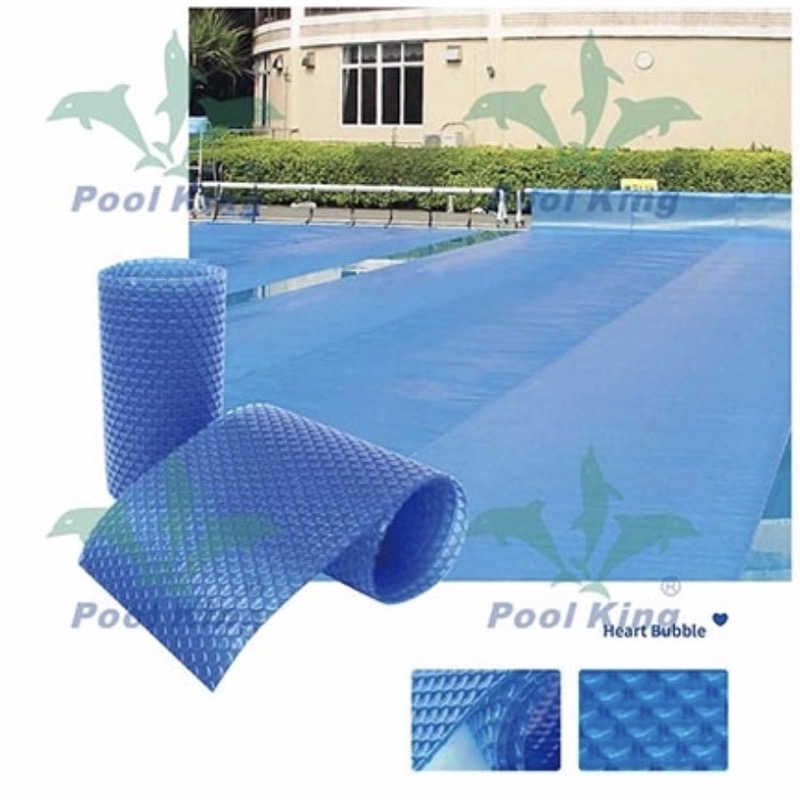
One of the primary drivers of water and energy loss in both commercial and residential pools is evaporation. Warm air, low humidity, direct sun, and wind pull water molecules off the pool surface, reducing water level, wasting chemicals, and forcing heaters and pumps to work harder. [esemag]
When your pool water level drops due to evaporation:
- You must top up with fresh water more frequently, increasing utility costs. [ca.hayward]
- Pool chemistry drifts, because every refill dilutes sanitizers and balancing chemicals. [ca.hayward]
- Your heater and circulation system must work harder to maintain target temperature, raising energy use. [ca.hayward]
For large commercial facilities—such as hotel pools or aquatic centers—these incremental losses can translate into thousands of liters of water and significant electricity costs over a single season. [poolguardusa]
According to the U.S. Department of Energy and multiple independent research studies, properly used pool covers are among the most effective tools for reducing evaporation and conserving water. By physically blocking the exposed water surface, a cover cuts the direct impact of sun and wind, which are major evaporation accelerators. [esemag]
Real‑world studies from the National Pool Industry Research Center (NPIRC) show that bubble‑type and solid covers can reduce evaporation by around 95% when correctly installed and used consistently. In practical terms, this means: [fabricsolutions.com]
- Fewer top‑ups and more stable water levels across the season. [esemag]
- Lower make‑up water demand, which is critical in drought‑prone or water‑restricted regions. [fabricsolutions.com]
- Better chemical stability, because the pool water is not constantly being diluted and rebalanced. [ca.hayward]
For operators managing multiple pools or large‑volume commercial installations, these savings compound quickly, reducing both direct water costs and indirect labor and chemical expenses. [poolkingfilter]
Pool covers deliver significant energy savings by helping the pool retain heat during cool nights and windy conditions. When the water surface is exposed, heated water loses energy to the surrounding air, forcing heaters to run more often to maintain a comfortable temperature. [ca.hayward]
By covering the pool whenever it is not in use:
- Heat loss is minimized, so the water temperature remains more stable over 24 hours. [ca.hayward]
- Heater run‑time decreases, which directly reduces electricity or gas consumption. [ca.hayward]
- In heated commercial pools, these effects are amplified, because even small temperature drifts can trigger significant heater activity. [poolkingfilter]
Pairing a pool cover with high‑efficiency variable‑speed pumps and well‑designed sand or cartridge filters further optimizes energy use by reducing hydraulic resistance and allowing pumps to run at lower speeds for longer cycles. [hayward-pool.co]
From an operator's standpoint, the benefits of pool covers go far beyond water and energy conservation. When we evaluate commercial projects, we typically look at the following additional advantages: [esemag]
- Reduced debris load: Covers keep out leaves, dust, and wind‑blown contaminants, lowering the burden on filters and robotic cleaners. [ca.hayward]
- Lower algae risk: By limiting sunlight exposure and contamination, covers help prevent algae blooms, especially in mild winter climates. [ca.hayward]
- Improved safety: Certain cover types help limit unauthorized access and can form part of a layered safety strategy for facilities. [ca.hayward]
- Less chemical drift: With reduced contamination, operators spend less on corrective dosing and shock treatments. [ca.hayward]
All these elements contribute to lower total cost of ownership (TCO) across the life of the pool infrastructure. [poolkingfilter]
Different pool cover technologies offer varying levels of performance, convenience, and cost. From our experience working with both residential clients and large commercial operators, the main categories include: [fabricsolutions.com]
Automatic covers are motorized systems that slide or roll over the pool via tracks or guides. [archive.utilityforum]
- Best suited for: High‑end residential pools, hotel rooftop pools, and facilities where staff time is limited.
- Key benefits: Excellent convenience, strong safety features, and reliable coverage when integrated into daily operating routines. [archive.utilityforum]
- Considerations: Higher upfront cost and more complex installation, but strong long‑term ROI where usage is consistent. [archive.utilityforum]
Manual covers include solid vinyl or composite sheets and bubble (solar) covers that float directly on the water surface. [fabricsolutions.com]
- Best suited for: Residential pools, small commercial pools, and budget‑conscious operators.
- Key benefits: Proven evaporation reduction (around 95% in controlled studies), improved heat retention, and relatively low purchase cost. [fabricsolutions.com]
- Considerations: Require manual deployment; operational discipline is critical to achieve advertised savings. [esemag]
Some facilities experiment with liquid "covers"—chemical monolayers that reduce evaporation by forming a thin film on the water surface. [fabricsolutions.com]
- Best suited for: Complex pool shapes or applications where physical covers are difficult to use.
- Key benefits: No mechanical installation required; can supplement other water‑saving strategies. [esemag]
- Considerations: Generally less effective than solid/bubble covers and require careful dosing and monitoring. [fabricsolutions.com]
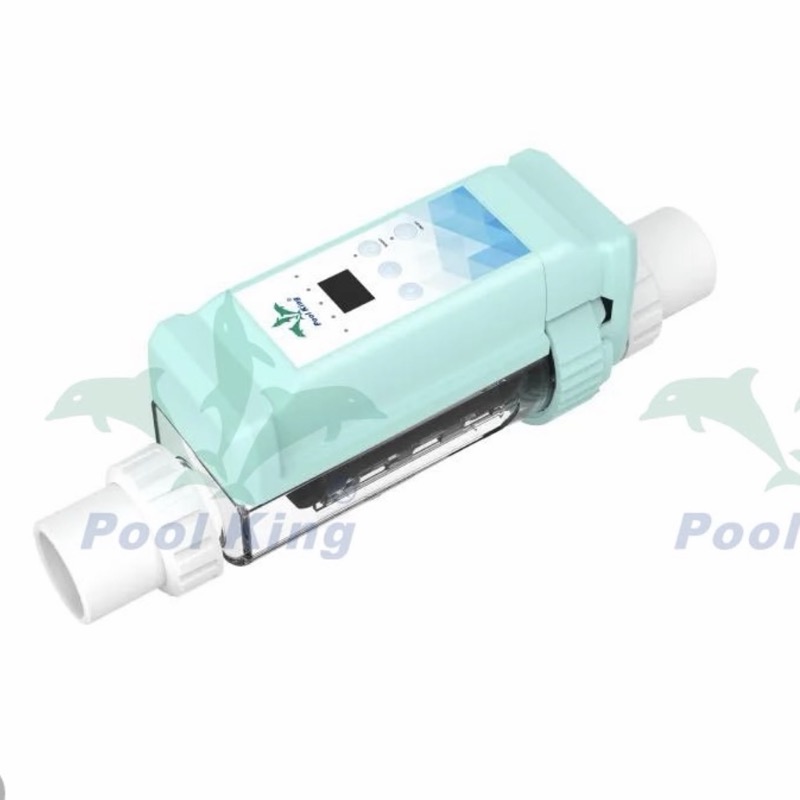
While pool covers are the frontline defense against evaporation, filtration equipment determines how efficiently your system handles circulation, cleaning, and water treatment. As a manufacturer of: [poolkingfilter]
- Commercial pool sand filters
- Fiberglass sand filters
- Plastic sand filters
- Cartridge filters
- DE filters and complete filtration solutions
we see recurring patterns in how equipment choice affects sustainability metrics. [poolking]
High‑quality sand filters are widely used in commercial installations due to their durability and ability to handle large flow rates. [poolking]
- Advantages: Robust, proven technology; suitable for hotels, water parks, and public pools.
- Sustainability impact: When properly sized and paired with smooth internal hydraulics, sand filters minimize pressure losses, allowing pumps to run at lower speeds and saving energy. [hayward-pool.co]
Cartridge filters offer fine filtration with relatively low resistance, especially in smaller systems. [maygopool]
- Advantages: Good water clarity, lower energy consumption due to reduced pressure drop, and easy maintenance for residential or small commercial pools. [maygopool]
- Sustainability impact: Efficient cartridge systems can cut pump energy use and reduce backwash water waste compared with some traditional designs. [maygopool]
Modern sustainable pool design requires integrated thinking across all components. [hayward-pool.co]
- Variable‑speed pumps allow operators to match flow rates to actual needs, cutting energy consumption by up to around 90% when replacing older single‑speed units in some applications. [hayward-pool.co]
- LED underwater lights significantly reduce electricity usage and heat load compared with traditional incandescent or halogen fixtures. [poolkingfilter]
- Well‑engineered fittings and pipework minimize turbulence and resistance, further reducing pump workload. [poolkingfilter]
When combined with a disciplined pool cover routine, these components form a high‑efficiency ecosystem that optimizes both water and energy performance. [hayward-pool.co]
From our experience designing and supporting filtration systems for clients around the world, the most successful operators follow a clear, repeatable routine. Below is a practical framework you can adapt:
1. Cover the pool whenever it is not actively in use, especially during mid‑day sun and overnight. [esemag]
2. Inspect the cover weekly for damage, gaps, or improper seating that could reduce effectiveness. [ca.hayward]
3. Train staff or household members on correct deployment and removal procedures to ensure consistent use. [archive.utilityforum]
1. Audit current pump schedules, noting total running hours, speed settings, and peak load periods. [hayward-pool.co]
2. Switch to variable‑speed pumps where practical, and reconfigure filtration cycles for lower speeds over longer durations. [hayward-pool.co]
3. Ensure filters are correctly sized and maintained (backwashing or cartridge cleaning on schedule) to keep pressure drop within optimal ranges. [poolking]
1. Track weekly water loss to distinguish normal evaporation from potential leaks. [poolguardusa]
2. Keep detailed records of chemical dosing and test results, adjusting strategy when covers significantly reduce contamination. [ca.hayward]
3. Log heater run‑time and temperature trends, then refine setpoints to balance comfort with energy savings. [hayward-pool.co]
After more than two decades designing and producing commercial sand filters, fiberglass filters, plastic filters, cartridge filters, pumps, LED lights, and fittings, we have observed several recurring patterns among facilities that consistently achieve outstanding sustainability outcomes. [poolking]
- Successful operators treat pool covers as operational equipment, not as accessories; they budget for them, train around them, and track their impact on KPIs such as water use and energy bills. [esemag]
- Facilities that upgrade both covers and filtration systems together (rather than piecemeal) realize faster ROI because gains in evaporation control and hydraulic efficiency compound. [poolkingfilter]
- Well‑planned projects integrate equipment selection, maintenance workflows, and data tracking, turning pools into measurable, controllable assets rather than unpredictable cost centers. [poolguardusa]
From a manufacturer's standpoint, this holistic approach enables us to design custom filtration packages—including commercial sand filters, cartridge systems, pumps, and accessories—that align with real‑world sustainability goals for each site. [poolking]
As a China‑based pool equipment manufacturer with production bases in Guangzhou and Taishan City, we focus on comprehensive solutions that support both water and energy efficiency across the whole system. [poolking]
Our portfolio includes:
- Commercial pool sand filters, fiberglass sand filters, and plastic sand filters for high‑traffic installations. [poolking]
- Cartridge filters and DE systems for fine filtration and low energy consumption. [poolking]
- High‑efficiency pumps, LED pool lights, and precision‑engineered fittings that minimize resistance and energy use. [poolkingfilter]
By combining these technologies with best‑practice pool cover use, operators can achieve a robust sustainability profile, often with improved water clarity, better guest experience, and lower long‑term operating costs. [hayward-pool.co]
If you are planning a new facility or upgrading existing infrastructure, a joined‑up conversation about covers, filters, pumps, and lighting is the most effective way to ensure your investment delivers measurable savings and reliable performance season after season. [poolkingfilter]
| Aspect | Pool Covers Impact | Filtration & Equipment Impact |
|---|---|---|
| Water use | Reduce evaporation by up to ~95% in controlled studies, cutting refill demand and stabilizing levels. (esemag) | Properly sized sand/cartridge filters and optimized hydraulics reduce backwash and waste water. (poolking) |
| Energy use | Retain heat, lower heater run‑time, and protect against nighttime temperature drops. (ca.hayward) | Variable‑speed pumps, efficient filters, and LED lights cut electrical consumption significantly. (ca.hayward) |
| Chemistry stability | Limit contamination and dilution, making it easier to maintain balanced chemistry. (ca.hayward) | High‑performance filtration maintains clarity and supports predictable dosing. (poolking) |
| Maintenance load | Reduce debris, algae risk, and cleaning frequency. (ca.hayward) | Durable commercial filters and integrated systems minimize breakdowns and service interruptions. (poolkingfilter) |
To translate these insights into practical benefits, consider the following clear call to action:
- Audit your current pool cover strategy: If you do not yet use a cover, or if usage is inconsistent, identify specific operational changes to make it a daily habit. [esemag]
- Review your filtration and pumping equipment with a focus on hydraulic efficiency, energy performance, and long‑term reliability. [hayward-pool.co]
- Engage a specialist manufacturer like Guangdong Poolking to discuss tailored sand filters, cartridge systems, pumps, LED lights, and fittings that support your sustainability and budget objectives. [poolking]
By aligning cover selection, equipment design, and daily operating routines, you can create a pool system that saves water, cuts energy bills, and delivers a consistently high‑quality experience for bathers and guests. [esemag]
1. How much water can a pool cover save in a typical season?
Controlled studies suggest that solid and bubble covers can reduce evaporation by around 95%, which can translate into thousands of liters of water saved over a season, depending on pool size and climate. [fabricsolutions.com]
2. Are pool covers worth it for unheated pools?
Yes. Even unheated pools lose significant water to evaporation, and every refill affects chemical balance and operating costs; covers help stabilize levels and reduce maintenance. [esemag]
3. What type of pool cover is best for commercial pools?
Commercial facilities often favor automatic track covers or robust solid covers that integrate with safety and operations protocols, ensuring consistent usage and high savings. [archive.utilityforum]
4. How do sand filters and cartridge filters differ in energy performance?
Well‑engineered sand filters handle large flow rates efficiently for commercial pools, while cartridge filters can offer lower pressure drop and energy use for smaller or residential systems when correctly sized. [maygopool]
5. Can upgrading pumps and filters improve sustainability even if I already use a pool cover?
Absolutely. Combining variable‑speed pumps, efficient filters, and LED lighting with regular cover use creates a synergistic effect that optimizes water, energy, and maintenance performance. [hayward-pool.co]
1. Hayward – "Pool Covers Save Water and Energy."
https://ca.hayward.com/blog/post/do-pool-covers-save-water-and-energy-duplicated [ca.hayward]
2. Cal Poly NPIRC / ESEMAG – "Pool covers offer tremendous water savings: study finds."
https://esemag.com/news/pool-covers-offer-tremendous-water-savings-study-finds/ [esemag]
3. Fabric Solutions – "Evaporation Study Compares Water Savings of Covers."
https://fabricsolutions.com.au/blog/evaporation-study-compares-water-savings-of-covers/ [fabricsolutions.com]
4. Hayward – "7 water-saving tips for your pool."
https://www.hayward-pool.co.uk/article/maintenance-of-my-pool/how-save-water-using-pool [hayward-pool.co]
5. Guangdong Poolking Filtration Equipment Manufacturing Co., Ltd – Company and product information.
https://www.poolkingfilter.com [poolkingfilter]
6. Poolking – Swimming Pool Sand Filters information.
https://www.poolking.co/pool-sand-filter.html [poolking]
7. Maygo Pool – Cartridge filters and pool filtration systems overview.
https://www.maygopool.com/products2119909/Pool-Filters.htm [maygopool]
8. PoolGuard USA – Pool water evaporation charts and loss rates.
https://poolguardusa.com/pool-water-evaporation-chart/ [poolguardusa]


