
Views: 268 Author: Poolking Filter Equipment Publish Time: 2026-06-29 Origin: Site


Content Menu
● Understanding Advanced Oxidation vs Salt Chlorination
>> What Is an Ozone Reactor (Advanced Oxidation)?
>> What Is a Salt Chlorinator?
● Ozone Reactor vs Salt Chlorinator: Key Technical Differences
>> Water Quality and Bathing Comfort
● Strategic Comparison: Commercial Ozone vs Salt Systems
>> Performance, Costs, and Health Impacts
● Latest Industry Trends and Data‑Driven Insights
● Practical Selection Framework for Commercial Pools
>> Step 1: Define Facility Priorities
>> Step 2: Assess Regulatory and Health Requirements
>> Step 3: Integrate With Filtration Hardware
● Expert Perspective: When to Choose Ozone, Salt, or Both
>> Ozone Reactor Is Ideal When:
>> Salt Chlorinator Is Ideal When:
>> Combined Ozone + Salt Systems
● Manufacturer's View: How Poolking Adds Value
● Practical UX Tips for Operators Choosing Ozone or Salt
● FAQs About Ozone Reactors vs Salt Chlorinators
Ozone reactors and salt chlorinators are now competing — and often complementary — technologies for chemical‑light commercial pool sanitization, each offering distinct advantages in water quality, safety, and lifetime operating costs for hotels, resorts, waterparks, and aquatic centers. [fluidra]
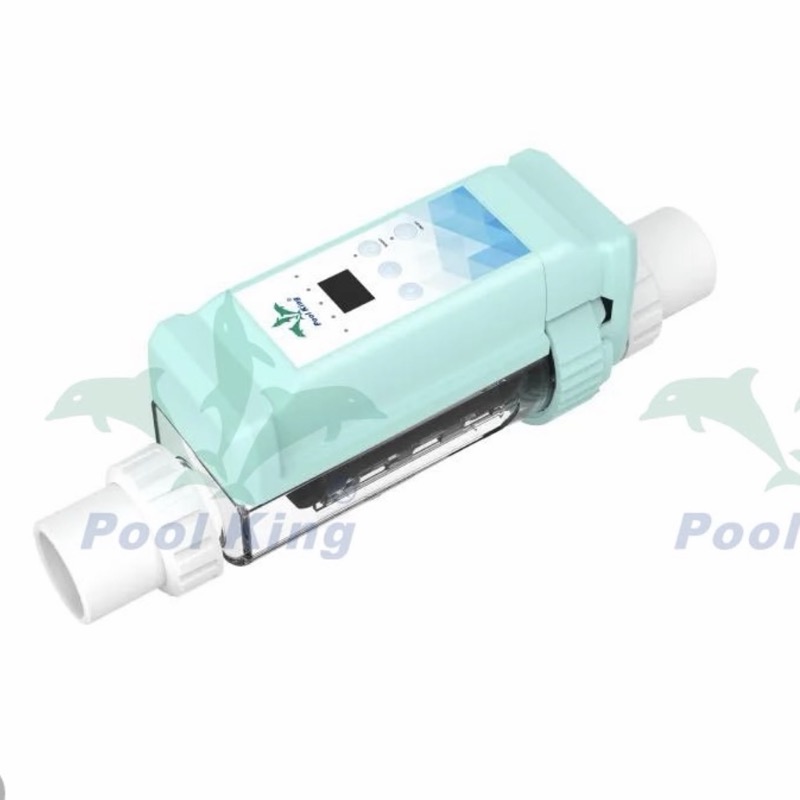
Modern commercial pools increasingly combine mechanical filtration (sand, DE, cartridge) with advanced oxidation such as ozone, and on‑site chlorine generation via salt chlorinators to balance hygiene, guest comfort, and lifecycle cost. [articles.bluehaven]
For a manufacturer like Guangdong Poolking, with over 20 years in commercial filtration and production bases in Guangzhou and Taishan, integrating these sanitization technologies with robust sand filters and cartridge filters is critical to delivering turnkey, high‑performance systems. [poolking.en.made-in-china]
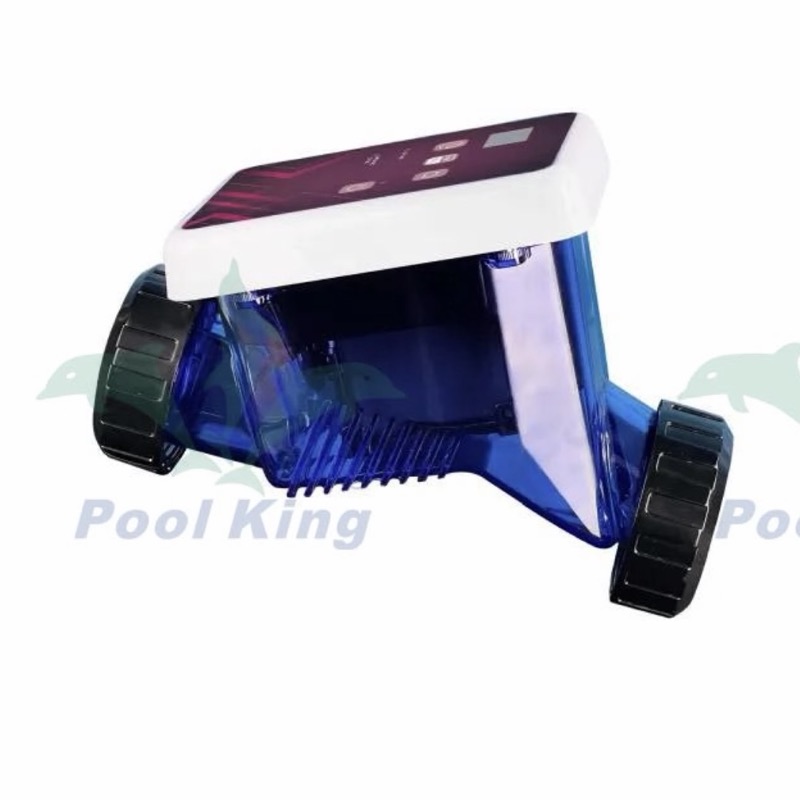
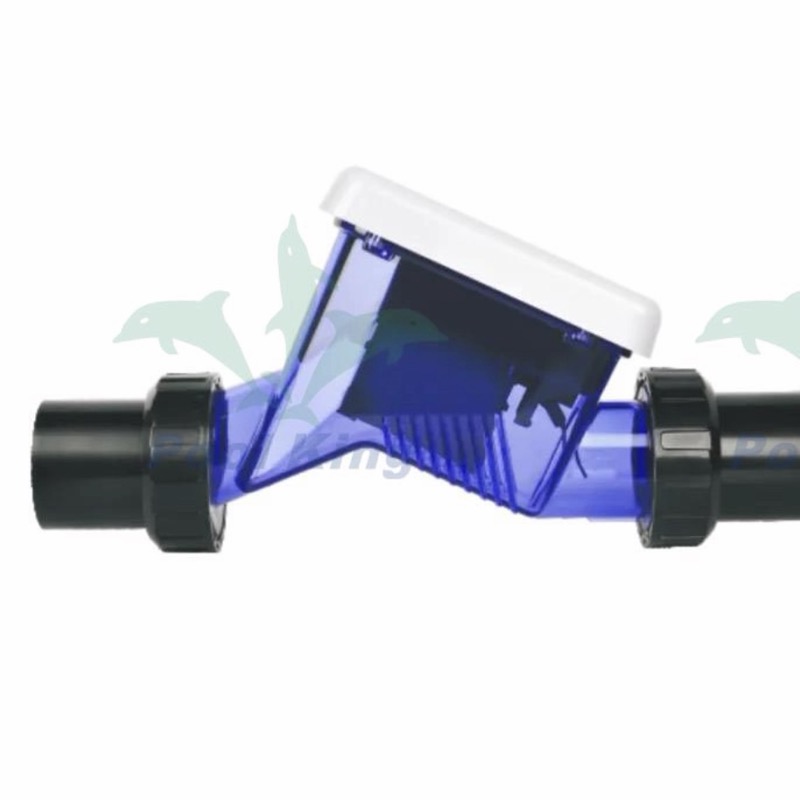
An ozone reactor in a commercial pool injects ozone gas (O₃) into a contact vessel, where it oxidizes contaminants such as organic residues, microorganisms, and chloramines before water returns to the pool. [absoluteozone]
In advanced oxidation process (AOP) systems, ozone is often combined with UV light to generate highly reactive hydroxyl radicals that break down pollutants even faster, significantly reducing required free chlorine levels. [delozone]
A salt chlorinator uses electrolysis to convert dissolved salt in pool water into free chlorine directly in the circulation line, providing continuous disinfection without manual dosing of bulk chlorine. [bevo]
Commercial salt systems are sized to produce several pounds of chlorine per day and operate 24/7, making them viable for pools up to around 1,000,000 gallons with stable sanitizer residuals and lower long‑term chemical costs. [aquaticsintl]
From an engineering and UX perspective, ozone reactors and salt chlorinators address different parts of the water quality problem — oxidation of contaminants vs generation of residual sanitizer. [articles.bluehaven]
- Ozone Reactor (AOP)
- Uses ozone (and sometimes UV) to oxidize organics, bacteria, and chloramines in a dedicated contact chamber.
- Produces extremely fast disinfection and clearer water, but ozone itself does not remain as a long‑lasting residual in the pool basin. [fluidra]
- Salt Chlorinator
- Generates free chlorine from salt via electrolysis, maintaining a stable chlorine residual throughout the pool.
- Focuses on ongoing disinfection and regulatory compliance rather than deep oxidation of complex organics. [leak-tech]
- Ozone Reactor Advantages
- Strongly reduces chloramines and oxidation by‑products, leading to less odor and eye irritation. [absoluteozone]
- Delivers very clear, "polished" water, which is a key differentiator for premium hotels and aquatic facilities. [fluidra]
- Salt Chlorinator Advantages
- Produces consistent chlorine levels with fewer spikes, resulting in gentler water on skin, eyes, and hair compared with manual chlorine dosing. [bevo]
- Many swimmers report higher comfort in salt pools because of lower harshness and reduced packaged chemical additives. [leak-tech]
- Ozone Systems
- Require correct sizing, periodic inspection of ozone generators, and attention to contact time and off‑gas management. [delozone]
- Typically higher upfront capex, but can reduce chemical consumption and improve compliance with modern health codes when properly integrated. [delozone]
- Salt Systems
- Need cell cleaning and monitoring of salinity, but automate most daily sanitizer production. [aquaticsintl]
- Reduce the need to store, handle, and transport bulk chlorine, lowering safety risks and logistics complexity for operators. [bevo]
From an industry‑expert viewpoint, selecting between an ozone reactor and a salt chlorinator is a strategic design decision shaped by project type, regulatory requirements, and brand positioning.
| Dimension | Ozone Reactor (AOP/Ozone) | Salt Chlorinator |
|---|---|---|
| Primary function | High‑energy oxidation of contaminants and chloramines for ultra‑clear water. (fluidra) | On‑site generation of free chlorine for continuous residual sanitization. (bevo) |
| Residual sanitizer in pool | Requires a small amount of secondary chlorine or other sanitizer; ozone itself decays quickly. (fluidra) | Provides the main chlorine residual directly in the pool basin. (bevo) |
| Upfront investment | Typically higher equipment and design costs, especially for large waterparks or complex AOP setups. (delozone) | Moderate capex; commercial units scaled by pool volume and chlorine demand. (aquaticsintl) |
| Long‑term operating costs | Reduces chemical usage and odor complaints; may lower overall cost where water quality demands are strict. (delozone) | Saves on packaged chlorine purchases; salt is relatively cheap and reused continuously. (bevo) |
| Guest comfort | Very low chloramine levels, minimal smell, and "premium" clarity for high‑end venues. (fluidra) | Softer feel, less irritation than conventional manually dosed chlorine pools. (bevo) |
| Complexity | Higher design and control complexity; strong need for expert sizing and integration. (fluidra) | Operationally simpler once installed; routine cell maintenance and water balance. (bevo) |
In recent years, commercial projects increasingly combine advanced oxidation (ozone/AOP) with salt chlorination or traditional chlorine to balance capital cost and UX outcomes. [c-m-p]
Industry case analyses show that properly sized ozone systems can dramatically cut combined chlorine (chloramines) and complaint rates in indoor facilities, while salt chlorinators help operators stabilize residuals without transporting hazardous chemicals. [delozone]
As a manufacturer, Poolking is well positioned to supply integrated packages where high‑rate sand filters, cartridge polishing filters, and precision pumps support both ozone reactors and salt cells, ensuring hydraulic performance and contact times match design assumptions. [poolking]
From a practical design standpoint, consider the following step‑by‑step approach when evaluating ozone vs salt for a new or upgraded commercial pool.
1. Guest experience focus
- If your brand differentiator is "spa‑grade clarity" and minimal odor (e.g., indoor wellness resorts), prioritize advanced oxidation with ozone reactors plus a reduced‑chlorine residual. [articles.bluehaven]
2. Operational simplicity and cost
- If your primary objective is lowering chemical handling and stabilizing day‑to‑day costs for large outdoor pools, salt chlorination offers robust automation and predictable operating expenses. [sublimepools]
- Many modern codes and guidelines accept ozone and AOP as secondary disinfection, but still require a minimum free chlorine residual in the pool. [delozone]
- Salt chlorinators help maintain these residuals consistently, reducing compliance risk in high‑bather‑load environments. [apservicecenter]
For long‑term reliability, sanitize and filter as a single engineered system:
- Pair ozone reactors with:
- High‑rate sand filters and optional DE or cartridge stages to retain oxidized particulates.
- Precision hydraulic pumps sized for correct ozone contact time and turnover. [absoluteozone]
- Pair salt chlorinators with:
- Corrosion‑resistant filter tanks and fittings, particularly in commercial saltwater installations.
- Stable flow rates and chemistry monitoring for efficient electrolysis. [sublimepools]
Manufacturers like Poolking, with extensive experience in sand filters, fiberglass vessels, plastic filters, and cartridge systems, can customize these pairings to local conditions and project specifications. [poolkingfilter]
- You operate indoor or high‑profile commercial pools where odor, air quality, and visual clarity drive guest satisfaction and reviews. [delozone]
- You want to minimize chemical side effects and are willing to invest in specialized equipment and professional commissioning. [delozone]
- You prioritize operational efficiency and cost‑control, especially for large outdoor pools and resorts with many basins. [aquaticsintl]
- You aim to reduce staff exposure to hazardous chemical storage while maintaining robust chlorine residuals. [leak-tech]
A growing number of commercial facilities deploy salt chlorination for residual chlorine and ozone or AOP for advanced oxidation, achieving:
- Lower overall chlorine consumption and fewer disinfection by‑products.
- Better UX (clearer water, less smell) without sacrificing safety or regulatory compliance. [c-m-p]
This combined approach pairs naturally with Poolking's commercial sand filters, cartridge filters, and integrated pumping solutions, allowing project designers to deliver "chemical‑light" pools that are still robust and easy to operate. [poolkingfilter]
From Poolking's manufacturing standpoint, the real differentiator is not only the choice of ozone reactors vs salt chlorinators, but how these are engineered into a filtration ecosystem.
- Filtration backbone
- Commercial sand filters, fiberglass tanks, and plastic filters provide the core mechanical filtration needed for both ozone and salt systems. [poolking]
- System integration
- Cartridge filters, pumps, LED lights, and fittings are selected to match hydraulic loads, contact times, and corrosion requirements in salt or ozone setups. [poolkingfilter]
- Project support
- Two production bases and 20+ years of pool equipment experience support custom projects, OEM collaboration, and long‑term supply for global commercial clients. [poolking.en.made-in-china]
To maximize user experience and reviews while using ozone reactors or salt chlorinators:
- Maintain short, clear SOPs for staff on checking ORP, chlorine residuals, and ozone generator or salt cell status.
- Communicate benefits to guests with simple lobby signage such as "Advanced Oxidation Pool – cleaner water with fewer chemical side‑effects" or "Salt‑sanitized pool – gentle, low‑odor water." [articles.bluehaven]
- Schedule preventive maintenance aligned with manufacturer recommendations to avoid sudden performance drops and complaint spikes. [aquaticsintl]
A filtration partner with deep manufacturing experience in sand filters and cartridges can help structure these procedures around actual hardware behavior over time. [poolking]
If you manage a hotel, resort, waterpark, or commercial pool project and want to compare an ozone reactor vs salt chlorinator for your specific bather load, climate, and brand positioning, collaborate with a specialist manufacturer that can size:
- Ozone contact vessels and generators for your hydraulic design.
- Salt chlorinators, sand filters, fiberglass or plastic tanks, and cartridge polishing stages for your expected operating profile. [poolkingfilter]
By engaging Poolking's engineering and sales teams early in the design phase, you can build a chemical‑light, high‑clarity commercial pool system that reduces lifecycle costs while significantly enhancing guest experience. [poolking.en.made-in-china]
Q1. Can an ozone reactor fully replace chlorine in a commercial pool?
A1. No. Ozone and AOP rapidly oxidize contaminants but do not provide a persistent residual; most codes still require a minimum free chlorine level, typically delivered by traditional or salt systems. [fluidra]
Q2. Are salt chlorinators suitable for heavy‑use commercial pools?
A2. Yes. Modern commercial salt systems can produce multiple pounds of chlorine per day and operate continuously, making them viable even for large, high‑bather‑load facilities when properly sized. [apservicecenter]
Q3. Which option is more environmentally friendly: ozone or salt?
A3. Both can reduce reliance on packaged chlorine; ozone limits chemical by‑products, while salt systems generate chlorine on‑site and repeatedly reuse salt, cutting transport and storage‑related impacts. [bevo]
Q4. Do ozone systems reduce pool odor and eye irritation?
A4. Yes. By aggressively destroying chloramines and organics, ozone reactors significantly reduce typical "chlorine smell" and irritation, especially in indoor pools and spas. [absoluteozone]
Q5. Can I combine a salt chlorinator with an ozone reactor in one system?
A5. Combining salt for residual chlorine with ozone or AOP for advanced oxidation is increasingly common and often yields the best balance of water quality, safety, and cost in commercial settings. [c-m-p]
1. Fluidra – “Ozone in swimming pools: how it works and why it is chosen for commercial projects”. https://www.fluidra.com/commercial-solutions/inspiration/blog/ozone-in-swimming-pools/
2. Blue Haven – “What Is Advanced Oxidation Process (AOP) for Swimming Pool Sanitization?”. https://articles.bluehaven.com/what-is-advanced-oxidation-process-aop-for-swimming-pool-sanitization
3. DEL Ozone – “Ozone Commercial Aquatics Facilities & Cost Analysis”. https://delozone.com/ozone-commercial-aquatics-facilities/
4. DEL Ozone – “Ozone vs Salt Water Pool Systems: Honest Comparison”. https://delozone.com/ozone-vs-salt/
5. Absolute Ozone – “Commercial Ozone Swimming Pools”. https://absoluteozone.com/ozone-applications/ozone-water-parks-swimming-pools-spas/commercial-ozone-swimming-pools-parks/
6. Bevo – “6 Benefits of Using a Salt Chlorinator in Your Pool System”. https://www.bevo.com/en-fi/blog/Why-a-Salt-Chlorinator-is-the-Best-Choice-for-Your-Customers
7. Aquatics International – “Salt Chlorination Systems: Updating a Proven Sanitization Technology”. https://www.aquaticsintl.com/facilities/waterparks-resorts/salt-chlorination-systems-updating-a-proven-sanitization-technology
8. Leak‑Tech – “Five Reasons to Buy a Salt Water Chlorinator”. https://leak-tech.com/five-reasons-to-buy-a-salt-water-chlorinator/
9. Sublime Pools – “What Is a Salt Chlorine Generator and Are They Worth It?”. https://sublimepools.net/blog/what-is-a-salt-chlorine-generator-and-are-they-worth-it/
10. CMP – “Salt or AOP UV/Ozone? Or Salt AND AOP UV/Ozone?”. https://c-m-p.com/salt-or-aop-uv-ozone-or-salt-and-aop-uv-ozone/
11. Poolking – “Wholesale Pool Filters, Pumps, Pool Fittings”. https://www.poolkingfilter.com
12. Poolking – “Swimming Pool Sand Filters Suppliers & Manufacturers”. https://www.poolking.co/pool-sand-filter.html
13. Poolking – “Top 10 Sand Filter Manufacturers in China”. https://www.poolkingfilter.com/top-10-sand-filter-manufacturers-in-china.html
14. Made‑in‑China – “Guangdong Poolking Filtration Equipment Manufacturing Co., Ltd.” https://poolking.en.made-in-china.com


