
Views: 222 Author: Poolking Filter Equipment Publish Time: 2026-06-26 Origin: Site


Content Menu
● What Is a Salt Water Pool (And What It Is Not)
● How Salt Water Systems Work With Modern Filtration
● Key Benefits of a Salt Water Pool
>> Gentler on Skin, Eyes, and Hair
>> Reduced Harsh Chlorine Smell
>> Smoother Day‑to‑Day Maintenance
● Cost: Upfront Investment vs Lifetime Ownership
● Salt Water vs Traditional Chlorine at a Glance
● Potential Drawbacks and How to Manage Them
>> Corrosion and Equipment Compatibility
>> Specialized Repairs and Technical Know‑How
● How Commercial Filters Enhance Salt Water Performance
● Step‑by‑Step: Considering a Switch to Salt Water
● Why Work With an Experienced Filtration Manufacturer
● Practical Tips From Salt Water Pool Users
● Is a Salt Water Pool Right for You?
● Call to Action: Design a Salt‑Ready Filtration System That Fits Your Pool
Salt water pools can deliver softer-feeling water, fewer harsh chemical side effects, and lower day‑to‑day maintenance than traditional chlorine pools when designed and maintained correctly. For commercial facilities, pairing a salt system with reliable sand, cartridge, or DE filtration from an experienced manufacturer like Guangdong Poolking helps ensure water quality, swimmer comfort, and long‑term cost control. [poolking.en.made-in-china]
Many first‑time buyers assume a salt water pool means swimming in ocean‑like water, but that is not the case. A salt water pool is simply a pool that uses a salt chlorine generator to convert dissolved salt into chlorine for sanitation, instead of manually adding chlorine tablets or liquid. [aquabluepools]
In practice, the salt level is relatively low, typically closer to what you find in natural soft water rather than seawater, so most bathers barely taste it. The pool is still a chlorinated pool – the main difference is how that chlorine is produced and delivered into the water. [bobvila]
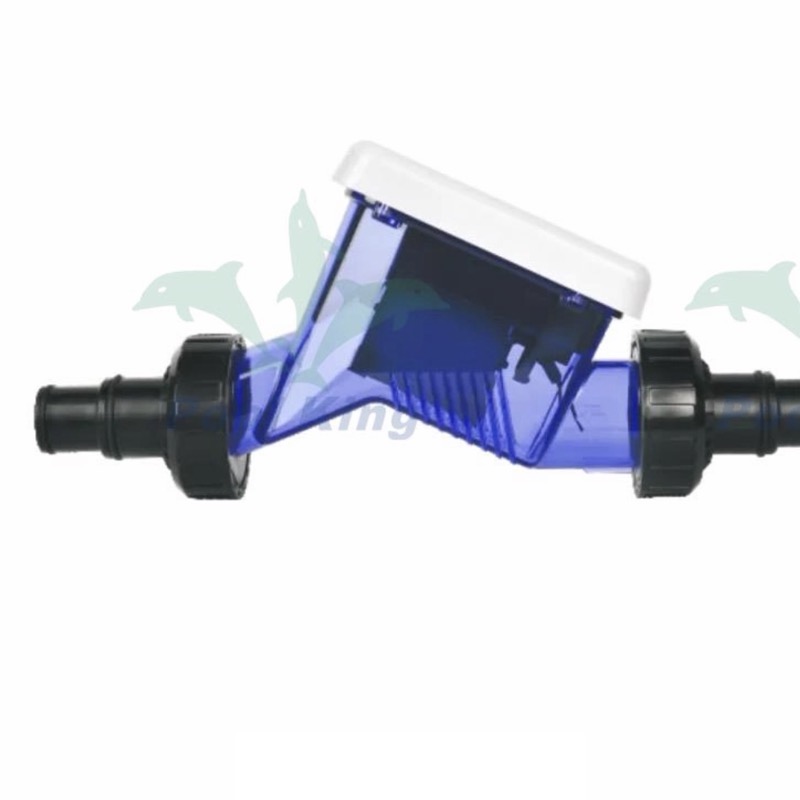
A salt water system does not replace your filter; it works alongside it to keep water clear and safe. The filter handles physical debris, while the salt system handles disinfection. [nationalpoolsandspas]
For commercial and high‑use pools, a typical configuration includes:
- Sand filters: The industry workhorse, ideal for hotels, water parks, and municipal pools that need robust, easy‑backwash systems. [poolking]
- Fiberglass or plastic sand filter tanks: Corrosion‑resistant housings that cope better with slightly saline water and aggressive environments than standard steel tanks. [alibaba]
- Cartridge filters: High‑efficiency, fine‑particle filtration for spas, therapy pools, and smaller commercial installations where water clarity and low noise are key. [maygopool]
- DE (diatomaceous earth) or specialty media: For premium clarity when ultra‑fine filtration is required, such as competition or showcase pools. [maygopool]
Manufacturers like Guangdong Poolking integrate these filter types with pumps, valves, and LED lighting to build complete filtration and circulation systems tailored to commercial pool loads. [alibaba]
One of the strongest user‑reported advantages of salt water pools is how the water feels on the body. Swimmers often describe salt‑chlorinated water as softer and "silkier," with fewer complaints of red eyes, itchy skin, or straw‑like hair than in many conventionally chlorinated pools. [poynterlandscape]
Because the system generates chlorine continuously at relatively stable levels, you avoid many of the shock treatments and heavy dosing that create harsh odors and irritation in some traditional pools. For commercial operators, this can translate into a more pleasant experience for families, older swimmers, and anyone with sensitive skin. [youtube]
Salt water systems still produce chlorine, but the process tends to yield fewer chloramines – the compounds responsible for the characteristic "chlorine smell" and eye irritation. Many long‑term users note that a well‑tuned salt system eliminates the heavy chemical odor around the pool deck. [forum.mavaquadoc]
From a branding and UX standpoint, a fresher‑smelling environment can be a real differentiator for hotels, gyms, and aquatic centers competing for repeat visits. Guests often perceive "no chlorine smell" as a proxy for "cleaner, higher‑quality water," even though sanitation levels remain compliant.
With a salt chlorine generator, chlorine is produced automatically as water passes through the cell, which reduces the need for constant manual chemical adjustments. Pool owners and operators frequently highlight the time savings from not handling multiple buckets or drums of chlorine, algaecides, and shocks each week. [reddit]
You still need to monitor salinity, pH, and free chlorine levels, but the system acts as a consistent baseline, so you are fine‑tuning instead of firefighting. For facilities managing several pools, this is a meaningful operational advantage. [poynterlandscape]
A salt water system usually costs more to install than a basic chlorine dosing setup, but many operators recover that difference over time. [pentair]
Upfront costs
- Salt chlorine generators typically range from a few hundred to several thousand dollars depending on pool size and commercial spec. [pentair]
- Additional components (control units, upgraded cells, compatible pumps and filters) add to the initial investment. [youtube]
Ongoing costs
- Bulk salt is generally cheaper than packaged chlorine products, and many users report only topping up salt once or twice per season after the initial charge. [reddit]
- Over several years, reduced chemical purchasing and handling can offset the higher upfront cost, especially in medium to large pools with heavy bather loads. [aquabluepools]
- Cells eventually require replacement, but this is typically a partial system cost rather than a full reinvestment. [youtube]
For commercial sites, the economics often favor salt water systems when you factor in chemical spend, staff time, and guest satisfaction over the life of the pool.
| Aspect | Salt water pool | Traditional chlorine pool |
|---|---|---|
| Primary sanitizer source | On‑site generator converting salt to chlorine | Manually added tablets, granules, or liquid chlorine |
| Water feel | Softer, silkier, less drying for skin and hair | Can feel harsher and more drying, especially at higher doses |
| Odor | Typically minimal "chlorine smell" when balanced | More likely to develop strong chemical odor if poorly maintained |
| Routine maintenance | Monitor salt, pH, and chlorine; generator automates dosing | Frequent manual dosing and testing of chlorine, pH, and alkalinity |
| Upfront system cost | Higher (generator + controls + compatible equipment) | Lower initial invest in basic chlorination hardware |
| Ongoing chemical cost | Typically lower due to cheaper salt and fewer supplemental chemicals | Higher ongoing spend on chlorine products and shock treatments |
| Equipment considerations | More attention to corrosion‑resistant materials and correct grounding | Broader range of equipment options; less salt‑specific protection needed |
Salt water is more corrosive than fresh water at the material interface, so poorly specified equipment can degrade faster if you ignore this factor. This is particularly relevant for metal fixtures, stonework, and unprotected steel components. [nationalpoolsandspas]
Manufacturers mitigate this by using fiberglass, high‑grade plastics, and corrosion‑resistant alloys in sand filter tanks, pumps, and fittings designed for salt systems. For operators, working with a supplier that understands salt water requirements reduces the risk of premature failures and aesthetic damage around the pool. [poolking]
Salt systems introduce electronics and cells that require specific troubleshooting skills and sometimes higher‑priced parts. While day‑to‑day operation is simpler, advanced repairs may need technicians trained on your particular controller and generator. [poynterlandscape]
To manage this, many commercial facilities standardize on a single brand or integrated system provider, ensuring consistent support, documentation, and spare parts availability. This approach shortens downtime and simplifies training for on‑site staff. [alibaba]
For a salt water pool to deliver its full benefits, filtration and hydraulics must be properly engineered. In high‑traffic facilities, undersized or inefficient filters quickly negate the perceived advantages of softer water and lower chemical use. [nationalpoolsandspas]
Manufacturers with long experience in commercial sand filters and related equipment design their products with:
- Optimized flow paths to minimize pressure loss while maintaining filtration efficiency.
- Robust internal laterals and manifolds that distribute water evenly through sand or alternative media.
- Material and coating selections that tolerate slightly saline water over many years. [poolking.en.made-in-china]
When you combine a well‑sized sand or cartridge filter with a correctly configured salt chlorine generator, you achieve consistently clear water, stable chemistry, and a smoother swimmer experience across seasons. [bobvila]
If you manage a commercial or semi‑commercial pool and are evaluating a salt water upgrade, you can follow a structured approach:
1. Assess your current infrastructure
Document your existing filters, pumps, piping, and control systems, noting their age, materials, and any corrosion history. [pentair]
2. Estimate bather load and usage patterns
Higher, more variable loads benefit more from automated disinfection, especially in hospitality or community settings. [poynterlandscape]
3. Model lifecycle costs
Compare a 5‑ to 10‑year cost profile, including chemicals, energy, equipment upgrades, and likely cell replacements. [aquabluepools]
4. Confirm equipment compatibility
Work with a filtration manufacturer that can specify salt‑ready sand or cartridge filters, pumps, valves, and fittings for your environment. [alibaba]
5. Plan commissioning and staff training
Incorporate clear operating procedures for salinity checks, cell cleaning, and routine water testing into your standard operating protocol. [reddit]
Behind every successful salt water installation is a reliable mechanical backbone. Manufacturers like Guangdong Poolking, with more than 20 years in pool filtration equipment and two modern production bases in Guangzhou and Taishan, specialize in matching filters, pumps, and accessories to different pool concepts and treatment technologies. [poolking.en.made-in-china]
By working directly with an experienced supplier, you can:
- Specify commercial sand filters, fiberglass and plastic sand filters, and cartridge filters appropriate for salt systems and your regional water quality. [poolking]
- Integrate LED underwater lights and fittings rated for slightly saline environments, lowering long‑term maintenance risk. [poolking.en.made-in-china]
- Access engineering support for hydraulics, media selection, and control logic that complements your salt chlorine generator. [poolking]
For owners, this translates into a more predictable total cost of ownership and a consistently better user experience at the water's edge.
Real‑world operators and homeowners share a few recurring best practices:
- Clean the cell regularly to prevent scale build‑up and maintain output, often every 2–3 months depending on hardness and usage. [reddit]
- Use reliable test kits or calibrated salt meters instead of trusting only built‑in display readings. [reddit]
- Manage drainage carefully when partially draining or backwashing, as salt‑rich water can damage nearby plants and soil. [reddit]
- Avoid over‑salting; if salt is too high, you may need to dilute with fresh water, increasing water usage and heating costs. [reddit]
When such habits are integrated into standard operating procedures, most users report that salt water pools are easier to live with than they initially expected. [forum.mavaquadoc]
Choosing between a traditional chlorine pool and a salt water system is not about "right or wrong," but about aligning technology with your facility's priorities. If you value softer water, a premium bather experience, and streamlined chemistry management, a salt water system paired with quality filtration equipment is often a strong fit. [bobvila]
On the other hand, if your primary focus is minimizing upfront capital expenditure and you have straightforward, low‑usage patterns, a conventional chlorinated system with robust sand or cartridge filtration may still serve you well. The best decision emerges from a balanced assessment of lifecycle costs, guest expectations, and technical support. [nationalpoolsandspas]
If you are planning a new commercial pool or upgrading an existing facility to salt water, now is the ideal time to re‑evaluate your filtration and circulation system. A well‑designed combination of commercial sand filters, fiberglass or plastic tanks, cartridge filters, pumps, and LED fittings will help your salt water pool perform at its full potential for years to come. [maygopool]
Work with an experienced manufacturer that understands both salt water chemistry and heavy‑duty filtration to configure a solution aligned with your pool size, bather load, and business goals. With the right partner, you can deliver consistently clear, comfortable water that keeps swimmers coming back. [poolking.en.made-in-china]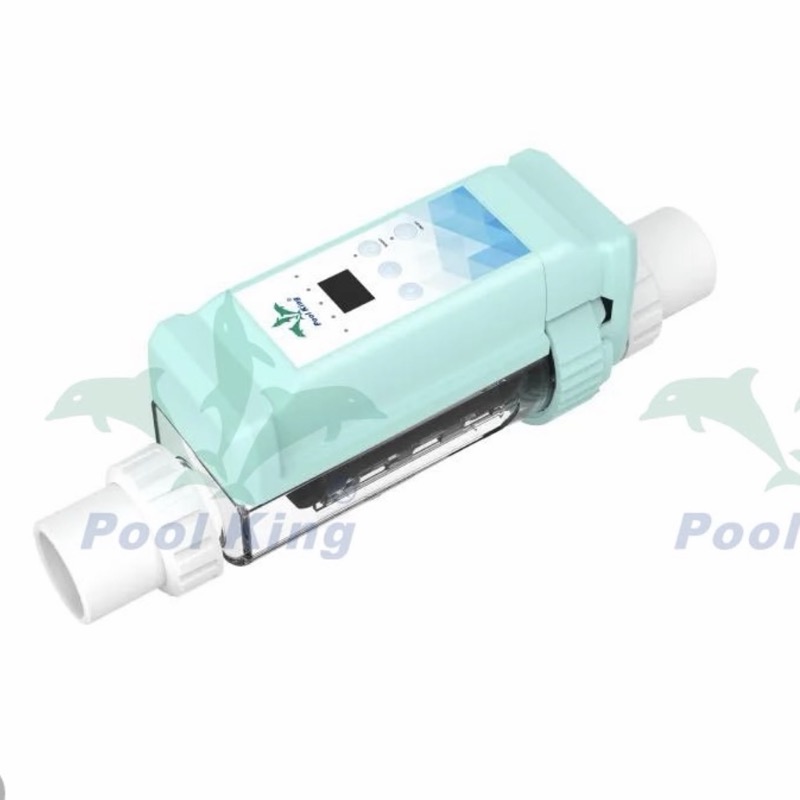
1. Does a salt water pool still use chlorine?
Yes. A salt water pool uses a generator to convert dissolved salt into chlorine, so the water is still chlorinated – the difference is that chlorine is produced automatically rather than added manually. [aquabluepools]
2. Will a salt water pool damage my pool equipment?
Poorly specified materials can corrode faster in slightly saline water, but filters, pumps, and fittings designed for salt systems – often using fiberglass, plastic, and corrosion‑resistant metals – are engineered to handle these conditions. [alibaba]
3. Are salt water pools cheaper to maintain than chlorine pools?
While salt systems typically cost more upfront, many operators spend less on chemicals over time because salt is cheaper than packaged chlorine and dosing is more consistent, reducing overuse. [youtube]
4. Do salt water pools require less maintenance?
They still require regular testing and basic care, but the generator automates a large part of chlorine dosing, which can reduce daily hands‑on work compared to manually chlorinated pools. [poynterlandscape]
5. Is a salt water system suitable for commercial pools?
Yes. Many commercial and hospitality pools now use salt systems combined with appropriately sized commercial sand or cartridge filters to balance swimmer comfort, water quality, and operating costs. [poolking]
1. Aqua Blue Pools. “5 Benefits of a Saltwater Pool.” https://www.aquabluepools.net/blog/swimming-pools/five-benefits-of-the-saltwater-pool/
2. Poynter Landscape. “Salt Water Pool vs Chlorine Pool: Which is Best for You?” https://www.poynterlandscape.com/salt-water-pool-vs-chlorine-pool/
3. Bob Vila. “The Pros and Cons of Saltwater Pools.” https://www.bobvila.com/articles/saltwater-pool/
4. Pentair. “Top Pros & Cons of Saltwater Pools.” https://www.pentair.com/en-us/about-pentair/newsroom/blog/saltwater-pool.html
5. National Pools & Spas. “Advantages & Disadvantages of Saltwater Pools in 2026.” https://www.nationalpoolsandspas.com/disadvantages-of-saltwater-pools/
6. Guangdong Poolking Filtration Equipment Manufacturing Co., Ltd. “Swimming Pool Sand Filters Suppliers & Manufacturers.” https://www.poolking.co/pool-sand-filter.html
7. Guangdong Poolking Filtration Equipment Manufacturing Co., Ltd. “Commercial Sand Filters for Swimming Pools.” https://poolking.en.made-in-china.com/product/YodmRDfOOThJ/China-Commercial-Sand-Filters-for-Swimming-Pools.html
8. Maygo Pool Equipment Manufacturer. “Pool Filters.” https://www.maygopool.com/products2119909/Pool-Filters.htm
9. Alibaba. “Professional Manufacturer Sand Filter Pool Equipment & Accessories 400–1200mm Swimming Pool Filter Pump.” https://www.alibaba.com/product-detail/Professional-Manufacturer-Sand-Filter-Pool-Equipment_1600474418932.html
10. Alibaba. “Factory Supply Swimming Pool Filtration System Pool Sand Filter PE Material Plastic Sand Filter Tank.” https://www.alibaba.com/product-detail/Factory-Supply-Swimming-Pool-Filtration-System_1601265707841.html


