
Views: 251 Author: Poolking Filter Equipment Publish Time: 2026-07-08 Origin: Site


Content Menu
● What Is Pool Water Alkalinity, Really?
● Why Alkalinity Matters More Than Most Owners Think
>> Comfort, safety and equipment protection
● Recommended Alkalinity Levels (With Expert Context)
● How Alkalinity Affects pH, Chlorine and Filtration Performance
>> The alkalinity–pH "ceiling" effect
>> Synergy with your filtration system
● Real‑World Signs Your Alkalinity Is Too Low
● When Alkalinity Is Too High: Hidden Long‑Term Costs
● Step‑by‑Step: How to Test Pool Alkalinity Like a Pro
● Practical Guide: Raising and Lowering Alkalinity Safely
● Integrating Filtration Hardware: How Poolking Supports Balanced Water
● Expert Tips From the Field: Keeping Alkalinity Stable All Season
● Actionable Maintenance Schedule for Pool Water Alkalinity
● Simple Pool Alkalinity Reference Table
● Clear Next Step: Align Alkalinity With Your Filtration System
● Frequently Asked Questions (FAQ)
Maintaining the right pool water alkalinity is one of the most overlooked, yet most powerful levers for crystal‑clear, comfortable water and long‑lasting equipment. Done correctly, it protects your surface finish, optimizes sanitization, and helps your filtration system – from sand filters to cartridge units – work at its best. [hayward]

Total alkalinity is the water's ability to resist rapid changes in pH, acting as a chemical "buffer" that keeps your pool stable. It's mainly driven by bicarbonates, carbonates and hydroxides dissolved in the water. [poolsure]
In practical terms, alkalinity is the foundation of water balance. When it sits in the recommended range of about 80–120 ppm for most pools, pH becomes much easier to control, chlorine works more predictably, and the risk of corrosion or scale is dramatically reduced. [ahperformance]
When alkalinity is within range, pH will generally hold between 7.2 and 7.8, which is ideal for swimmer comfort and chlorine efficiency. Balanced water: [hayward]
- Reduces eye and skin irritation.
- Minimizes corrosion of ladders, heaters, and metallic components.
- Prevents etching and staining of plaster, tiles or fiberglass shells. [smchealth]
Conversely, low alkalinity allows pH to swing up and down quickly, turning water aggressive and unpredictable. High alkalinity pushes pH upward, makes it difficult to adjust, and encourages cloudy water and scaling. [waterguru]
Most respected industry sources recommend keeping total alkalinity in the 80–120 ppm band for typical chlorine‑treated pools, with an acceptable wider range of 60–180 ppm depending on sanitizer type. Within this band: [poolsure]
- pH stability improves significantly.
- Chlorine remains effective without constant adjustments.
- Equipment life is extended, especially heaters and filters. [waterguru]
For commercial pools with heavy bather loads or specialized sanitizers, operators sometimes tighten the control window (for example, 100–140 ppm) to further stabilize pH during peak usage. [smchealth]
Think of total alkalinity as a ceiling and floor for pH. When alkalinity is correct, pH can only drift so far before buffered compounds neutralize the change, slowing down pH movement. This buffering: [ahperformance]
- Keeps pH from crashing when you add acidic chemicals.
- Stops pH from spiking excessively when you add high‑pH products.
Chlorine efficacy depends heavily on pH. At high pH, a smaller fraction of chlorine exists in its most active, germ‑killing form. By stabilizing pH, proper alkalinity indirectly keeps chlorine in its effective zone, lowering the total chemical demand over the season. [1stdirectpools]
Consistent alkalinity helps filtration systems perform more predictably:
- Sand filters (including commercial and fiberglass units) maintain more stable flow rates because scale and biofilm formation are reduced when water balance is controlled. [hayward-pool.co]
- Cartridge filters clog less quickly when pH and alkalinity prevent flocculation issues and excessive precipitation of minerals. [hayward-pool.co]
- DE filters retain their fine filtration performance longer when aggressive, low‑alkalinity water is avoided, reducing grid damage and premature wear. [hayward-pool.co]
For manufacturers like Guangdong Poolking, which design commercial and residential sand filters, cartridges and full filtration systems, this chemistry‑filtration alignment is central to delivering long equipment life and stable water quality. [poolking]
Pool technicians and experienced operators tend to recognize low alkalinity long before they test it. Common symptoms include: [hayward]
- Rapid pH swings from day to day, even with small chemical adjustments.
- Etched or rough pool surfaces, especially in plaster finishes.
- Metal corrosion on rails, ladders, light fixtures and heater components.
- Green or dull water despite adequate chlorine levels.
- Burning eyes and skin irritation among swimmers.
From an equipment manufacturer's perspective, aggressive low‑alkalinity water is a key root cause behind premature failure of metal fittings, pump seals and internal filter components. Keeping alkalinity in range is one of the simplest ways to safeguard your investment in filtration hardware. [ahperformance]
High alkalinity often feels "safer" to novice owners because pH doesn't crash easily. In reality, it introduces a different set of issues: [waterguru]
- Persistent cloudy water and scale formation on surfaces and inside pipes.
- Constant need for acid to push pH back down into range.
- Reduced chlorine effectiveness, meaning higher chemical bills and more frequent shock treatments.
Over years of field experience, commercial operators see that consistently high alkalinity adds up in energy, maintenance and chemical costs: heaters lose efficiency as scale builds, filters require more frequent backwashing, and circulation pumps operate under increased resistance. [smchealth]
From a user‑experience standpoint, alkalinity management should feel simple and repeatable. A good testing routine looks like this: [youtube]
1. Choose a reliable test method
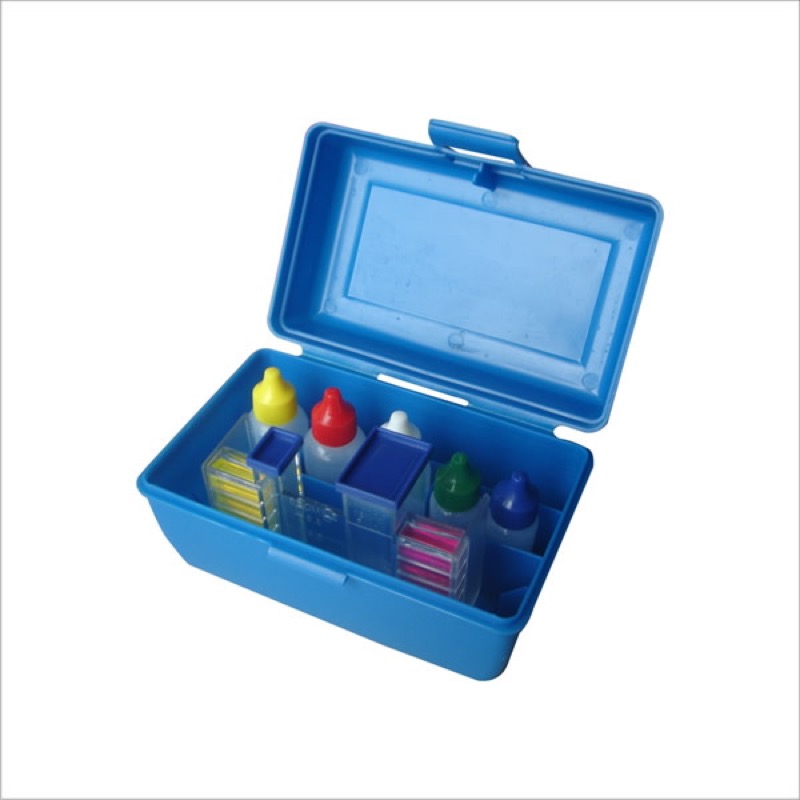
Use a liquid drop test kit or a calibrated digital tester specifically rated for total alkalinity.
2. Sample correctly
Collect water from elbow‑depth, away from returns, skimmers and chemical feeders.
3. Follow the kit's instructions closely
Shake reagents well, count drops accurately, and match colors in good lighting.
4. Record results in a log
Tracking readings weekly helps you spot trends and seasonal patterns.
5. Test at least once per week
Commercial pools or heavy‑use residential pools should test more frequently, especially during peak season.
Many professional operators integrate alkalinity testing into a standard water balance checklist (pH, free chlorine, alkalinity, calcium hardness and cyanuric acid), ensuring every visit uses the same, user‑friendly workflow. [1stdirectpools]
When total alkalinity drops below recommended levels, the standard correction approach is: [poolsure]
- Add sodium bicarbonate (baking soda) to increase alkalinity.
- Distribute the product around the perimeter while the pump is running.
- Adjust in stages, aiming for an increase of about 10–20 ppm at a time, then retest after several hours of circulation.
Some guidelines suggest that 1.5 lb of sodium bicarbonate can raise alkalinity by roughly 10 ppm in 10,000 gallons of water, making dosing calculations straightforward for operators. [smchealth]
To reduce high alkalinity, operators generally use controlled additions of acid: [hayward]
- Dose muriatic acid or dry acid carefully according to manufacturer instructions.
- Apply in a localized area with the pump running, avoiding contact with surfaces and fittings.
- Allow circulation, retest after several hours, and repeat with small corrections rather than large, single doses.
Because acid additions lower both pH and alkalinity, experienced technicians often use a deliberate sequence: adjust alkalinity first, then fine‑tune pH once alkalinity sits in its target range. [ahperformance]
As a manufacturer with over two decades in commercial pool sand filters, fiberglass sand filters, plastic sand filters and cartridge filters, Poolking designs equipment around real‑world water chemistry behavior. When alkalinity is correctly managed, our systems deliver: [poolking.en.made-in-china]
- Stable pressure and flow across sand and cartridge filters, reducing stress on filter media.
- Optimized dirt capture with less risk of channeling in large commercial sand filters.
- Extended life of internal components, seals and fittings exposed to treated pool water.
Our production bases in Guangzhou and Taishan City cover around 60,000 sqm of advanced manufacturing, allowing us to engineer integrated filtration solutions – filters, pumps, LED lights and fittings – that work together under properly balanced water conditions. For operators and facility managers, this combination of sound chemistry and robust filtration is what keeps pools consistently clear, safe and visually appealing. [poolkingfilter]
Drawing on years of commercial pool operations and manufacturer feedback, several practical habits stand out: [1stdirectpools]
- Make alkalinity the first adjustment whenever you address water balance.
- Avoid large chemical swings; small, frequent corrections keep both pH and alkalinity in line.
- Factor in local source water – some regions supply water with naturally high or low alkalinity, which should shape your dosing strategy.
- Educate staff and owners on the role of alkalinity so they don't chase pH changes blindly.
By treating alkalinity as a core control variable, rather than a secondary reading, operators report fewer emergencies, lower annual chemical bills and more predictable equipment performance. [waterguru]
For most pools, a simple, user‑centric schedule can dramatically improve stability: [hayward-pool.co]
- Weekly: Test and record alkalinity alongside pH and chlorine.
- Monthly: Review trends and adjust target ranges if recurring drift appears.
- Seasonally: Re‑evaluate alkalinity after major refills, heavy rains or opening/closing procedures.
- After major chemical events (shock, algaecides, large acid doses): Retest alkalinity within 24 hours and correct if needed.
Owners using advanced filtration and circulation – including high‑efficiency commercial sand filters and multi‑speed pumps – typically find that this routine keeps water consistently comfortable and reduces unexpected downtime. [hayward-pool.co]
| Parameter | Recommended value | Typical impact on pool water |
|---|---|---|
| Total alkalinity (standard) | 80–120 ppm | Best balance of pH stability and chlorine efficiency. (hayward) |
| Acceptable wider range | 60–180 ppm | Used for specialized sanitizers or commercial settings. (poolsure) |
| Low alkalinity | <70–80 ppm | Rapid pH swings, corrosion, etching, irritation. (hayward) |
| High alkalinity | >140–220 ppm | Cloudy water, scale, difficult pH control. (hayward) |
| Ideal pH with balanced TA | 7.2–7.8 | Comfortable swimming and effective chlorination. (hayward) |
If you manage a commercial facility or own a high‑end residential pool, now is the ideal time to audit your alkalinity routine and filtration hardware together. Ensuring total alkalinity consistently sits in the recommended range will make every component – from Poolking commercial sand filters and cartridge filters to pumps and LED fittings – perform closer to design specifications, delivering safer and more enjoyable water all season. [poolkingfilter]
For facility managers and builders planning upgrades, consider pairing a clear alkalinity management plan with a comprehensive filtration solution engineered for your pool's size, usage pattern and water source. That combination provides long‑term protection for structures, equipment and users.

1. How often should I test pool alkalinity?
Most pools benefit from alkalinity testing at least once per week, with more frequent checks during heavy use or after major chemical adjustments. [1stdirectpools]
2. Can I just focus on pH and ignore alkalinity?
No. Alkalinity is the buffer that stabilizes pH; if alkalinity is out of range, pH control becomes inconsistent and chlorine may not work effectively. [hayward]
3. What's the quickest way to raise low alkalinity?
Adding measured doses of sodium bicarbonate (baking soda) while the pump is running is the standard, controlled method to increase alkalinity. [poolsure]
4. Why does my pool stay cloudy even when chlorine is fine?
High alkalinity can keep pH elevated, encourage scale and cloudiness, and reduce chlorine's effectiveness, all of which contribute to persistent haze. [waterguru]
5. How do Poolking filtration systems help with water balance?
By combining well‑designed sand and cartridge filters with pumps and fittings sized to pool conditions, Poolking systems support stable circulation and make it easier to maintain balanced, clear water when alkalinity is properly controlled. [poolking]
1. Hayward – "What You Need to Know About Pool Water Alkalinity" – https://hayward.com/blog/post/what-you-need-to-know-about-pool-water-alkalinity
2. Poolsure – "Pool Chemical Basics: Water Alkalinity (TA, ALK)" – https://poolsure.com/archives/pool-alkalinity/
3. AH Performance – "Total Alkalinity: the First Step Toward Balanced Pool Water" (PDF) – https://www.ahperformance.com/media/alkalinity-first-infographic/
4. WaterGuru – "Why It's Important to Keep Pool pH & Alkalinity Balanced" – https://waterguru.com/blogs/blog/ph-alkalinity-balance
5. 1st Direct Pools – "A Guide to Swimming Pool Alkalinity" – https://www.1stdirectpools.com/blog/post/guide-swimming-pool-alkalinity
6. San Mateo County – "Guidelines for Proper Pool Balance" (PDF) – https://www.smchealth.org/sites/main/files/file-attachments/104323292guidelines_for_proper_pool_balance.pdf
7. Hayward – "Pool Water Balance: pH, TA and TH" – https://www.hayward-pool.co.uk/article/maintenance-of-my-pool/understanding-water-balance
8. Poolking – "Swimming Pool Sand Filter System" – https://www.poolking.co/pool-sand-filter.html
9. Poolking – "Top 10 Sand Filter Manufacturers in China" – https://www.poolkingfilter.com/top-10-sand-filter-manufacturers-in-china.html


