
Views: 272 Author: Poolking Filter Equipment Publish Time: 2026-07-05 Origin: Site


Content Menu
● What Is Salt Chlorination and How Does It Work?
● Why Are So Many Pools Switching to Salt Systems?
>> Comfort and user experience
>> Cost and operational efficiency
● How Salty Is a Salt Pool Really?
● Key Components: Filters, Pumps, and Salt Cells Working Together
● Biggest Questions Pool Owners Ask About Salt Chlorination
>> 1. Is a salt pool still a chlorine pool?
>> 2. Will salt damage my pool surfaces or equipment?
>> 3. How much maintenance does a salt system really need?
>> 4. What are the most common problems with salt chlorinators?
● Industry Insight: Salt Systems in Commercial vs. Residential Pools
● Step‑by‑Step Guide to Converting to a Salt Pool
● Expert Tips to Extend Salt Cell and Filter Life
● How Advanced Commercial Sand Filters Support Salt Pools
● Salt Chlorination vs. Traditional Chlorination: At‑a‑Glance
● Final Thoughts: Designing Salt Pool Systems with Filtration in Mind
● Call to Action: Plan Your Next Salt Pool Project with Integrated Filtration
● Frequently Asked Questions (FAQ)
Salt chlorination has completely changed the way many commercial and high-end residential pools are sanitized, and as a manufacturer of advanced pool filtration systems, we see firsthand how the right combination of filters and salt systems can transform day‑to‑day maintenance. In this in‑depth guide, I will walk you through the biggest questions pool owners ask about salt chlorination, while adding practical insights from the perspective of Guangdong Poolking's 20+ years in commercial pool filtration manufacturing. [ca.hayward]
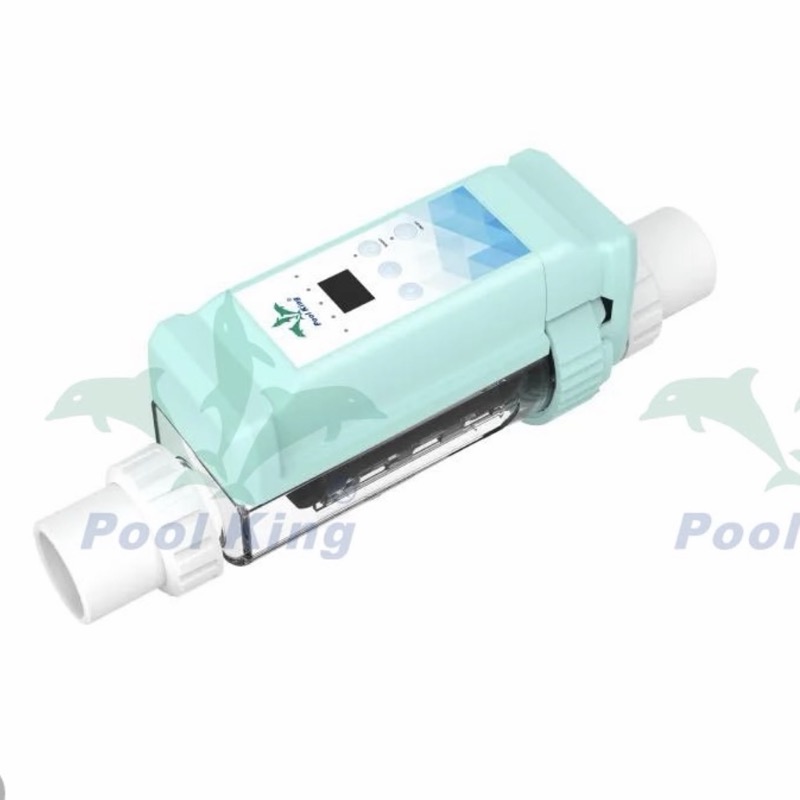
Salt chlorination is a pool sanitization method where dissolved salt in the pool water is converted into chlorine by an electrolytic cell installed in the circulation system. Instead of manually adding solid or liquid chlorine, the system continuously generates chlorine as water flows through the cell, keeping the pool sanitized with far less day‑to‑day handling of chemicals. [prestigepoolsandspas]
From a technical standpoint, salt is added to the pool to reach a target range (typically around 3,000 ppm for many systems), then circulated through the salt cell where electrolysis converts the chloride ions into free chlorine. The chlorinated water returns to the pool, destroys contaminants, and ultimately reverts back into salt, creating a closed loop that only requires periodic salt top‑ups. [hayward-pool.co]
Salt systems are popular because they deliver clean water without many of the unpleasant side‑effects associated with traditionally dosed chlorine. Users often describe salt pools as having water that feels softer on the skin, with noticeably fewer complaints of eye irritation and strong "chlorine smell" around the pool deck. [ca.hayward]
For commercial operators, this comfort factor translates into higher guest satisfaction and longer dwell time in the water, especially in hotels, water parks, and health clubs where bather load is high and user reviews directly impact revenue. [poolkingfilter]
Many manufacturers report that properly set up salt systems can cut chemical costs by as much as 50% compared with conventional chlorine programs, depending on local chemical prices and pool usage patterns. Since the system generates chlorine continuously, you also reduce emergency runs for chemicals and minimize dosing mistakes that lead to over‑chlorination, wasted product, and customer complaints. [prestigepoolsandspas]
For facilities that already operate with professional circulation and sand filtration equipment, salt systems can integrate seamlessly into existing plumbing, leveraging your pump and filter loop for efficient sanitization with minimal incremental energy cost. [poolking.en.made-in-china]
One of the most persistent myths is that salt pools feel like the ocean. In reality, the salinity of a typical salt‑chlorinated pool is much lower than seawater and even lower than human tears. Many popular salt systems operate around 3,000 ppm salt, while a human tear is roughly 9,000 ppm, and ocean water can exceed 30,000 ppm. [ca.hayward]
In practice, most swimmers do not notice a "salty" taste in the water; instead they report that the water feels smoother and less harsh on skin and hair compared with traditionally chlorinated pools. When paired with an efficient sand or cartridge filter that keeps fine particles under control, the overall feel of the water is typically clearer and more pleasant. [poolkingfilter]
Salt chlorination is not a stand‑alone solution; it works best as part of an integrated circulation and filtration system. From an engineering point of view, three elements must be in sync: hydraulics (pumps), filtration (filters), and sanitization (salt cell and control). [poolking.en.made-in-china]
- Pool filters (sand, DE, cartridge) remove suspended solids and protect the salt cell from excessive debris that can shorten its life. [poolkingfilter]
- High‑efficiency pumps drive consistent flow through the filter media and the electrolytic cell, ensuring stable chlorine production. [poolking.en.made-in-china]
- Salt chlorinator systems monitor salinity, temperature, and production output to maintain the right free chlorine residual for the pool's usage profile. [hayward-pool.co]
With over 60,000 sqm of production space in Guangzhou and Taishan City, Poolking engineers design fiberglass and plastic sand filters, cartridge filters, and pumps specifically for stable, commercial‑grade circulation that pairs well with modern salt chlorination systems. [poolking]
Yes. Salt pools are still chlorine pools; the difference is the delivery method. Instead of manually adding pool chlorine, the salt system converts dissolved salt into chlorine on‑site, in real time. [prestigepoolsandspas]
For operators, this means you still need to monitor free chlorine, combined chlorine, pH, alkalinity, and cyanuric acid, just as you would in any chlorinated system. The advantage is that your sanitizer is supplied more steadily, with fewer sharp peaks and drops caused by hand dosing. [ca.hayward]
At normal operating levels, salt chlorinated pools use only a fraction of the salt found in seawater, and properly designed systems are compatible with modern pool surfaces and components. However, prolonged operation with excessively high salt levels can increase corrosion risk for some metals, deck anchors, railings, and poorly protected fittings. [hayward-pool.co]
This is why a good system design includes:
- Correct salt concentration monitoring
- Properly bonded and grounded metallic components
- Filter tanks, pumps, and fittings built with corrosion‑resistant materials such as fiberglass, engineered plastics, and suitable coatings. [poolkingfilter]
Commercial filter manufacturers like Poolking use fiberglass and high‑grade plastics in sand filters and housings to maintain structural stability and corrosion resistance in salt environments. [poolking.en.made-in-china]
Salt systems are often marketed as "set it and forget it," but in professional practice you still need a structured maintenance program. Regular tasks include periodic testing of salt concentration, free chlorine, pH, and stabilizer, along with routine cell inspection and cleaning. [hayward-pool.co]
Common best practices include:
- Testing water chemistry at least 2–3 times per week during peak season
- Cleaning the salt cell when scale or deposits appear, often once per season in moderate conditions
- Backwashing or cleaning the main filters based on pressure rise, bather load, and water clarity
- Inspecting pump baskets, strainers, and valves to ensure reliable flow through the cell. [prestigepoolsandspas]
From a filtration perspective, oversized commercial sand filters and well‑matched pumps reduce stress on the salt cell by maintaining stable flow and reducing debris load. [poolkingfilter]
Search and service data show that the most frequently reported issues involve low chlorine output and system alarms linked to water chemistry or flow conditions. Typical root causes include: [pooldial]
- Low salt level, often below the manufacturer's minimum threshold
- High salt level beyond the acceptable range
- Poor water temperature conditions (e.g., below 70°F for some systems)
- Insufficient stabilizer (cyanuric acid) leading to rapid chlorine loss
- Restricted or low flow through the cell. [hayward-pool.co]
In many cases, a structured troubleshooting checklist—starting with salinity, water temperature, and flow—resolves the majority of "no chlorine" complaints without replacing hardware. Integrating these checks into the same workflow you use to monitor filter pressure and backwash frequency is an efficient way to manage the whole system. [prestigepoolsandspas]
From a manufacturing and project perspective, salt chlorination delivers the clearest ROI in medium‑to‑large residential pools, hotel pools, wellness centers, and commercial facilities with stable, predictable bather loads. The combination of lower chemical handling, smoother bather experience, and improved brand perception often justifies the upfront investment. [ca.hayward]
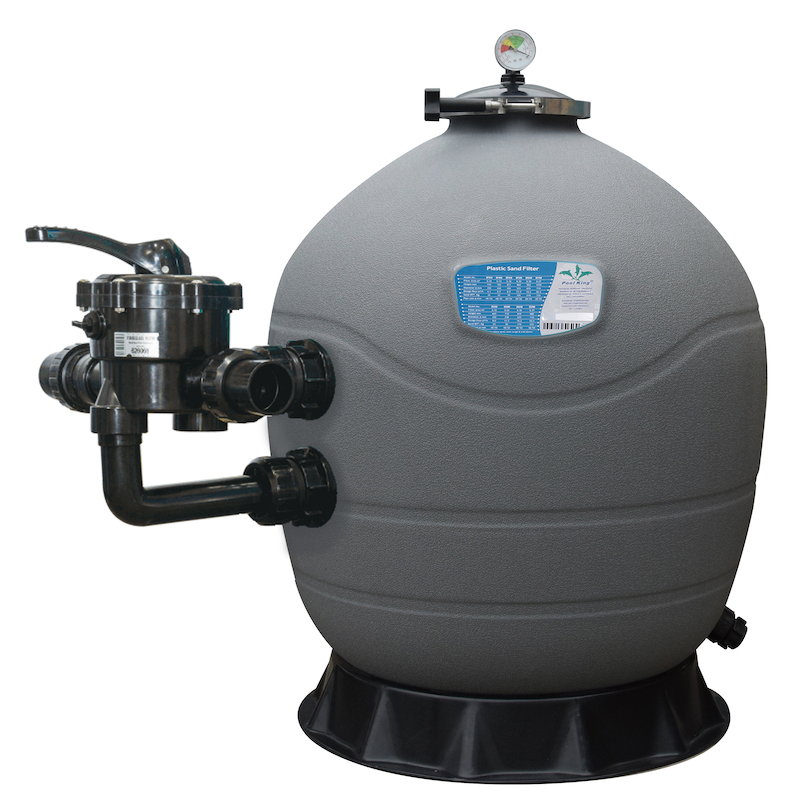
In large complexes or aquatic centers, we see salt systems increasingly paired with robust commercial sand filters—often fiberglass vessels sized from about 1.2 m to 3 m in diameter—to ensure adequate turnover and clarity under high demand. When engineered correctly, these installations provide reliable water quality for competitive swimming, leisure, and therapy usage while keeping maintenance workflows manageable. [poolking.en.made-in-china]
If you are operating a traditionally chlorinated pool and considering conversion to a salt system, a methodical approach reduces downtime and protects your assets. Below is an example framework commonly used by professional installers and facility managers. [ca.hayward]
1. Audit your existing system
Review pool volume, current pump and filter specifications, plumbing layout, and electrical capacity. Confirm that your filter's flow rate and your pump's performance can support the salt cell's required minimum and maximum flow. [poolkingfilter]
2. Select a properly sized salt chlorinator
Choose a system rated for at least the full pool volume, and in commercial applications, consider upsizing to accommodate heavier bather loads and extended operating hours. [swimfastlane]
3. Prepare water and equipment
Balance pH, alkalinity, and stabilizer, and ensure your sand or cartridge filters are clean before adding salt. Verify that vulnerable metal components are appropriately bonded and, if needed, upgraded to more corrosion‑resistant materials. [prestigepoolsandspas]
4. Add and dissolve salt
Add the recommended amount of pool‑grade salt while the circulation system is running, brushing the floor to help dissolution and avoiding piles of salt lingering on surfaces. [hayward-pool.co]
5. Install and commission the cell and control
Mount the cell in the return line after the filter and heater, according to manufacturer guidelines, and connect the control module to a suitable power source. Set an initial production percentage (commonly around 50%) and fine‑tune after testing free chlorine over several days. [ca.hayward]
6. Integrate into your maintenance schedule
Update your daily, weekly, and seasonal maintenance checklists to include salt system inspection, cell cleaning, and documentation of salinity and output adjustments. [hayward-pool.co]
When this process is coordinated with your filtration upgrade—such as transitioning to higher‑capacity fiberglass sand filters—you gain the full benefit of modern water treatment: stable sanitizer levels, clear water, and more predictable operating costs. [poolking.en.made-in-china]
From a long‑term asset management perspective, extending the lifespan of both salt cells and filters is critical to controlling total cost of ownership. Based on field experience and manufacturer guidance, three factors matter most: water balance, flow, and cleaning discipline. [poolkingfilter]
- Keep calcium hardness and pH within recommended ranges to minimize scale formation inside the cell and within filter tanks. [prestigepoolsandspas]
- Avoid chronic low‑flow conditions that cause error codes and uneven wear on the cell plates; this often requires matching pump performance and filter size correctly. [poolking.en.made-in-china]
- Use proper cleaning procedures and intervals, avoiding overly aggressive acid treatments that can shorten cell life, and follow the manufacturer's recommendations for sand media replacement or cartridge changes. [hayward-pool.co]
Manufacturers that design integrated systems—filters, pumps, and related fittings under one quality framework—can help operators standardize parts, simplify maintenance, and control lifecycle cost more effectively. [poolkingfilter]
In salt‑chlorinated installations, filtration quality directly influences how stable and clear the water remains—and how efficiently the salt system performs. Commercial‑grade sand filters with larger diameters and carefully engineered internal laterals provide lower filtration velocity, better dirt capture, and longer filter cycles. [ca.hayward]
Key advantages of pairing salt systems with high‑quality fiberglass or plastic sand filters include:
- Improved clarity with fine‑particle capture before water reaches the salt cell, reducing fouling
- Lower head loss for more stable flow and consistent chlorine generation
- Corrosion resistance thanks to composite materials designed for long‑term operation in chlorinated and salt environments. [poolking.en.made-in-china]
Guangdong Poolking, for example, operates modern production facilities in Guangzhou and Taishan City to manufacture a wide range of sand filters—commercial and residential—in sizes and configurations suitable for hotels, public pools, and private villas, often integrated with LED lighting, pumps, and other equipment for complete system packages. [poolking]
| Aspect | Salt chlorination | Traditional chlorination |
|---|---|---|
| Primary sanitizer | Chlorine generated from dissolved salt (ca.hayward) | Manually added liquid, granular, or tablet chlorine (ca.hayward) |
| User comfort | Softer water feel, reduced odor and irritation reports (ca.hayward) | More frequent complaints of smell and eye/skin irritation if dosing is uneven (ca.hayward) |
| Operating cost | Often up to ~50% chemical savings over time, depending on usage and pricing (ca.hayward) | Lower initial equipment cost, but ongoing chemical spend and handling (ca.hayward) |
| Maintenance pattern | Regular cell inspection, salinity checks, water balance, filter cleaning (hayward-pool.co) | Frequent chemical handling, storage, and precise manual dosing (ca.hayward) |
| Best fit | Medium‑to‑large residential and commercial pools with stable circulation systems (ca.hayward) | Any pool, especially where upfront budget is tight and operators accept higher manual input (ca.hayward) |
Salt chlorination is a powerful sanitization technology, but it only delivers its full value when paired with well‑engineered filtration and circulation. As a manufacturer focused on commercial pool sand filters, fiberglass sand filters, plastic sand filters, cartridge filters, pumps, LED lights, and fittings, Poolking sees the best outcomes when projects treat the salt system as one part of a holistic water treatment design rather than a stand‑alone upgrade. [poolking]
Whether you are an OEM partner, contractor, or facility owner, aligning the sizing of your filters and pumps with the requirements of your salt chlorinator results in clearer water, more satisfied swimmers, and more predictable operating costs over the life of the installation. [ca.hayward]
If you are planning a new salt‑chlorinated pool or upgrading an existing one, now is the time to rethink your filtration and circulation strategy as a unified system. By combining a properly sized salt chlorination unit with robust commercial or residential sand filters, cartridge filters, and high‑efficiency pumps, you set your project up for long‑term clarity, comfort, and cost control. [poolkingfilter]
For OEMs, distributors, and project contractors seeking reliable manufacturing support, working with a specialist in pool filtration equipment ensures that your salt systems are backed by durable filters, pumps, and accessories built for demanding environments. [poolking]
Q1: Do I still need a high‑quality filter if I use a salt system?
Yes. Salt systems sanitize the water, but filters remove physical contaminants; a high‑quality sand or cartridge filter remains essential for clear, healthy water. [poolking.en.made-in-china]
Q2: How often should I replace the salt cell?
Most cells are designed for several years of service, but real lifespan depends on water balance, operating hours, and cleaning discipline; regular inspection and proper chemistry management significantly extend cell life. [prestigepoolsandspas]
Q3: Can I use a salt system in a commercial pool with high bather load?
Yes, many hotels, resorts, and public pools successfully operate salt systems, provided the chlorinator is correctly sized and paired with commercial‑grade filtration and circulation equipment. [ca.hayward]
Q4: Will a salt system eliminate the need for manual testing?
No. You must still test and record parameters such as free chlorine, pH, alkalinity, stabilizer, and salinity regularly to maintain safe water and protect equipment. [hayward-pool.co]
Q5: Is it complicated to convert an existing chlorinated pool to a salt system?
Conversion is straightforward when handled systematically: audit the existing system, size the chlorinator, balance water, add salt, install the cell, and integrate checks into your maintenance schedule. [prestigepoolsandspas]
- Hayward Pool Products. "The Biggest Questions About Salt Chlorination." Retrieved from
[https://ca.hayward.com/blog/post/the-biggest-questions-about-salt-chlorination] [ca.hayward]
- Hayward. "Q&A AquaRite®+ – Frequently Asked Questions." Retrieved from
[https://www.hayward-pool.co.uk/frequently-asked-questions/aquarite] [hayward-pool.co]
- Prestige Pools and Spas. "Hayward AquaRite Salt System FAQ's." Retrieved from
[https://www.prestigepoolsandspas.com/news/hayward-aquarite-salt-system-faqs/] [prestigepoolsandspas]
- Pooldial. "Most Common Salt Chlorinator Problems in 2026: Search Data Report." Retrieved from
[https://pooldial.com/resources/articles/business/most-common-salt-chlorinator-problems-2026] [pooldial]
- Swim Fastlane. "The 14 Best Pool Salt Chlorinators of 2025 – Keep Your Pool Crystal Clear." Retrieved from
[https://swimfastlane.com/vetted/best-pool-salt-chlorinators/] [swimfastlane]
- Guangdong Poolking Filtration Equipment Manufacturing Co., Ltd. "About Us." Retrieved from
[https://www.poolkingfilter.com/about-us.html] [poolkingfilter]
- Guangdong Poolking Filtration Equipment Manufacturing Co., Ltd. "Commercial Sand Filters for Swimming Pools." Retrieved from
[https://poolking.en.made-in-china.com/product/wKunCdQTEHco/China-Commercial-Sand-Filters-for-Swimming-Pools.html] [poolking.en.made-in-china]
- Poolking. "About Us." Retrieved from


