
Views: 222 Author: Tina Publish Time: 2025-10-29 Origin: Site


Content Menu
● What is a Pool Filter and Why It Matters
>> Sand Filters
● Diatomaceous Earth (DE) Filters
● Pool Filter Comparison Table
● How to Choose Your Pool Filter
● OEM Pool Filter Manufacturing
● Installation and Maintenance Tips
>> 1. Which pool filter captures the smallest particles?
>> 2. How often should I replace the filter media?
>> 3. Does backwashing use a lot of water?
>> 4. What is the average lifespan of a pool filter?
>> 5. Are DE filters safe to handle?
A pool filter is an indispensable component of any swimming pool system, ensuring the water remains clean, clear, and safe to swim in. By removing dirt, debris, oils, and microscopic contaminants, a pool filter allows pool sanitizers such as chlorine to work efficiently, preventing the growth of harmful bacteria and algae. Choosing the best pool filter depends on multiple factors including pool size, maintenance preferences, water clarity requirements, and budget. This article provides an in-depth, comprehensive comparison of the three primary types of pool filters—sand, cartridge, and diatomaceous earth (DE)—detailing their operation, advantages, disadvantages, maintenance, and suitability. Supporting images and videos illustrate key points to aid decision-making. For brands and wholesalers searching for reliable OEM partners, it also highlights key production and quality considerations accompanying advanced manufacturing of these filtration products.
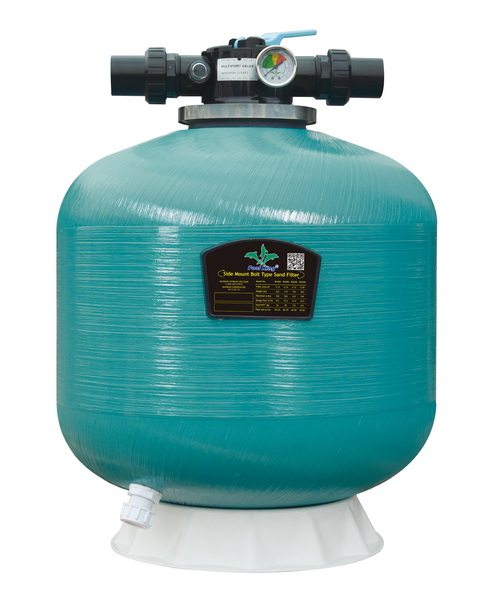
Pool filters clean pool water by trapping particulates and preventing their recirculation. Without proper filtration, pools quickly become cloudy and unsafe due to accumulated contaminants and algae. A filter's efficiency and media type directly influence water clarity, pool health, and chemical consumption. Effective filtration reduces sanitizer overload, extends equipment lifespan, and ensures a pleasant swimming experience.
The market offers three primary filtration systems, each with distinct operating principles, performance characteristics, and maintenance profiles:
Sand filters use a large tank filled with special filter-grade silica sand. Pool water is pumped through this sand bed, where dirt, debris, and particulates get trapped between sand grains. The cleaned water then recirculates to the pool. Sand filters typically remove particles around 20–40 microns in size.
Advantages:
- Economical initial cost and low ongoing expenses
- Easy to operate with simple backwashing to flush trapped dirt
- Effective for large volume pools handling high water flow rates
- Long lifespan of filter media (3 to 5 years before sand replacement)
Disadvantages:
- Less efficient at capturing fine particles causing slight water cloudiness
- Periodic water-intensive backwashing required
- Bulkier units may require more installation space
Cartridge filters employ a pleated polyester or polypropylene cartridge element inside a pressure vessel. Water flows through the cartridge which traps smaller particles than sand filters, often filtering particles down to 10–20 microns.
Advantages:
- Superior filtration efficiency for finer dirt and debris
- Compact design suitable for smaller to medium-sized pools
- Requires no backwashing, saving water; simple manual cartridge rinsing
- Longer time between replacements (2–3 years typical)
Disadvantages:
- Higher upfront cost than sand filters
- Cartridges must be regularly removed, cleaned, and eventually replaced
- Cartridge disposal and replacement costs add to maintenance overhead
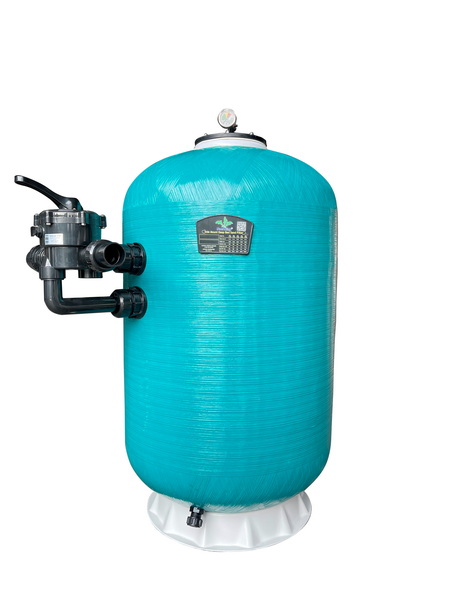
DE filters are considered the gold standard in pool filtration. They use grids coated with a fine powder called diatomaceous earth, the fossilized remains of microscopic aquatic organisms. The powder's porous structure captures extraordinarily fine particles, down to 2–5 microns or smaller, delivering the clearest water.
Advantages:
- Highest filtration precision yielding crystal clear pools
- Effective against microscopic contaminants and algae spores
- Suitable for medium and large pools requiring top water quality
Disadvantages:
- Most expensive type upfront and in maintenance costs
- Requires frequent backwashing and replenishment of DE powder
- Handling of DE powder must be done carefully due to health concerns
- Disposal of DE backwash water may be subject to environmental regulations
| Filter Type | Particle Size Filtered | Maintenance | Water Use | Initial Cost | Best For |
|---|---|---|---|---|---|
| Sand | 20–40 microns | Backwash regularly | Higher | Low | Large pools, budget-conscious owners |
| Cartridge | 10–20 microns | Manual cleaning | Low | Medium | Small to medium pools, eco-friendly users |
| Diatomaceous Earth (DE) | 2–5 microns | Backwash + powder refill | Medium | High | Pools needing outstanding water clarity |
Choosing the right filter depends heavily on your needs:
- Maintenance Preference: Sand filters require backwashing; cartridge filters need manual cleaning without water wastage; DE filters mandate both backwashing and powder replacement.
- Water Clarity: DE filters offer the best clarity, followed by cartridges, then sand.
- Pool Size: Large commercial or heavily used pools often favor sand or DE for volume, while residential pools may prefer cartridge or sand.
- Budget: Sand filters are easiest on the pocket initially, cartridge filters balance cost and performance, and DE filters are most costly overall but deliver premium water quality.
- Environmental Impact: Cartridge filters conserve water by eliminating backwashing; consider local water use regulations.
For brands and wholesalers seeking OEM suppliers, partnering with a Chinese factory utilizing intelligent automated machinery ensures production of top-quality pool filters such as sand filters, cartridge filters, and DE filters, plus complementary water pumps, LED lighting, and accessories. Leading factories offer customization, high precision, quality control, and timely delivery for global export demands. The use of advanced filtration media and integrated design optimizes product performance and longevity, meeting international standards and client branding requirements.
Proper installation ensures optimal filter function. A correctly sized filter relative to pool volume and pump pressure improves efficiency. Professionals should verify plumbing connections to prevent leaks and maintain correct flow rates.
- Monitor pressure gauges; clean or backwash filters once pressure rises 8–10 psi above baseline.
- Replace sand every 3-5 years, cartridges every 2-3 years, DE powder after each backwash.
- Inspect filter media periodically for wear, tears, or clogging.
- Maintain balanced pool chemistry to prevent algae and scale buildup within the filter system.
- Run filters daily for 8–12 hours during swimming season or more if addressing water quality issues.
Selecting the best pool filter balances water clarity, maintenance effort, cost, and pool size. Sand filters excel in affordability and ease of use for large pools but offer moderate clarity. Cartridge filters provide efficient fine filtering and low water waste, fitting most residential pools well. DE filters provide the highest quality water filtration but require diligent upkeep and incur higher costs. For OEM partnerships, choosing a technology-savvy manufacturer who delivers reliable, premium-quality pool filtration systems supports brand success and international market demands.
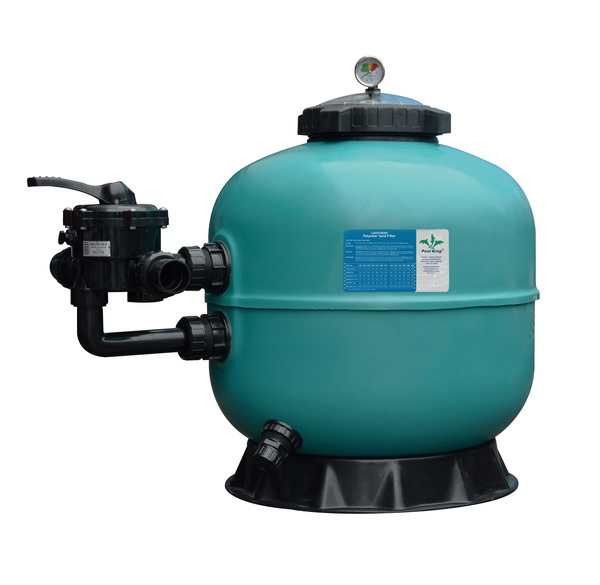
Diatomaceous earth (DE) filters trap particles as small as 2–5 microns, outperforming other filter types in water clarity.
Sand media lasts 3–5 years; cartridge filters 2–3 years; DE powder must be replenished after every backwash, with grids lasting up to 10 years.
Sand and DE filters require water backwashing to flush out debris, increasing water consumption. Cartridge filters do not need backwashing, conserving water.
With proper maintenance, sand filters can last 7+ years, cartridge filters 5+ years, and DE filters about 5–10 years depending on grid care.
Yes, but inhaling DE powder can be harmful. Use protective gear and follow manufacturer safety instructions when handling and replenishing.
[1](https://www.gpspoolstore.com/different-types-of-pool-filters/)
[2](https://www.freshwatersystems.com/blogs/blog/what-is-the-best-type-of-pool-filter)
[3](https://intheswim.com/blog/beginners-guide-to-swimming-pool-filters.html)
[4](https://www.mtlakepool.com/2024/07/21/choosing-the-right-filter-for-your-pool-a-comprehensive-guide/)
[5](https://www.doheny.com/help/diy-how-to-select-a-pool-filter)
[6](https://www.swimindays.com/blog/The-Complete-Guide-to-Swimming-Pool-Water-Filtration:-Everything-You-Need-to-Know)
[7](https://spspoolcare.com/blog/understanding-pool-filters-a-comprehensive-guide/)
[8](https://www.jdesigns.com/blog/pool-filters-101-choosing-the-best-filtration-system-for-your-pool)
[9](https://pinchapenny.com/pool-life/swimming-pool-filter-buyers-guide)


