


Content Menu
● Introduction: The Critical Role of Pool Pumps
>> Pentair
>> Hayward
>> Zodiac
>> Astral
>> Jacuzzi
● Sizing Your Pool Pump: Key Calculations
>> High-Head vs. Medium-Head Pumps
>> Self-Priming vs. Non-Priming
● Installation Guide and Maintenance Tips
● Advanced Features & Smart Pump Technology
● Energy Savings and Regulatory Trends
>> Regulations
● Frequently Asked Questions (FAQ)
>> 1. How do I choose the best pump size for my pool?
>> 2. Is a variable-speed pump worth the investment?
>> 3. What is Total Dynamic Head (TDH), and why does it matter?
>> 4. Can I install a pool pump on my own?
>> 5. How often should my pool pump be serviced?
Choosing the best pool pump is one of the most important decisions for any pool owner, installer, or property manager. A high-quality pump keeps your water sparkling clean, ensures safe chemical balance, reduces maintenance headaches, and saves you a significant amount on your annual energy bill. With advancements in smart technology and variable drive motors, today's pump options are smarter, quieter, and more energy-efficient than ever before.[9][10]
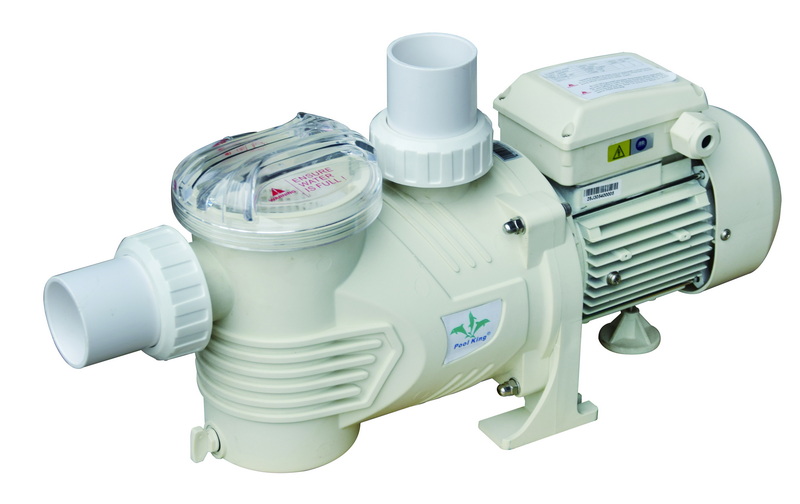
A pool pump serves as the heart of your swimming pool's filtration system. The pump draws water from your pool, pushes it through the filtration system to trap debris and contaminants, and returns the clean water back into your pool. The right pump keeps circulation strong, prevents stagnation, and ensures chemicals are evenly distributed—vital for health and comfort.[1][10]
- Operate at a fixed speed.
- Lowest upfront cost, but highest energy use and noise.
- Frequently being phased out due to updated energy consumption standards.
- Best for older or budget-limited installations, but often costly in the long run.[5][6][1]
- Offer two speed settings: high for cleaning/filtering, low for daily circulation.
- Moderate energy efficiency and operational cost.
- A reliable middle ground, popular for retrofit situations.[6][1][5]
- Allow full speed customization to fit your pool's needs precisely.
- Use permanent magnet motors, which are much quieter and more energy efficient.
- Can reduce energy consumption by as much as 80% over single-speed pumps.
- Most durable; often feature smart digital controls and scheduling.[3][11][5][9]
| Pump Type | Upfront Cost | Energy Usage | Noise Level | Efficiency | Maintenance | Recommended For |
|---|---|---|---|---|---|---|
| Single-Speed | Low | High | Loud | Low | Simple | Budget or older pools |
| Dual-Speed | Medium | Medium | Medium | Moderate | Moderate | Moderate-use pools |
| Variable | High | Low | Very quiet | High | Smart/manual | Most residential pools |
- Pentair IntelliFlo series: market-leading energy efficiency, up to 3 hp, whisper-quiet, highly programmable.[3][9]
- Well-suited for both inground and large residential pools.
- Hayward Super Pump and TriStar VS: renowned for robust engineering and easy installation.[9][1]
- TRIStar VS models are ENERGY STAR® certified and have state-of-the-art digital interfaces.[1]
- Zodiac FloPro Series: known for corrosion resistance and smooth, quiet operation. Good for harsh or saltwater environments.[16]
- Advanced controls for custom schedules and speeds.
- Astral CTX and Viron XT: popular in commercial and residential installations for their 8-star energy ratings.[16]
- European design emphasis on performance and reliability.
- JVS Series: heavy-duty construction with multiple programmable speed settings.
- 2-year manufacturer warranty; excellent customer support.[17]
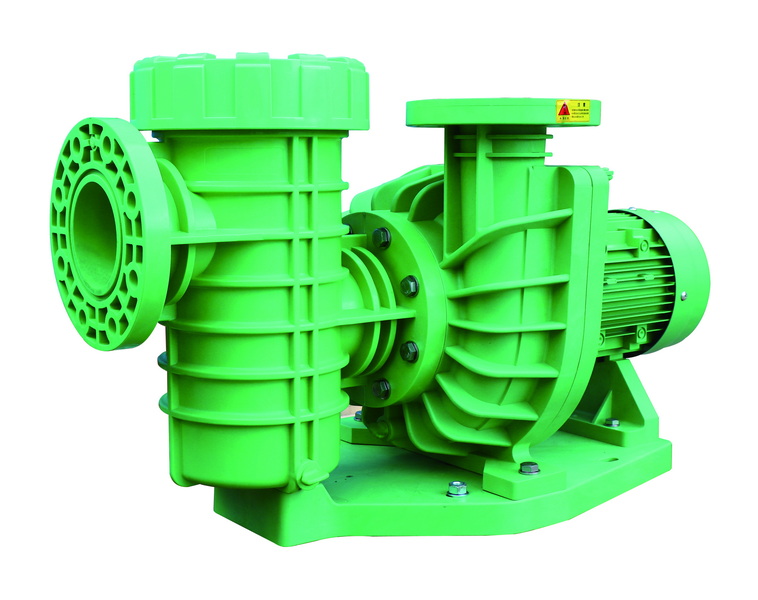
Proper sizing matches pump output to your pool's volume, plumbing, and system pressure (Total Dynamic Head, or TDH). Oversized pumps waste energy and stress equipment, while undersized options fail to circulate and filter properly.[7][10][18]
1. Calculate Pool Volume:
Volume (gallons)=Length (ft)×Width (ft)×Average Depth (ft)×7.5.[6][9]
2. Determine Turnover Rate:
Most guidelines recommend turning over all pool water within 8 hours. Divide total gallons by 8 to get gallons per hour; divide by 60 for gallons per minute (GPM).[18][9]
3. Assess Plumbing & TDH:
- Wider plumbing (2+ inch pipe) is more efficient for high-flow systems.[7]
- Calculate TDH based on pipe runs, fittings, filter type, and elevation—critical for matching pump performance.[7]
- Medium-head: Suited for typical residential pools, moderate system resistance, and simple plumbing.[7]
- High-head: Best for complex systems involving water features, solar heating, or long piping runs.[7]
- Self-priming: Needed for systems where the pump is above water level.[7]
- Non-priming: Used in below-water-level (“flooded suction”) setups.
1. Power off the pool circuit at the breaker.[19][20]
2. Remove old pump (if present); disconnect plumbing using PVC cutters or wrenches.
3. Place new pump; connect suction/return lines with PVC glue or unions.
4. Fill strainer basket with water, check O-rings/seals, and secure the lid firmly.[7]
5. Open valves and air relief, then power the pump and check for steady flow.[7]
- Clean strainer baskets weekly.
- Check for leaks, cracks, or unusual noises monthly.
- Replace worn O-rings, seals, or bearings as needed.
- Annual motor and impeller check—servicing extends lifespan.[2][6][1]
Infographics:
- Troubleshooting common issues: Air in system, leaks, priming problems.
- Visual calendars for routine pump maintenance and checks.
Modern variable-speed pumps offer digital controls, wireless operation, programmable timers, and integration with smart pool management systems. These features make operation more flexible and efficient.[11][3][9]
- App-based remote monitoring and scheduling
- Built-in freeze and flow protection
- Automated diagnostics and service reminders
Screenshots:
- App interfaces for some premium pool pumps.
Variable-speed pumps reduce energy use by running at lower speeds when full power isn't needed, achieving up to 80% utility savings over time. Energy Star®-rated models often qualify for regional rebates and incentives.[5][11][17][9][1]
Many states/countries now require new or replacement pumps to be variable-speed for pools above a certain size due to environmental legislation.[3][9][1]
Data visualization:
- Chart comparing yearly operating costs for each pump type in a typical 15k-gallon pool.
- Correct size for your pool volume and plumbing
- Type: Variable-speed recommended for most needs
- Energy efficiency labels and local regulation compliance
- Trusted brand with parts/service support in your area
- Digital/smart features for convenience and scheduling
- Warranty terms and after-sales support
Selecting the best pool pump is an investment in the health, efficiency, and enjoyment of your pool. Variable-speed pumps from established brands like Pentair, Hayward, Astral, Zodiac, and Jacuzzi offer superior efficiency, quieter performance, intelligent controls, and long service life—making them the top choice for most pool owners. Always base your decision on accurate sizing, energy ratings, and the specific needs of your pool system. Pairing the right pump with regular maintenance will ensure crystal-clear water, minimize operational costs, and maximize your enjoyment for years to come.[11][17][9][16][1][7]
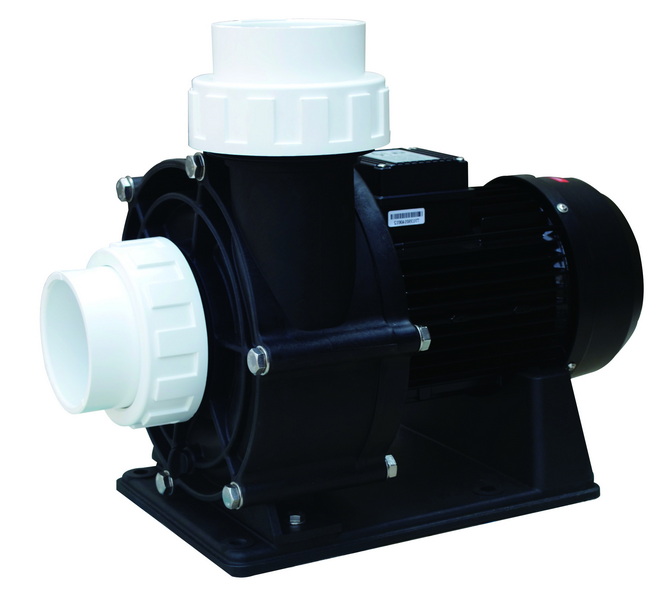
Calculate your pool's volume and use the 8-hour turnover rule to find the required flow in gallons per minute, then match this to the pump's specs while considering plumbing and filter compatibility.[10][18][6][9][7]
Yes. The reduced energy bills and improved performance easily offset the higher upfront cost within a few years. These pumps are also quieter and have a longer lifespan.[5][6][9][11][1]
TDH is the total resistance water faces in your plumbing/filter setup. Proper calculation ensures the pump delivers correct flow, avoids stress, and operates efficiently.[7]
You can, if you have strong plumbing and electrical basics—otherwise, consider hiring a professional to ensure safe, leak-free, and code-compliant installation.[20][19][7]
Clean strainers weekly, check seals and sounds monthly, and have a professional inspect annually, especially variable-speed motors and digital controls for optimal performance.[2][6][1]
[1](https://beaufortpoolcompany.com/pool-equipment/pool-pumps/)
[2](https://swimmingpoolsthailand.com/en/content/54-choosing-your-swimming-pool-pump-at-swimming-pools-thailan-shop)
[3](https://www.pentair.com/en-us/education-support/water-education-center/pool-and-spa-education/pool-pump-information-guide.html)
[4](https://justwaterpumps.com.au/pool-pump-guide/)
[5](https://starwatersystems.com/2024/08/16/pool-pump-buyers-guide/)
[6](https://georgiapoolcleaning.com/comparing-pool-pumps-for-efficiency/)
[7](https://blog.royalswimmingpools.com/blog/what-horse-power-pump-should-i-get-for-my-pool)
[8](https://www.anchorpumps.com/blog/buying-a-swimming-pool-pump-the-complete-guide/)
[9](https://www.swimuniversity.com/variable-speed-pool-pumps/)
[10](https://www.tponpump.com/n1904032/Comprehensive-Guide-to-Buying-Quality-Pool-Pumps.htm)
[11](https://signaturepoolssandiego.com/the-best-variable-speed-pool-pump-brands-compared/)
[12](https://www.vecteezy.com/free-photos/pool-pump)
[13](https://www.istockphoto.com/photos/swimming-pool-pump)
[14](https://www.youtube.com/watch?v=P0kj-kpfXs8)
[15](https://www.youtube.com/watch?v=l7unJ0hp2ck)
[16](https://www.jimspoolcare.com.au/news-pool-cleaning/the-top-pool-pumps-on-the-market-a-buyers-guide/)
[17](https://intheswim.com/blog/best-vs-pool-pumps.html)
[18](https://www.lowes.com/n/buying-guide/pool-pump-sizes)
[19](https://www.youtube.com/watch?v=vtYcjDx6zEA)
[20](https://www.youtube.com/watch?v=rxWCW3id0w8)
[21](https://heatpumps4pools.com/pool-heat-pump-photo-gallery/)


