
Views: 222 Author: Tina Publish Time: 2025-10-22 Origin: Site


Content Menu
● What is a swimming pool skimmer?
● Why choose European manufacturers for pool skimmers?
● Our capabilities: OEM and production excellence
>> Inground swimming pool skimmers
>> DE and cartridge compatibility skimmers
● Innovations in pool skimmer design
● Installation guidance for European projects
● Europe-focused compliance and certification (examples)
● Case studies: successful OEM partnerships
● Sustainability and lifecycle considerations
● SEO and content optimization
● FAQ
>> 1) What materials are used in European pool skimmers?
>> 2) Are skimmers compatible with all filtration systems?
>> 3) How do I choose the right skimmer size?
>> 4) Do you offer OEM customization?
>> 5) What maintenance is required for pool skimmers?
>> 6) How long is the typical lead time for OEM orders?
In Europe, the demand for high-quality swimming pool skimmers and filtration solutions is rising as facilities, hotels, resorts, and residential properties seek reliable, efficient, and durable pool maintenance equipment. For Chinese OEM manufacturers, including our own facility, delivering advanced skimmer systems—paired with other filtration products such as sand filters, DE filters, and cartridge filters—presents a compelling value proposition. We specialize in OEM services for foreign brands, wholesalers, and manufacturers, offering intelligent manufacturing processes, precision assembly, and strict quality control to ensure every skimmer unit performs consistently in challenging outdoor conditions.
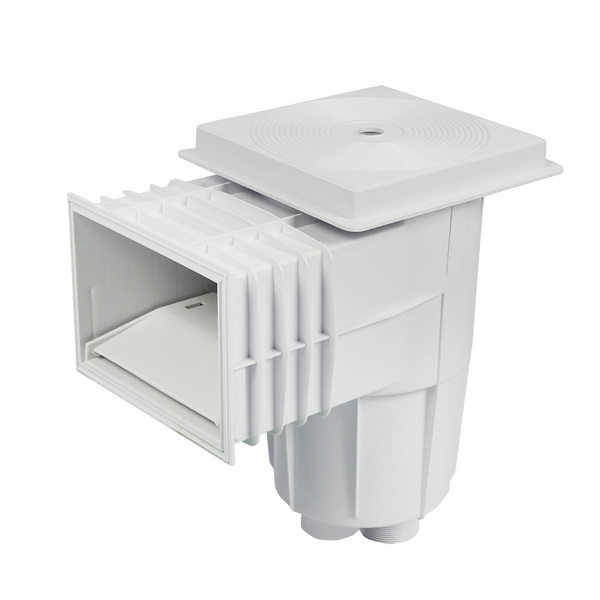
A swimming pool skimmer is a device installed on the pool's water surface to capture floating debris, leaves, and insects before they sink. Skimmers are a first line of defense in a pool's filtration system, feeding debris into a skimmer basket and ultimately to the filtration unit for cleaning. In Europe, skimmer designs vary by pool type, climate, and installation preferences, but the core functions remain the same: efficient debris capture, ease of maintenance, and compatibility with filtration systems.

- Proven reliability: European standards emphasize long-term performance in diverse climates.
- Compliance and safety: Products adhere to regional electrical and material safety regulations.
- After-sales support: Localizing service teams reduces response times for maintenance and spare parts.
- Customization potential: OEM partners can tailor dimensions, inlet sizes, and basket configurations.
- Intelligent manufacturing: We use smart CNC machining and precision automation to ensure tight tolerances for all pool skimmer components.
- Material excellence: UV-stable, corrosion-resistant plastics and high-grade stainless steel fasteners to withstand chlorine and saltwater environments.
- Integrated solutions: Skimmers designed to pair seamlessly with sand filters, DE filters, cartridge filters, and variable-speed pumps.
- Complete OEM packaging: Branding, labeling, and packaging tuned to international markets.
In-ground skimmers are designed for standard residential and commercial pools. They typically feature a weir door to regulate water flow, a large debris basket, and compatible inlet fittings for common piping sizes.
- Key features: Durable housing, smooth water flow, easy basket access, compatible with standard pool returns.
- Common options: Low-profile models for aesthetically pleasing installations, and bias-adjusted weirs for optimal skimming in varying surface conditions.
Above-ground pools require compact, easy-to-install skimmers that minimize installation complexity while preserving debris removal efficiency.
- Key features: Quick-connect fittings, corrosion-resistant materials, compact footprints.
- Common options: Side inlet vs. top-suction configurations to suit different above-ground setups.
Some European installations favor skimmers designed to integrate with DE filters or cartridge filtration systems, enabling enhanced filtration performance and ease of maintenance.
- Key features: Multi-port outlets, easy drain baskets, and access doors for routine cleaning.
The basket and weir design influence debris capture efficiency and water flow. Our ranges include various basket capacities and weir shapes to optimize performance under different pool sizes.

- Weir doors, weir plates, and seals designed for extended life in chlorinated and saline environments.
- Gaskets and seals that resist chemical degradation and prevent leaks.
- Mounting brackets and locking screws for secure installation.
- Plastics: UV-stabilized ABS and high-strength PC-ABS blends provide impact resistance and weather durability.
- Metals: Stainless steel fasteners and support brackets resist corrosion in chlorine-rich or saltwater pools.
- Finishes: Smooth internal surfaces reduce algae buildup and simplify cleaning.
- Self-adjusting weirs for fluctuating water levels.
- Integrated safety features to prevent injuries during maintenance.
- Quick-release baskets and tool-less lids to minimize service time.
- Energy-conscious designs that minimize head loss and improve pump efficiency.
- Site evaluation: Determine pool type, water features, and filtration system compatibility.
- Plumb sizing: Match inlet sizes to standard European piping (e.g., 50mm, 63mm, depending on model).
- Sealing and mounting: Use corrosion-resistant fasteners and gasket materials suitable for outdoor exposure.
- Commissioning: Balance flow rates with pump performance to optimize debris capture without overloading the filter.
- Raw material inspection: UV stability, chlorine resistance, and impact testing.
- Assembly checks: Tightness tests on seals and fasteners, correct weight distribution, and leakage tests.
- Performance validation: Debris capture efficiency, water flow, and pressure drop across the skimmer and connected filtration system.
- Packaging and labeling: Clear part numbers, installation instructions, and safety notices.
- CE marking for electrical safety and product conformity.
- EN standards related to pool equipment durability and safety.
- RoHS compliance for restricted hazardous substances.
- A boutique hotel chain integrated custom-branded skimmers with a dedicated grease trap and a tailored basket design to reduce maintenance downtime.
- A European distributor partnered to supply a line of skimmers with unique inlet adapters for compatibility with regional piping standards.
- Recyclable materials: Use of recyclable plastics and stainless steel components where feasible.
- Long service life: Durable components designed for repeated maintenance cycles.
- Local serviceability: Spares availability and on-site support help minimize downtime.
- Primary keyword focus: Swimming Pool Skimmer Manufacturers and Suppliers
- Related terms to weave naturally: pool skimmer, skimmer basket, skimmer weir, pool filtration, sand filter, DE filter, cartridge filter, pool pump, European pool equipment, OEM pool equipment, chlorine resistance materials, UV-stable plastics.
- On-page structure: Use H1 for the title, H2s for major sections, H3s for subsections, and H4s for granular topics like product variants.
- Internal linking: Link to related products such as sand filters, DE filters, pump equipment, and pool accessories.
- Content length: Target 1800+ words with comprehensive coverage, visuals, and FAQs.
Choosing the right swimming pool skimmer manufacturer and supplier in Europe requires attention to durability, compliance, customization potential, and reliable after-sales support. Our facility offers OEM services to foreign brands and wholesalers, ensuring that high-quality skimmer products arrive with consistent performance, attractive branding, and efficient supply chain logistics. By leveraging intelligent manufacturing and rigorous quality control, we deliver skimmers that perform in diverse climates and pool configurations, while enabling partners to scale with confidence. For inquiries about OEM partnerships or supplying European markets, contact us to discuss your requirements and project timelines.
- Most European pool skimmers use UV-stable plastics for housings and stainless steel for fasteners, with rubber gaskets designed to resist chlorine and saltwater.
- Our skimmers are designed to be compatible with standard sand, DE, and cartridge filters, and we offer adapters or custom fittings as needed.
- Consider pool surface area, average debris load, and the intended flow rate. Our engineering team can recommend models and inlet options.
- Yes, we provide full OEM services, including branding, packaging, and custom-fitting options to meet market requirements.
- Regular basket cleaning, inspection of seals, and checking for corrosion or wear on moving parts. Follow the included maintenance guide for your model.
- Lead times depend on order volume, customization level, and component availability. We provide a detailed timeline after confirming specifications.


