
Views: 222 Author: Tina Publish Time: 2025-11-23 Origin: Site


Content Menu
● Understanding Pool Filter Valves
● Top Pool Filter Valve Manufacturers and Suppliers in Europe
>> 3. Praher Plastics Austria GmbH (Austria)
>> 4. Certikin International (UK)
>> 5. SPC Germany GmbH (Germany)
● Why Choose European Pool Filter Valve Manufacturers and Suppliers
● OEM and Custom Solutions for Pool Filter Valves
● Key Considerations When Choosing a Pool Filter Valve
>> Comparison Table: Leading European Pool Filter Valve Manufacturers
● The Growing Role of Automation and Smart Valves
● FAQs
>> 1. What is the function of a pool filter valve?
>> 2. Can European valves fit American pool systems?
>> 3. What materials do manufacturers use for high-quality pool filter valves?
>> 4. Do Pool Filter Valve Manufacturers and Suppliers offer OEM services?
>> 5. How often should pool filter valves be replaced?
Europe has long been known for its engineering excellence and manufacturing precision, especially in the pool equipment industry. Among all the essential components used in swimming pool filtration systems, the pool filter valve plays a crucial role in controlling water flow, directing filtration cycles, and maintaining optimal water clarity. This article explores the top Pool Filter Valve Manufacturers and Suppliers in Europe, their capabilities, technologies, and what makes them global leaders in the pool filtration market.
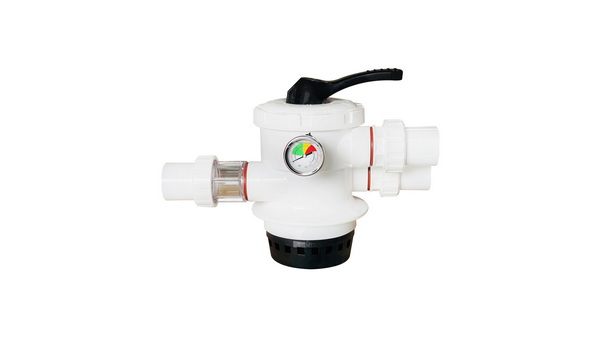
A pool filter valve is an integral part of any pool filtration system. It directs water through different channels during functions such as filtration, backwashing, rinsing, and waste discharge. Depending on the design, valves can be multiport, slide-type, or manual backwash valves.
Key functions of pool filter valves include:
- Controlling water flow direction during filtration and cleaning cycles.
- Preventing contamination of clean water during backwash.
- Allowing easy maintenance without dismantling the entire system.
Investing in superior-quality valves from trusted European Pool Filter Valve Manufacturers and Suppliers ensures better system performance, longer service life, and precise control over pool operations.
The European pool equipment market features several high-quality producers specializing in advanced filter valves. Below are some of the most reputable manufacturers and suppliers in this industry.
Overview:
AstralPool, part of the Fluidra Group, is one of the most recognized names in pool technology. The company manufactures a complete line of pool filter valves, pumps, filters, and control systems.
Key Features:
- Durable ABS materials with UV-resistant coating.
- Ergonomic multiport designs for user convenience.
- Compatible with sand, cartridge, and DE filter systems.
Overview:
Kripsol specializes in high-efficiency pool and spa equipment with decades of export experience. Their pool filter valves are known for precision engineering and simple operation.
Key Advantages:
- Reinforced Sealing Systems to prevent leakage.
- Pressure-tested designs ensuring durability.
- Suitable for both commercial and domestic pools.
Overview:
Praher Plastics manufactures world-class industrial plastic components, including pool filter valves. Known for their reliability and innovation, Praher's valves are distributed across Europe, Asia, and the Americas.
Technologies Used:
- CNC precision molding.
- Automated leak testing.
- Thermoplastic resistance optimization.
Overview:
Certikin is one of the UK's leading pool equipment suppliers. Its multiport filter valves are designed for both domestic and commercial filtration systems.
Product Strengths:
- Compact design with multiple connection options.
- Easy-to-operate handles.
- Durable construction for long service life.
Recommended Use: Sand and DE pool filters.
Overview:
SPC Germany is a reliable supplier and manufacturer of customized pool filter valves. Its engineering team focuses on precision and performance for OEM and private-label customers.
Notable Capabilities:
- OEM valve customization.
- OEM branding services for wholesalers.
- European Union quality certifications.
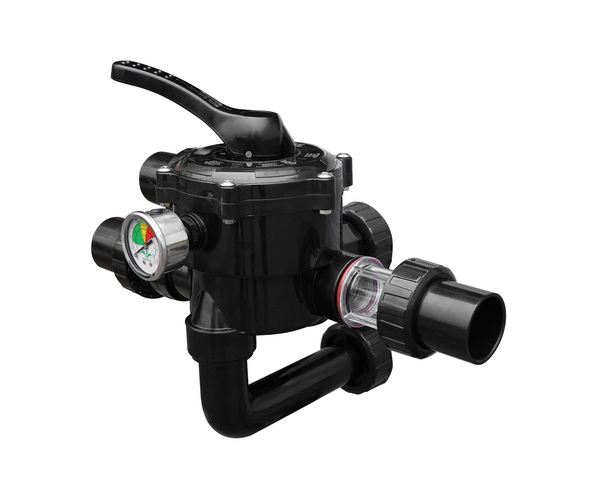
Working with European suppliers ensures high standards of quality, compliance, and design. Some of the key reasons include:
- Quality Assurance: ISO-certified manufacturing systems ensure product consistency.
- Technological Leadership: Advanced automation, CNC machining, and pressure testing.
- Environmental Compliance: EU producers follow sustainable production rules.
- OEM Flexibility: Many manufacturers support custom branding, labeling, and packaging.
- Fast Logistics: Short lead times and reliable after-sales support across the EU.
European Pool Filter Valve Manufacturers and Suppliers offer extensive OEM services to international pool brands. These include:
- Custom logo engraving on valve casings.
- Unique handle color and design customization.
- Tailor-made valve configurations for specific filter models.
When selecting a pool filter valve, consider the following technical aspects:
1. Valve Size and Port Configuration – Must match the filter type and pipe diameter.
2. Pressure Rating – Ensure the valve can handle system operating pressures.
3. Connection Type – Choose between threaded, glued, or flanged connections.
4. Material Quality – UV-resistant ABS or PVC ensures long-term durability.
5. Function Modes – Common options include filter, backwash, rinse, waste, recirculate, and closed.
| Manufacturer | Country | Main Product Type | OEM Support | Website |
|---|---|---|---|---|
| AstralPool | Spain | Multiport Valves | Yes | astralpool.com |
| Kripsol | Spain | Manual Valves | Yes | kripsol.com |
| Praher Plastics | Austria | High Precision Valves | Yes | praher.com |
| Certikin | UK | Residential & Commercial Valves | Yes | certikin.co.uk |
| SPC Germany | Germany | OEM Valve Solutions | Yes | spcgmbh.com |
With advancements in pool automation, smart valves have become increasingly popular. Many European suppliers now develop electronically controlled multiport valves integrated with sensors and IoT modules for data monitoring and automatic cleaning cycles.
Features of Smart Valves:
- Remote control via mobile apps.
- Automatic backwash scheduling.
- Filter pressure and flow monitoring.
The European market for Pool Filter Valve Manufacturers and Suppliers represents innovation, durability, and precision. From Spain's AstralPool and Kripsol to Austria's Praher Plastics, each company delivers exceptional engineering for reliable pool systems worldwide. When sourcing valves for OEM, distribution, or private labeling, European producers are among the best choices thanks to their advanced technologies, strict quality control, and customizable solutions.

The pool filter valve directs water through various stages of filtration, backwashing, rinsing, or waste discharge, ensuring efficient pool cleaning.
Yes. Most European-made pool filter valves are available in both metric and imperial dimensions for global compatibility.
Typically, valves are made from U-PVC, ABS, or glass-filled reinforced plastics resistant to chlorine and UV radiation.
Yes, many companies provide OEM and private label production, allowing clients to customize logos, colors, and packaging.
Under normal use, a good-quality valve lasts 5–8 years. Regular inspection and O-ring replacement can extend its lifespan.


