
Views: 222 Author: Poolking Filter Equipment Publish Time: 2026-06-22 Origin: Site


Content Menu
● Understanding Freeze Risk for Modern Pool Systems
● Key Components at Risk in Freezing Weather
● Quick‑Action Checklist When a Freeze Warning Hits
● What to Do If You Lose Power in a Hard Freeze
● Residential vs. Commercial Freeze Protection Priorities
● The Critical Role of Filters in Freeze Protection
● Pro‑Level Best Practices from a Filtration Manufacturer
● Setting Up and Testing Freeze‑Protection Automation
● Insulation and Physical Protection of Equipment
● Post‑Freeze Inspection and Safe Restart Steps
● When to Upgrade to Commercial‑Grade Filtration and Equipment
● Practical Example: Freeze‑Proofing a Commercial Hotel Pool
● Call to Action: Build a Freeze‑Ready Filtration System
● FAQs
When temperatures drop below freezing, the difference between a well‑protected pool and a disaster often comes down to planning, equipment quality, and a clear step‑by‑step response. As a manufacturer with over 20 years of experience in commercial pool sand filters and integrated filtration systems, Guangdong Poolking has seen how proper freeze protection can save thousands of dollars in repairs and weeks of downtime for both residential and commercial facilities. [poolking.en.made-in-china]
Freezing weather does not just threaten your pool surface; it targets every weak point in the circulation and filtration chain. When water trapped inside pipes, filters, pumps, or heaters freezes, it expands and can crack housings, fittings, and valves, leading to leaks, equipment failure, and structural damage. [lesliespool]
For residential pools, this often means broken pumps, damaged filters, and costly emergency service calls. For commercial pools, spas, hotel pools, water parks, and aquatic facilities, freeze damage can trigger extended closures, safety risks, and lost revenue if filtration and disinfection systems are compromised. [poolsupplydepot]
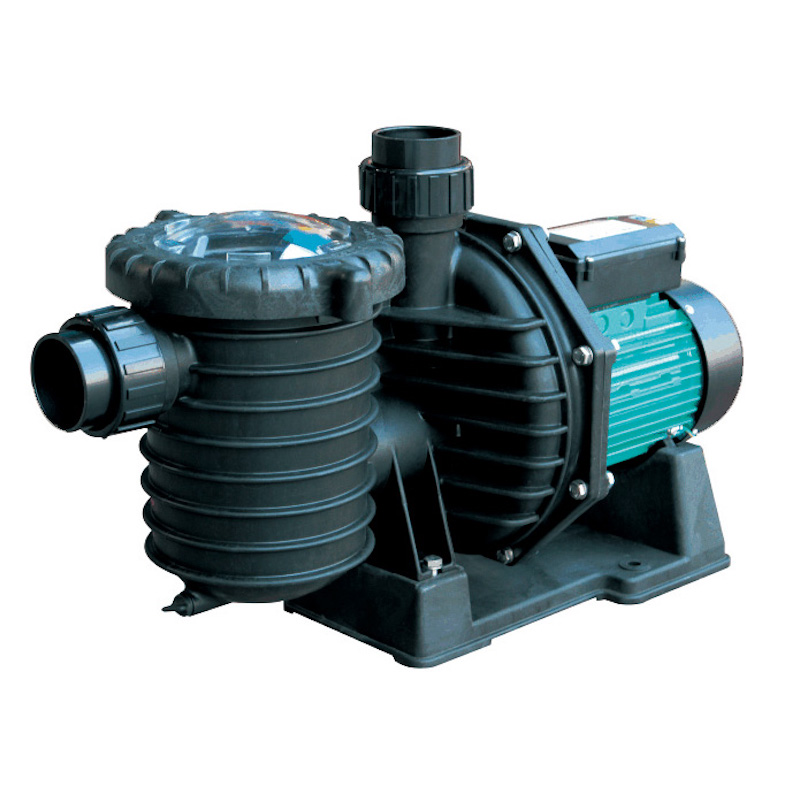
The first step in any freeze protection plan is knowing what to protect. While every installation is unique, the following components are consistently vulnerable: [hayward]
- Above‑ground PVC plumbing and exposed manifolds. [lesliespool]
- Pool filters (sand, DE, and cartridge) and their housings, drain plugs, and air release valves. [hayward]
- Pumps and pump lids, especially where water can sit in the volute. [poolsupplydepot]
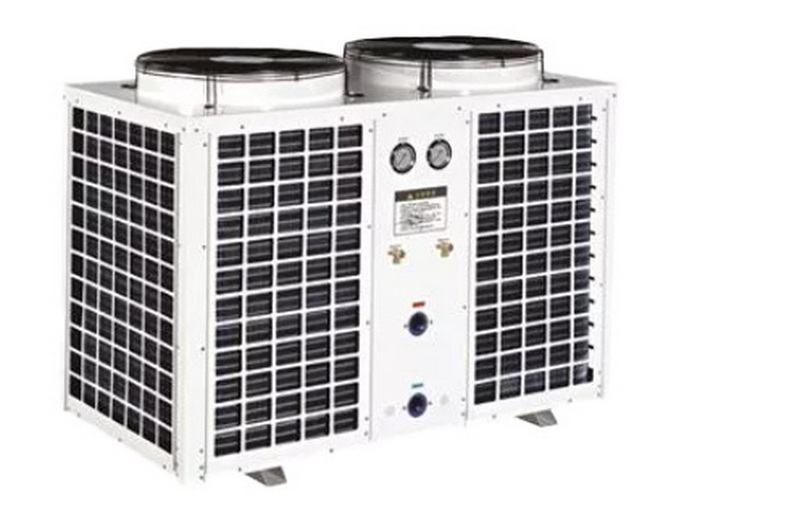
- Heaters, heat pumps, and chillers with internal water passages. [aquamanagementpartners]
- Valves, check valves, and actuators on raised equipment pads. [lesliespool]
- Attached spas, water features, and raised pools with exposed pipe runs. [j3pools]
In commercial environments, add mechanical rooms, balance tanks, and complex manifold systems to the list, as even a single frozen branch line can sideline an entire facility. [aquamanagementpartners]
When a cold snap is forecast within 24–48 hours, you need a simple, repeatable sequence. Use this quick‑action checklist as a practical operating playbook: [poolsupplydepot]
1. Run the circulation system continuously while temperatures remain near or below freezing (or ensure the freeze‑protection mode is enabled and working on your controller). [j3pools]
2. Confirm the water level is at mid‑skimmer and all skimmer and pump baskets are clean to maintain strong flow. [lesliespool]
3. Backwash or clean your pool filter in advance so the system can move water efficiently during the coldest hours. [hayward]
4. Turn off decorative water features (deck jets, bubblers, sheer descents, sprays) and redirect flow to return lines to keep core circulation strong. [poolsupplydepot]
5. Insulate exposed pipes and valves with foam sleeves, towels, or blankets, keeping air intakes and vents clear. [lesliespool]
6. Verify that automation sensors and freeze‑protection functions actually trigger the pump before temperatures drop. [j3pools]
For commercial pools, assign responsibility: one person to monitor automation and power, one to walk the pump room, and one to visually inspect exposed piping and outdoor equipment pads. [aquamanagementpartners]
Power loss during a freeze is when most serious damage occurs, because water stops moving yet remains trapped inside equipment. When that happens, speed and a clear sequence are critical: [aquamanagementpartners]
1. Turn off all breakers supplying power to pumps, heaters, and other pool equipment for safety. [hayward]
2. Open the pump lid and remove drain plugs from pumps so trapped water can escape. [poolsupplydepot]
3. Open the air relief valve on the filter and remove the filter drain plug to let the tank fully drain. [hayward]
4. Drain heaters and heat pumps following the manufacturer's recommendations, focusing on low‑point drain plugs. [aquamanagementpartners]
5. Set valves to "open" or neutral positions so water is not trapped in isolated sections of pipe. [poolsupplydepot]
6. If accessible and safe, tilt flexible hoses and exposed segments so residual water can flow out. [lesliespool]
Once temperatures rise again, carefully inspect all equipment for leaks, damp soil, hairline cracks, or unusual pump noise before restarting normal operation. [lesliespool]
Different pools face different risks and operational constraints, especially when comparing a homeowner's backyard pool with a hotel or municipal facility. [j3pools]
Freeze‑Protection Focus by Pool Type
| Pool type | Primary risk focus | Operational priority during freeze | Typical actions |
|---|---|---|---|
| Residential inground | Pumps, filters, skimmers, above‑ground PVC. (lesliespool) | Prevent equipment damage and avoid costly repairs. (lesliespool) | Run pump continuously, insulate pipes, drain equipment if power is lost. (lesliespool) |
| Residential above‑ground | Exposed walls, plumbing, and skimmer. (lesliespool) | Protect liner and wall structure. (lesliespool) | Maintain water level, use air pillows, protect skimmer, run pump if possible. (lesliespool) |
| Hotel / resort pools | Circulation systems, heaters, and filtration banks. (poolsupplydepot) | Minimize downtime and preserve guest safety. (poolsupplydepot) | Keep at least one loop running, monitor automation, inspect pump room. (aquamanagementpartners) |
| Municipal / aquatic centers | Large‑diameter piping, balance tanks, complex manifolds. (aquamanagementpartners) | Protect critical infrastructure and comply with health codes. (aquamanagementpartners) | Systematic drainage plans, redundancy, scheduled inspections, and documented SOPs. (aquamanagementpartners) |
Designing your freeze‑protection strategy around your pool type and usage patterns ensures you invest effort where it matters most. [j3pools]
From a manufacturer's perspective, filters sit at the heart of both water quality and freeze risk. Sand filters, DE filters, and cartridge filters all have large housings that can fill with water and crack when frozen if not properly protected. [poolking]
- Sand and DE filters need their drain plugs opened and air relief valves loosened when you are winterizing or responding to power loss in a hard freeze. [hayward]
- Cartridge filters should be depressurized, opened, and allowed to drain completely when the system is taken offline. [lesliespool]
- Large commercial filters are often installed in pump rooms; these spaces must maintain a stable, above‑freezing temperature or the filters must be drained and isolated. [aquamanagementpartners]
Because filters hold a significant volume of water, damage here can be more dramatic and expensive than a single cracked fitting. Choosing robust, well‑engineered filter tanks and following the manufacturer's freeze‑handling instructions greatly reduces risk. [poolking.en.made-in-china]
Drawing on more than two decades of designing commercial pool sand filters, fiberglass sand filters, plastic filters, and cartridge systems, there are several practices we recommend to both residential and professional operators:
- Design plumbing to minimize low points where water can collect and stagnate. [aquamanagementpartners]
- Use unions, drain ports, and accessible valves so filters and pumps can be quickly drained when necessary. [aquamanagementpartners]
- Specify durable tank materials and fittings rated for outdoor exposure in climates with occasional freezes. [poolking]
- For commercial projects, plan pump rooms with insulation and controlled ventilation to reduce freeze risk without compromising safety. [aquamanagementpartners]
- Combine mechanical protection (insulation, drainage) with smart automation (freeze‑protection logic, alarms) so the system reacts before the temperature crosses a critical threshold. [j3pools]
These design decisions pay off every winter by making it easier and faster to execute your freeze‑protection protocol when the forecast turns. [j3pools]
Modern automation systems can automatically start pumps when the air temperature nears freezing, but only if they are configured and tested in advance. Many service calls after a cold snap trace back to sensors that were never calibrated or freeze‑protection modes that were left disabled. [poolsupplydepot]
A practical expert checklist for automation:
- Verify that the controller has a dedicated freeze‑protection feature and confirm the set point (often around 36–40°F / 2–4°C). [poolsupplydepot]
- Confirm the air temperature sensor is installed where it measures true ambient air, not warm exhaust air or a sheltered spot. [poolsupplydepot]
- Run a test before winter: temporarily lower the trigger temperature or use a simulated input so you can see the pump start automatically. [j3pools]
- Ensure the freeze‑protection logic includes all critical pumps and valves, not just the main circulation pump. [poolsupplydepot]
For commercial facilities with multiple filters, booster pumps, and water features, document your automation logic so new staff or contractors can quickly understand how the system responds in a freeze event. [j3pools]
Insulation does not replace circulation and drainage, but it buys valuable time and helps protect vulnerable components. Properly applied, it is one of the most cost‑effective freeze‑mitigation measures you can implement. [lesliespool]
Effective methods include:
- Foam pipe insulation sleeves on exposed PVC runs, especially vertical risers and long horizontal spans. [lesliespool]
- Dry blankets, freeze blankets, or moving blankets around equipment pads, leaving motor vents and heater exhaust fully open. [lesliespool]
- Weatherproof tarps as an outer layer in severe cold, positioned to block wind without trapping moisture or blocking ventilation. [aquamanagementpartners]
Avoid using improvised electric heaters or heat lamps directly on or under equipment, as these can damage components or create a fire hazard. [youtube]
Once temperatures rise above freezing and stay there, a careful restart is essential to catch hidden damage before it becomes a bigger problem. A structured inspection reduces risk and gives you a clear maintenance record. [poolsupplydepot]
1. Walk around the pool and equipment pad, looking for damp soil, puddles, or obvious drips. [lesliespool]
2. Inspect pump housings, filter tanks, unions, and valves for visible cracks or bulges. [aquamanagementpartners]
3. Clean skimmer baskets and pump baskets to ensure good flow before running at full speed. [poolsupplydepot]
4. Restore any automation settings you changed for the freeze event and verify normal schedules resume. [j3pools]
5. Gradually bring systems online, starting with circulation, then adding heaters, water features, and ancillary systems once you confirm there are no leaks. [aquamanagementpartners]
If you encounter leaks or suspect internal damage, shut down the system and consult a qualified pool professional or your equipment manufacturer before proceeding. [lesliespool]
For facilities that experience recurring freeze events, upgrading to robust, commercial‑grade filters and pumps can significantly reduce risk and downtime. Professional‑grade sand filters, fiberglass tank filters, and engineered housings are designed to withstand pressure variations and offer easier drainage and service access. [poolking.en.made-in-china]
Consider an upgrade if:
- Your current filters lack easy‑access drain ports or air relief valves. [hayward]
- Equipment is installed in fully exposed outdoor locations with limited insulation options. [aquamanagementpartners]
- You manage a commercial or semi‑commercial pool whose closure directly impacts revenue or guest satisfaction. [j3pools]
- You are redesigning or expanding your system and can integrate better plumbing layouts and automation at the same time. [poolking]
Manufacturers like Guangdong Poolking combine filter design, pump selection, and system layout expertise to help builders and operators balance performance, efficiency, and freeze resilience from the planning stage. [poolking.en.made-in-china]
Imagine a mid‑size hotel in a region with occasional hard freezes. The property has one outdoor pool, a small attached spa, and an indoor pump room with two commercial sand filters, dual circulation pumps, and a gas heater. [poolsupplydepot]
An effective freeze‑protection plan could include:
- Automation configured so at least one pump runs continuously in freeze conditions, circulating through both pool and spa lines. [j3pools]
- Pump room insulation and weather‑sealed doors to maintain an above‑freezing ambient temperature around filters and pumps. [aquamanagementpartners]
- Clearly labeled drain plugs and valves so staff can quickly drain equipment if there is an extended power outage. [poolsupplydepot]
- Standard operating procedures and a short checklist at the pump room entrance to guide on‑duty staff during a freeze warning. [j3pools]
By combining robust hardware (commercial sand filters, insulated pump rooms) with clear procedures and automation, the hotel can protect guest safety, avoid costly emergency repairs, and reduce unplanned downtime. [poolking]
If you operate a residential pool in a freeze‑prone region or manage a commercial facility where downtime is not an option, now is the right time to assess your freeze‑protection readiness. Review your circulation design, filtration equipment, automation settings, and written procedures before the next cold front arrives. [lesliespool]
For builders, contractors, and facility managers seeking durable filtration solutions that are easier to protect and maintain in harsh weather, consider partnering with an experienced filtration manufacturer. With more than 20 years of expertise in commercial pool sand filters, fiberglass and plastic filters, cartridge filters, and integrated systems, Guangdong Poolking can help you design and specify equipment that supports both daily performance and long‑term freeze resilience. [poolking.en.made-in-china]
1. Do I need to drain my pool completely before a freeze?
In most climates and typical cold snaps, you do not need to drain the pool itself; focus instead on circulation, equipment protection, and water level at mid‑skimmer. [lesliespool]
2. How long should I run my pump during freezing weather?
During sustained freezing conditions, it is best to keep the pump running continuously or use an automation system with a proven, tested freeze‑protection mode. [j3pools]
3. What is the safest way to protect exposed pipes?
Use foam insulation sleeves and dry blankets or covers to block wind, while ensuring that pump motors and heaters have adequate ventilation and no improvised heat sources are touching equipment. [youtube]
4. When should I drain filters, pumps, and heaters?
You should drain equipment if you expect an extended power outage or if your system cannot reliably run during freezing temperatures, following manufacturer instructions for drain plugs and air relief valves. [poolsupplydepot]
5. Why is commercial‑grade filtration equipment better for freeze‑prone facilities?
Commercial‑grade sand and cartridge filters are engineered with robust housings, service‑friendly drain points, and plumbing options that make them easier to winterize and protect in severe weather. [poolking]
1. Hayward. “Pool Freeze Protection: Tips for Freezing Weather.” https://www.hayward.com/blog/post/pool-freeze-protection-tips-for-freezing-weather
2. Leslie’s Pool Supplies. “How to Respond to Freezing Weather Conditions in Your Pool.” https://lesliespool.com/blog/winter-freeze-a-how-to-when-responding-to-freezing-weather-conditions.html
3. Pool Supply Depot. “How to Freeze-Protect Your Pool in a Texas Cold Snap and Avoid Costly Damage.” https://poolsupplydepot.net/blogs/news/how-to-freeze-protect-your-pool-in-a-texas-cold-snap-and-avoid-costly-damage
4. J3 Pools. “Freeze Protection.” https://www.j3pools.com/pool-freeze-protection
5. Aqua Management Partners. “How to Prepare Your Commercial Pool Pump Room for Freezing Temperatures.” https://aquamanagementpartners.com/2025/01/09/how-to-prepare-your-commercial-pool-pump-room-for-freezing-temperatures/
6. Poolking. “Swimming Pool Filter Suppliers & Manufacturers.” https://www.poolking.co/pool-filter.html
7. Poolking. “Poolking Commercial Sand Filter from 1200–3000mm for Swimming Pools.” https://www.poolking.co/commercial-sand-filters-for-swimming-pools.html
8. Poolking (Made‑in‑China). “Commercial Sand Filters for Swimming Pools.” https://poolking.en.made-in-china.com/product/wKunCdQTEHco/China-Commercial-Sand-Filters-for-Swimming-Pools.html
9. Poolking Filter. “Wholesale Pool Filters, Bulk Foam Fractionators & Industrial Pool Filtration Solutions.” https://www.poolkingfilter.com
10. Poolking. “How to Choose Swimming Pool Filter for Commercial Swimming Pools.” https://www.poolking.co/how-to-choose-swimming-pool-filter-for-commercial-swimming-pools.html


