
Views: 222 Author: Tina Publish Time: 2025-09-27 Origin: Site


Content Menu
● What Is an Air Relief Valve?
● Why Is Air Trapped in Pool Filters?
● How the Air Relief Valve Works
● Why Proper Air Removal Is Essential
● Step-By-Step Guide: Using the Air Relief Valve
>> Step 2: Locate and Open the Air Relief Valve
● Common Scenarios and Troubleshooting
>> What if the Valve Is Leaking?
>> What if Air Keeps Entering My System?
>> How Often Should the Valve Be Used?
● Special Case: Filters Without an Air Relief Valve
● Maintenance Tips for Air Relief Valves
>> 1. How often should I use the air relief valve?
>> 2. My air relief valve is constantly dripping. What should I do?
>> 3. Can I run my pool filter if the air relief valve is missing?
>> 4. What happens if air remains trapped inside the filter?
>> 5. Do sand, cartridge, and DE filters all have air relief valves?
Pool filtration systems must be maintained regularly to ensure clear water and reliable operation. One of the most critical, yet often overlooked, components is the air relief valve (sometimes called a bleeder valve). It plays a fundamental role in removing trapped air from the filtration system, maintaining optimal pressure, and protecting both equipment and swimmers.[2][1]
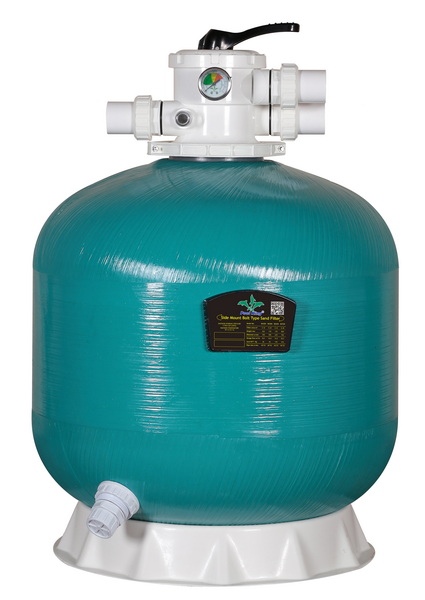
An air relief valve is a small fixture on top of the pool filter (sand, DE, or cartridge). Its main function is to allow trapped air to escape from the filter tank, thereby maintaining proper water flow and pressure in the entire circulation system. As one of the essential parts for pool safety and efficiency, it must be checked and used correctly.[1][2]
Air can enter a pool system in several common situations:
- Cleaning or opening the pump basket
- Opening the filter for maintenance or media replacement
- Leaks or cracks in vacuum hoses
- Low water levels in the pool, causing air to enter through the skimmer
- After backwashing or filter changes
Trapped air reduces filtration efficiency and can even cause dangerous pressure build-ups that may compromise filter tanks or plumbing.[2][1]
When air is present, the relief valve, usually located atop the filter, is turned open. As the system runs, pressurized air exits through the valve. Once the system has expelled all the air, water will begin to flow out, at which point the valve must be quickly closed.[1][3]
Key steps:
- Locate the valve (typically a small lever, knob, or push-button).
- With the system running, slowly open the valve until you hear a hissing sound (air escaping).
- Wait for a steady stream of water to appear.
- Immediately close the valve to prevent water loss and re-sealing the system.
- Maintains filtration efficiency: No air pockets means the full filtration surface is utilized.
- Protects your equipment: Prevents excessive pressure that could damage lids or tanks.
- Prevents 'water hammer' and suction issues: Smooth water flow reduces noise and extends component life.
- Ensure the pool pump and filter are running.
- Confirm that the system is fully primed with water.
- Find the bleeder valve at the top of your filter.
- Slowly turn or press the valve until you hear air escaping.
- Listen and watch for a change in output—from a hissing air flow to a steady water stream.
- Be cautious as pressure may cause water to spray.
- As soon as water appears, promptly shut the valve.
- Check the pool's return jets—strong water flow indicates success.
- Watch the pressure gauge. A normal reading indicates all trapped air has been removed.[2][3]
- Check and replace the O-rings; these can degrade over time and cause water to drip.[4]
- Tighten the valve slightly; never over-tighten as it may crack the housing.
- Inspect pump lid O-rings, vacuum hoses, and all plumbing for leaks.
- Ensure the pool water level is not too low.
- After any maintenance opening (cleaning baskets, filter media changes, etc.).
- Whenever air bubbles are seen coming from pool returns.
Some older filters or specific models (such as certain Hayward sand filters) lack a dedicated air release. In these cases:
- Perform a backwash and rinse cycle.[5]
- Loosen the filter lid slightly with the pump OFF to let trapped air escape, then retighten when water starts to flow.
- Periodically lubricate O-rings with silicone to maintain airtight seals.[4]
- Replace damaged or sun-brittle valves as needed; most are inexpensive and universal.[7][8]
- Always depressurize the filter before any disassembly or repair.
Regular use of the air relief valve is a simple but critical step in pool filter maintenance. It maximizes system efficiency, minimizes equipment wear, and fosters a safer pool environment for everyone. Always follow manufacturer instructions and perform valve maintenance as part of routine filter checks.[2][3][1]
Open the valve every time air could have entered the system, such as after cleaning the pump or filter or performing backwashing.[2]
Check the O-rings for wear or cracking and replace them if needed. Make sure the valve is tightly closed, but not forcibly tightened.[4]
No. Running a filter without the valve, or with a faulty one, can cause dangerous pressure buildup and damage.[2]
The system may run at higher pressure, reduce filtration effectiveness, and risk equipment failure or injury.[2]
Most modern filters of all types include some form of air relief valve at the top, but older models may require manual methods as described earlier.[5]
[1](https://www.youtube.com/watch?v=531Gmocmngs)
[2](https://diy.inyopools.com/article/use-pool-filter-pressure-gauge-air-relief/)
[3](https://www.youtube.com/watch?v=FKgs7XepQlE)
[4](https://www.youtube.com/watch?v=mMSM6tV1XdM)
[5](https://www.reddit.com/r/swimmingpools/comments/1e331bc/how_to_release_air_in_hayward_s166t_sand_filter/)
[6](https://www.youtube.com/watch?v=DwtKBOf-kWU)
[7](https://www.thepoolfactory.com/products/aquapro-air-relief-valve-assembly)
[8](https://www.homedepot.com/p/PENTAIR-Clean-and-Clear-Air-Relief-Valve-Replacement-Part-for-Select-Pool-Filters-98209800-A/334559867)
[9](https://www.poolsupplies.com/blog/post/pool-pressure-gauge-and-air-relief-valve)
[10](https://www.youtube.com/watch?v=BTmUF1ofWeA)
[11](https://aquapoolsupply.com/pages/search-results-page?q=air+relief+valve)
[12](https://www.pentair.com/content/dam/extranet/nam/pentair-pool/residential/aboveground-systems/easyclean-abvg/manual/easyclean-abvg-manual.pdf)
[13](https://xtremepowerusa.com/products/manual-air-relief-valve-for-pool-and-spa-filters-pool-filter-w-pressure-gauge)
[14](https://www.youtube.com/watch?v=VSnYsRzN5sU)
[15](https://www.emelbalik.com/goods/Air-Relief-Valve-For-Pool-Filter-Pressure-Gauge-Pressure-Relief/1214376)
[16](https://www.youtube.com/watch?v=RJdJpPWxsQA)
[17](https://www.youtube.com/watch?v=YBlVgXbRwac)


