
Views: 222 Author: Poolking Filter Equipment Publish Time: 2026-06-21 Origin: Site


Content Menu
● What Makes Saltwater Pool Care Different?
● Target Water Chemistry for Saltwater Pools
● Weekly Saltwater Pool Maintenance Routine
>> 1. Test and Balance Core Chemistry
>> 2. Inspect and Clean Around the Pool
>> 3. Run the Pump and Filter Long Enough
● Monthly and Seasonal Maintenance Tasks
>> Before and After the Season
● How Your Filtration System Supports Saltwater Pool Health
>> Sand, Fiberglass, Plastic, and Cartridge Filters
● Expert Tips for Salt Cell Care and Longevity
>> Best Practices from Field Experience
● User Experience: What Saltwater Pool Owners Actually Do
● Common Saltwater Pool Problems and How to Fix Them
>> Scaling on Tiles, Cell, or Fixtures
>> Low or Zero Chlorine Despite a Running Salt System
● Choosing the Right Filtration Equipment for Saltwater Pools
● Step‑by‑Step: Opening a New or Newly Converted Saltwater Pool
● When to Call a Professional or Manufacturer
● Call to Action: Build a Saltwater System That Works With You, Not Against You
>> References
Maintaining a saltwater pool is easier than many homeowners expect, but doing it properly requires a clear routine, the right equipment, and a basic understanding of water chemistry. This guide combines hands-on experience from pool owners, manufacturer insights from Guangdong Poolking, and best practices from leading industry resources to help you keep your saltwater pool clean, comfortable, and cost‑efficient over the long term. [poolking.en.made-in-china]
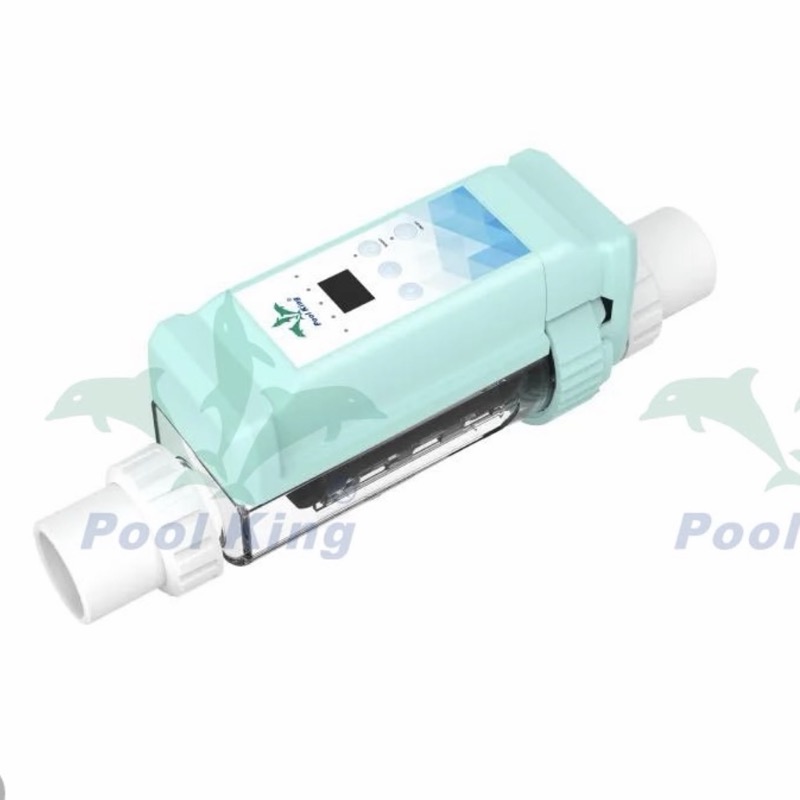
Saltwater pools still rely on chlorine, but instead of adding chlorine directly, a salt chlorine generator (salt cell) converts dissolved salt into free chlorine. [lesliespool]
- You'll add and monitor salt, not liquid or tablet chlorine as your primary sanitizer. [lowes]
- Chlorine output is controlled by the generator's percentage setting and pump run time. [riverpoolsandspas]
- Water tends to feel softer and less irritating than in traditional tablet‑chlorinated pools, which is a major reason many homeowners switch. [lesliespool]
In practice, the daily care of a saltwater pool is similar to a traditional pool: you still manage pH, alkalinity, stabilizer, and calcium; you still rely on a high‑quality filter and pump; and you still need regular brushing, skimming, and vacuuming. [hayward]
Keeping water chemistry within a safe, stable range is the foundation of saltwater pool maintenance. [apiwater]
| Parameter | Ideal Range for Saltwater Pools | Why It Matters |
|---|---|---|
| Free chlorine | 2–4 ppm | Sanitizes water and kills pathogens. (lesliespool) |
| pH | 7.2–7.6 | Comfort for skin/eyes and protects equipment. (lesliespool) |
| Total alkalinity | 80–150 ppm (often 100–150) | Buffers pH and improves stability. (lesliespool) |
| Calcium hardness | 200–400 ppm | Too high = scale; too low = corrosion risk. (lowes) |
| Cyanuric acid (CYA) | 60–80 ppm (typical) | Protects chlorine from UV degradation. (lowes) |
| Salinity (salt) | 2,700–3,500 ppm (check manual) | Required for proper generator output. (lesliespool) |
Test pH and free chlorine at least once a week, and test the full panel—including salinity, alkalinity, CYA, and calcium—about once a month or whenever water looks cloudy or "off." [lowes]
From a user‑experience standpoint, the easiest way to manage a saltwater pool is to follow a simple weekly checklist. Many experienced owners report that once the pool is balanced, they "test once or twice a week and make small corrections" rather than performing frequent major adjustments. [reddit]
Once a week:
1. Test free chlorine and pH.
2. Adjust the salt chlorine generator output if chlorine is low or high.
3. Use pH increaser or decreaser to bring pH back into the 7.2–7.6 range. [riverpoolsandspas]
If pH constantly drifts up—a common behavior in many salt systems—small, regular doses of acid are more stable and equipment‑friendly than infrequent large corrections. [reddit]
- Skim leaves and debris from the surface.
- Empty skimmer and pump baskets.
- Brush walls, steps, and waterline to prevent algae films.
- Vacuum or use a robotic cleaner to remove settled sediment. [swimhere]
These physical cleaning tasks directly reduce the load on your filter and salt system, extending their lifespan and improving swimmer comfort. [lesliespool]
For most residential pools, aim to run the pump and filter at least 8–10 hours a day during the main swimming season, with more runtime during hot weather or heavy use. [swimhere]
A properly sized and maintained filter—such as a fiberglass sand filter, plastic sand filter, or cartridge filter—is critical for clear water and efficient chlorine usage. Manufacturer‑grade commercial filters from companies such as Guangdong Poolking are engineered for consistent flow, backwashing performance, and long‑term durability in both residential and commercial pools. [poolking]
Beyond the weekly routine, certain tasks are best scheduled monthly or every few months to keep your system running like new. [apiwater]
- Check salinity across different spots in the pool to ensure even distribution.
- Verify CYA, alkalinity, and calcium hardness remain in range, and adjust as needed.
- Visually inspect filter pressure and performance; high pressure often signals the need for backwashing or cleaning. [lowes]
- Inspect the salt cell for scale and deposits.
- Deep‑clean the cell following manufacturer instructions, using an appropriate cleaning solution and personal protective equipment.
- Inspect seals, unions, and fittings for leaks or wear. [youtube]
If you close your pool for winter:
- Clean the pool thoroughly, balance water, and check salinity.
- Clean or backwash the filter, remove and store the salt cell per system guidance, and winterize plumbing as needed. [riverpoolsandspas]
When opening, re‑inspect all components, including sand filters or cartridge housings, O‑rings, and pumps, before resuming normal salt generation.
From a manufacturer's perspective, many "water quality issues" that owners blame on chemistry actually originate from undersized or poorly maintained filtration equipment. [poolking.en.made-in-china]
- Sand filters: Robust and easy to operate; ideal for many residential and commercial pools when sized correctly and backwashed regularly. [poolking]
- Fiberglass sand filters: Enhanced corrosion resistance and structural strength, especially suitable for saltwater environments and commercial installations. [degaullepool]
- Plastic sand filters (PE/PP tanks): Lightweight and cost‑effective options with good chemical resistance for medium‑sized pools. [alibaba]
- Cartridge filters: Provide fine filtration without backwashing; excellent for water conservation and clarity when cleaned on schedule. [maygopool]
Experienced manufacturers, including Guangdong Poolking, design complete filtration systems—filters, pumps, LED underwater lights, and fittings—to work together as a balanced ecosystem for both traditional and saltwater pools. [maygopool]
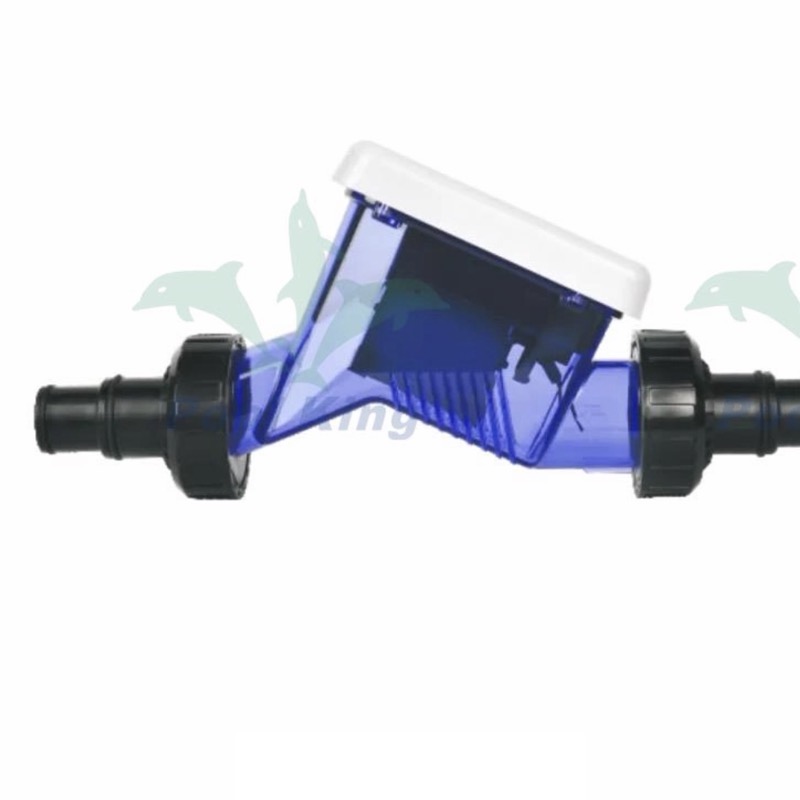
The salt cell is the heart of your system and also one of the most expensive components to replace. Treating it as a critical asset rather than a "black box" helps prolong its life and stabilize water quality. [galaxyhomerecreation]
- Maintain proper salinity. Running below the recommended ppm can overwork the cell; running above may trigger errors and scaling. [galaxyhomerecreation]
- Inspect the cell every 2–3 months, or more often in hard‑water regions. Look for white or off‑white crust along plates and housing. [youtube]
- Clean only when needed. Over‑frequent aggressive acid cleaning can shorten cell life. Follow the manufacturer's dilution ratio and soak times. [youtube]
- Use system "boost" or "super chlorinate" modes after heavy bather loads, storms, or organic contamination, instead of constantly raising baseline output. [swimhere]
Many experienced owners report that once they dial in the correct percentage output and run time for their climate, the salt system requires minimal adjustment—typically only small tweaks between early and late season. [reddit]
Real‑world owners often converge on a simple, repeatable process:
- Test water 1–2 times per week and focus on small corrections rather than big swings. [lesliespool]
- Add muriatic acid regularly in small amounts to keep pH in check, especially in pools with high aeration from spas, waterfalls, or deck jets. [riverpoolsandspas]
- Rely on the salt cell for daily chlorine, supplementing with granular chlorine or shock only during cold weather or unusual conditions. [swimhere]
This aligns with the UX goal of making pool care feel manageable instead of overwhelming; once owners trust their filter, pump, and salt system, maintenance becomes more about habit than troubleshooting. [reddit]
Likely causes:
- Insufficient filtration or pump run time.
- Low free chlorine or high combined chloramines.
- Imbalanced pH or high CYA. [apiwater]
Actions:
- Increase pump run time and clean/backwash the filter.
- Check chlorine and shock the pool if needed.
- Test full chemistry panel and re‑balance.
Likely causes:
- High calcium hardness and/or high pH.
- Excessive salinity or poor circulation. [lowes]
Actions:
- Lower calcium and salinity by partially draining and refilling.
- Bring pH and alkalinity back into range.
- Clean the salt cell and inspect circulation patterns.
Likely causes:
- Salt system output set too low.
- CYA too low (chlorine burning off in sunlight).
- Dirty filter causing poor flow through the cell. [lesliespool]
Actions:
- Temporarily increase output or use boost mode.
- Raise CYA into the saltwater range.
- Clean filter and verify flow.
From a manufacturer's standpoint, matching filter type and size to pool usage is one of the most impactful decisions for long‑term satisfaction. [alibaba]
| Filter Type | Strengths | Ideal Use Case |
|---|---|---|
| Fiberglass sand filter | High strength, corrosion resistance, long life in saltwater. (poolking.en.made-in-china) | Commercial or high‑end residential pools. |
| Plastic sand filter | Lightweight, good chemical resistance, budget‑friendly. (poolking.en.made-in-china) | Medium‑size residential and light commercial. |
| Traditional sand filter | Simple operation, easy backwash, proven design. (poolking.en.made-in-china) | General residential pools. |
| Cartridge filter | Fine filtration, no backwashing, water‑saving. (maygopool) | Areas with water restrictions or clarity‑sensitive owners. |
Manufacturers like Guangdong Poolking design not just filters but complete circulation systems including pumps, valves, and fittings, which are particularly important in complex commercial or multi‑pool installations. [poolking.en.made-in-china]
When setting up or converting to a saltwater pool, following a structured sequence minimizes problems. [galaxyhomerecreation]
1. Fill and circulate
- Fill the pool and verify there are no leaks in piping, filter tank, or pump connections.
- Run the pump and filter continuously for 24 hours to circulate and filter any construction dust. [galaxyhomerecreation]
2. Balance base chemistry (before salt)
- Adjust pH, alkalinity, calcium, and CYA into their recommended ranges.
- Confirm water is clear and stable for at least 24 hours. [apiwater]
3. Add salt gradually
- Calculate total volume and target salinity (for many systems, around 3,000–3,500 ppm).
- Add salt in stages, circulating and retesting instead of dumping everything at once. [lowes]
4. Start and tune the salt system
- After salt fully dissolves and readings are stable, power up the generator.
- Begin at a moderate output percentage and adjust based on test results over the first week. [riverpoolsandspas]
5. Lock in a maintenance rhythm
- Establish a weekly testing schedule and a daily pump runtime that consistently holds chlorine in range.
- Document settings so seasonal adjustments are easy next year.
Even experienced owners benefit from professional support in specific situations:
- Persistent issues with cloudy water, recurring algae, or unexplained stains.
- Repeated salt system error codes even after cleaning and balancing.
- Upgrades to larger filters, variable‑speed pumps, or commercial‑grade equipment. [degaullepool]
Manufacturers like Guangdong Poolking, with more than 20 years in pool filtration, can advise on appropriate sand filter sizing, commercial‑grade fiberglass filter selection, and integrated solutions for pumps, LED lights, and plumbing fittings tailored to saltwater environments. [poolking]
If you already own a saltwater pool, commit to a simple, written weekly routine combining water tests, visual inspection, and basic cleaning. If you're planning a new build or upgrading your system, consider partnering with an experienced manufacturer to select fiberglass sand filters, plastic sand filters, or cartridge filters that match your pool size and usage pattern, and integrate seamlessly with your salt system and pump. [alibaba]
A well‑designed circulation and filtration system transforms saltwater pool care from a chore into a straightforward habit—and pays you back with cleaner water, fewer surprises, and longer‑lasting equipment.
1. Is a saltwater pool really lower maintenance than a traditional chlorine pool?
In day‑to‑day use, many owners find saltwater pools easier because the generator automates chlorine production, but you still need to test and balance chemistry regularly, clean the filter, and maintain good circulation. [reddit]
2. How often should I replace the salt cell?
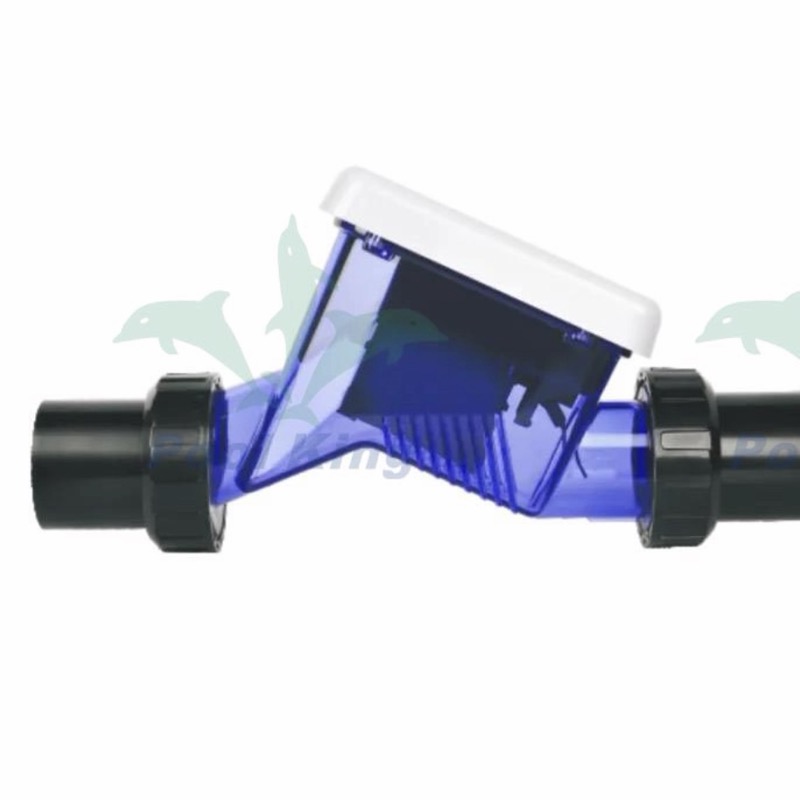
Many salt cells last 3–7 years depending on water balance, run time, and cleaning practices; running at unnecessarily high output or allowing frequent heavy scaling tends to shorten that lifespan. [youtube]
3. Will a saltwater pool corrode my equipment or surrounding surfaces?
Properly balanced water and well‑chosen materials (such as corrosion‑resistant fiberglass sand filters, high‑grade plastics, and suitable metal alloys) significantly reduce corrosion risk; most issues arise from chronic high salinity, poor drainage, or neglected splash‑out areas. [degaullepool]
4. Can I use any filter with a saltwater pool?
Sand, fiberglass sand, plastic sand, and cartridge filters all work with saltwater pools when correctly sized and maintained; many professionals prefer fiberglass sand filters or quality cartridge filters for high‑end saltwater installations due to their strength and corrosion resistance. [maygopool]
5. Do I need to shock a saltwater pool?
Yes, periodic shocking is still recommended after storms, heavy bather loads, or early signs of algae; you can use your generator's boost mode or an appropriate shock product designed for saltwater pools, then retest and rebalance. [swimhere]
1. Hayward. "How To Take Care of a Saltwater Pool." [https://www.hayward.com/blog/post/how-to-take-care-of-a-saltwater-pool]
2. Leslie's Pool Supplies. "Saltwater Pool Maintenance Guide." [https://lesliespool.com/blog/salt-water-pool-maintenance.html]
3. Lowe's. "Saltwater Pool Maintenance and Care Tips." [https://www.lowes.com/n/how-to/saltwater-pool-maintenance]
4. River Pools. "14 Things You Must Know About Saltwater Pool Maintenance." [https://www.riverpoolsandspas.com/blog/saltwater-pool-maintenance-tips]
5. API Water. "Mastering Saltwater Pool Maintenance: A Comprehensive Guide to a Healthy and Safe Pool." [https://www.apiwater.com/blog/mastering-saltwater-pool-maintenance-a-comprehensive-guide-to-a-healthy-and-safe-pool]
6. Galaxy Home Recreation. "Saltwater Pool Maintenance Guide: Easy Salt System Care." [https://galaxyhomerecreation.com/article/saltwater-pool-maintenance-guide/]
7. SwimHere. "Salt Water Pool Maintenance Guide 2026." [https://swimhere.com/salt-water-pool/]
8. Lowe's Community / Reddit discussions on saltwater pool care. Example thread: "New here, is there a FAQ or GUIDE for Salt Water Pool …" [https://www.reddit.com/r/swimmingpools/comments/xe2kv2/new_here_is_there_a_faq_or_guide_for_salt_water/]
9. Guangdong Poolking Filtration Equipment Manufacturing Co., Ltd. "Swimming Pool Sand Filters Suppliers & Manufacturers." [https://www.poolking.co/pool-sand-filter.html]
10. Made‑in‑China. "Commercial Sand Filters for Swimming Pools – Guangdong Poolking Filtration Equipment Manufacturing Co., Ltd." [https://poolking.en.made-in-china.com/product/YodmRDfOOThJ/China-Commercial-Sand-Filters-for-Swimming-Pools.html]
11. Degaulle. "Pool Sand Filter Manufacturer." [https://www.degaullepool.com/pool-sand-filter/]
12. Maygo Pool Equipment Manufacturer. "Pool Filters." [https://www.maygopool.com/products2119909/Pool-Filters.htm]
13. Alibaba listings for plastic/PE sand filter tanks and commercial pool filtration systems. Example: [https://www.alibaba.com/product-detail/Factory-Supply-Swimming-Pool-Filtration-System_1601265707841.html]
14. YouTube. "Hayward Salt Cell Cleaning How to and Tips." [https://www.youtube.com/watch?v=lM1NV_MG0Dc]


