
Views: 222 Author: Tina Publish Time: 2025-09-16 Origin: Site


Content Menu
● Why Replace Pool Ladder Steps?
● Preparation: Tools and Materials
>> Step 1: Confirm Step Size and Purchase Replacement
>> Step 2: Remove the Ladder From the Pool
>> Step 3: Disassemble Damaged Steps
>> Step 5: Reinstall the Ladder and Boots
>> Step 6: Final Checks and Maintenance
>>> Extended Tips for Long-Term Performance
● Selecting Pool Ladder Steps: Models and Materials
● Troubleshooting and Common Questions During Replacement
● Safety: Importance of Timely Step Replacement
● Case Study: Replacement in Action
● Maintenance Checklist After Replacement
● Advanced Insights for Pool Professionals
>> 1. How do I measure for the correct replacement pool ladder step?
>> 2. Are pool ladder steps universal?
>> 3. What kind of material is best for pool ladder steps?
>> 4. How often should I inspect pool ladder steps?
>> 5. What should I do if multiple steps break at once?
>> 6. Can I install new steps myself?
Pool ladders undergo continual wear and tear due to frequent use and exposure to chemicals, making their steps vulnerable to cracking, fading, or breaking. Replacing damaged steps is crucial to maintain safety for swimmers, prevent accidents, and ensure user comfort. This comprehensive guide walks through everything required for efficient pool ladder step replacement, featuring detailed instructions, maintenance tips, model comparisons, support to assist both professional maintenance crews and DIY pool owners.[1][3][6]
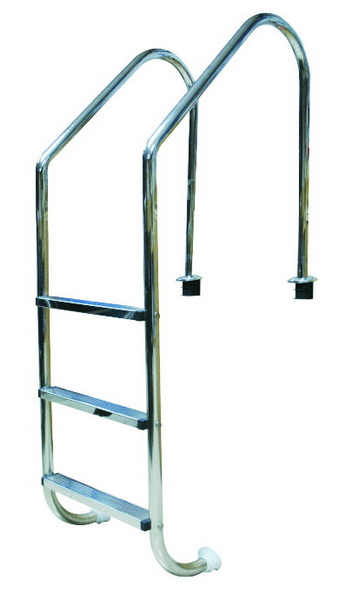
Broken, loose, or slippery steps seriously compromise safety. Routine inspections for damage—such as cracks, wobbling, and loss of grip—help prevent injuries. Damaged steps may deteriorate after two years of use or earlier depending on exposure to UV rays, harsh chemicals, and temperature fluctuations. Replacement is necessary if:[3]
- Steps show cracks or fractures.
- The grip surface has faded.
- There is visible rust or corrosion on the hardware.
- Steps feel loose or wobble under pressure.
Gather the following supplies before starting:
- Replacement steps (length matched by measuring between rails; common sizes are 18", 19", and 20").[4][7][1]
- Socket wrench and deep sockets (usually 14mm, 1/2", or 9/16").[1][6]
- Flathead and Phillips screwdrivers.
- Measuring tape for accurate step sizing.[1]
- New bolts and nuts (some kits include these; verify before purchase).[5]
- Grease (for thread protection and corrosion prevention).
- Escutcheon plates or boots (optional, protect liner and anchors).[8]
Precise measurement is essential. Run a tape measure from bar to bar on the ladder rails, laying it flat across the existing steps to find the width. Consider step thickness and compatible rail diameters (commonly 1.9"). If in doubt, bring the old step to the pool supply store for comparison. Purchase quality replacements; heavy-duty plastic or polymer are favored for durability.[7][4][5][1]
Start by removing the ladder from the pool to allow easy access.
- Loosen bolts at the deck mounts using a socket wrench.[6][1]
- Slide escutcheon plates and boots from rails.
- Gently pull ladder out vertically, being careful not to damage vinyl liners or drop ladder bungs.[1]
- Lay the ladder on a stable surface near the pool.
With the ladder out of the pool:
- Remove the nuts and bolts securing the broken step using a wrench or screwdriver.[6][1]
- If the step is stuck, gently tap the bolts with a rubber mallet.
- Leave at least one old step installed during the process to maintain rail spacing; this makes adding new steps easier.[1]
- Dispose of damaged steps according to local recycling guidelines.
Align the new step with the holes on the ladder rails:
- Thread bolts through the step and rails, hand-tighten locking nuts to maintain minor slack at first. This eases installing all steps correctly and prevents warping.[1]
- Once all steps are in position, finish tightening nuts evenly with the socket wrench.[1]
- Confirm a snug fit for each step to minimize movement or squeaking.
- Check step orientation—some models feature traction grooves or plates for extra grip, which should face upward.[7]
Replace boots and escutcheon plates before reinstalling the ladder. Lower the ladder carefully so that rails align with deck mounts. Re-tighten anchor bolts securely using a wrench. Slide protective covers over bolts to complete.
After installation, perform routine safety checks:
- Wiggle steps to confirm installed stability.
- Inspect bolts and nuts monthly for corrosion; re-tighten as needed.[8]
- Regularly clean steps and mounts to remove calcium or debris.
- Replace steps immediately if new cracks or color fading appear.
To extend the lifespan of replaced ladder steps:
- Always use pool-safe cleaners; harsh chemicals damage polymers and plastics.
- Store spare steps in a dry environment for quick replacement if an accident occurs.
- For pools with high bather loads, consider thicker tread steps (up to 3.75" wide) for added safety and comfort.[4]
- Periodically lubricate bolts to protect from rust and ease future replacements.
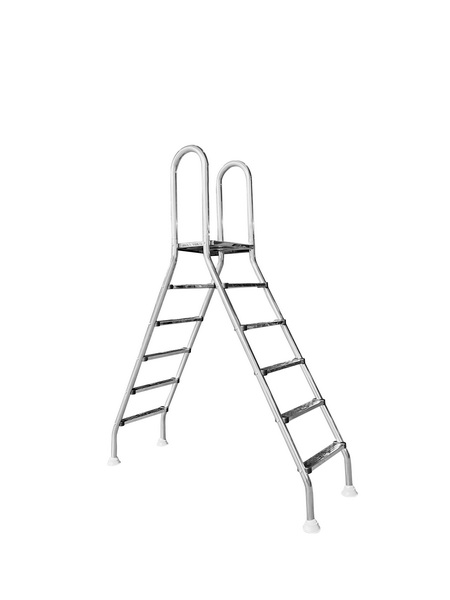
| Brand/Model | Size | Material | Features |
|---|---|---|---|
| Saftron Polymer Ladder | 20" | Polymer | Traction grooves, UV-resistant |
| SR Smith HIP | 18", 19", 20" | Polymer/Stainless | Heavy-duty rails |
| Bestway Step | 18", 19" | Plastic | Universal fit |
| Poolzilla Universal | 19" | Molded Plastic | Wide tread, durable |
| Innovative Pool Products | 19", 20" | Plastic | Sure-footed, universal fit |
[11][12][5][4][7]
Even with quality parts, challenges may arise:
- Bolt Won't Loosen: Apply penetrating oil and wait 10 minutes. Tap gently to unstick.
- Step Won't Fit: Confirm measurements between rails. Don't force steps—exchange for correct size.
- Worn Boots/Escutcheons: Replace these along with steps if they're cracked; they protect pool finish and prevent anchor shifting.
- All Steps Worn: Replace the whole set at once if multiple cracks appear. Group purchasing often saves costs.
- No Traction: Consider steps with grooved or textured surfaces for non-slip safety, especially for commercial pools.
Neglecting damaged steps can result in severe injuries—slips, lacerations, or sprains are commonly reported when broken pool ladder steps are left unrepaired. Manufacturers advise examining ladder steps every swim season and immediately discontinuing use if cracks or instability arise. For recalled models or those after extended years of use, check eligibility for manufacturer safety replacement programs.[3]
Imagine two steps break in the shallow end during the busy swim season. Kids can't exit safely, leaving the pool almost unusable. A timely replacement restores full safe access in less than an hour, with just a basic tool set and straightforward instructions.
- Monthly: Check all bolts, nuts, and steps for security.
- Seasonal: Inspect for fading, cracks, or slipperiness; replace as needed.
- Annually: Clean mounts, boots, and rails; store spare steps.
- After heavy bather loads or storms: Perform a quick safety check to catch stress-related damage.
For commercial pools and facility managers:
- Keep records of ladder step replacement history and dates.
- Source steps from reputable suppliers offering easy reordering.
- Train staff to recognize early signs of wear.
- Consider bulk purchases for multi-pool complexes.
For pool designers and builders:
- Specify steps with higher resistance to UV and chemical exposure.
- Recommend steps featuring easy-grip surfaces and quick-change designs for maintenance efficiency.
As a leading Chinese factory specializing in sand filter and filtration products, offering OEM services to international partners, providing specialized replacement pool ladder steps can be valuable for brand owners and contractors. Focus on durability, anti-slip surface technology, and easy installation designs to address both retail and commercial needs. Collaborating with pool product brands to supply quality replacement steps will position the company as an essential solution provider in the global pool accessories market.[5][4]
Regular pool ladder step replacement is an essential safety and maintenance practice for all pools. A few simple tools, careful measurements, and high-quality replacement parts restore safe access in minutes and offer peace of mind for swimmers and owners. By following the thorough instructions and maintenance protocols outlined above, anyone can ensure robust performance and longevity for their pool ladders. Periodic safety checks, proper cleaning, and immediate replacement of worn steps guarantee accident-free pool enjoyment for years to come.[6][1]
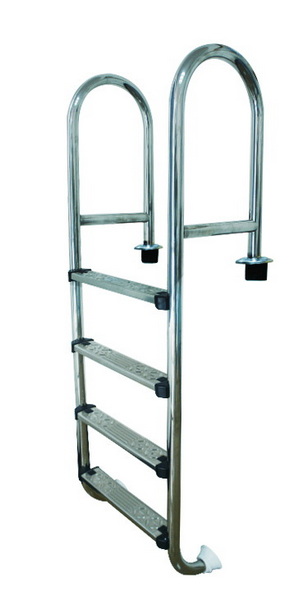
Measure the width between the ladder rails using a tape measure; typical sizes are 18", 19", or 20".[4][1]
No. Match the length and rail diameter for compatibility. Most steps fit standard 1.9" rails, but always confirm before purchase.[4][7]
Heavy-duty plastic, polymer, or stainless steel provide durability and chemical resistance.[5][7]
Monthly checks are recommended; inspect for cracks, fading, and grip wear.[3][8]
Replace all steps together for safety and comfort—group purchasing often saves cost and downtime.[3][1]
Yes—most replacement steps come with hardware and can be installed using basic tools following the guides above.[6][1]
[1](https://www.youtube.com/watch?v=z2tjyznDJek)
[2](https://mrpoolman.com.au/blogs/news/easily-install-or-replace-your-pool-ladders-and-rails)
[3](https://www.cpsc.gov/Recalls/1987/POOL-LADDER-STEP-SAFETY-REPLACEMENT-PROGRAM)
[4](https://www.innovativepoolproducts.com/pool-ladder-steps.html)
[5](https://bestwayusa.com/above-ground-pool-ladder-step-replacement-black-gray-p6h1163ass16)
[6](https://www.youtube.com/watch?v=_yBnahSurlQ)
[7](https://saftron.com/products/pool-ladder-step)
[8](https://pool-life.com/pool-ladders-rails-and-steps-resource-guide-pool-contractor/)
[9](https://www.youtube.com/watch?v=LlC8TAgSdHI)
[10](https://www.youtube.com/watch?v=6lg8kCHO0m0)
[11](https://poolzilla.com/collections/ladders-steps-rails)
[12](https://www.poolzoom.com/category/swimming-pool-ladder-replacement-tread-steps.html)


