
Views: 222 Author: Tina Publish Time: 2025-09-16 Origin: Site


Content Menu
● Why Replace Inground Pool Ladder Anchors?
● Safety and Bonding Essentials
● Step-by-Step Guide: Replacing Ladder Anchors
>> Step 1: Remove the Ladder and Old Anchors
>> Step 2: Access and Remove Damaged Anchors
>> Step 3: Locate and Inspect Bonding Wire
>> Step 4: Prepare Anchor Holes
>> Step 5: Install Replacement Anchors
>> Step 7: Final Checks and Cleanup
● Pro Tips for a Successful Replacement
>> 1. Do all pool ladder anchors need electrical bonding?
>> 2. Can anchors be replaced without breaking concrete?
>> 3. How do I measure anchor spacing for a replacement?
>> 4. What grout should I use around pool ladder anchors?
>> 5. How long before the ladder is safe to use after anchor replacement?
Replacing inground pool ladder anchors ensures safety, structural integrity, and user comfort for countless pool owners and facility managers. This guide provides a step-by-step process with clear explanations, rich visuals, and full technical details for a successful ladder anchor replacement.[1][2][3]
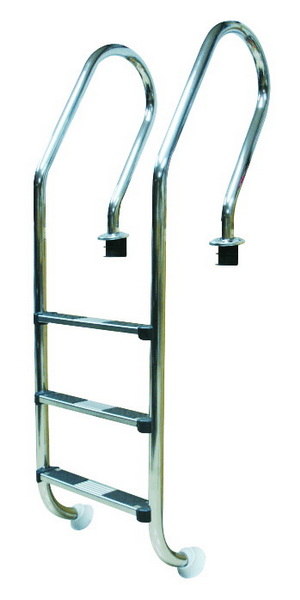
Worn, corroded, or broken anchors can compromise ladder stability, pose serious safety hazards, and fail local pool code requirements. Common causes for replacement include:
- Metal corrosion from pool chemicals[1]
- Physical damage from heavy use or storms[4]
- Age-related wear (anchors lose grip/tension)
- Faulty initial installation, such as improper bonding
- Concrete deck movement or settling
Before starting, assemble these essential tools and materials:
- Replacement ladder anchors, sockets (brass/stainless steel recommended)[3][5]
- Corded drill with core bit or impact hammer drill[2][6]
- Non-shrink grout for fixing anchors[2]
- Channel set bar for new anchor installations[5]
- Steel mesh (for deck repairs)
- Power washer (for post-install cleanup)[2]
- Multimeter (for safety bonding checks)[6]
- Standard wrench (for ladder bolts)
- Safety gear (gloves, goggles, ear protection)
- Pool ladder repair plugs or surface mount anchors, for legacy repairs[7]
Pool ladder anchors must be bonded (connected) to the pool's electrical bonding system. Missing or damaged electrical bonds can cause dangerous voltages or metal corrosion (electrolysis). Always:[8][1][2]
- Locate and inspect the bonding wire before installing anchors
- Use a #8 solid copper wire for bonding per pool code[1]
- Ensure the bonding is continuous around the pool perimeter
- Loosen and remove bolts securing the ladder rails to the anchor cups[9][10]
- Pull the ladder rails free; inspect for bent or corroded ends[7]
- If surface covers or escutcheon plates are present, remove them
Depending on anchor style:
- For cast-in-place anchors: Chip away surrounding concrete until anchor is exposed and removable[1][2]
- For deck-mounted anchors: Unscrew and lift out old anchors[5]
- Clean out anchor holes thoroughly, removing debris, corrosion, and any residue
- Search for the bonding wire under the deck (usually near anchor locations)[2][1]
- Use a multimeter to confirm electrical continuity between anchor and pool bonding loop[6]
- Repair, replace, or extend the wire if necessary, ensuring a tight connection to new anchors
- Mark precise locations for new anchor cups/holders[11][3]
- Drill holes with a core bit sized for the anchor (usually 1.5–2 inches in diameter, depth to match anchor length)[2]
- Clean out each hole, removing all dust and debris
- Insert new anchors into the cleaned holes[3][11]
- Connect bonding wire to the dedicated grounding tab/slot on each anchor[6][1]
- Mix non-shrink grout, pour around anchor for a tight fit (avoid air bubbles)
- Allow grout/concrete to set fully per manufacturer guidelines (typically 12–24 hours)[2]
- Slide ladder rails into new anchor cups, ensuring full depth[10][9]
- Tighten bolts/wedges – do not overtighten[6]
- Snap escutcheon plates/covers over the anchor holes for a clean finish
- Test ladder for stability, ensuring no movement[10][6]
- Inspect bond wire connections and test for continuity with multimeter[6]
- Power wash the area to remove any residual grout/dust[2]
- Allow 7–14 days for full concrete cure if new deck section was poured[5]
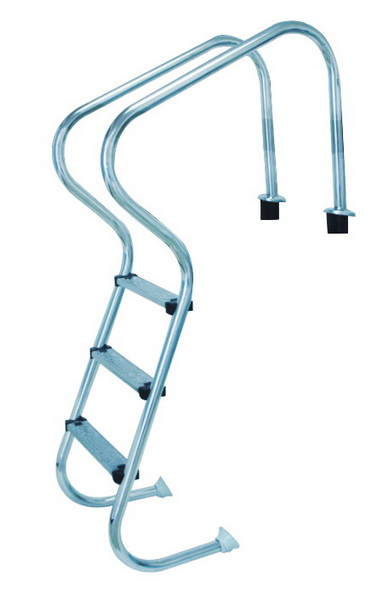
- Use brass anchors for superior corrosion resistance
- Always check anchor spacing: Most standard ladders use 20-inch on-center spacing[12][5]
- If existing anchors are deformed, consider surface mount alternatives for easier installation[7]
- For DIYers: Wear personal protective equipment and consult a licensed electrician if unsure about pool bonding
| Issue | Cause | Solution |
|---|---|---|
| Ladder wobbles after install | Loose anchor/grout | Retighten bolts, regrout anchor |
| Anchor hole too small/buildup | Corrosion/metal expansion | Sand/clean hole, replace anchor if needed |
| Bond wire missing | Poor initial install | Run new wire, connect to pool bonding grid |
| Ladder rails won’t fit | Rail bent or anchor misaligned | Replace rail, reposition anchor holes |
| Concrete cracking around anchor | Deck movement/weak grout | Re-pour with additional mesh and thicker grout |
Replacing inground pool ladder anchors is critical for pool safety and comfort. The process requires careful attention to bonding, anchor positioning, sturdy installation, and proper tool use. With step-by-step instructions, professional tips, and essential safety checks, this guide empowers anyone to achieve a secure, long-lasting ladder install.[1][6][2]
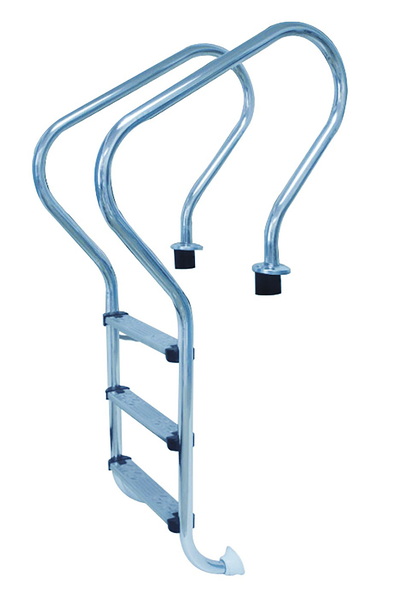
Yes, for safety, every anchor should connect to the pool's bonding system. Improper bonding risks metal corrosion, dangerous stray voltage, and electrical code violations.[8][1]
Surface mount anchors can be installed directly onto pool decks, but cast-in-place anchors require concrete chipping and removal.[7][5]
Measure the distance between anchor centers. Standard ladders use 20-inch spacing; confirm with the replacement ladder manual.[12][5]
Non-shrink grout is ideal; it remains stable over time, avoiding gaps that could allow anchor movement.[2]
Allow concrete or grout to cure fully – typically 12–24 hours for grout, 7–14 days for new concrete deck sections.[5][2]
[1](https://www.youtube.com/watch?v=tn-SqBQe26c)
[2](https://www.youtube.com/watch?v=km3NlOGvjD0)
[3](https://www.poolkingfilter.com/how-to-install-inground-pool-ladder-anchors.html)
[4](https://www.reddit.com/r/pools/comments/ncjgm5/how_to_replace_pool_ladder_anchors/)
[5](https://intheswim.com/inground-pool-ladders-steps/)
[6](https://www.youtube.com/watch?v=6lg8kCHO0m0)
[7](https://www.reddit.com/r/pools/comments/13ap2l4/advice_how_to_fix_ladder_mount/)
[8](https://www.srsmith.com/media/126979/rail-installation-guide-10_2017-lr.pdf)
[9](https://www.youtube.com/watch?v=kBZZrt8Gop4)
[10](https://www.youtube.com/watch?v=z2tjyznDJek)
[11](https://www.poolkingfilter.com/how-to-install-pool-ladder-anchors-in-concrete.html)
[12](https://www.innovativepoolproducts.com/pool-ladder-steps.html)
[13](https://www.youtube.com/watch?v=cqGXFASqmak)
[14](https://naavagreen.com/How-To-Install-Pool-Ladder-Anchors-In-Concrete/644100)
[15](https://www.youtube.com/watch?v=hGlEFLdk-jQ)
[16](https://www.doheny.com/media/Pdfs/26401-install.pdf)
[17](https://www.poolsupplies.com/shop/replacement-ladder-parts)
[18](https://www.homedepot.com/p/Main-Access-Universal-Anchor-Swimming-Pool-Ladder-Step-Sand-Weight-6-Pack-6-x-200888/310623858)


