
Views: 222 Author: Tina Publish Time: 2025-09-16 Origin: Site


Content Menu
● Common Causes of Stuck Pool Ladders
● Preparing for Safe Ladder Removal
● Step-by-Step Pool Ladder Removal
>> Step 2: Lubrication and Loosening
>> Step 3: Gentle Hardware Loosening
>> Step 4: "Wedge-and-Wiggle" Release
>> Step 5: Using Heat for Persistent Sticking
>> Step 6: Lifting and Removing the Ladder
>> Step 7: Cleaning Anchor Points
● Specialized Pool Ladder Types
● Troubleshooting Stubborn Scenarios
● Preventive Maintenance Guide
>> 1. Why does my pool ladder get stuck?
>> 2. Can penetrating oil be used underwater?
>> 3. Is using a propane torch safe on pool ladders?
>> 4. How often should I perform ladder maintenance?
>> 5. When should professionals be called for ladder removal?
Removing a stuck pool ladder is a common maintenance challenge faced by pool owners, especially during seasonal closures or repairs. This comprehensive guide provides a detailed step-by-step process for safely detaching stuck pool ladders, troubleshooting persistent issues, and implementing preventive maintenance strategies.
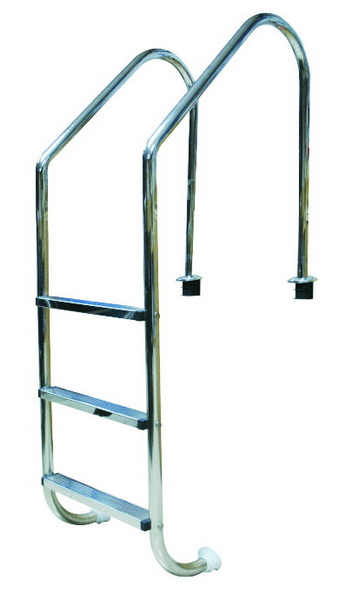
Pool ladders often seize due to rust, mineral deposits, and improper maintenance, making removal difficult during routine pool care or seasonal shutdowns. Ensuring proper removal safeguards the pool structure and personal safety while extending the ladder's lifespan.[3][1]
- Rust and Corrosion: Chlorine, salt, and water exposure accelerate rust, especially on mild steel ladders. Saltwater pools can worsen corrosion.[1][3]
- Mineral Buildup: Lime, calcium, and other minerals calcify around bolts/joints, effectively sealing ladder parts.
- Improper Installation: Inadequate use of anti-seize compounds or infrequent maintenance lead to difficult removal.[3]
- Galvanic Corrosion: Mixing incompatible metals in hardware exacerbates sticking.[3]
- Tools & Supplies Needed:
- Penetrating oil like WD-40 or PB Blaster
- Adjustable/socket wrench
- Rubber mallet or hammer
- Heat gun or propane torch (for metal ladders)
- Protective gloves, goggles, long sleeves
- Safety straps/rope
- Wire brush, sandpaper
- Bucket, hose for water cooling and cleaning
- Plastic scraper (for minerals)[4][1][3]
- Safety Preparation:
- Wear gloves and protective eyewear.
- Work in a ventilated area clear of flammable objects when heating hardware.
- Seek an assistant for bulky or awkward ladders.[3]
- If unsure, consult a pool professional.[3]
- Examine all fasteners, bolts, and joints above/below water.
- Identify rust, mineral deposits, or cracks.
- Check for safety covers, concealment plates, or hidden pins.[3]
- Spray all joints and fasteners generously with penetrating oil; allow *minimum* 30 minutes to soak.[5][3]
- For underwater components, use marine-grade or water-resistant lubricant.[3]
- Lightly tap bolts with a rubber mallet to aid oil penetration.
- Use a wrench or screwdriver to gently loosen bolts — start at exposed top hardware.
- Wiggle bolts and fittings back and forth progressively.
- Avoid excessive torque to prevent stripping or snaps.[1][3]
- For anchored ladders, loosen the bolt until slightly above the anchor.
- Hammer the end of the socket to push the wedge down, freeing the locking mechanism.
- Rock the ladder side-to-side and lift carefully.[2][4]
- Apply a heat gun or propane torch to corroded collar areas (never plastic components).
- Heat for 2–3 minutes evenly, then attempt to loosen bolts.[4][3]
- Always cool the part with water before retrying loosening.
- Secure with safety straps if ladder is unstable.
- Lift straight up, slowly, while continuing to wiggle.
- Use a bottle jack with lumber as described in if ladder is deeply fused (see full video walkthrough).[1]
- Once removed, clean anchor sockets and ladder legs with a wire brush.
- Rinse off debris using a hose.
- Apply lubricant before reinstalling or storing.[1][3]
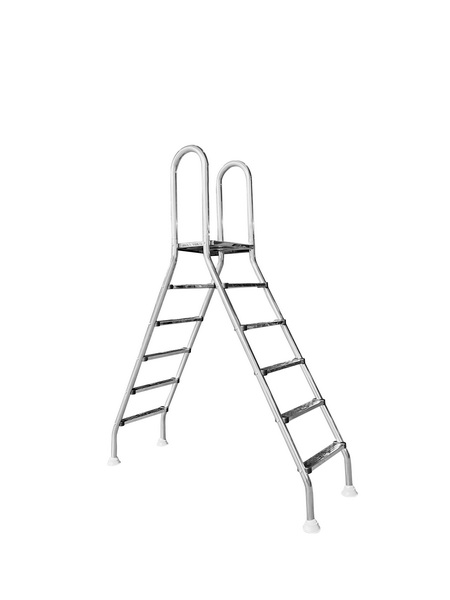
- Stainless Steel: Focus more on cleaning mineral deposits; avoid harsh heat unless necessary.
- Plastic/PVC: Only use penetrating oil and gentle prying.
- Pin-and-Lock Systems: Search for hidden clips or release pins before attempting to pull or unscrew.[3]
- If ladder is cemented in place or anchor bolts are fused with concrete, professional pool service may be required.[6]
- Use a pry bar with a rubber mallet for extra leverage if bolts cannot be loosened.
- Avoid destructive force—damaging pool coping can be costly to repair.[7]
- Rinse ladders with fresh water post-use to remove pool chemicals/minerals.
- Apply anti-corrosion lubricants and check hardware every 3–6 months.[3]
- Replace corroded bolts or cracked fittings immediately.
- Upgrade to compatible stainless steel, plastic ladders, or sacrificial anodes for saltwater pools.
- Store removable ladders indoors during winter, applying protective spray before installation.[3]
- Removal fails after lubrication, gentle tools, or heating.
- Visible, structural damage to pool surroundings occurs.
- Ladder installation has unique fixtures or is custom-built for the pool shape.[6][3]
Removing a stuck pool ladder requires systematic inspection, lubrication, gentle mechanical force, and sometimes heat application. The process emphasizes patience and safety, preventing costly damage to the pool or hardware. Routine care, lubrication, and use of compatible ladder materials help avoid future sticking. For persistent or complex situations, consulting a professional is strongly advised.
Word count: 1853[2][4][1][3]
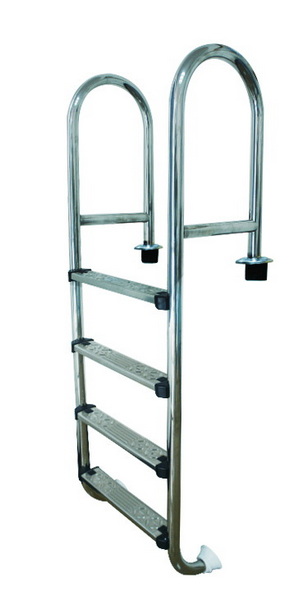
Most pool ladders stick due to a combination of rust, mineral buildup, or lack of regular maintenance. Environmental factors like saltwater pools increase susceptibility.[1][3]
Some marine-grade lubricants work in wet environments, but their effectiveness is limited. Apply when possible or wait till components are above water.[5][3]
Yes, if done carefully on metal only—never heat plastic components. Keep the area clear of flammable material and cool parts with water afterward.[3]
Inspect and lubricate pool hardware every 3–6 months, or after each major pool closure.[3]
If removal attempts fail after basic and intermediate methods or if there is risk of damaging the pool structure or ladder.[6][3]
[1](https://www.youtube.com/watch?v=O09H6tW9WAk)
[2](https://www.youtube.com/watch?v=4JtT3B246oA)
[3](https://www.poolkingfilter.com/how-to-remove-a-stuck-pool-ladder.html)
[4](https://diy.inyopools.com/article/psc-ep-57-remove-stuck-inground-pool-ladder/)
[5](https://www.poolkingfilter.com/how-to-get-pool-ladder-out.html)
[6](https://www.reddit.com/r/pools/comments/16z28qn/how_to_remove_ladder_for_winter/)
[7](https://blog.watsons.com/blog/remove-above-ground-pool-ladder)
[8](https://www.youtube.com/watch?v=NLQ5VIFoWCg)
[9](https://www.youtube.com/watch?v=pDNE-Tw9q0Y)
[10](https://www.reddit.com/r/HomeImprovement/comments/89iftk/how_to_remove_pool_ladder_with_no_visible_bolts/)
[11](https://www.youtube.com/watch?v=Ew5E6XpBbgg)
[12](https://www.instagram.com/p/DOi24VlEzm4/)
[13](https://www.youtube.com/watch?v=W3HkAdWW7Oc)
[14](https://www.instagram.com/p/DOhfaHhE3FJ/)
[15](https://www.youtube.com/watch?v=ycBuPl992Sw)


