


Content Menu
● Step-by-Step Guide to Quiet Your Pool Pump
>> 1. Isolate the Pump to Reduce Vibrations
>> 2. Build or Buy a Soundproof Pool Pump Enclosure
>> 3. Upgrade to a Variable Speed Pool Pump
>> 4. Routine Maintenance for Quiet Operation
● Soundproofing Materials and Products for Pool Pumps
● DIY Soundproofing and Noise Reduction Ideas
● Additional Tips for Long-Term Noise Control
>> 1. Why is my pool pump so loud?
>> 2. Will rubber pads really help reduce noise?
>> 3. Can I build my own soundproof enclosure?
>> 4. What benefits does a variable speed pump offer?
>> 5. How often should I maintain my pool pump?
Owning a swimming pool offers a wonderful retreat and a fun way to cool off during hot days. However, the noise generated by your pool pump can sometimes interfere with your relaxation and enjoyment. Pool pump noise can be disruptive not only to you but to neighbors as well, especially in quiet neighborhoods or during late hours. Fortunately, there are many effective ways to minimize or even eliminate this noise. This comprehensive guide will help you understand why your pump is noisy and provide detailed, practical steps—from maintenance to soundproofing and equipment upgrades—to create a peaceful pool environment. Whether you are a homeowner or a pool maintenance professional, this article will equip you with the knowledge to quiet your pool pump efficiently.
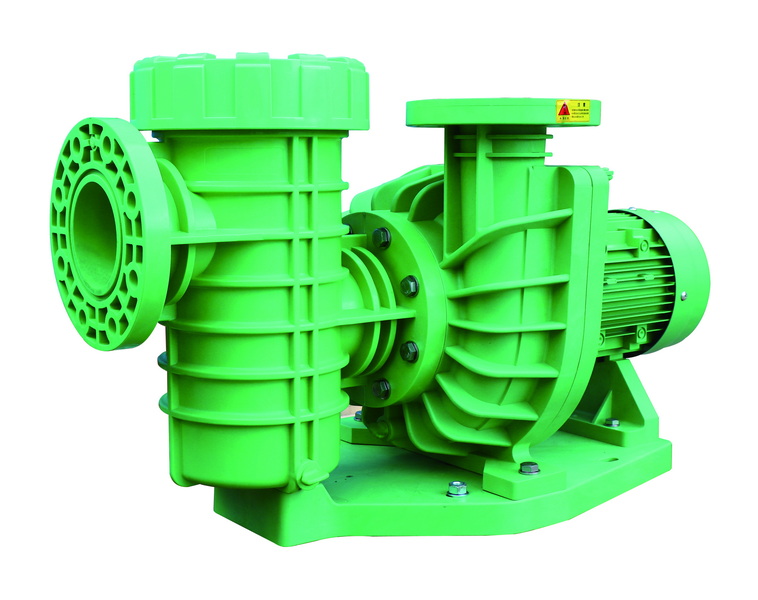
Pool pumps are mechanical devices that circulate pool water through filters and heaters to keep the water clean and clear. The primary sources of noise from pool pumps include:
- Motor noise: Most common pool pumps use electric motors that spin impellers at high speeds, often around 3450 RPM for single-speed pumps. This high-speed operation causes a loud humming or buzzing sound.
- Vibrations: The pump rests on a solid base such as a concrete slab, which can transmit vibrations into the ground and nearby structures. These vibrational noises often amplify, making the pump sound louder.
- Plumbing noise: Rigid PVC pipes connected to the pump can vibrate and rattle if not properly isolated. Turbulence inside the pipes due to excessive flow or tangled fittings can further add to the noise.
- Mechanical issues: Loose bolts, damaged bearings, clogged impellers, or debris trapped inside the pump can cause rattling, grinding, or whirring sounds.
Understanding these noise sources helps you target the most effective methods for noise reduction.
Vibration is a major contributor to pool pump noise since the energy from the motor is transmitted through the pump base and piping to surrounding structures.
- Install rubber or anti-vibration pads: Place these pads under the pump to absorb mechanical vibrations. High-density rubber mats or commercially available vibration isolation pads work best. As a budget option, dense yoga mats or foam padding can also help.
- Use flexible pipe connectors or rubber couplings: Replace rigid PVC sections near the pump with flexible components to reduce vibration transmission through pipework.
- Secure the pump tightly: Check all mounting bolts, screws, or clamps and tighten them. Loose hardware can amplify noise with rattling sounds.
Enclosing your pool pump in a soundproof case reduces airborne noise dramatically:
- Use solid, dense materials: Construct the enclosure from ½-inch or thicker plywood, MDF, or composite boards.
- Seal all gaps: Apply acoustic sealant or caulking to close seams and prevent sound leakage.
- Add sound-absorbing materials: Line the interior with acoustic foam panels or specialized outdoor soundproofing products like BlocknZorbe™. These absorb and dampen sound waves inside the enclosure.
- Add mass: Attach mass loaded vinyl (MLV) sheets inside the enclosure for extra sound blocking.
- Ensure adequate ventilation: Pumps generate heat and need airflow. Design ventilation baffles or vents lined with sound-absorbing material to reduce noise escape without compromising cooling.
One of the most effective long-term solutions is replacing a noisy single-speed pump with a modern variable speed pump:
- Lower, adjustable RPM: Variable speed pumps can run at much lower speeds (e.g., 800–1800 RPM), producing significantly less noise.
- Energy efficiency: Running at optimized lower speeds not only reduces noise but also cuts electrical consumption, saving money.
- Flexible scheduling: You can set run times and flow rates tailored to your pool circulation needs, further minimizing loud operation.
- Longer pump lifespan: Reduced mechanical stress at lower speeds extends motor life and reduces wear.
Maintaining your pump and pool system keeps noise in check by avoiding inefficiencies and mechanical strain:
- Clean skimmer and pump baskets: Debris traps increase pump workload and noise.
- Check and clean the impeller: Leaves, hair, or dirt caught in the impeller cause imbalance and noise.
- Inspect bearings: Worn bearings produce a grinding or whining noise. Replace bearings promptly.
- Lubricate motor parts: When applicable, to reduce friction noises.
- Check water level: Maintain a proper pool water level; low water causes cavitation noise as the pump struggles to draw water.
Several specialized materials and products can further reduce pool pump noise:
- Acoustic foam panels: Lightweight and effective for absorbing sound waves inside enclosures.
- BlocknZorbe™: Outdoor-rated, dense soundproofing panel systems that block and absorb noise.
- Mass Loaded Vinyl (MLV): A high-density flexible barrier placed inside enclosures or around pump huts to block sound transmission.
- Anti-vibration mats/pads: Dense rubber or foam mats to isolate pump vibrations from the ground.
- Weatherproof soundproof blankets: Useful as temporary sound barriers around pump areas or on fences.
For homeowners wanting cost-effective, hands-on noise reduction solutions:
- Construct a wooden or metal frame cover: Line the interior with acoustic foam or soundproof panels.
- Use soundproof blankets: Hang them on fences or enclosures near the pump.
- Rubber mats or yoga mats underneath: To absorb vibration under the pump.
- Place weather-resistant acoustic panels around the pump housing: Further dampening outdoor pool pump noises.
- Create baffles or channels for airflow lined with acoustic foam: Ensures cooling without noise leakage.
- Location: Position your pump as far as possible from outdoor living spaces and neighbor boundaries.
- Regular inspection: Periodically check all plumbing, valves, and pump fittings for tightness and absence of leaks.
- Balance plumbing flow: Avoid unnecessary elbows or restrictions that cause turbulence and noise.
- Use insulated piping: Pipe insulation not only conserves heat but also reduces noise.
- Replace aging pumps: Older pumps tend to be louder and less efficient. Modern units have improved noise control.
Reducing pool pump noise effectively requires addressing both the mechanical vibrations and airborne sound generated during operation. You can start by isolating the pump with vibration-absorbing mats and coupling flexible piping around it. Building or purchasing soundproof enclosures lined with acoustic panels greatly reduces noise levels. Regular maintenance ensures the pump runs smoothly without excessive noise caused by debris or worn parts. The most significant improvement often comes from upgrading to a variable speed pool pump that runs quieter and saves energy. Combining these strategies will provide a much quieter, more peaceful pool environment for you and your neighbors.
Noise usually comes from the motor's high speed and vibrations transmitted through rigid installations and loose parts.
Yes, rubber or vibration isolation pads absorb vibrations, preventing noise from transferring to concrete or ground surfaces.
Absolutely. Use dense materials like plywood, ensure airtight sealing, add acoustic foam inside, and maintain proper ventilation.
Variable speed pumps operate quietly at lower RPMs, save energy, and prolong pump lifespan.
Routine monthly inspections and cleanings during pool season are recommended to keep the pump quiet and efficient.


