
Views: 222 Author: Tina Publish Time: 2025-09-05 Origin: Site


Content Menu
● Tools and Parts You Will Need
● Step 1: Unboxing and Organizing
● Step 2: Assembling the Ladder Frames
● Step 3: Installing the Steps
● Step 4: Securing Safety Features
● Step 5: Installing the Ladder onto the Pool
● Step 6: Final Checks and Safety Testing
● Maintenance Tips for Long-Lasting Ladder Performance
● Important Safety Tips to Keep in Mind
● Frequently Asked Questions (FAQs)
>> 1. How long does it usually take to assemble a Bestway pool ladder?
>> 2. Can I install the ladder myself or do I need professional help?
>> 3. Where can I get replacement parts if something breaks?
>> 4. How do I keep the ladder from rusting in a chlorine pool environment?
>> 5. Will this ladder fit all Bestway pool models?
>> 6. What safety precautions should I take after assembling the ladder?
When you own an above-ground swimming pool such as those from Bestway, having a sturdy, reliable, and easy-to-use ladder is essential. A pool ladder provides safe access in and out of the pool, minimizing the risk of slips and falls—especially important if children or elderly family members are using the pool. Bestway designs user-friendly ladders that can be assembled with minimal tools and effort.
In this comprehensive guide, we will walk you through the entire process of putting together a Bestway pool ladder, including preparations, detailed assembly instructions, safety tips, maintenance recommendations, and troubleshooting common problems. Whether you're setting up your first ladder or replacing an old one, this tutorial will help you complete the task smoothly and confidently.

Before you begin assembly, it's important to have everything ready to ensure the process goes smoothly without interruptions.
Tools:
- Phillips head screwdriver
- Adjustable wrench or spanner
- Rubber mallet (optional but helpful for gently securing parts)
- Protective gloves (optional for better grip and safety)
Parts typically included in the Bestway pool ladder kit:
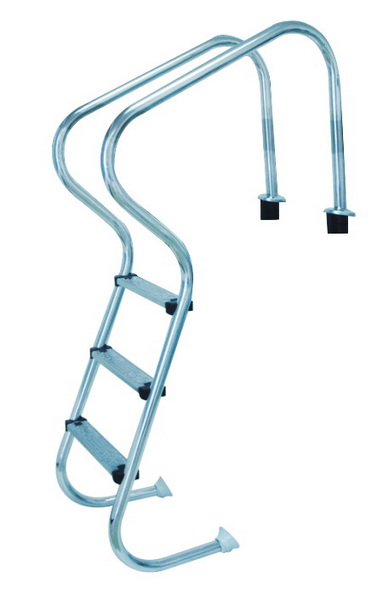
- Two vertical side ladder frames (left and right)
- Multiple horizontal steps (usually 4 to 6) with anti-slip surfaces
- Top platform or deck (some models might have this for safer entry/exit)
- Step pins or bolts to fasten steps to frames
- Locking pins and safety caps
- Rubber feet or pads to prevent slipping and protect surfaces
- Instruction manual
Make sure to verify all parts against the supplied packing list before starting.
Begin by carefully unpacking the ladder components. Layout all parts on a clean, flat surface such as your garage floor or patio.
Sorting the components according to their function will make assembly easier and minimize confusion later.
Look closely for any signs of damage during shipping—dents or scratched paint may affect stability or aesthetics.
The core of your ladder consists of two vertical frames that will support the steps.
1. Identify the left and right side frames by checking shape and hole positions as per the manual.
2. Lay both frames parallel on the ground.
3. If your ladder includes a top platform, position it between the frames' upper ends and align the screw holes.
4. Insert screws or bolts through the platform and side frame holes, securing them but avoiding too much tightening initially to allow for adjustment during step installation.
Take care to maintain the ladder's symmetry, ensuring even spacing for steps.
The ladder steps provide the footholds to climb safely.
1. The steps are usually numbered or indicated as bottom to top. Begin from the bottom step for ease.
2. Align the step holes with the holes on the ladder frames on both sides.
3. Insert the step securely into place, confirming it is fully seated on both frames.
4. Secure steps using the provided step pins, bolts, or locking clips unique to your ladder model.
5. Ensure all steps slot firmly and do not wobble.
Repeat for each step until all are installed.
Bestway ladder steps typically feature anti-slip treads to increase grip. After installation, wipe the steps clean before final use.

Safety is paramount with pool ladders to prevent accidents.
- Attach all locking pins or safety clips provided to prevent steps from slipping out of place.
- Place rubber foot caps or pads on the bottom of each ladder leg. These enhance stability on different surfaces like grass, concrete, or decking and protect pool liners from damage.
- Some ladder models have locking mechanisms to fix the ladder to the pool frame securely. Engage these locks according to instructions.
- Check for any adjustable height settings and ensure they are tightened.
This step is vital in providing a stable and secure ladder for daily use.
Now that your ladder is fully assembled, it's time to place it on the pool safely.
1. Position the ladder so that one side stands outside the pool while the other side steps inside. The ladder's platform typically rests on the pool edge.
2. Make sure both sides' feet rest flat on the ground or pool deck for maximum stability.
3. If your ladder model includes securing hooks or straps to attach to the pool frame, engage them now to prevent shifting.
4. Adjust the ladder slightly if needed to ensure it is level and well-balanced.
Before using the ladder, perform these important inspections:
- Verify that all bolts, screws, and pins are fully tightened without forcing them excessively.
- Test each step by applying gradual weight—do not jump or slam on steps during initial testing.
- Confirm the ladder is stable and does not wobble, shift, or slide.
- If your ladder has locking devices, test their operation to ensure they engage and disengage smoothly.
It's advisable to perform these safety checks periodically during the swimming season.
Maintaining your Bestway pool ladder helps extend its useful life and keeps it safe for ongoing use.
- Rinse Ladder After Use: Chlorinated pool water can cause corrosion over time. Rinse with fresh water to prevent chemical buildup.
- Regular Tightening: Bolts and screws can loosen due to weather and use. Check and tighten them monthly.
- Protect From Weather: If possible, cover the ladder or store it indoors during off-season or harsh winter months to prevent rust and wear.
- Replace Worn Parts: Rubber feet and plastic caps can degrade. Replace these parts promptly to maintain stability.
- Inspect for Rust: If you notice any rust spots, sand lightly and apply pool-safe paint or sealant to protect the metal.
- Lubricate Moving Parts: Metal joints or hinges benefit from occasional lubrication with silicone-based oils to prevent stiffness.
Using and maintaining your ladder correctly ensures swimmer safety:
1. Supervision: Always supervise children when they use the ladder or pool.
2. Dry Hands and Feet: Avoid climbing the ladder with wet, slippery footwear to prevent falls.
3. Weight Limits: Adhere to ladder weight capacity; do not overload especially with multiple users.
4. Lock and Store When Not in Use: Remove or lock the ladder after swimming hours to prevent unsupervised entry.
5. Avoid Misuse: Never jump or hang on the ladder. This can destabilize it or cause damage.
6. Ground Surface: Ensure the ground where ladder legs rest is level and stable to avoid tipping or sinking.
Putting together a Bestway pool ladder is straightforward if you follow the right steps and prioritize safety. By gathering tools beforehand, laying out parts systematically, assembling the frame and steps carefully, and securing safety features properly, you can complete the installation quickly and confidently.
Regular maintenance and safety checks ensure that your ladder remains stable and safe throughout the swimming season. Remember, a properly assembled and maintained ladder not only provides easy pool access but also protects your family and guests from accidents. With these tips, you can enjoy your Bestway above-ground pool comfortably and securely all summer long.
Assembly generally takes between 20 to 40 minutes depending on your familiarity and ladder complexity.
The ladder is designed for do-it-yourself setup with basic tools. Follow the instruction manual carefully.
Most replacement parts such as steps, pins, and rubber feet can be purchased through Bestway customer service or authorized dealers.
Rinse the ladder with fresh water after each use and store it covered or indoors when not in use.
Bestway ladders are generally designed for above-ground pools but check your specific pool and ladder compatibility before purchase.
Perform a stability check, make sure all locking mechanisms work, and supervise young swimmers.


