
Views: 222 Author: Tina Publish Time: 2025-11-14 Origin: Site


Content Menu
● Why Pool Ladder Stability Matters
● Materials and Tools Required
● Initial Pool Ladder Installation
>> Assembling and Securing the Ladder
● Methods to Stabilize a Pool Ladder
>> 1. Foam Pool Noodle Support
>> 2. Foam Backer Rod Technique
>> 5. Stainless Steel or Clamp Brackets
● Maintaining Pool Ladder Stability Over Time
>> Cleaning and Anti-Slip Features
● Safety Guidelines for Pool Ladder Use
● Troubleshooting Common Ladder Problems
● Practical DIY Pool Ladder Stabilization Steps
● FAQs
>> 1. How do I stabilize a wobbly above-ground pool ladder?
>> 2. Can heavy objects break the ladder?
>> 3. What maintenance does a pool ladder require?
>> 4. How do I select the right ladder for my pool?
>> 5. Why does my ladder keep floating?
A stable pool ladder is crucial for safety and convenience around your swimming pool. There are many effective ways to ensure your pool ladder remains secure, including choosing the right model, proper installation, and employing various stabilization and maintenance techniques.[1][2][3][4]
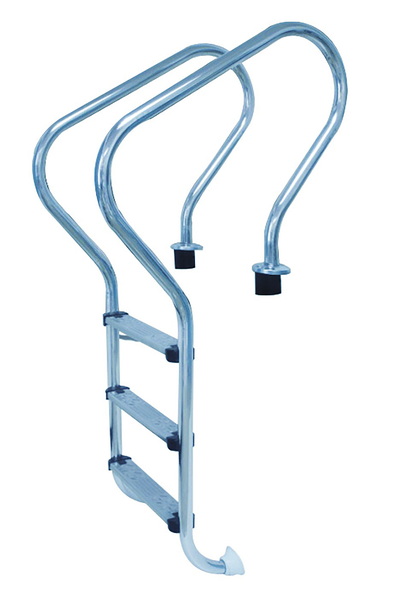
- Unstable ladders can lead to slips, falls, and serious injuries.
- A poorly fitted ladder may damage pool liners or surfaces.
- Proper stabilization increases the longevity of your ladder and enhances user confidence.[4][1]
- Deck Mounted Ladders: Bolted directly to decking for unmatched security.
- A-Frame Ladders: Stand freely, best for above-ground pools without decking. Ensure wide base and firm ground contact.
- Integrated Step Units: Excellent stability for deeper pools. Secure on all attachment points.[5][1]
- Ladder and manufacturer hardware kit
- Power drill, screwdriver, level, tape measure
- Foam pool noodles or backer rods
- Weighted sandbags
- Silicone sealant
- Stainless steel or coated metal brackets[2][3][1]
- Follow manufacturer instructions precisely. Loose nuts/bolts are a common cause of instability.
- Use a 4-foot level to verify even contact on all ladder points.
- Tighten all connections with a screwdriver or power drill.
- Apply silicone sealant at bracket joints for watertight protection.
- Allow sealant to dry for 48 hours before use.
- Use every anchor hole to fasten brackets to deck boards.
- For hollow decking, install additional bolts for vertical stability.
- Concrete anchoring offers maximum support, especially for high-traffic pools.[3][1][5]
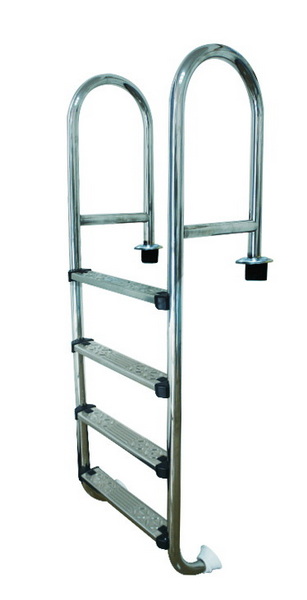
- Slide rigid foam noodles under ladder legs to increase friction.
- Cut noodles to fit for A-frame ladders; place under all legs.
- Bright colors serve as a visual safety reminder.
- Stuff foam backer rods under ladder legs for extra lift.
- Wrap with Teflon tape to reduce sliding.
- Anchor rods into the ground for enhanced security.
- Drape lightweight sandbags over bottom rungs, especially for floating steps.
- Avoid excessively heavy bags that may strain ladder joints.
- Use as a temporary solution if other methods fail.[2][4]
- Fill built-in ballast chambers with water or sand to prevent floating.
- Ideal for above-ground ladders.
- Recheck after heavy rain or draining.[6][2]
- Clamp top rails with manufacturer or aftermarket brackets.
- Use marine-grade stainless steel for durability and corrosion resistance.
- Replace hardware immediately if rust or wear is detected.[7][3]
- Check hardware monthly—tighten or replace loose bolts or screws.
- Inspect for cracks, worn pads, or rust.
- Replace anti-slip step covers as needed.
- Clean ladder with gentle pool-safe detergents.
- Ensure handrails and steps remain free of slippery substances or algae.
- Swap out worn or faded anti-slip labels immediately.[8][7]
- Remove ladder for winterizing, following bolt removal.
- Store in a dry indoor location to prevent weather damage.
- Always install ladders on level, solid ground—never sand or gravel.
- Steps must be a minimum of three inches wide.
- Handrails should be at least child-graspable and on both sides.
- Remove or lock ladders when not in use (especially above-ground pools).
- Supervise children using the ladder.[9][10][7][6]
- Persistent wobbling: Recheck all anchor points, replace worn pads, and confirm level placement.
- Floating or shifting: Add ballast or sandbags, inspect for water-logged foam.
- (For soft-sided pools) Use longer anchor sleeves or weigh down with zip-tied bags.[11][12]
1. Assemble ladder following manufacturer directions using all supplied hardware.
2. Level ladder feet using a tape measure and 4-foot carpenter's level.
3. Cut foam noodles to fit and slide under ladder legs.
4. Secure deck-mounted ladders with anchor bolts into sturdy decking or concrete.
5. Position sandbags atop bottom rungs if extra weight is needed.
6. Periodically check all connections for tightness and replace worn fasteners.
Making your pool ladder stable involves a combination of correct installation, regular maintenance, and DIY stabilization techniques such as using foam noodles, sandbags, or brackets. Implementing these strategies not only ensures safe access but also extends the lifespan of your ladder. Always prioritize safety by inspecting and securing your pool ladder regularly and supervise children during pool usage.
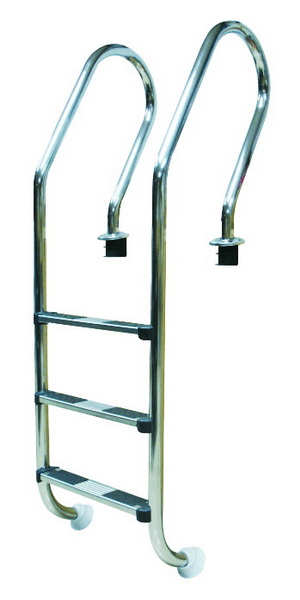
Slide foam noodles or foam rods under the ladder legs and consider using weighted sandbags for extra grip. Anchor to your pool deck if possible.[1][2]
Yes, placing excessively heavy items can weaken or fracture steps, risking injury. Only use moderate weights (foam or sandbags) that the ladder and mounting points are rated for.[4][9]
Inspect bolts, anti-slip pads, and handrails monthly. Clean all surfaces to prevent slipping and promptly replace worn or rusted parts.[7][8]
Compare the ladder's height and mounting options to your pool wall and deck design. Consider weight ratings and required safety features like slip-resistant steps and dual handrails.[15][16]
Above-ground pool ladders can float if not weighted down. Use built-in ballast chambers or add sandbags to keep the ladder secure.[6][2]
[1](https://blog.watsons.com/blog/stabilize-above-ground-pool-ladder)
[2](https://www.poolkingfilter.com/how-to-stabilize-a-pool-ladder.html)
[3](https://www.poolkingfilter.com/how-to-make-a-pool-ladder-sturdy.html)
[4](https://blog.watsons.com/blog/make-above-ground-pool-ladder-stable)
[5](https://www.svadonpoolcn.com/best-pool-ladder-in-ground-features-safety-installation-guide/)
[6](https://poolfence.com/pool-ladders-a-step-toward-safety/)
[7](https://www.poolfencediy.com/blogs/blog/pool-ladder-safety)
[8](https://www.thepoolfactory.com/blogs/equipment/scaling-new-heights-above-ground-pool-ladders)
[9](https://sternsbackyard.com.au/blogs/news/safety-tips-for-installing-and-using-above-ground-pool-ladders)
[10](https://www.cpsc.gov/Newsroom/News-Releases/1974/CPSC-Issues-Swimming-Pool-Safety-Tips)
[11](https://www.facebook.com/groups/637529959937311/posts/game-changer-these-weight-bags-for-pool-steps-are-awesome-filled-the-with-river/2564125923944362/)
[12](https://www.facebook.com/groups/637529959937311/permalink/1975761459447481/)
[13](https://www.youtube.com/watch?v=ClemLmxnkeM)
[14](https://www.youtube.com/watch?v=ioYl-25dDXY)
[15](https://poolzilla.com/blogs/blog/the-simple-guide-selecting-the-right-pool-steps-and-ladders-for-your-swimming-pool)
[16](https://www.justpoolladders.com/faq/)
[17](https://www.facebook.com/groups/637529959937311/posts/2626171321073155/)
[18](https://www.thepoolfactory.com/products/13225)
[19](https://borisfx.com/blog/how-to-stabilize-video-in-davinci-resolve/)
[20](https://waterthat.com/blogs/news/the-basics-of-above-ground-pool-steps-and-ladders)


