


Content Menu
● Why Build Your Own Pool Ladder?
>> Concrete Block and Lumber Steps
● Tools and Materials Checklist
>> Building a Wooden Pool Ladder
>>> Step 2: Assemble the Frame
>>> Step 4: Install Non-Slip Features
>> Constructing a PVC Pool Ladder
>>> Step 3: Build the Top and Bottom
>> Making Concrete Block and Lumber Steps
>>> Step 1: Lay the Foundation
>> 1. How can I make a pool ladder more stable?
>> 2. What materials are best for a pool ladder?
>> 3. How do I prevent slipping on pool ladder steps?
>> 4. Can I build a pool ladder for heavy adults?
>> 5. How do I maintain a DIY pool ladder?
A pool ladder is a vital accessory for any swimming pool, offering safe and convenient access in and out of the water. Whether your pool is above-ground or in-ground, building your own ladder can save money, allow for full customization, and ensure long-lasting durability. This comprehensive guide will walk you through every step of making a pool ladder, covering material options, safety tips, detailed instructions, and practical advice for maintenance. By following this guide, you'll be able to create a sturdy, attractive, and functional ladder tailored to your specific pool.
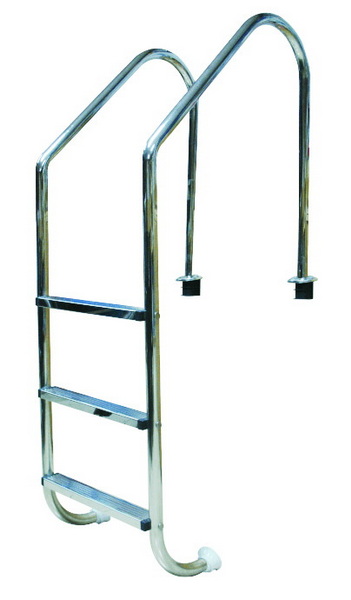
Building your own pool ladder provides several advantages:
- Cost Savings: DIY ladders are often much less expensive than commercial versions.
- Customization: You can tailor the ladder to your pool's unique dimensions and your personal preferences.
- Durability: By choosing high-quality materials, you ensure the ladder will last for years.
- Satisfaction: There's a sense of accomplishment and pride in building something both functional and safe.
- Adaptability: DIY ladders can be adjusted or repaired more easily than store-bought models.
A wooden pool ladder is sturdy, customizable, and can be designed to blend seamlessly with your pool deck. Treated lumber is recommended for its longevity and resistance to water damage. Wooden ladders are best suited for pools with decks, as they can be anchored securely.
PVC pool ladders are lightweight, affordable, and easy to assemble. They're ideal for above-ground pools and can be built using basic plumbing supplies. PVC is naturally resistant to water and won't rust, making it a practical choice for wet environments.
For a more permanent solution, concrete block and lumber steps provide solid footing and can be customized for any pool height. This design is especially useful for in-ground pools or where a robust, stationary set of steps is needed.
General Tools:
- Tape measure
- Saw (circular or hand saw)
- Drill with bits
- Screwdriver
- Level
- Pencil
- Sandpaper
Wooden Ladder Materials:
- Treated lumber (4x4s, 2x6s, 2x4s)
- Stainless steel deck screws
- Wood glue
- Non-slip tape or grip pads
- Wood finish or sealant
PVC Ladder Materials:
- PVC pipes (2-inch diameter)
- PVC elbows and tees (90-degree and 45-degree)
- PVC glue and primer
- Stainless steel screws
- Skateboard grip tape
Concrete Block Steps Materials:
- Concrete blocks (8x8x16 inches)
- Lumber for treads (4x6s or 2x12s)
- Construction adhesive
1. Measure Pool Height: Determine the distance from the ground to the top of your pool wall or deck. This will dictate the length of your ladder sides.
2. Select Ladder Type: Choose between wood, PVC, or concrete block based on your needs, pool type, and skill level.
3. Sketch Your Design: Draw a simple plan with dimensions, step spacing, and any additional features like handrails.
- Cut two 4x4s for the ladder sides, matching the pool height.
- Cut 2x6s for the steps, each about 18–24 inches wide.
- Lay the 4x4s parallel to each other.
- Mark step locations evenly spaced (usually 10–12 inches apart).
- Attach the steps using deck screws and wood glue, ensuring they are level.
- Attach handrails if desired for added safety.
- Sand all surfaces to prevent splinters.
- Apply a wood finish or sealant to protect against water damage and prolong the ladder's lifespan.
- Apply grip tape or non-slip pads to each step for added safety.
- Measure and cut two long pipes for the ladder sides.
- Cut shorter pipes for steps (about 18 inches each).
- Connect the steps to the sides using T-joints.
- Use PVC glue and primer for strong, watertight joints.
- Use 90-degree elbows for the bottom rung and top handles.
- Add 45-degree elbows at the top for a comfortable slope and easy grip.
- Attach skateboard grip tape to each step to prevent slipping.
- Drill holes and use stainless steel screws for extra stability if needed.
- Test the ladder for sturdiness before regular use.
- Place concrete blocks in a stair-step pattern, stacking them securely.
- Ensure each block is level and stable before moving to the next.
- Lay cut lumber pieces across each step to create the treads.
- Secure with construction adhesive and check for stability.
- Paint or stain the lumber for added durability and aesthetic appeal.
- Check the entire structure for stability before use.

- Always use treated or waterproof materials to prevent rot and degradation.
- Ensure all steps are level, evenly spaced, and securely attached.
- Test the ladder's stability before allowing regular use.
- Install handrails for added safety, especially for children or elderly users.
- Use non-slip materials on all treads to minimize the risk of slipping.
- Regularly inspect the ladder for loose screws, cracks, or damage.
- Inspect the ladder regularly for loose screws, damaged parts, or signs of wear.
- Clean the ladder to prevent algae, mold, or mildew buildup.
- Reapply sealant or paint as needed to maintain water resistance.
- Replace worn grip tape or non-slip pads promptly.
- Store removable ladders indoors during the off-season to prolong their lifespan.
To further improve your DIY pool ladder, consider these enhancements:
- Add Decorative Elements: Paint or stain the ladder to match your pool area's aesthetic.
- Install Lighting: Attach waterproof LED lights to the ladder for nighttime visibility and safety.
- Attach Hooks or Storage: Add hooks for towels or pool accessories.
- Incorporate a Platform: Build a small platform at the top for easier entry and exit.
- Use Stainless Steel Hardware: Opt for stainless steel screws and bolts to prevent rust and corrosion.
- Add Padding: Use foam padding on handrails for extra comfort.
Building your own pool ladder is a rewarding project that enhances both safety and convenience while saving money. Whether you choose wood, PVC, or concrete block designs, careful planning and attention to detail will ensure a durable, safe, and attractive ladder. Regular maintenance and thoughtful enhancements will keep your ladder in top condition for years to come. With the right tools, materials, and guidance, anyone can build a pool ladder tailored to their needs and style.

To increase stability, use wider steps, secure the ladder to the pool deck or rim, and add weights or anchor points at the base. For above-ground pools, consider using brackets or clamps to attach the ladder securely.
Treated lumber, PVC, and stainless steel are all excellent choices. Treated wood and PVC resist water damage, while stainless steel offers superior strength and longevity.
Apply non-slip tape, grip pads, or textured paint to each step. Regularly check and replace these materials as needed to maintain safe footing.
Yes, use thicker lumber or larger diameter PVC, reinforce all joints, and ensure the ladder is securely anchored. Avoid lightweight plastic ladders for heavy use, and always test the ladder's weight capacity before regular use.
Inspect for damage, tighten screws, clean regularly, and reapply protective finishes. Replace any worn or broken parts promptly to ensure continued safety.


