
Views: 222 Author: Poolking Filter Equipment Publish Time: 2026-06-13 Origin: Site


Content Menu
● What "Clean Pool" Really Means
● Why Your Filtration System Is The Unsung Hero
● Tip 1: Run Your Pump And Filter Long Enough Each Day
>> How Long Should You Run The Pump?
>> Optimizing Flow, Not Just Hours
● Tip 2: Clean The Pool Surfaces Every Week (Not Just "When It Looks Dirty")
>> A Weekly "Three-Step" Cleaning Routine
>> When To Use Automatic Cleaners
● Tip 3: Stay Ahead Of Your Water Chemistry
● Pro Tip: Choose The Right Filter For Your Pool
● How To Maintain Different Filter Types (Practical Steps)
>> Maintaining Sand And Fiberglass/Plastic Sand Filters
>> Maintaining Cartridge Filters
● Advanced Insight: Matching Pumps, Filters, And Real‑World Usage
>> Why Oversized Filters Often Perform Better
>> Adapting Your Schedule To Season And Climate
● Quick Weekly Checklist For A Consistently Clean Pool
● When To Upgrade Your Filtration System
● Ready To Level Up Your Pool Filtration?
A clean, clear pool comes down to three things: strong circulation, reliable filtration, and consistent weekly care—and the right filter system makes everything easier. Drawing on 20+ years of manufacturing experience at Guangdong Poolking plus best-practice pool care guidance, this guide shows you how to maintain a spotless pool while getting the most from your sand, cartridge, or DE filter system. [poolking]

A pool that just looks blue is not necessarily a healthy pool. Real cleanliness means:
- Clear, sparkling water with no cloudiness or visible debris. [lesliespool]
- Balanced water chemistry (pH, alkalinity, sanitizer) within safe ranges. [anthonysylvan]
- A filtration system sized and maintained to handle your bather load and climate. [swimmingpool]
Industry guides often summarize this as the three C's of pool care: Circulation, Cleaning, and Chemistry. Everything in this article ties back to doing those three things better, with practical steps you can follow each week. [lesliespool]
Most owners focus on chemicals, but the filter is the heart of a clean pool. Without effective filtration, no amount of sanitizer can keep up with oils, dust, pollen, and fine debris. [swimhere]
Common pool filter types include: [poolpurefilter]
- Sand filters – Push water through a bed of sand to trap particles.
- Cartridge filters – Use pleated cartridges for finer filtration and lower pressure.
- DE (diatomaceous earth) filters – Coat internal grids with powder to capture very fine particles.
As a manufacturer specializing in commercial pool sand filters, fiberglass sand filters, plastic sand filters, and cartridge filters, Poolking designs systems for both large facilities and residential pools where clarity and uptime are critical. Pairing a properly sized filter with a correctly matched pump ensures efficient circulation and lower long‑term operating costs. [poolking.en.made-in-china]
A clean pool starts with enough daily circulation time. Industry practice is to aim for at least one full turnover of your pool water per day, often translating into 8–12 hours of pump runtime for many residential pools. [anthonysylvan]
Guidelines from major pool care resources suggest: [swimmingpool]
- Run the pump 8–12 hours per day in normal conditions.
- Increase runtime during heat waves, heavy use, storms, or algae treatments.
- For single‑speed pumps, some pros use a rule of thumb: 1 hour of runtime for every 10°F of air temperature as a starting point. [lesliespool]
If running 24/7 isn't realistic for your energy budget, aim to spread your runtime across the day to avoid "dead" periods with no circulation at all. [swimmingpool]
Runtime is important, but you also need good hydraulic performance. To get the most from your existing system: [lesliespool]
- Set return jets slightly downward and in the same direction to create a gentle circular flow that pushes debris toward the skimmer. [swimhere]
- Keep skimmer and pump baskets empty so flow is not restricted. [anthonysylvan]
- Watch your filter pressure gauge—a rise of 8–15 psi above clean pressure usually means it's time to backwash or clean the filter. [poolpurefilter]
At Poolking, we design our commercial and residential sand filter systems to maintain stable flow and backwash performance even under high bather loads, which reduces the risk of cloudy water during peak season. [poolking.en.made-in-china]
Even the best filter can't remove everything from your pool; manual cleaning stops algae and scale before they start. A simple weekly routine looks like this: [swimhere]
1. Skim the surface
- Use a leaf net to remove leaves, insects, and floating debris every 1–2 days. [anthonysylvan]
- This prevents debris from breaking down and overloading your filter and sanitizer. [swimmingpool]
2. Brush walls, steps, and corners
- Brush once a week to disrupt algae biofilm and loosen dirt from low‑circulation zones. [swimhere]
- Focus on steps, around lights and fittings, near ladders, and along the waterline. [lesliespool]
3. Vacuum the pool floor
- Use a manual or automatic cleaner weekly to remove fine debris that has settled. [anthonysylvan]
- For commercial or heavily used pools, you may need to vacuum more frequently, especially after storms or parties. [swimmingpool]
This routine dramatically reduces how hard your filter and chemicals need to work, and it's one reason many service professionals rarely see algae in well‑brushed pools. [lesliespool]
Robotic or suction cleaners are excellent for reducing manual workload, particularly on large decks or commercial installations. However, they are not a complete replacement for brushing vertical surfaces, so you should still brush at least the steps, corners, and waterline by hand. [swimhere]
Keeping your water in balance protects swimmers, surfaces, and equipment. Key target ranges from major pool care references often include: [anthonysylvan]
- pH: 7.2–7.6
- Total Alkalinity: 80–120/150 ppm (source ranges vary slightly)
- Free Chlorine (typical chlorine pools): 1–3 ppm
- Calcium Hardness: 200–400 ppm
- Cyanuric Acid (stabilizer), for outdoor pools: 30–50 ppm
Test at least once per week, and more frequently during hot weather or heavy use. When you see cloudiness, algae hints, or eye irritation, your first step should be to test—guessing at chemicals usually leads to over‑treatment or chronic imbalance. [swimhere]
To stay on top of chemistry without feeling overwhelmed: [lesliespool]
- Use test strips or a basic liquid kit weekly.
- Log your results in a notebook or app to identify trends over a season.
- Shock or oxidize according to bather load and manufacturer guidance to prevent combined chlorine buildup. [anthonysylvan]
As a filter manufacturer, we often see premature equipment wear caused by chronically low pH or very high chlorine, which can attack gaskets, plastics, and metal components. Balanced water extends the life of your sand filters, fiberglass tanks, plastic housings, pumps, and LED lights, which reduces lifetime ownership cost. [poolking]
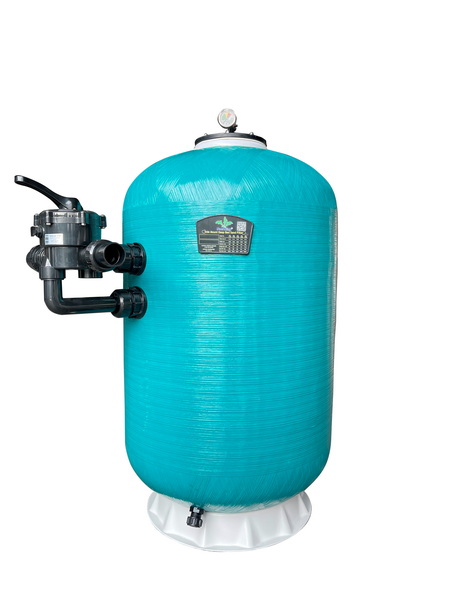
Most pool articles talk generically about "clean your filter," but choosing the right filter type from the beginning makes maintenance far easier. Here's a simplified view: [swimmingpool]
| Filter type | Main advantage | Typical maintenance | Best for |
|---|---|---|---|
| Sand filter | Rugged, simple, cost‑effective. (lesliespool) | Backwash when pressure rises 8–10 psi; change sand every 3–5 years. (poolpurefilter) | Residential and commercial pools needing robust, low‑touch operation. (poolking.en.made-in-china) |
| Fiberglass sand filter | Corrosion‑resistant, strong shell, better for aggressive or coastal environments. (poolking.en.made-in-china) | Same as sand, but with longer service life of the vessel. (poolking.en.made-in-china) | Hotels, resorts, water parks, high‑end residential. |
| Plastic (PE/PP) sand filter | Lightweight, easier to move/install, good chemical resistance. (poolking) | Backwash and periodic sand changes similar to other sand filters. (poolpurefilter) | Smaller commercial or residential pools with space or weight constraints. |
| Cartridge filter | Finer filtration and lower pump pressure; saves water versus backwashing. (lesliespool) | Rinse cartridges every few weeks; deep clean or replace as needed. (poolpurefilter) | Pools in water‑restricted regions or with tight plumbing layouts. |
| DE filter | Very fine filtration and exceptionally clear water. (lesliespool) | Backwash and re‑charge with DE; periodic teardown for grid cleaning. (poolpurefilter) | Pools where "polished" water clarity is a top priority. |
Guangdong Poolking focuses on commercial and residential pool sand filters, cartridge filters, and complete filtration systems, allowing you to match the tank material and filter type to your climate, bather load, and water source. If you already own a different brand of equipment, these same maintenance principles still apply to keep your water crystal clear. [poolking.en.made-in-china]
To keep a sand‑type filter performing well: [poolpurefilter]
1. Monitor filter pressure
- Note the "clean" starting pressure after backwashing.
- Backwash when the pressure rises 8–10 psi above that baseline. [poolpurefilter]
2. Backwash correctly
- Turn off the pump, set the multiport valve to BACKWASH, and run until the sight glass runs clear (usually 2–3 minutes). [poolpurefilter]
- Turn off the pump, switch to RINSE/FLUSH for about 30 seconds to reset the sand bed, then back to FILTER. [troublefreepool]
3. Replace sand on schedule
- Over time, sand grains round off and lose their ability to trap fine particles.
- Many experts recommend changing the sand every 3–5 years, depending on use and water quality. [poolpurefilter]
With commercial‑grade fiberglass and plastic sand filters, like those we engineer at Poolking, the vessel is designed for long service life and high backwash performance, which helps maintain stable clarity even under heavy loads. [poolking]
Cartridge filters reward consistent light maintenance: [poolpurefilter]
- Turn off the pump, open the housing, and remove the cartridge.
- Rinse between pleats with a garden hose, using a focused jet. [poolpurefilter]
- For a deeper clean, soak in a commercial filter cleaner overnight to dissolve oils and scale, then rinse thoroughly. [poolpurefilter]
- Inspect for crushed pleats, tears, or worn end caps and replace as needed. [swimhere]
Cartridge systems shine when water conservation is a priority because they do not require backwash cycles that send water to waste. [lesliespool]
DE systems require a bit more attention in exchange for ultra‑fine filtration: [troublefreepool]
- Backwash when pressure rises 8–10 psi above clean starting pressure.
- After backwashing, mix fresh DE with water in a bucket and pour the slurry into the skimmer while the pump is running, so it recoats the internal grids. [troublefreepool]
- Once a year, perform a full teardown: open the tank, remove the grids, hose them off, and soak in filter cleaner if needed. [troublefreepool]
Always follow your manufacturer's safety and service instructions when opening any pressure vessel. [lesliespool]
In real field conditions, pool professionals frequently favor slightly oversized filters paired with energy‑efficient pumps. Larger filter surface area allows: [swimmingpool]
- Longer intervals between cleanings, especially in high‑debris or dusty environments. [swimhere]
- Lower operating pressure and gentler flow, which can extend equipment life and improve energy efficiency. [swimmingpool]
As a manufacturer, we see commercial customers benefit from larger diameter sand filters and well‑matched circulation pumps, cutting downtime in hotels, public pools, and aquatic centers. [poolking.en.made-in-china]
No two pools are identical, so use the guidelines above as a starting point and then adapt based on actual conditions: [anthonysylvan]
- Increase pump runtime, brushing, and testing during hot months and school holidays.
- After storms or heavy rain, skim, brush, vacuum, and check chemistry as soon as practical.
- In cooler off‑season periods (for non‑winterized pools), you may be able to reduce runtime while still maintaining clarity. [swimmingpool]
The goal is not perfection on a chart, but stable, clear water that fits your lifestyle, climate, and budget. [swimhere]
To make all of this practical, here is a simple checklist you can use or adapt:
- Daily (or every swim day)
- Skim surface debris.
- Glance at water level and equipment for leaks or unusual noise. [anthonysylvan]
- Weekly
- Brush walls, steps, and low‑flow areas. [lesliespool]
- Vacuum the floor or run your pool cleaner.
- Test pH, alkalinity, and chlorine; adjust as needed. [anthonysylvan]
- Empty skimmer and pump baskets.
- Monthly
- Check filter pressure and backwash or clean according to type. [poolpurefilter]
- Inspect cartridges, DE grids, or sand performance.
- Seasonally / Annually
- Perform a deep clean of your filter (sand change, cartridge replacement, or DE grid teardown) as recommended. [troublefreepool]
- Have a professional inspection for high‑use commercial pools. [swimmingpool]
Print this list and keep it near your equipment pad so anyone in your household or facility can follow it.
Even with perfect habits, there are times when upgrading the equipment is the smartest path to a truly clean pool. [lesliespool]
Consider a system upgrade if you notice: [swimhere]
- Persistent cloudiness despite proper chemistry and frequent cleaning.
- Frequent backwashing or cartridge rinsing that cuts into staff or leisure time.
- Visible cracks, corrosion, or aging tanks that may compromise safety.
- A change in use pattern, such as converting a private pool into a boutique hotel or public facility with heavy bather load.
Guangdong Poolking's portfolio includes commercial sand filters, fiberglass and plastic sand filters, cartridge filters, pumps, LED lights, and fittings, allowing operators to modernize a complete circulation system—not just one component. Matching new filters with the right pumps and fittings can dramatically reduce energy use while improving clarity and guest satisfaction. [alibaba]
If you're already committed to good circulation, regular cleaning, and balanced water, the next meaningful upgrade is your filtration system itself. Whether you manage a commercial pool or a backyard retreat, a properly engineered sand or cartridge filter will transform pool care from a constant chore into a predictable weekly routine. [poolking]
To explore commercial‑grade pool sand filters, fiberglass and plastic sand filters, cartridge filters, and full filtration solutions tailored to your pool, reach out to Guangdong Poolking for a system recommendation based on your pool size, usage, and water source. Investing once in the right equipment can save years of frustration, downtime, and unnecessary chemical costs. [poolking.en.made-in-china]
1. How often should I backwash my sand filter?
Backwash when your filter pressure rises about 8–10 psi above the clean starting pressure, rather than on a fixed calendar schedule. This ensures efficient filtration without wasting water. [troublefreepool]
2. How often should I replace the sand in my filter?
Many pool care sources recommend changing sand every 3–5 years, depending on bather load, debris, and water quality. If you see persistent cloudiness even with proper chemistry and backwashing, it may be time for fresh media. [poolpurefilter]
3. Is a cartridge filter better than a sand filter?
Neither is "better" in all cases; sand filters are rugged and low‑touch, while cartridge filters provide finer filtration and use less water because they don't backwash. Your choice should be based on pool size, water restrictions, and how much hands‑on maintenance you prefer. [swimmingpool]
4. How many hours a day should I run my pool pump?
Most pools do well with 8–12 hours of runtime per day, adjusted for climate and usage. In very hot weather or heavy use, running the pump longer helps maintain clarity and sanitizer distribution. [anthonysylvan]
5. How often should I test my pool water?
Test your pool water at least once a week for pH, alkalinity, and sanitizer, and more often in hot or high‑use periods. Calcium hardness and stabilizer (CYA) typically need checking monthly or as recommended for your region. [lesliespool]
- Leslie's Pool Supplies. "Basic Pool Care Maintenance 101."
<https://lesliespool.com/blog/pool-care-101.html> [lesliespool]
- Anthony & Sylvan Pools. "How to Maintain A Pool: 6 Fundamental Tips."
<https://anthonysylvan.com/life-with-a-pool/how-to-maintain-a-pool/> [anthonysylvan]
- PoolPure. "Clean and Maintain Your Hayward Pool Filter."
<https://poolpurefilter.com/blog/clean-and-maintain-hayward-pool-filter/> [poolpurefilter]
- SwimmingPool.com. "Pool Care Basics – Pool Cleaning Guide | Pool Maintenance."
<https://www.swimmingpool.com/maintenance/pool-care-basics/> [swimmingpool]
- SwimHere. "Pool Maintenance for Beginners: A 2026 Guide."
<https://swimhere.com/pool-maintenance-for-beginners/> [swimhere]
- Poolking – Guangdong Poolking Filtration Equipment Manufacturing Co., Ltd.
Product and company information.
<https://www.poolking.co/pool-sand-filter.html> [poolking]
<https://poolking.en.made-in-china.com/product/IKyJwvFMcBcV/China-Commercial-Sand-Filters-for-Swimming-Pools.html> [poolking.en.made-in-china]
- Alibaba – Pool sand filter product examples (plastic sand filter tanks).
<https://www.alibaba.com/product-detail/Factory-Supply-Swimming-Pool-Filtration-System_1601265707841.html> [alibaba]


