
Views: 222 Author: Tina Publish Time: 2025-11-07 Origin: Site


Content Menu
● Why Does a Pool Ladder Float Up?
● Solutions to Keep a Pool Ladder Down
>> 1. Add Weights to the Ladder
>> 2. Drill Extra Holes for Air Release
>> 3. Level and Secure Ladder Contacts
>> 4. Regular Maintenance and Inspection
>> 6. Use Silicone Sealant to Prevent Shifting
● Special Considerations: Above-Ground vs. In-Ground Pools
● Products and Tools for Ladder Stability
● DIY Pool Ladder Stabilizer: Easy Step-by-Step
● Maintenance Tips for Pool Owners
● When to Call a Pool Professional
● FAQ
>> 1. Why does my pool ladder keep floating up?
>> 2. Is it safe to use sand as a weight?
>> 3. How often should pool ladder hardware be inspected?
>> 4. What other materials are good for weighting a pool ladder?
>> 5. Can professional installation solve ladder instability issues?
Keeping your pool ladder securely in place is essential for safety and convenience. Floating or shifting pool ladders are a common challenge for pool owners, particularly with above-ground pool setups and plastic steps. This article introduces effective techniques and practical products to ensure your ladder stays down, offers visual guides, and answers key questions for both residential and commercial pool users.[3][9][1]
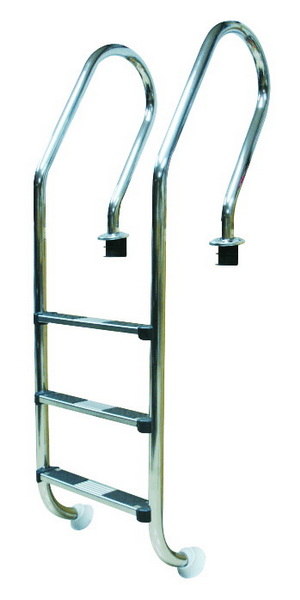
Pool ladders are designed to be lightweight and resistant to corrosion, often using plastic or hollow metal construction. However, this design can cause ladders to float or drift when not anchored.[7][3]
- Water buoyancy affects hollow or air-filled ladders, causing them to rise.
- Lack of proper anchoring or weighting exacerbates instability.
- Incorrectly assembled ladders may have loose bolts or uneven contact points.
One of the most reliable ways to stabilize your pool ladder is by adding weights inside the ladder structures. Common methods include:[9][3][7]
- Filling ladder steps or base compartments with sand.
- Using weight bags or custom step weights, such as airtight cubes filled with sand.[7]
- Ensuring weights are evenly distributed to avoid tilting.
In addition to adding weight, drilling additional holes allows trapped air to escape and water to fill hollow spaces, increasing stability.[5][9]
- Use a power drill to carefully add holes in the base or steps.
- Test stability after each adjustment.
Improper leveling often leads to rocking or tipping accidents. For best results:[1]
- Use a 4-foot level during installation to check that all contact points are even.
- Adjust until the ladder sits flat both side-to-side and front-to-back.
Maintaining your ladder ensures lasting safety and performance.[1]
- Monthly check of all hardware: tighten loose bolts with a power drill.
- Inspect ladder feet and rubber pads for wear.
- Replace damaged or corroded components as needed.
Pool ladders exposed to water and chemicals often suffer wear and tear. Damage to the ladder or its anchoring system compromises safety.
- Replace worn rubber feet, corroded bolts, and cracked steps.
- Use original manufacturer parts for best fit and durability.
For ladders attached to concrete decks or pool walls, silicone sealant can prevent micro-movements over time.[1]
- Apply sealant around brackets and anchors after tightening.
- Reapply if cracks or looseness appear.
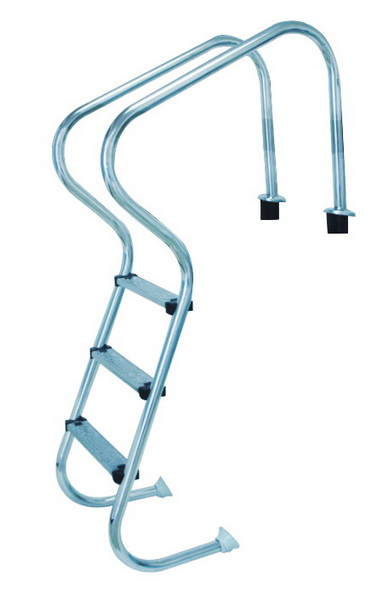
Above-ground pool ladders are more susceptible to floating, as they often lack the anchoring of in-ground installations.
- Use heavier weights for above-ground ladders.
- Consider commercial-grade solutions if home remedies fail.
Several products make stabilizing your pool ladder easier.[7]
- Airtight weight cubes: Attach to bottom of ladder, removable for winter.[7]
- Pre-made ladder weight bags: Water- or sand-filled, easily adjustable.
- Non-slip rubber feet kits: Prevent movement on slippery surfaces.
- Replacement hardware kits: Bolts and brackets designed for pool environments.
Follow these steps to create your own effective weights at home:[9]
1. Obtain sturdy plastic containers or airtight cubes.
2. Fill each with sand or water according to weight needs.
3. Secure lid tightly; optionally seal with waterproof glue.
4. Attach containers to ladder base using zip ties or bungee cords.
5. Lower ladder into pool and confirm stability.
Keeping a pool ladder down is an ongoing process. Consider these tips:
- Monthly hardware check and weight assessment.
- Off-season removal of ladder weights for cleaning and dryness.
- Document installation and maintenance for future reference.
If DIY methods and regular checks do not provide the stability you need, professionals can:
- Assess ladder type and recommend an optimal solution.
- Install commercial-grade anchors or stabilizers.
- Check surrounding deck and pool structure for issues.
Keeping a pool ladder securely down is vital for safe pool usage and reducing accidents. The combination of proper assembly, weighting, leveling, and regular maintenance is proven to provide the best results. Whether you opt for DIY solutions or professional-grade products, prioritizing ladder stability keeps your pool fun and safe.
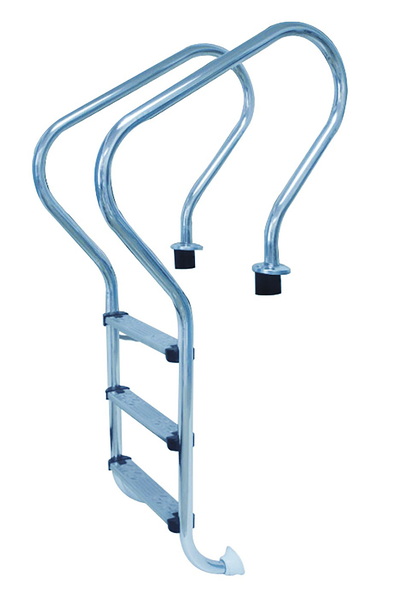
This usually occurs because of trapped air in hollow steps or insufficient weight anchoring the ladder. Adding weights and drilling vent holes are proven solutions.[3][5][9][7]
Sand is safe if securely contained and properly sealed. Loose sand can leak and cause cloudiness, so use airtight cubes or sealed ladder compartments.[3][9][7]
Check all hardware monthly—tighten bolts, inspect for wear, and replace damaged components to ensure safety and longevity.[1]
Aside from sand, water-filled weight bags and commercial ladder weights are effective. Ensure they are designed for use underwater for best results.[7]
Yes, professionals can install anchors, provide commercial-grade solutions, and inspect for underlying deck problems that cause instability.[1]
[1](https://blog.watsons.com/blog/stabilize-above-ground-pool-ladder)
[2](https://www.vevor.com/zh-CN/diy-ideas/cartridge-vs-sand-filter-b_10134/)
[3](https://www.facebook.com/groups/637529959937311/posts/2196909960665962/)
[4](https://emauxgroup.com/zh/products-cn/commercial-filter-cn-2/dual-stack-sand-filter-cn/)
[5](https://www.youtube.com/watch?v=-qkS06U4SC0)
[6](https://www.qcc.com/product/f0e15386-7899-4778-af07-83a1af3550f2.html)
[7](https://www.reddit.com/r/pools/comments/wubcro/how_to_keep_stairs_down_on_floor_instead_of/)
[8](https://amusementlogic.cn/qiye/baike/)
[9](https://www.youtube.com/watch?v=Xta4kZy7n9M)
[10](https://www.scribd.com/document/899630807/7799-d)


