Views: 222 Author: Tina Publish Time: 2025-11-07 Origin: Site
Content Menu
● Why Install a Pool Ladder Mat?
>> Benefits of Using a Pool Ladder Mat
● Step-by-Step Installation Guide
>> Step 1: Remove the Ladder or Steps
>> Step 4: Reinstall the Ladder
>> Step 5: Check for Stability
● Frequently Asked Questions (FAQs)
>> 1. How often should I replace my pool ladder mat?
>> 2. Can I use any mat under my pool ladder?
>> 3. What size mat do I need for my ladder?
>> 4. Will the mat prevent all liner damage?
>> 5. Can I install the mat while the ladder is in the pool?
Installing a pool ladder mat is a simple yet essential step to protect your pool liner and ensure safety for swimmers. This guide will walk through every aspect of how to install a pool ladder mat, including preparation, step-by-step instructions, tips for best results, and answers to common questions. The article is designed for pool owners, maintenance professionals, and anyone interested in maximizing the lifespan and safety of their swimming pool.
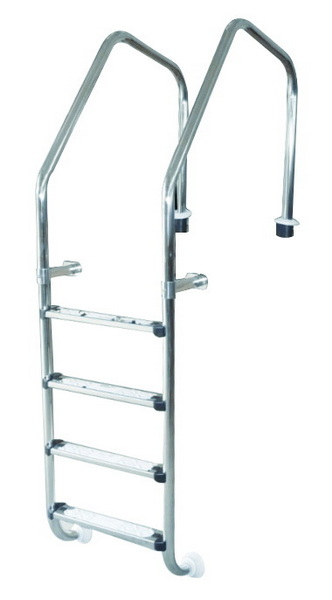
A pool ladder mat is a protective pad placed under the base of a pool ladder or steps. Its main purpose is to prevent the ladder from damaging the pool liner, especially in vinyl-lined pools. Over time, the constant pressure and movement of the ladder can cause abrasions, tears, or punctures in the liner, leading to costly repairs or replacements. The mat also helps stabilize the ladder, reducing the risk of slipping or shifting, which enhances safety for swimmers.[1][3]
- Protects the pool liner from abrasions and punctures[3]
- Increases ladder stability and safety
- Reduces maintenance and repair costs
- Extends the lifespan of the pool liner
- Chemical resistant and durable for long-term use[3]
Pool ladder mats come in various sizes and materials to suit different pool types and ladder models. Common options include:
- Standard Rectangular Mats: Designed for most above-ground and in-ground pool ladders.
- Custom Cut Mats: Can be trimmed to fit specific ladder bases or pool shapes.
- Heavy-Duty Mats: Made from thicker, more durable materials for commercial or high-traffic pools.
- Chemical Resistant Mats: Specially formulated to withstand pool chemicals and UV exposure.[3]
Before starting the installation, gather the following items:
- Pool ladder mat (correct size for your ladder)
- Pool ladder or steps
- Scissors (for trimming, if needed)
- Pool liner cleaner (optional, for cleaning the area)
- Towel or cloth (for drying the area)
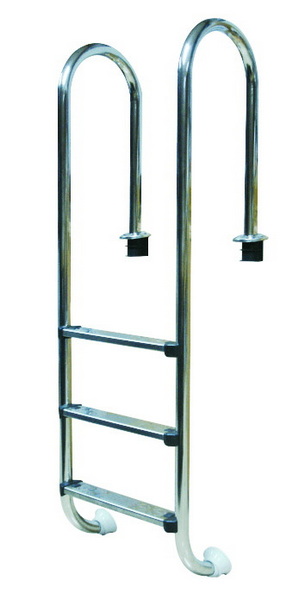
Carefully remove the pool ladder or steps from the pool. This ensures that the mat can be placed directly on the liner without interference.[1]
Clean the area where the ladder will rest. Remove any debris, dirt, or algae to ensure the mat adheres properly and provides maximum protection.[1]
Lay the pool ladder mat flat on the liner, ensuring it covers the entire area where the ladder base will rest. If the mat is too large, trim it with scissors to fit perfectly.[3]
Carefully place the ladder or steps back onto the mat. Make sure the ladder sits securely and evenly on the mat, with no part of the ladder touching the liner directly.[1]
Test the ladder by gently stepping on it to ensure it is stable and does not move or shift. Adjust the mat if necessary to improve stability.[1]
- Sun Exposure: If the mat is stiff, lay it out in the sun for a few hours to make it more flexible before installation.[5]
- Regular Inspection: Check the mat periodically for signs of wear or damage, and replace it if needed.
- Proper Sizing: Ensure the mat is the correct size for your ladder to provide full coverage and protection.[3]
- Chemical Resistance: Choose a mat that is resistant to pool chemicals to ensure long-term durability.[3]
- Mat Slipping: If the mat slips, ensure the area is clean and dry before installation. Consider using a mat with a non-slip backing.
- Mat Floating: Some mats may float if not properly secured. Choose a mat designed to stay in place, or trim it to fit snugly.
- Liner Damage: If the liner is already damaged, repair it before installing the mat to prevent further issues.[1]
Installing a pool ladder mat is a quick and effective way to protect your pool liner and enhance safety for swimmers. By following the steps outlined in this guide, you can ensure your pool remains in excellent condition for years to come. Regular maintenance and inspection of the mat will help prevent costly repairs and extend the lifespan of your pool.
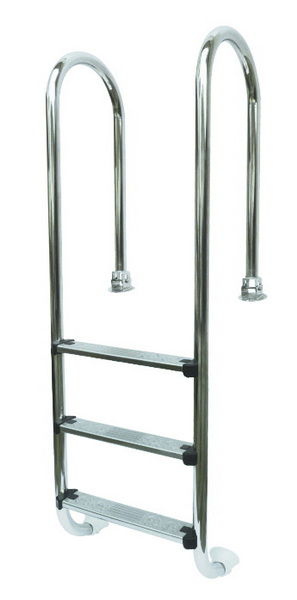
Pool ladder mats should be inspected regularly and replaced if they show signs of wear, damage, or reduced effectiveness. Typically, mats last several seasons with proper care.[3]
It is best to use a mat specifically designed for pool ladders, as these are made to withstand pool chemicals and provide the necessary protection for the liner.[3]
Measure the base of your ladder and choose a mat that covers the entire area. Mats can be trimmed to fit if necessary.[3]
While a mat significantly reduces the risk of liner damage, it cannot prevent all types of damage. Regular inspection and maintenance are still important.[1]
It is recommended to remove the ladder for proper installation. This ensures the mat is placed correctly and provides maximum protection.[1]
[1](https://blog.linerworld.com/2024/06/18/pool-ladder-pads-faq/)
[2](http://www.gdwscl.com/supply/16.html)
[3](https://www.thepoolfactory.com/products/swimline-ladder-mat-20x24)
[4](https://www.bonnywin.com/zh-Hans/blog/sand-filter-buying-guide)
[5](https://www.facebook.com/groups/637529959937311/posts/1631140283909602/)
[6](https://www.aquaheat.cn/mediacenter/info.aspx?itemid=2259&lcid=21)
[7](https://www.youtube.com/watch?v=rdXADw286-s)
[8](https://cn.aonepool.com/products/pool-sand-filter.html)
[9](https://www.youtube.com/watch?v=uDbSNO5Bl_8)
[10](https://www.dslpool.com/yongchi/)
This guide explains how to safely increase pressure on a pool pump by restoring healthy water flow. Learn to diagnose low pressure, clean baskets and filters, fix air leaks, adjust valves and pump speed, and know when equipment upgrades or gauge replacement are necessary.<br />
This in‑depth guide explains how much it costs to replace a pool pump, covering typical price ranges, pump types, labor charges, and long‑term energy savings. Learn when to repair vs replace, DIY vs professional options, and how OEM pump and filter solutions can reduce lifetime ownership cost.<br />
Learn exactly how long to run a pool pump daily for crystal‑clear, safe water and lower energy bills. This in‑depth guide explains turnover, seasonal adjustments, single‑ vs variable‑speed schedules, energy‑saving tips, and practical examples, plus answers to common runtime questions.
This in‑depth guide explains the real reasons your swimming pool pump is not working, from power and priming issues to clogged impellers, dirty filters, and motor failures. Learn step‑by‑step troubleshooting, key maintenance tips, and when to repair or replace your pool pump.
Learn how to remove a pool pump motor safely and efficiently with this step‑by‑step guide. Discover the tools you need, how to disconnect power and plumbing, when to call a pro, and how OEM filter and pump solutions can support overseas pool brands and wholesalers.<br />
This article introduces leading Pool Cleaning Equipment Manufacturers and Suppliers in the UK, outlines their key products, and explains how international brands can combine UK distributors with Chinese OEM factories to build competitive, high‑quality private‑label pool cleaning and filtration lines.
This article outlines the leading Pool Cleaning Equipment Manufacturers and Suppliers in America, explains key product categories such as sand filters, pumps, and robotic cleaners, and shows how importers can combine U.S. brands with Chinese OEM partners to build competitive, high‑margin pool equipment portfolios.<br />
This article introduces the European market for pool equipment and accessories, profiles key Pool Cleaning Equipment Manufacturers and Suppliers, and explores OEM opportunities for Chinese factories producing sand filters, pumps, cleaners and LEDs for European brands and wholesalers.<br />
This article profiles top Pool Filter Valve Manufacturers and Suppliers in Canada, including Praher Plastics, global brands like Hayward and Carvin, and leading distributors. It explains key valve types, buying factors, and how foreign OEM factories can partner with Canadian suppliers for complete pool filtration solutions.<br />
Discover top Pool Filter Valve Manufacturers and Suppliers in Korea, from Korea Filter to SEDA, offering innovative multiport valves, OEM services, and eco-friendly designs for global pools. Explore advancements, certifications, and FAQs in this comprehensive guide to superior filtration solutions.
This article introduces leading Pool Filter Valve Manufacturers and Suppliers in Japan and Asia, covering valve types, key Japanese pool brands, OEM opportunities, and application segments. It explains how advanced engineering, strict quality control, and strong visual marketing help exporters win global pool projects.
This article introduces the main types of Pool Filter Valve Manufacturers and Suppliers serving Russia, including local distributors, industrial filter producers, global brands, and Chinese OEM partners. It explains key selection criteria, product ranges, and OEM opportunities for Russian pool projects.<br />
This article introduces the leading Pool Filter Valve Manufacturers and Suppliers in Australia, explains common valve types and technical features, highlights major distributors and OEM opportunities, and offers practical tips for international buyers sourcing compatible filtration valves and systems.
This article introduces Italy’s leading Pool Filter Valve Manufacturers and Suppliers, detailing their technologies, materials, OEM services, and application scenarios. It explains how Italian valves integrate with sand, DE, and cartridge filters and why global brands choose Italian partners for premium pool filtration solutions.<br />
This article introduces the Portuguese market for pool filtration equipment and highlights how local specialists, European brands, and Chinese OEM Pool Filter Valve Manufacturers and Suppliers cooperate to serve residential and commercial pools, offering multiport valves, filters, pumps, and customized OEM solutions.<br />
This article explains whether you can safely use pool filter sand in an aquarium, covering sand types, preparation, pros and cons, plant and fish compatibility, maintenance tips, and alternatives. It helps hobbyists choose and manage substrate using pool-grade filtration media.
This article explains when to backwash a pool filter using pressure readings, water clarity and flow as guides. It covers sand and DE filter schedules, backwash steps, common mistakes, troubleshooting cloudy water, and how OEM sand filter systems can simplify maintenance for global pool owners.<br />
This article explains what pool filter balls are, how they work, and why they are an increasingly popular alternative to sand in residential pool filters. It covers benefits, installation, maintenance, compatibility, and OEM opportunities for brands seeking high‑performance filtration solutions.<br />
This article explains how often to change a pool filter cartridge, covering typical 1–3 year lifespans, signs of wear, and factors like usage, climate, and maintenance. It shows how cleaning frequency, pressure readings, and water clarity guide replacement and highlights the value of OEM cartridge solutions.
This article explains how often to change a pool filter cartridge, covering typical 1–3 year lifespans, factors that affect replacement timing, and clear signs of wear. It outlines cleaning versus replacement, residential vs commercial schedules, and highlights OEM cartridge solutions for complete pool filtration systems.<br />