


Content Menu
● Understanding Pool Pump Basics
● Safety Precautions Before Starting Repairs
● Common Signs Your Pool Pump Needs Fixing
● Troubleshooting: Pump Won't Turn On
>> Step-by-Step Fix for Electrical Issues
● Fixing Low Water Flow or Weak Suction
>> Cleaning the Impeller Thoroughly
>> Repairing O-Ring and Seal Leaks
● Dealing with Noisy or Humming Pumps
>> Lubricating and Replacing Bearings
>> Improving Ventilation and Monitoring
>> Essential Tools for Homeowners
>> 1. Why is my pool pump humming but not starting?
>> 2. How often should I clean my pool pump basket?
>> 3. Can I fix a leaking pool pump myself?
>> 4. What causes low water flow in my pool pump?
>> 5. How do I prevent my pool pump from overheating?
>> 6. Is it safe to replace a pool pump capacitor DIY?
Maintaining your pool pump is essential for keeping your swimming pool clean and operational, especially during peak seasons. As a leading Chinese manufacturer specializing in high-quality sand filter systems, cartridge filters, DE filters, pumps, LED lights, and accessories, we provide OEM solutions for international brands, wholesalers, and manufacturers using advanced intelligent machinery. This comprehensive guide walks you through diagnosing and fixing common pool pump issues step by step, helping you save time and money while ensuring safety. Whether you're dealing with a humming motor or low water flow, these DIY tips can get your system running smoothly again.[1][2]
Pool pumps circulate water through your filtration system, removing debris and maintaining chemical balance. Common problems like clogs, leaks, or electrical faults can disrupt this process, leading to cloudy water or higher energy bills. By following this guide, you'll learn preventive maintenance from our expertise in producing durable, eco-friendly pool equipment designed for long-term reliability.[3][4]
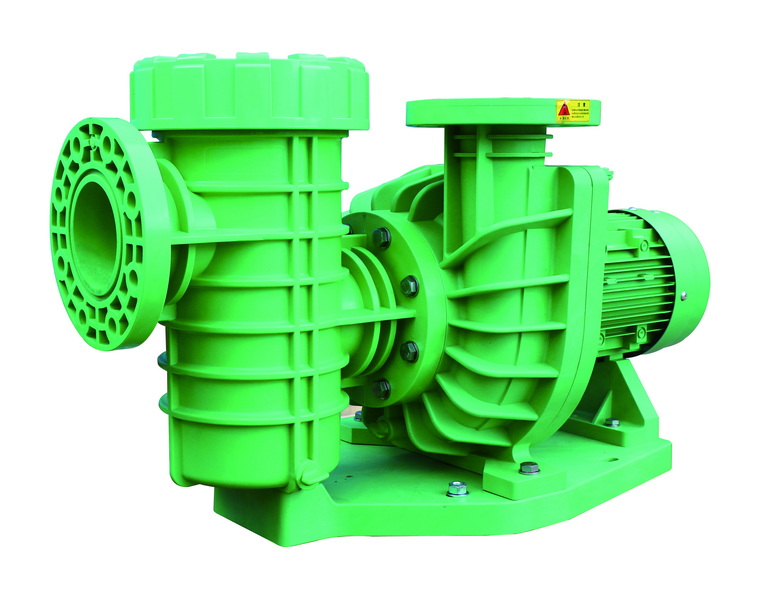
Before diving into repairs, familiarize yourself with your pool pump's components. Most residential pumps include a motor, impeller, strainer basket, housing, seals, and O-rings. Single-speed pumps run at a constant rate, while variable-speed models offer energy efficiency by adjusting flow rates—ideal for modern pools.[5]
The impeller spins to create suction, pulling water from the skimmer and returning it filtered. Over time, wear from debris or improper installation can cause failures. Our factory's pumps, built with precision engineering, feature corrosion-resistant materials to minimize these issues for global OEM partners.[6]
Safety comes first when working on pool pumps to avoid electrical shocks or injuries. Always turn off power at the circuit breaker and unplug the unit if possible. Wear protective gloves and eyewear, and never work on a wet pump.[7][8]
Drain any residual water to prevent slips, and ensure the pool area is well-ventilated. If you're unsure about electrical components, consult a professional—our OEM services emphasize safe, user-friendly designs to reduce such risks for end-users.[9]
Recognize issues early to prevent costly damage. If the pump won't start, hums without spinning, or makes unusual noises like grinding, it's time for troubleshooting. Low water flow or leaks are also red flags, often caused by clogs or worn parts.[10][11]
Overheating, indicated by a hot motor or automatic shutoff, points to restricted flow or failing bearings. Monitor pressure gauges; a rise of 8-10 PSI above normal suggests blockages. Our high-performance pumps include built-in indicators for easier diagnostics, benefiting wholesalers worldwide.[12]
A non-starting pump is often electrical. First, inspect the power supply: reset tripped breakers or GFCI outlets, and check for loose wires. Test the outlet with another device.[4][14]
If power is fine, examine the capacitor—a small component that jump-starts the motor. A bulging or cracked one needs replacement; use a multimeter to test continuity. Debris in the impeller can also seize the motor.[15]
1. Turn off power and remove the motor cover with a screwdriver.
2. Disconnect wires from the capacitor (note positions for reassembly).
3. Install a compatible replacement, rated for your pump's horsepower.
4. Reconnect and test—most issues resolve here.[16]
Low flow starves your filter of water, leading to poor circulation. Start by cleaning the skimmer and pump baskets; debris buildup is the most common culprit.[2][13]
Inspect the impeller for clogs—turn off power, remove the housing, and clear obstructions with a soft brush. Air leaks from cracked pipes or worn O-rings reduce suction; tighten fittings and lubricate seals.[9][10]
Backwash the filter if pressure is high. Our sand and cartridge filters pair seamlessly with pumps to maintain optimal flow for OEM clients.[17]
1. Shut off the pump and relieve system pressure.
2. Unscrew the pump lid and remove the basket.
3. Access the impeller via the rear port and extract debris.
4. Rinse and reassemble, priming if needed.[18]
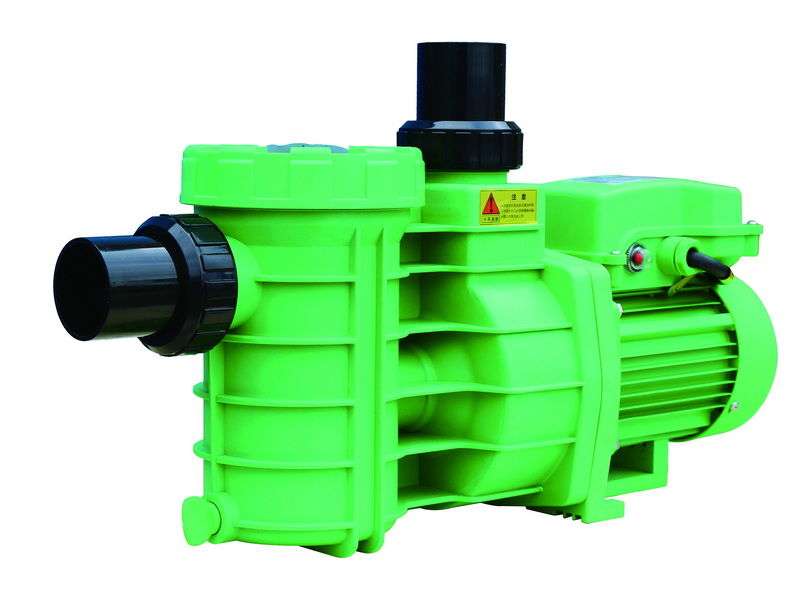
Leaks waste water and strain the motor. Common sources include worn mechanical seals, cracked housings, or loose unions. Inspect around the pump base for drips.[11][8]
For seal leaks, replace the mechanical seal kit— a DIY job with basic tools. Apply silicone lubricant to O-rings during reassembly to prevent future issues.[19]
Tighten plumbing connections with a wrench, but avoid over-tightening to prevent cracks. Our factory's pumps use durable seals for leak-proof performance in demanding environments.[1]
1. Power down and drain the pump.
2. Disassemble the wet end, removing old O-rings.
3. Install new ones with lubricant and realign components.
4. Test for leaks after priming.[21]
Noises like humming indicate a stuck impeller or failing bearings, while grinding suggests debris or wear. A humming but non-starting pump often means a bad capacitor or single-phase motor issue.[3][16]
Clear blockages first, then check bearings for lubrication. If noise persists, bearings may need replacement— a moderate DIY task.[20]
Cavitation from air leaks causes rattling; seal all connections. Our quiet, efficient pumps reduce noise for residential and commercial use.[22]
Infographic of noise types and causes. This diagnostic video pinpoints humming sources.[18]
1. Access the motor rear after powering off.
2. Apply manufacturer-recommended grease to bearings.
3. For replacement, use a puller tool and install new ones.
4. Reassemble and run a test cycle.[6]
Overheating triggers thermal overload shutoffs. Causes include clogged filters, low water levels, or poor ventilation around the motor.[22]
Clean vents and ensure the fan spins freely. Improve airflow by trimming nearby foliage. Voltage drops can also overwork the motor—check with a multimeter.[15]
Run the pump only when needed to avoid strain. Our variable-speed pumps prevent overheating through smart controls.[5]
Diagram of heat buildup in pumps. This video offers cooling tips and fixes.[14]
1. Clear debris from motor vents.
2. Verify voltage matches pump specs (usually 220-240V).
3. Install a temperature gauge for ongoing checks.
4. Schedule runtime to under 8 hours daily.[12]
Not all fixes are DIY-friendly. If electrical issues involve wiring or the motor burns out, hire a certified technician to avoid hazards. Persistent problems after basic troubleshooting signal deeper faults like a seized rotor.[23][14]
For complex repairs like full motor rebuilds, professionals ensure compliance with warranties. As an OEM provider, we recommend certified service for our products to maintain quality standards.[9]
Regular upkeep extends pump life to 8-10 years. Clean baskets weekly, backwash filters monthly, and inspect seals seasonally. Balance pool chemistry to reduce corrosion.[24][12]
Winterize by draining and storing indoors in cold climates. Use energy-efficient models to cut costs—our intelligent production ensures compatibility with smart home systems.[6]
Maintenance schedule chart. This seasonal care video provides year-round tips.[17]
- Screwdrivers and wrenches for disassembly.
- Multimeter for electrical tests.
- Silicone lubricant and replacement kits.
- Pressure gauge for monitoring.
Fixing a pool pump doesn't have to be overwhelming—with the right steps, most issues can be resolved at home, saving you from expensive replacements. Regular maintenance and prompt troubleshooting keep your pool running efficiently, ensuring clear water and enjoyable summers. As a trusted Chinese factory producing top-tier sand filters, DE filters, cartridge filters, pumps, and accessories, we offer OEM services tailored for international brands, wholesalers, and manufacturers. Contact us for durable, smart solutions that minimize downtime and maximize performance.
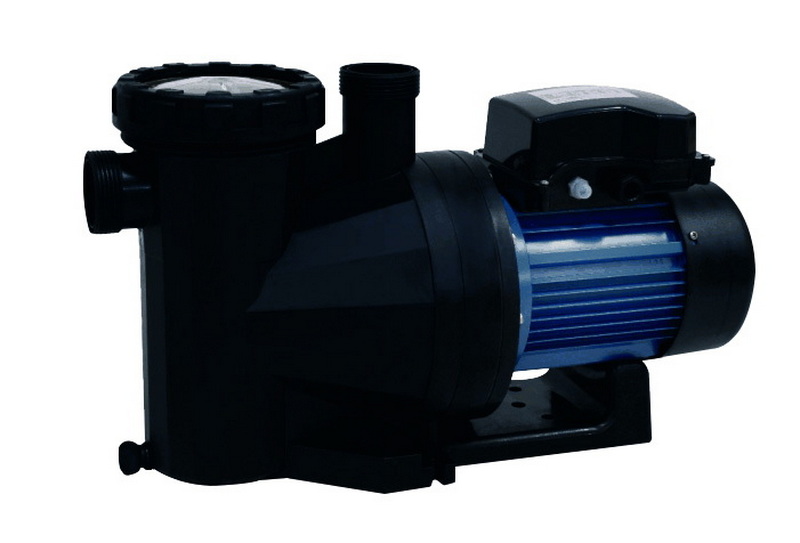
A humming pump often indicates a faulty capacitor, stuck impeller from debris, or electrical issues like low voltage. Turn off power, clear the impeller, and test the capacitor with a multimeter. If unresolved, replace the capacitor or call a pro.[10][9]
Clean the strainer basket weekly during heavy use or bi-weekly otherwise to prevent clogs and maintain flow. Rinse with a hose and inspect for cracks—our filters integrate easily for seamless cleaning.[13][12]
Yes, for minor leaks from O-rings or fittings: power off, lubricate or replace seals, and tighten connections. For mechanical seal failures, use a kit but ensure proper alignment to avoid further damage.[8][19]
Clogged baskets, dirty filters, or air leaks typically cause low flow. Clean components, backwash the filter, and check for suction issues. Regular checks prevent 80% of flow problems.[2][17]
Ensure good ventilation, avoid running dry, and clean filters regularly. Use variable-speed pumps for balanced operation—our models feature overload protection for safety.[22][6]
If you're comfortable with electrical work, yes— but always disconnect power first and match the exact specs. Otherwise, hire a professional to prevent shocks or motor damage.[16][15]
[1](https://www.youtube.com/watch?v=2-4HSvVuqdE)
[2](https://pleasantpools.com/5-most-common-pool-pump-problems-and-solutions/)
[3](https://lesliespool.com/blog/pool-pump-troubleshooting-guide.html)
[4](https://www.poolmarttx.com/post/fix-common-swimming-pool-pump-issues-fast--a-no-stress-diy-maintenance-guide)
[5](https://www.pentair.com/en-us/education-support/water-education-center/pool-and-spa-education/pool-pump-information-guide.html)
[6](https://sparklingclearpool.com/deep-dive-into-pool-pump-care-advanced-tips-and-hacks/)
[7](https://www.zodiac-poolcare.com/solutions/tips-for-my-pool/pool-maintenance/How-to-clean-and-maintain-your-pool-pump)
[8](https://manningpoolservice.com/fix-leaking-pool-pump-guide/)
[9](https://dolphinpacific.co.nz/pool-pump-troubleshooting/)
[10](https://www.swimuniversity.com/pool-pump-not-working/)
[11](https://www.gpspoolstore.com/5-common-pool-pump-problems-and-how-to-solve-them/)
[12](https://starwatersystems.com/2025/08/04/pool-pump-maintenance/)
[13](https://www.swimmingpool.com.sg/articles/maintaining-your-pool-pump-a-step-by-step-guide.html)
[14](https://www.hillsboroughpoolservice.com/diy-pool-pump-repair/)
[15](https://intheswim.com/blog/pool-pump-troubleshooting-guide.html)
[16](https://www.jimspoolcare.com.au/news-pool-cleaning/how-to-save-money-with-diy-pool-pump-repair/)
[17](https://www.sundial-pools.com/2024/11/07/pool-pump-repair-issues/)
[18](https://vacbagz.com/blogs/news/how-to-fix-common-pool-pump-problems)
[19](https://www.youtube.com/watch?v=VU7dCbXmFJg)
[20](https://poolsystem.pl/en/blog/pool-technology/known-problems-with-pool-pumps)
[21](https://www.instructables.com/Restoring-Seized-Pool-Water-Pump-with-Pictures/)
[22](https://jnjpools.com/pool-pump-troubleshooting-common-issues-and-when-to-call-a-pro/)
[23](https://www.jimspoolcare.com.au/news-pool-cleaning/common-mistakes-in-pool-pump-repair-and-how-to-avoid-them/)
[24](https://www.astralpool.com.au/pool-and-spa-guides/ultimate-guide-to-maintaining-your-pool-pump)
[25](https://clarkcountypoolandlawn.com/2021/09/10/common-pool-pump-problems/)
[26](https://www.shutterstock.com/search/pool-pump-repair)
[27](https://www.gettyimages.com/photos/pool-pump-repair)
[28](https://www.istockphoto.com/photos/pool-pump)
[29](https://www.freepik.com/vectors/pool-pump-repair)
[30](https://www.shutterstock.com/search/pool-pump-repair?image_type=illustration&page=2)
[31](https://stock.adobe.com/search?k=pump+repair)
[32](https://vitreusart.com/pool-equipment-maintenance-guide-ensuring-optimal-performance/)
[33](https://www.artistic-development.com/wp-content/uploads/2021/01/Trouble20Shooting20Guide.pdf)
[34](https://www.aboveallpoolcare.com/how-to-replace-a-pool-pump/)
[35](https://stock.adobe.com/search?k=pool+repair)
[36](https://www.youtube.com/watch?v=PsXcn9e6Vzo)
[37](https://envirowaste.com.au/mastering-pool-filter-maintenance/)
[38](https://primalpoolcare.com/blog/a-step-by-step-guide-to-servicing-your-pool-pump-for-optimal-performance)
[39](https://www.freepik.com/free-photos-vectors/pool-pump)


