
Views: 222 Author: Poolking Filter Equipment Publish Time: 2026-06-15 Origin: Site


Content Menu
● Why Convert Your Chlorine Pool to a Salt Water Oasis
● How Salt Water Pool Systems Actually Work
● Essential Equipment to Convert a Chlorine Pool to Salt Water
>> 1. Salt Chlorine Generator (Salt System)
>> 2. Pool Filtration System (Sand, DE, or Cartridge)
>> 4. Water Testing and Monitoring Tools
● Step‑by‑Step: How Professionals Convert a Pool to Salt Water
>> Step 1: Inspect Infrastructure and Equipment
>> Step 2: Balance the Water Chemistry
>> Step 3: Install the Salt Chlorine Generator
>> Step 4: Add Salt and Circulate
>> Step 5: Start Up and Calibrate the System
● Why Filtration Quality Matters Even More in Salt Systems
>> Role of Commercial‑Grade Filters
>> Pumps, Lights, and Fittings in a Salt Environment
● Real‑World Advantages of Converting to Salt Water
● Common Challenges and How Experts Avoid Them
● When to Consider Upgrading to Commercial‑Grade Equipment
● Practical Checklist: Is Your Pool Ready for Salt?
● Recommended System Layout for Salt Water Pools
● Clear Next Steps and How Poolking Can Support
● FAQs About Converting a Chlorine Pool to Salt Water
To outperform the original article, we'll position this as an expert, experience-based guide on converting a chlorine pool to a salt water system, while naturally weaving in Poolking's commercial-grade filtration and equipment expertise as a core trust signal and solution. [poolking]
Switching from a traditional chlorine pool to a salt water pool system gives swimmers a noticeably softer, more comfortable water experience and can simplify day‑to‑day maintenance when done correctly. Instead of manually dosing chlorine, a salt chlorine generator (also called a salt chlorinator) creates chlorine from dissolved salt in your pool water, maintaining more consistent sanitization with fewer harsh chemical spikes. [edgewaterpoolservice]
As a pool equipment manufacturer with 20+ years of experience producing commercial pool sand filters, fiberglass and plastic sand filters, cartridge filters, pumps, and LED lights from modern bases in Guangzhou and Taishan, Guangdong Poolking brings an engineering‑driven view to salt system conversions and long‑term water quality management. [poolking.en.made-in-china]
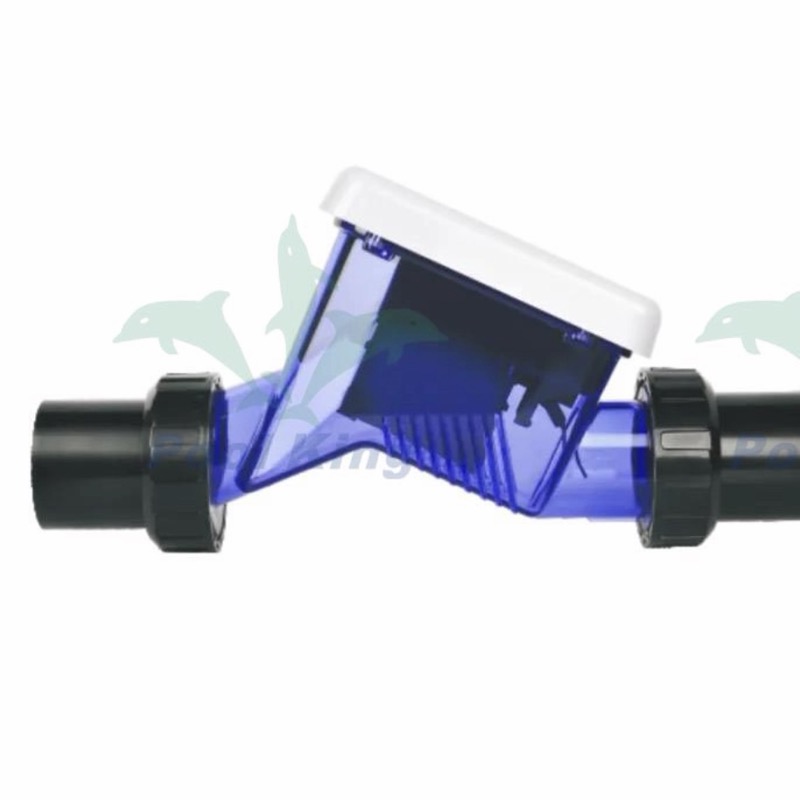
A salt water pool is still a chlorine pool, but chlorine is created on‑site instead of added manually from tablets or liquid. You add a specific amount of pool‑grade salt to the water, and as that water passes through a salt chlorine generator cell, an electrical reaction converts dissolved salt into free chlorine that sanitizes the pool. [lesliespool]
Most modern salt systems operate best between 2,500–3,500 ppm salinity, a level low enough that swimmers typically do not taste salt the way they would in the ocean. When paired with a correctly sized pool filter (sand, DE, or cartridge) and a reliable pump, a salt system can maintain clear, comfortable water with fewer manual interventions. [youtube]
From an equipment standpoint, converting your pool to salt water revolves around a few core components that must work together as a system.
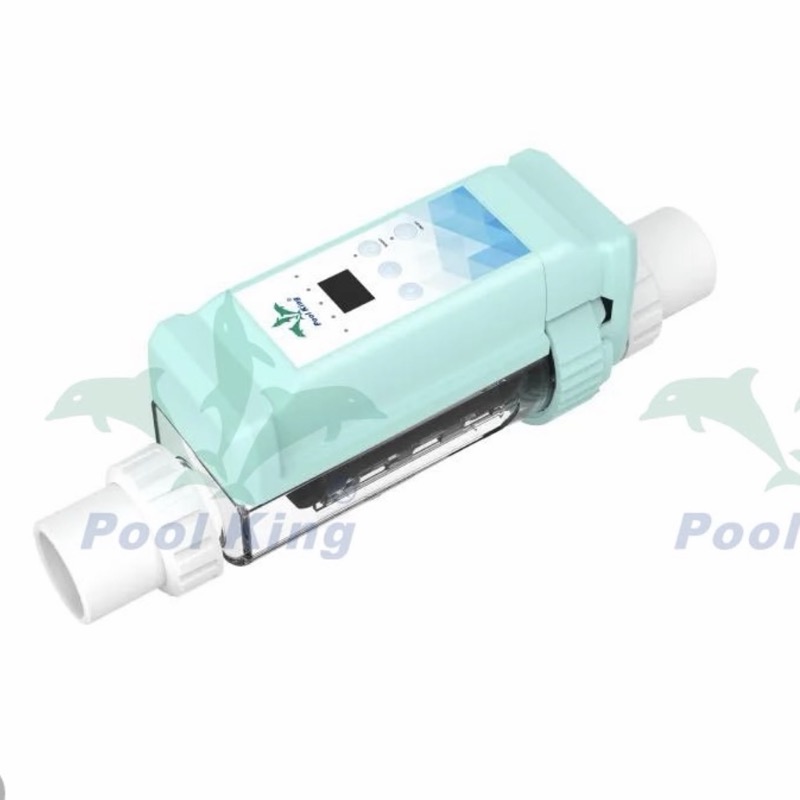
The salt chlorine generator is the heart of a salt water pool conversion. [edgewaterpoolservice]
Key elements include:
- Control unit or power center that manages output and monitors salt levels
- Electrolytic cell installed in the return plumbing after the filter
- Flow sensor and safety features to prevent operation without circulation
Industry pros generally recommend choosing a salt system rated for at least 1.5–2 times your actual pool volume to ensure adequate chlorine production during heavy use and hot weather. [diy.inyopools]
If your existing pool filtration system is under‑sized or near the end of its life, upgrading during salt water conversion is an ideal time. Reliable filtration is non‑negotiable for clear water, especially in commercial applications. [lesliespool]
Common options:
- Sand filters: Durable, easy to operate, ideal for many residential and commercial pools
- Fiberglass and plastic sand filters: Corrosion‑resistant, suitable for both traditional chlorine and salt water environments
- Cartridge filters: Fine filtration and low water waste, but require regular manual cleaning
Manufacturers like Poolking focus on commercial pool sand filters, fiberglass sand filters, plastic sand filters, and cartridge filters, engineered to handle heavy usage and provide stable flow for salt systems. [poolking.en.made-in-china]
A high‑quality circulation pump ensures the salt system receives enough flow to generate chlorine and that water passes consistently through the filter. While many homeowners reuse their existing pump, facility managers often pair salt conversions with energy‑efficient pumps to reduce lifetime operating costs. [edgewaterpoolservice]
For a smooth salt water conversion, you'll need:
- Comprehensive test kit for pH, alkalinity, calcium hardness, and stabilizer (CYA)
- Salt test kit or electronic tester for measuring salinity levels
- Optional automation controls to integrate with timers and smart pool systems
Regular testing remains critical even when the salt system is doing most of the daily sanitizing work. [aquaclearpoolcare]
Most residential pools require several hundred pounds of pool‑grade salt at startup, depending on pool volume and the salt system's target range. A common guideline is around 50 lb of salt per 2,000 gallons of water to achieve a typical salinity level, adjusted to the manufacturer's specifications. [diy.inyopools]
Drawing from field practice and established service procedures, here is a professional‑grade workflow to convert your chlorine pool into a salt water pool.
Before installing any salt system:
1. Inspect the pool shell and surfaces for cracks, failing finishes, or incompatible materials. [edgewaterpoolservice]
2. Evaluate existing equipment – filter, pump, valves, and plumbing – for leaks, corrosion, or undersizing. [diy.inyopools]
3. Confirm that your electrical and bonding system meets local safety codes, especially for commercial facilities. [centraljerseypools]
Addressing aging or corroded components before conversion protects the salt system and improves long‑term reliability. [diy.inyopools]
Professional technicians start by fully balancing traditional pool chemistry before adding salt. [lesliespool]
Target ranges often include:
- pH: 7.2–7.6
- Total alkalinity: 80–120 ppm
- Calcium hardness: 200–400 ppm
- Free chlorine: within the recommended range for safe swimming
- Cyanuric acid (CYA): appropriate stabilizer level for outdoor pools
Beginning with balanced water helps the salt system perform efficiently and reduces the risk of staining or scaling. [aquaclearpoolcare]
The salt cell is plumbed into the return line, typically after the filter and heater but before the return to the pool, so only clean water passes through the electrodes. [lesliespool]
Best practices include:
- Mount the control unit near the equipment pad in a well‑ventilated area. [edgewaterpoolservice]
- Follow manufacturer wiring diagrams and local electrical codes, often with a licensed electrician. [lesliespool]
- Ensure the system only receives power when the circulation pump is running, commonly via a shared timer or automation relay. [lesliespool]
Once plumbing and wiring are complete:
1. Calculate the required salt based on your pool volume and target salinity. [diy.inyopools]
2. With the pump running and the salt system off, broadcast salt evenly across the pool surface, avoiding directly pouring into skimmers or main drains. [diy.inyopools]
3. Run the pump for at least 24 hours to fully dissolve and distribute salt. [edgewaterpoolservice]
After circulation, test salt levels and adjust if needed to reach the manufacturer's recommended range, typically around 2,500–3,500 ppm for many systems. [youtube]
Initial startup is where professional experience makes a noticeable difference:
- Many service technicians shock the pool with an external chlorine source first, then wait until free chlorine drops back to 1–3 ppm before powering the salt system. [diy.inyopools]
- The salt generator is then set to a moderate output (often around 50%) and allowed to run for 24 hours. [diy.inyopools]
- Free chlorine is tested, and the output is adjusted up or down in 10% increments until the pool stabilizes in the 1–3 ppm range. [diy.inyopools]
Over the next weeks, minor tweaks are made to account for bather load, sunlight, and seasonal changes.
While many conversion guides focus on the salt generator, experienced operators know that filtration and circulation are what keep a salt pool consistently clear.
High‑performance sand filters, fiberglass sand filters, plastic sand filters, and cartridge filters:
- Maintain steady flow through the salt cell for reliable chlorine production
- Capture fine debris that can otherwise consume chlorine and cloud water
- Withstand the corrosive potential of mildly saline environments better when constructed from robust, compatible materials
Manufacturers such as Guangdong Poolking design commercial pool sand filters and cartridge filters explicitly for long‑term, high‑throughput operation in hotels, water parks, training facilities, and large residential pools. Integrating these filters into a salt system can reduce maintenance frequency and improve water clarity under heavy use. [poolking]
Beyond filters, a complete salt‑ready system uses:
- Corrosion‑resistant pumps with appropriate seals and housings
- LED underwater lights and pool fittings designed for long‑term immersion in mildly saline water
- Durable valves and unions that simplify service, especially in commercial plant rooms
Positioning your conversion in this broader equipment context helps future‑proof the installation and reduce lifecycle costs.
Homeowners and facility managers commonly report a set of recurring benefits after converting from chlorine to salt water.
Perceived comfort and experience
- Water feels softer on skin and eyes, with fewer strong chlorine odors when chemistry is properly managed. [aquaclearpoolcare]
- Many swimmers find they can stay in the pool longer without irritation, a major benefit for resorts and training facilities. [centraljerseypools]
Operational and maintenance advantages
- Automated chlorine generation reduces the need for manual dosing and storage of bulky chlorine products. [lesliespool]
- When paired with a well‑sized filter and pump, salt systems can provide more stable chlorine levels, particularly in high‑usage pools. [edgewaterpoolservice]
Potential cost optimization over time
- Upfront equipment costs are higher, but reduced chemical purchases and fewer emergency water‑quality issues can improve total cost of ownership for many pools. [centraljerseypools]
Salt water conversions can create issues when executed without a holistic view of the system.
Metal corrosion and incompatible materials
Salt water can accelerate corrosion on unprotected metal components, especially older railings, fixtures, and steel elements near waterline splashes. Professionals often: [centraljerseypools]
- Recommend sacrificial anodes or upgraded materials where appropriate
- Advise regular rinsing of nearby metal fixtures and decking
Scaling, staining, and cloudy water
If calcium hardness, pH, or total alkalinity drift out of range, salt cells and heaters can develop scale, reducing efficiency and causing damage. A robust filtration system plus disciplined water testing minimizes these risks. [edgewaterpoolservice]
Undersized or neglected filtration
A common pain point in user reviews is assuming that a salt system will "fix" poor water quality on its own. In practice, dirty or undersized filters, inadequate pump run time, and skipped backwashing or cartridge cleaning are frequent causes of murky water—even in salt pools. [edgewaterpoolservice]
For hotels, swim schools, therapy pools, competition venues, and large residential projects, the decision to convert to salt water is often combined with a broader equipment review.
Upgrading to commercial‑grade sand filters, fiberglass sand filters, plastic sand filters, and cartridge filters from a specialist manufacturer like Guangdong Poolking can be justified when:
- Bather load is consistently high, increasing debris and organic load
- Downtime due to cloudy water or equipment failure is especially costly
- You plan to operate multiple bodies of water from a centralized plant room
Poolking operates two advanced production bases in Guangzhou and Taishan City covering around 60,000 sqm, enabling large‑scale, customized filtration solutions for both commercial and premium residential salt pool projects. [poolking.en.made-in-china]
Use this quick checklist before scheduling a salt water conversion:
- Your pool shell and interior finish are in sound condition
- Existing filter and pump are either modern and salt‑compatible or scheduled for upgrade
- Electrical and bonding meet local code and manufacturer requirements
- You have access to reliable technical support from your salt system and filter manufacturer
- You are prepared to test and balance water weekly, especially in the first season
For multi‑pool facilities or complex circulation systems, consult a manufacturer or engineering partner who can model flows, filter sizing, and salt system load across all basins.
Below is a high‑level layout commonly used in successful conversions, especially in professional plant rooms:
1. Skimmers and main drains collect water from the pool.
2. Water passes through the circulation pump, sized for the system flow requirements.
3. Water flows into the primary filter (sand, DE, or cartridge).
4. Any heating equipment (heat pumps, gas heaters) comes next.
5. The salt chlorine generator cell is installed after filtration and heating, on the return line. [lesliespool]
6. Treated water returns to the pool via inlets, spa overflows, or water features.
This sequence ensures that the salt cell only receives filtered, debris‑free water, extending its life and keeping chlorine production stable. [edgewaterpoolservice]
If you are planning to convert a chlorine pool to salt water:
- Homeowners: Start with a water test, confirm equipment condition, then select a properly sized salt system compatible with your existing or upgraded filter. [aquaclearpoolcare]
- Commercial operators and facility managers: Involve an equipment manufacturer or consultant early to correctly size filters, pumps, and salt systems for your real‑world bather load and operational schedule.
With over 20 years of manufacturing experience and a product portfolio covering pool sand filters, fiberglass and plastic sand filters, cartridge filters, pumps, LED underwater lights, and fittings, Guangdong Poolking can support both stand‑alone salt pool conversions and full‑plant filtration upgrades from its Guangzhou and Taishan facilities. [poolking]
If you'd like to design a salt‑ready filtration system or upgrade an existing commercial pool, consider reaching out to a specialist team that can match filter type, pump capacity, and salt generator sizing to your specific project instead of relying on generic, one‑size‑fits‑all kits. [poolking]
1. Do I need to drain my pool to convert it to salt water?
In most cases, you do not need to fully drain the pool; you simply balance existing water, then add salt and install a salt system, following manufacturer guidelines. [centraljerseypools]
2. Will a salt water pool still smell like chlorine?
When water chemistry is balanced and the salt generator is correctly set, many owners report less noticeable chlorine odor compared with manually dosed chlorine pools. [aquaclearpoolcare]
3. How often should I clean or backwash my filter in a salt water pool?
Filter maintenance intervals are similar to traditional pools and depend on bather load and debris; sand filters typically need periodic backwashing, while cartridge filters require manual cleaning when pressure rises. [lesliespool]
4. Is a salt water pool more expensive to run than a chlorine pool?
Upfront equipment costs are higher, but savings on chlorine products and fewer emergency water‑quality issues can offset those costs over time, especially in frequently used pools. [centraljerseypools]
5. Can I use any sand filter with a salt water system?
Many modern filters are salt‑compatible, but commercial‑grade fiberglass or plastic sand filters and properly coated steel components are often preferred in high‑usage or commercial environments for durability. [poolking.en.made-in-china]
1. Edgewater Pools – *How to Convert a Chlorine Pool to Salt Water*
<https://edgewaterpoolservice.com/chlorine-to-salt-water-pool/> [edgewaterpoolservice]
2. Aqua Clear Pool Care – *How to Convert a Chlorine Pool to Salt Water: A Step-by-Step Guide*
<https://aquaclearpoolcare.com/how-to-convert-a-chlorine-pool-to-salt-water-step-by-step-guide/> [aquaclearpoolcare]
3. Leslie's Pool Supplies – *Saltwater Pool Conversion: A DIY Guide*
<https://lesliespool.com/blog/saltwater-pool-conversion-a-diy-guide.html> [lesliespool]
4. DIY Inyo Pools – *Converting Your Pool to Saltwater*
<https://diy.inyopools.com/article/converting-your-pool-to-saltwater/> [diy.inyopools]
5. Central Jersey Pools – *Salt Water Pool Conversion: What to Know*
<https://centraljerseypools.com/salt-water-pool-conversion-what-to-know/> [centraljerseypools]
6. Guangdong Poolking – *Swimming Pool Sand Filters Suppliers & Manufacturers*
<https://www.poolking.co/pool-sand-filter.html> [poolking]
7. Made‑in‑China – *Commercial Sand Filters for Swimming Pools – Guangdong Poolking Filtration Equipment Manufacturing Co., Ltd.*
<https://poolking.en.made-in-china.com/product/IKyJwvFMcBcV/China-Commercial-Sand-Filters-for-Swimming-Pools.html> [poolking.en.made-in-china]


