
Views: 222 Author: Tina Publish Time: 2026-01-23 Origin: Site


Content Menu
● How to Clean an Aluminum Pool Ladder
● Why Cleaning an Aluminum Pool Ladder Matters
● Tools and Materials You Will Need
● Step‑by‑Step: How to Clean an Aluminum Pool Ladder
>> Step 1 – Inspect and Remove the Pool Ladder
>> Step 2 – Rinse Away Loose Dirt and Chemicals
>> Step 3 – Apply a Mild Cleaning Solution
>> Step 4 – Gently Scrub the Aluminum Surface
>> Step 5 – Treat Stains, Scale, and Light Oxidation
>> Step 6 – Rinse Thoroughly With Fresh Water
>> Step 7 – Dry and Protect the Aluminum Pool Ladder
>> Step 8 – Clean and Care for Hardware and Accessories
>> Step 9 – Reinstall the Pool Ladder Safely
● Routine Maintenance Tips for an Aluminum Pool Ladder
● Safety Precautions When Cleaning a Pool Ladder
● Advanced Care and Corrosion Prevention for an Aluminum Pool Ladder
● Enhancing User Experience Around the Pool Ladder
● FAQ About Cleaning an Aluminum Pool Ladder
>> 1. How often should an aluminum Pool ladder be cleaned?
>> 2. What kind of cleaner is safe for an aluminum Pool ladder?
>> 3. Can abrasive pads be used on an aluminum Pool ladder?
>> 4. How can corrosion be prevented on an aluminum Pool ladder?
>> 5. When should an aluminum Pool ladder be replaced instead of cleaned?
How to clean an aluminum pool ladder correctly comes down to three things: remove it, use gentle non‑abrasive cleaners, and rinse and dry thoroughly to protect the metal and keep the Pool ladder safe. Regular cleaning plus quick inspections will also extend the lifespan of your aluminum Pool ladder and prevent corrosion or slippery steps.
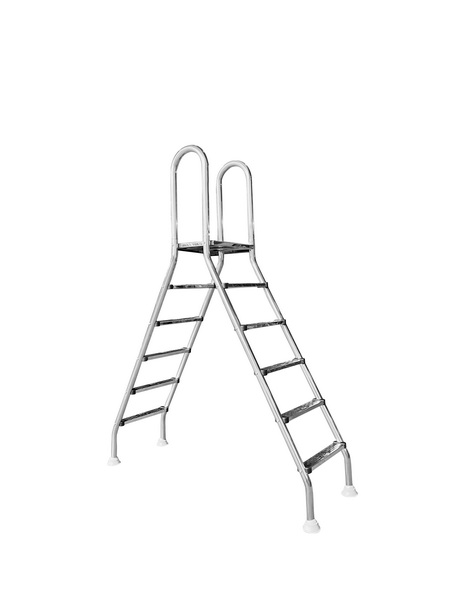
Keeping an aluminum Pool ladder clean is essential for safety, appearance, and long‑term durability. Dirt, algae, sunscreen, body oils, and pool chemicals can all damage aluminum surfaces or make the Pool ladder slippery if you do not maintain it regularly.
A neglected aluminum Pool ladder can quickly become stained, rough, and unsafe to step on. Regular care prevents surface oxidation, scale buildup, and hidden damage that can affect the stability of the Pool ladder.
- Clean metals last longer because chemical residues and debris are removed before they can attack the surface of the Pool ladder.
- A smooth, well‑maintained aluminum Pool ladder reduces the risk of slips, cuts, or snagged swimwear for users.
- A bright, clean Pool ladder also improves the overall look of the pool area and supports a more premium, well‑managed image.
Before starting on the aluminum Pool ladder, prepare the right tools so the job is efficient and safe. Using gentle equipment protects the finish on the Pool ladder while still removing dirt and light oxidation.
- Soft‑bristle nylon brush or sponge (no steel wool or harsh abrasive pads).
- Mild, non‑abrasive cleaner or gentle detergent formulated for pool surfaces or metals.
- Bucket of warm water and a hose with fresh water for rinsing the Pool ladder.
- Non‑scratch cloths or microfiber towels for drying the Pool ladder thoroughly.
- Protective gloves and non‑slip footwear for safer handling around the Pool ladder.
- Optional: metal protectant or suitable wax formulated for aluminum, plus silicone lubricant for hinges or movable sections.
This process focuses on cleaning the aluminum Pool ladder safely while protecting the pool water from unnecessary contamination. Whenever possible, remove the Pool ladder from the anchors for deeper cleaning and easier access.
Start by checking the Pool ladder for loose bolts, cracked steps, missing bumpers, or sharp edges before touching anything. If the hardware is secure, loosen the anchor sockets and carefully lift the Pool ladder out of the water onto a soft, non‑abrasive surface like grass, a mat, or a tarp.
- Avoid dragging the aluminum Pool ladder across concrete or tiles, which can scratch and expose bare metal.
- If the Pool ladder cannot be removed, work while it is in place, using extra caution not to stand on slippery rungs during cleaning.
Use a garden hose with fresh water to rinse the entire aluminum Pool ladder from top to bottom. This first rinse removes loose debris, grit, salt, and residual pool chemicals that might react with cleaners on the Pool ladder surface.
- Pay special attention to joints, underside areas, and corners of the Pool ladder where algae and dirt can hide.
- Rinsing also cools down hot metal if the Pool ladder has been exposed to direct sun, making it easier and safer to handle.
- If your pool is in a coastal or dusty environment, spend extra time on this initial rinse to flush away airborne contaminants.
Mix a gentle detergent or non‑abrasive cleaner in a bucket of warm water according to the product directions. Dip a soft sponge or cloth into the solution and apply it generously across all aluminum surfaces of the Pool ladder.
- Avoid harsh chemicals containing strong acids, high chlorine concentration, or gritty particles, which can damage or dull the aluminum Pool ladder over time.
- Work section by section so the cleaner does not dry on the Pool ladder before scrubbing.
- For heavily soiled areas of the Pool ladder, allow the cleaning solution to sit for a few minutes to soften grime before scrubbing.
Using a soft‑bristle brush or non‑scratch pad, scrub the entire aluminum Pool ladder with light, even pressure. Focus on treads, handholds, welds, fastener areas, and the underside where biofilm and scale tend to develop on the Pool ladder.
- Use gentle circular motions to lift stains without scratching the aluminum Pool ladder.
- For tougher spots, reapply cleaner and let it dwell briefly instead of using harder abrasive tools on the Pool ladder.
- Remember to clean around each step opening and under any decorative covers where dirt or algae can hide.
If the aluminum Pool ladder shows light oxidation, tea‑colored stains, or mineral spots, repeat the scrubbing with a non‑abrasive cleaner designed for metals or a diluted vinegar solution. Always follow the manufacturer's directions and test on a small hidden part of the Pool ladder first.
- Never use steel wool, aggressive scouring pads, or strong acid on an aluminum Pool ladder, because they can scratch or etch the surface.
- For limescale, a mild vinegar‑and‑water solution can help dissolve deposits on the Pool ladder, followed by thorough rinsing.
- If stains remain after gentle treatments, consider consulting the Pool ladder manufacturer for compatible specialty cleaners.
After scrubbing, rinse every part of the aluminum Pool ladder thoroughly with clean water. Any leftover detergent or cleaner can create a slippery film or react with pool chemicals once the Pool ladder goes back into the water.
- Use the hose to flush out crevices, joints, and mounting areas on the Pool ladder until runoff is clear.
- Rinse from the top down so dirty water does not run over already cleaned areas of the Pool ladder.
- Double‑check that no suds remain on the treads or handrails before moving on to drying.
Dry the aluminum Pool ladder completely with a soft towel or microfiber cloth to prevent water spots and slow oxidation. Proper drying also keeps the surface of the Pool ladder smoother and easier to keep clean.
- Wipe every rung, rail, and joint, including the underside and contact points where the Pool ladder meets the deck.
- After drying, you can apply a suitable metal protectant or wax recommended for aluminum to add a light protective layer on the Pool ladder.
- Do not apply wax or protectant to the face of the steps where swimmers stand, to avoid making the Pool ladder rungs slick.
While the aluminum Pool ladder is out of the water, take a moment to clean the hardware and any attached accessories. Hardware quality and condition have a big impact on the stability and safety of your Pool ladder.
- Wipe bolts, nuts, and anchor sockets with the same mild cleaning solution and rinse well.
- Check bumpers, end caps, and rubber feet for wear; replace worn parts to protect the pool wall and keep the Pool ladder seated correctly.
- Where appropriate, apply a small amount of silicone‑based lubricant to moving joints or locking mechanisms, taking care not to let it drip onto tread surfaces of the Pool ladder.
Once the aluminum Pool ladder is clean and dry, return it to the pool following the original installation positions. Insert the legs back into the anchor sockets, tighten hardware, and confirm that the Pool ladder feels stable and secure before anyone uses it.
- Ensure all anchors and wedges are fully engaged and that the Pool ladder does not rock or twist when you apply your weight.
- Confirm that bumper pads sit firmly against the pool wall and that the Pool ladder rails are aligned properly.
- If any bolts, treads, or brackets on the Pool ladder show damage, replace them promptly or consult a professional before reopening the pool.
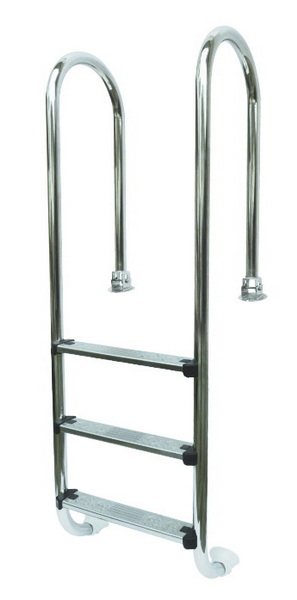
Consistent upkeep reduces the amount of deep cleaning your aluminum Pool ladder needs throughout the season. These simple habits keep the Pool ladder looking bright and performing well in everyday use.
- Rinse the aluminum Pool ladder with fresh water weekly during heavy use to remove accumulated chemicals and salt.
- Do a more thorough clean with mild detergent at least once a month, or more often in harsh climates or saltwater pools where the Pool ladder faces extra stress.
- Inspect the Pool ladder regularly for loose parts, cracked steps, worn bumpers, or developing stains and address issues quickly.
- During the off‑season, consider removing the Pool ladder, cleaning it, drying it fully, and storing it in a dry, sheltered place to extend its service life.
Working around water and metal surfaces always involves some level of risk, so safety practices around the aluminum Pool ladder are essential. A careful workflow keeps both the Pool ladder and the user protected at all times.
- Turn off or keep clear of nearby electrical equipment and avoid extension cords near the pool while cleaning the Pool ladder.
- Wear non‑slip shoes and gloves to improve grip when handling a wet aluminum Pool ladder.
- Never climb on a Pool ladder while scrubbing it; complete cleaning with the ladder removed or from the deck side only.
- If the Pool ladder shows any structural damage, do not allow swimmers to use it until repair or replacement is completed.
Beyond basic cleaning, a few advanced steps help protect an aluminum Pool ladder in demanding conditions such as coastal regions, high‑use commercial pools, or heavily chlorinated systems. Long‑term corrosion control will keep the Pool ladder safer and more attractive for years.
- Keep pool water chemistry balanced, especially pH, alkalinity, and sanitizer levels; aggressive water can attack the aluminum Pool ladder surfaces.
- After storms, heavy bather load, or use of strong treatments, rinse the Pool ladder with fresh water from the deck side when possible.
- Avoid mixing dissimilar metals in direct contact with the aluminum Pool ladder whenever you change fasteners, anchors, or accessories.
- If your environment is particularly harsh, talk with your pool professional or supplier about protective coatings suitable for your aluminum Pool ladder.
A well‑maintained aluminum Pool ladder is part of a comfortable, user‑friendly pool environment. Small design and maintenance decisions can make entry and exit smoother and safer for every swimmer.
- Check that the angle and position of the Pool ladder provide easy access for children, older swimmers, and less confident users.
- Pair the Pool ladder with properly placed handrails and non‑slip deck surfaces to create a clear, comfortable entry zone.
- Consider integrating the Pool ladder care routine into your general pool maintenance checklist so nothing is overlooked during busy seasons.
Keeping an aluminum Pool ladder clean is not complicated, but it does require consistency, gentle products, and careful handling around the pool area. By rinsing regularly, cleaning with non‑abrasive solutions, protecting hardware, and inspecting the Pool ladder structure throughout the year, you create a safer, more attractive pool environment and extend the service life of your equipment.
Contact us to get more information!
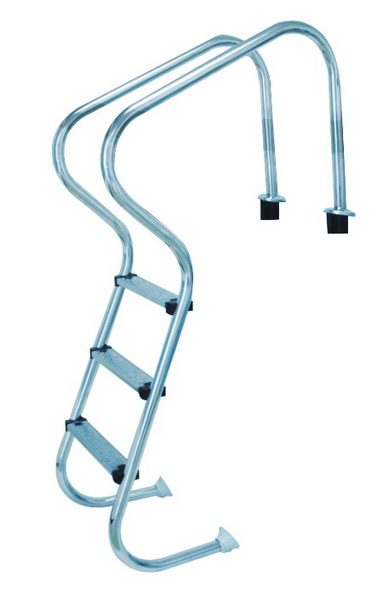
An aluminum Pool ladder should be rinsed with fresh water at least once a week during the swimming season, especially after heavy use or shock treatments. A deeper clean with mild detergent is recommended about once a month, or more often for saltwater pools or very warm, busy environments.
A non‑abrasive, pH‑balanced cleaner or gentle detergent approved for pool surfaces or metals is recommended for an aluminum Pool ladder. Avoid products with harsh acids, strong chlorides, or gritty particles that can scratch, dull, or weaken the Pool ladder over time.
Abrasive pads, steel wool, and aggressive scouring products should not be used on an aluminum Pool ladder because they scratch the metal and damage protective finishes. These scratches make it easier for stains, oxidation, and corrosion to develop on the Pool ladder in the future.
To reduce corrosion, rinse the aluminum Pool ladder with fresh water after use when possible, clean it regularly with mild products, and keep pool water chemistry in the recommended range. In harsher environments, you can also apply a compatible protective coating to the Pool ladder and avoid leaving it submerged continuously during the off‑season.
If the aluminum Pool ladder has deep pitting, cracked or bent steps, loose structural parts, or sharp edges that cannot be safely repaired, replacement is the best option. A compromised Pool ladder can fail unexpectedly, so when in doubt, replacing the ladder is safer than continuing to clean and use it.
1. https://www.srsmith.com/en-us/blog/archive/how-to-clean-your-pool-ladders-rails/
2. https://georgiapoolcleaning.com/how-to-clean-and-maintain-pool-ladders-and-rails
3. https://blogs.aiper.com/au/how-to-clean-pool-steps-and-ladders/
5. https://www.mavaquadoc.com/blogs/pool-maintenance-blog/how-to-maintain-your-pool-ladders-and-handrails-for-longevity
6. https://www.misa.com.tr/en/blog/content/pool-ladder-cleaning-practical-tips-and-methods-50
7. https://poolie.com/blog/general/enhance-pool-safety-with-handrail-and-ladder-installation/
8. https://floridadetail.com/pool-ladder-corrosion-prevention-for-salt-air-environments/


