
Views: 222 Author: Tina Publish Time: 2025-11-30 Origin: Site


Content Menu
● Why You Must Clean Your Sand Pool Filter
● Understanding the Sand Pool Filter System
● Step-by-Step Guide: How To Clean a Sand Pool Filter
>> Step 1: Turn Off the Pump and Close Valves
>> Step 2: Backwash the Filter
>> Step 4: Return Valve to Filter Position
>> Step 5: Optional—Deep Cleaning
>> Step 6: Reassemble and Restart System
● How Often Should You Clean a Sand Pool Filter?
● Professional Tips for Maintaining Your Filter
● Troubleshooting Common Issues
>> 1. How do I know when to backwash my sand pool filter?
>> 2. Can I use household detergents to clean the filter sand?
>> 3. How often should I replace the filter sand?
>> 4. What is the difference between backwash and rinse?
>> 5. Can I clean my sand pool filter while the pump is running?
Cleaning your sand pool filter is essential for keeping your swimming pool water sparkling, safe, and healthy. This guide offers a complete breakdown of the cleaning process, , so even those new to pool maintenance can achieve crystal-clear results.
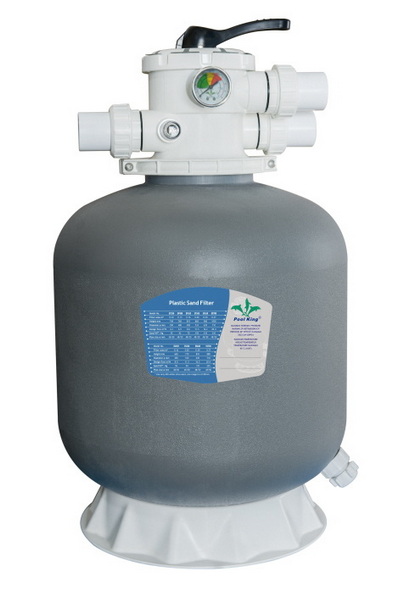
A dirty sand filter leads to poor water circulation, cloudy water, and greater strain on your pool pump. Regular cleaning ensures maximum filtration efficiency, enhances pool water quality, and extends equipment lifespan.[1][2]
Sand pool filters use special, fine-grade sand to trap dirt and debris from pool water. Pool water circulates through the filter, where sand removes contaminants before returning clean water to the pool.[3][4]
How the Sand Filter Works:
- Water is pumped from the pool into the filter.
- Contaminants are trapped as water passes through sand.
- Clean water flows back into the pool.
- Backwash hose
- Pool sand filter cleaner (optional, for deep clean)
- Screwdriver or wrench (for opening the filter)
- Garden hose
- Safety gloves and goggles
- Pool owner's manual
Always start by turning off the pool pump. Close any valves to prevent water flow while you clean.[6][5]
Backwashing means reversing the water flow to flush dirt from the sand bed:
- Attach the backwash hose to the waste outlet if required.
- Set the multiport valve to “Backwash.”
- Turn on the pump and run for 2–5 minutes, or until water runs clear in the sight glass.[2][7][1]
- Turn off the pump.
- Set the valve to “Rinse.”
- Turn on the pump for 15–30 seconds to settle sand and flush any remaining dirt.
- Turn off the pump.[4][2][5]
Return the multiport valve to the “Filter” setting to resume normal filtration. Open any closed valves.[2][3]
Perform deep cleaning at least once per pool season:
- Open the filter (refer to your manufacturer's manual for how to access).
- Apply sand filter cleaning solution as directed.
- Let soak for at least 1 hour (up to 8 hours for heavy buildup).
- Backwash and rinse again to remove cleaner residues.[1][2]
- Verify all components are secure.
- Open valves and restore pump operation.
- Check for leaks and ensure system pressure is normal.[5][4]
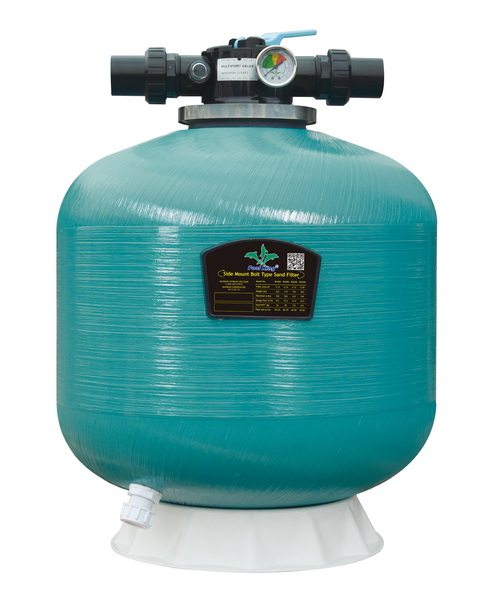
- Backwash when pressure rises 8–10 psi above normal.
- Typically every 1–2 weeks during heavy use.
- Deep clean at least once per season, or when pool water clarity declines.[3][1]
- Monitor gauge pressure regularly.
- Replace sand every 3–5 years or as recommended by your manufacturer.
- Avoid using harsh chemicals not designated for pool filters.
- Always handle electrical connections with care (turn off before maintenance).[11][9]
| Issue | Likely Cause | Solution |
|---|---|---|
| Cloudy pool water | Dirty or channeled sand | Backwash and/or replace sand |
| Low pressure reading | Blockage or air leaks | Check basket, hoses, and connections |
| Water leaking by valve | Faulty or worn gaskets | Inspect and replace gaskets as needed |
Cleaning your sand pool filter is a straightforward yet vital maintenance task that keeps your swimming pool clear, safe, and inviting. By following the steps outlined above and referring to visuals and video guides, you can ensure optimal filter performance and a healthy swimming environment all season long.[1][2][3]
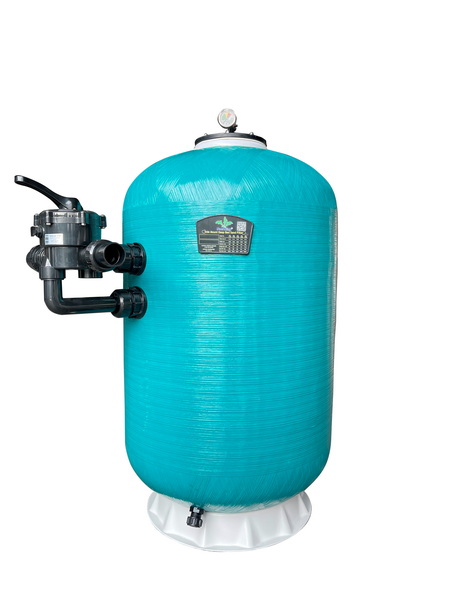
You should backwash when the pressure gauge reads 8–10 psi higher than the normal “clean” pressure or when water clarity drops significantly.[3][1]
No. Only use cleaners specified for pool filters, as household detergents can damage equipment and disrupt pool chemistry.[12][2]
Sand should typically be replaced every 3–5 years, or when it becomes hard, clumps, or stops filtering effectively.[13][3]
Backwash removes trapped dirt from the sand, while rinse settles the sand and removes residual debris, preventing it from returning to the pool.[7][5]
No. Always turn off the pump before adjusting the valve or opening the filter to ensure safety and prevent equipment damage.[2][5]
[1](https://budsspas.com/blog/how-to-clean-your-pools-sand-filter/)
[2](https://energycentermanhattanpool.com/cleaning-your-sand-filter-in-9-easy-steps/)
[3](https://www.svadonpoolcn.com/swimming-pool-sand-filter-cleaning-process-and-precautions/)
[4](https://galaxyhomerecreation.com/article/video-cleaning-a-waterway-sand-filter/)
[5](https://www.pahlen.com/users-guide/cleaning-filter-sand/)
[6](https://watercraft.com.sg/how-to-clean-and-maintain-pool-filters-effectively-in-singapore/)
[7](https://centenarypoolmart.com.au/blog/backwash-sand-filter/)
[8](https://www.youtube.com/watch?v=qYJqKmNm_Wg)
[9](https://www.youtube.com/watch?v=uxwmvUt6x1o)
[10](https://www.youtube.com/watch?v=DZDflsibD7o)
[11](https://bestwayusa.com/media/pdf_files/58496E_1000GAL_Filter_Pump_2018.pdf)
[12](https://pettispools.com/pdf/1012BAQUACIL-Filter-Cleaning-Ref-Sheet-1.pdf)
[13](https://intexsupport.com/en/backwash-for-the-sand-filter-pump/a-964/)
[14](https://www.youtube.com/watch?v=ckCQFQUmiSo)
[15](https://www.poolkingfilter.com/news/Cleaning-Sand-Pool-Filter-Step-By-Step.html)
[16](https://www.tiktok.com/@poolpromj/video/6961052713018821894)
[17](https://www.poolsuppliescanada.ca/how-to-clean-a-sand-filter.html)
[18](https://www.dazzlingblue.com.au/how-to-backwash-your-sand-or-glass-filter)
[19](https://www.instagram.com/reel/DLD5_Njypha/)
[20](https://www.wikihow.com/Clean-a-Sand-Filter)


