
Views: 222 Author: Tina Publish Time: 2026-02-01 Origin: Site


Content Menu
● Why Your Bestway Pool Filter Must Be Changed Regularly
● Main Types of Bestway Pool Filters
>> Cartridge Pool Filter Pumps
● Tools and Accessories to Avoid Losing Water
● Safety and Preparation Checklist
● Step‑by‑Step: Change a Bestway Cartridge Pool Filter Without Losing Water
>> 1. Stop the Pump and Elevate It
>> 2. Use Plugs or Valves if Available
>> 3. Open the Pool Filter Housing
>> 4. Remove, Clean, or Replace the Cartridge
>> 5. Inspect the Housing and O‑Ring
>> 6. Reassemble the Pool Filter and Restart
● Step‑by‑Step: Change Sand in a Bestway Sand Pool Filter Without Draining the Pool
>> 1. Isolate the Pool Filter From the Pool
>> 2. Open the Sand Filter Tank
>> 4. Prepare and Add New Sand
>> 5. Reassemble, Backwash, and Rinse
● Extra Maintenance Tips to Make Your Pool Filter Last Longer
● Upgrading Your Pool Filter System for Easier Maintenance
● FAQ: Bestway Pool Filter Questions
>> 1. How often should I change my Bestway pool filter cartridge?
>> 2. Can I run my Bestway pool without a filter?
>> 3. Why is my Bestway pool filter leaking after I changed the cartridge?
>> 4. How do I know when to change sand in my Bestway pool filter?
>> 5. Will changing the pool filter fix green water in my Bestway pool?
>> 6. Why does my pump lose prime after I open the pool filter?
>> 7. Can I upgrade from a cartridge pool filter to a sand filter on a Bestway pool?
Above‑ground Bestway pools rely on a properly working pool filter to keep the water clear and safe, so learning to change the filter without draining water saves time, money, and chemicals. This guide walks you step by step through changing a Bestway pool filter cartridge or sand filter without losing water, with safety tips, tool lists, and visual content ideas you can embed in your page.

A clogged or worn pool filter forces the pump to work harder and still lets fine debris circulate back into the pool. Over time, this leads to cloudy water, higher chemical use, and potential algae blooms even if you maintain correct sanitizer levels.
Key reasons to change your Bestway pool filter regularly include:
- A dirty pool filter reduces water circulation and filtration efficiency.
- Old media in a pool filter allows fine particles, sunscreen, and body oils to bypass the filter.
- Neglected pool filter maintenance can shorten the life of the pump motor.
Many owners clean or replace their filter cartridge every 1–2 weeks in normal use, and replace sand in a sand pool filter every 2–4 years depending on pool size, usage, and water quality. A clean pool filter extends the life of your pump and helps keep maintenance costs down across the entire season.
Different Bestway pool filter systems require slightly different methods when you want to avoid losing water. Before you start, identify which pool filter you have.
Many starter Bestway above‑ground pools use a compact cartridge pool filter pump.
Typical features:
- Water is pulled through a replaceable paper‑pleated cartridge inside the plastic canister.
- The cartridge pool filter can be rinsed several times, then replaced once the media deteriorates.
- These systems may or may not include shut‑off valves or threaded plugs at the pool wall.
Cartridge pool filter systems are simple and affordable, which makes them popular for small and medium‑size above‑ground pools. The main drawback is that cartridges clog more quickly than sand and require more frequent attention.
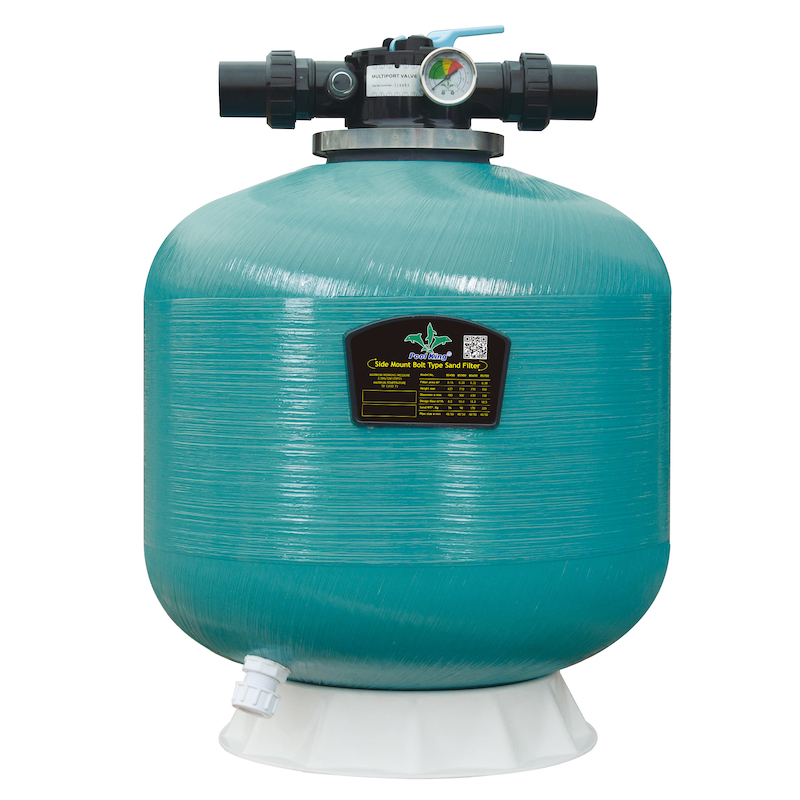
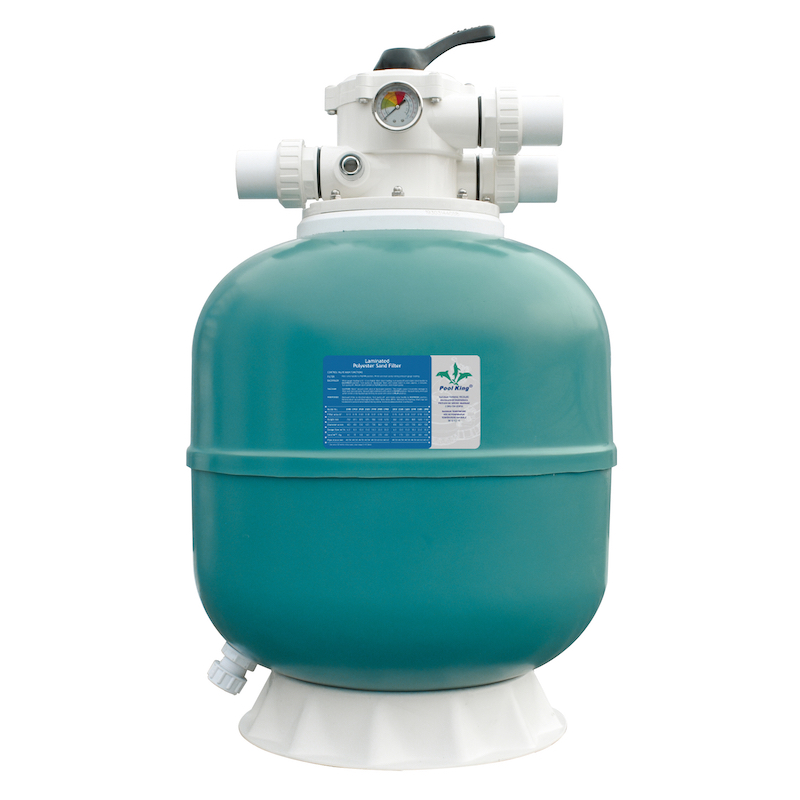
Larger Bestway sets often include a sand pool filter system for higher flow and longer maintenance intervals.
Typical features:
- Water flows through a tank filled with specially graded filter sand or alternative media such as glass.
- The multi‑port valve allows backwash, rinse, and filter modes, so you rarely open the tank during the season.
- Sand only needs changing every few years, but backwashing the pool filter is essential when pressure rises.
Sand pool filter systems are ideal for bigger pools or users who want lower weekly maintenance. They are more complex than cartridge filters but provide more stable performance once set up correctly.
To change a Bestway pool filter without losing water, you must temporarily stop or block water flow from the pool to the pump. With a few simple accessories, you can service a pool filter with almost no water loss.
Recommended items:
- Factory‑supplied threaded plugs or “outlet plugs” for ports A and B inside the pool wall.
- Aftermarket shut‑off valves or unions installed on the suction and return hoses near the pool filter connections.
- A sturdy object (bin, crate, or chair) to support the pool filter pump above the waterline during service.
- Towels and a shallow tray or bucket to catch small drips near the pool filter housing.
- Non‑petroleum silicone lubricant for o‑rings and seals in the pool filter.
Even if your model has no built‑in valve, you can still change the pool filter by lifting the pump and keeping all hoses above the waterline. Gravity will work in your favor and prevent the pool from draining.
Before you touch your pool filter, focus on safety and preparation. A little preparation helps you avoid leaks, electrical hazards, and unnecessary water loss.
Use this quick checklist:
- Turn off and unplug the pump at the power source before opening the pool filter.
- Keep electrical connections and extension cords away from splashing water.
- Check that all o‑rings and gaskets used in the pool filter system are clean and undamaged before reassembly.
- Have the new pool filter cartridge or the correct amount of sand ready so the system is open for as little time as possible.
- Make sure children and pets stay away from the work area while the pool filter system is open.
A few extra minutes of preparation reduce the chance of leaks or air getting trapped in your pool filter system after you restart it.
This method applies to typical Bestway cartridge pool filter pumps, including units without built‑in shut‑off valves. The goal is to prevent water from siphoning out of the pool while the filter housing is open.
First, switch off the pump and unplug it from the outlet. Carefully lift the pump and pool filter housing so that it is higher than the waterline of the pool. Rest the pool filter and pump unit on a stable support, such as an upside‑down bin, stool, or small table next to the pool.
Because the hoses and pool filter housing are now above the water level, gravity prevents water from siphoning out as soon as you open the lid. Work slowly and keep the hoses as straight as possible to avoid stress on the fittings.
If your Bestway pool includes threaded plugs or external valves, you can add an extra layer of protection against water loss.
Steps:
- Insert the supplied outlet plugs into the inside of the pool wall fittings labeled A and B before you raise the pump.
- If your pool filter system has aftermarket shut‑off valves near the hoses, turn them to the closed position.
- Confirm that water flow stops completely through the hoses before opening the pool filter.
These accessories allow you to completely isolate the pool filter and pump from the pool water so you can work with minimal dripping.
Once the pump is secured above the water level and the ports are blocked, you can safely open the pool filter housing.
Do the following:
- Loosen the ring or clamp that secures the top of the pool filter canister.
- Slowly crack the lid; you may feel a slight release of trapped air or water pressure.
- Allow any small amount of trapped water to drain into your tray or towel.
- Remove the lid fully and set it aside, keeping the sealing surface clean and free of grit.
Because the pool filter is above the waterline and the inlets are plugged or closed, you avoid a strong flow of water out of the hoses.
Lift out the dirty pool filter cartridge from the canister by the central core or the top handle if present. Rinse the cartridge thoroughly with a garden hose, spraying between the pleats from top to bottom. Rotate the cartridge as you rinse to remove trapped debris, hair, and fine particles.
If the pool filter media is deteriorated, flattened, torn, or permanently stained, it is time to install a new cartridge. Always choose a replacement that matches the original size and specifications so the pool filter seals properly and water does not bypass the media.
Before installing the new or cleaned cartridge, check the inside of the pool filter housing for sand, leaves, or plastic shavings. Wipe out the canister with a clean cloth. Inspect the main lid o‑ring for cracks, flat spots, or embedded dirt, because a damaged o‑ring is a common cause of leaks.
If the o‑ring is in good condition, clean it with fresh water and apply a thin layer of suitable lubricant to help it seat correctly. This simple step improves the seal and makes future opening and closing of the pool filter easier.
Place the cleaned or new pool filter cartridge into the canister, ensuring it is seated correctly on the bottom support. Position the lid carefully over the housing, making sure the o‑ring stays in place and is not twisted. Reinstall the clamp or locking ring and tighten it evenly all the way around.
Next, remove any wall plugs from ports A and B and reopen any shut‑off valves you closed earlier. Lower the pump back to its normal position on the ground, reconnect power, and restart the system. Watch closely around the pool filter lid and hose connections for several minutes to ensure there are no leaks or air bubbles.
If the pool filter canister seals correctly and the pump primes normally, you will have changed the cartridge with almost no water lost from the pool.
Changing the sand in a Bestway sand pool filter is less frequent but more involved than replacing a cartridge. Because you usually need to disconnect hoses and open the tank, careful isolation of the pool is essential.
First, turn off and unplug the pump. Close any built‑in valves on the hoses between the pool and the sand pool filter if your system includes them. If your pool does not have valves, insert threaded plugs into all wall ports inside the pool to block water flow.
By isolating your sand pool filter in this way, you can safely remove hoses and open the filter tank without draining the pool itself. A few drops may still escape, but you will avoid a continuous stream of water from the pool.
Release the clamp or collar that holds the multi‑port valve or top cover onto the sand pool filter tank. Lift the top section straight up, taking care not to damage the standpipe or internal components. Set the top on a stable surface where the attached hoses are not strained or kinked.
Use a small plastic scoop, cup, or a wet‑dry vacuum to remove the old sand from the pool filter tank. Work gently around the laterals so you do not crack them. When most of the sand is out, carefully lift the standpipe and laterals out of the tank, then hose them off thoroughly to remove sludge and scale.
Dispose of old sand in a suitable location, such as a garden bed or waste area, following local regulations. Old sand in a pool filter becomes rounded and fouled over time, which reduces its ability to trap fine particles and can cause cloudy water.
Reinstall the clean standpipe and laterals in the sand pool filter tank, making sure they are centered and fully seated. Plug or cover the top opening of the standpipe with a cap or tape to stop sand from falling inside. Begin adding new, properly graded filter sand to the tank, pouring slowly to avoid disturbing the laterals.
Fill the tank to the level specified in your sand pool filter manual, usually marked on the side of the tank. Do not overfill, because the pool filter needs free space above the sand bed for proper water distribution. Before reassembling, brush any stray grains of sand away from the top rim and o‑ring groove so the tank can seal correctly.
Place the o‑ring back in its groove on the tank, check that it is clean and undamaged, and set the multi‑port valve or top cover back onto the sand pool filter. Tighten the clamp or collar evenly. Reconnect all hoses and remove any wall plugs or reopen valves to restore circulation between the pool and the filter.
Set the multi‑port valve to Backwash, then run the pump for several minutes until the discharge water runs clear. Next, switch to Rinse for a short period to settle the new sand bed. Finally, set the valve to Filter mode for normal operation. This process flushes dust from the new media and prepares your sand pool filter for efficient use without wasting pool water.
Consistent habits keep your Bestway pool filter performing well across the entire swimming season. Good pool filter maintenance also reduces the amount of chlorine or other sanitizer you need to keep the water safe.
Practical tips:
- Rinse cartridge pool filter elements at least weekly during the swimming season, or more often during heavy use or after storms.
- Rotate between two or more cartridges so one can dry completely while the other is in use, which can extend pool filter life.
- Monitor filter pressure on sand pool filter systems and backwash when the gauge rises around 8–10 psi over the clean starting pressure.
- Maintain proper sanitizer levels and pH so the pool filter does not have to fight constant algae growth and fine organic debris.
- Inspect hoses, clamps, and seals around the pool filter for slow drips that can waste water and allow air into the system.
- Winterize your pool filter correctly in cold climates by draining water from the housing and storing cartridges in a dry place.
A well‑maintained pool filter is the heart of clear, sparkling Bestway pool water all summer. Combining regular filter care with good chemistry and circulation gives you the best overall results.
If you struggle with frequent clogging or difficult maintenance, you may want to upgrade parts of your pool filter system. Small improvements can make changing the pool filter faster and reduce water loss.
Simple upgrade ideas:
- Add shut‑off valves or quick‑disconnect unions to both suction and return lines near the pool filter.
- Upgrade to a larger cartridge pool filter model to increase surface area and reduce cleaning frequency.
- Switch from a small cartridge pump to a sand pool filter system if your pool is large or heavily used.
- Use higher‑quality aftermarket cartridges with stronger cores and pleats so your pool filter lasts longer.
- Add a pre‑filter or skimmer sock to capture large debris before it reaches the main pool filter.
For buyers who source pool filter systems directly from professional manufacturers, choosing equipment with built‑in isolation valves and easy‑access housings can significantly reduce service time. Well‑designed pool filter housings, durable housings, and smart plumbing layouts all help users change filters without draining water.
You can change a Bestway pool filter without losing water by isolating the system, keeping the pump and hoses above the waterline, and working efficiently with the right tools. Whether you use a cartridge or sand pool filter, regular cleaning, timely media replacement, and careful reassembly will keep your Bestway pool clear, reduce chemical consumption, and extend the life of your equipment. Combine practical techniques like using plugs and valves with smart upgrades to your pool filter system, and you will enjoy easier maintenance and better water quality all season.
Contact us to get more information!
Most Bestway pool filter cartridges should be cleaned every 1–2 weeks and replaced once the paper media shows deterioration, tearing, or permanent staining. Heavy bather loads, hot weather, and nearby trees can increase debris and require more frequent pool filter maintenance to keep water clear.
You should not run a Bestway pool for long periods without a working pool filter, because debris and fine particles quickly build up and overwhelm your sanitizer. Short test runs without a pool filter cartridge installed are acceptable only during troubleshooting and should be kept brief, with the filter restored as soon as possible.
Leaks around the top of a Bestway pool filter canister usually mean an o‑ring is dirty, damaged, dry, or not seated correctly. Cleaning the sealing surfaces, replacing worn gaskets, applying proper lubricant, and tightening the clamp evenly often stops leaks around the pool filter lid.
If you notice cloudy water, short backwash cycles, or no improvement after correct chemical treatment, your sand pool filter media may be worn out. Many owners replace sand every 2–4 years to keep the pool filter trapping fine particles effectively, especially in warm climates or heavily used pools.
Changing or cleaning a dirty pool filter helps, but green water also requires proper shocking, thorough brushing, and balancing of your pool chemistry. Combine a clean pool filter with correct sanitizer levels, continuous circulation, and vacuuming to clear algae outbreaks in a Bestway pool.
If your pump struggles to prime after servicing the pool filter, air may be trapped in the housing or suction lines. Check that the pool filter lid is sealed, all hose clamps are tight, water level is high enough, and bleed off any trapped air by slightly loosening the lid until water fills the canister, then retightening.
In many cases, you can upgrade from a cartridge pool filter to a sand pool filter by matching hose sizes, flow rates, and power requirements. When upgrading, choose a sand pool filter system properly sized for your pool volume and ensure all hoses, clamps, and fittings are compatible with your existing ports.
1. https://www.facebook.com/groups/637529959937311/posts/2604761056547515/
2. https://www.youtube.com/watch?v=UuIVgEXZ35c
3. https://bestwayusa.com/faq/pool-maintenance
4. https://www.youtube.com/watch?v=u1A_eawDFJA
5. https://www.1stdirectpools.com/blog/post/caring-for-your-bestway-pool-a-beginners-guide
6. https://www.youtube.com/watch?v=qLDFmeqxVL4
7. https://www.youtube.com/watch?v=S0-KKPjz9i8
8. https://www.reddit.com/r/swimmingpools/comments/164gs5t/is_it_even_possible_to_clean_this_without/
9. https://www.reddit.com/r/pools/comments/1k5gf7s/ok_so_how_do_i_change_my_sand_in_this_filter/
10. https://pureplusfilter.com/product-category/pool-filters/bestway-pool-filters/
11. https://www.facebook.com/groups/637529959937311/permalink/1457446191279013/
12. https://www.youtube.com/playlist?list=PLrAiseXPXb1eO6nYvhXVvcD_8IJA2BNTU
13. https://bestwayusa.com/blog/what-regular-maintenance-should-be-done-on-a-pool.html
14. https://www.youtube.com/shorts/9yhxCtptxDo
15. https://www.youtube.com/watch?v=SzI4IwjB7aM


