


Content Menu
● Understanding Pool Ladder Types
● Step-by-Step Assembly Instructions
>> Unpacking and Organizing Parts
>> Assembling the Ladder Frame
>> Attaching Handrails and Braces
>> Safety Checks and Final Adjustments
● Troubleshooting Common Issues
● Maintenance Tips for Longevity
● Enhancements and Accessories
>> 1. How do I know if my pool ladder is assembled correctly?
>> 2. Can I use the same ladder for both above-ground and in-ground pools?
>> 3. What should I do if my ladder feels unstable?
>> 4. How often should I inspect my pool ladder?
>> 5. Are there safety features I should consider when assembling my ladder?
A pool ladder is an essential accessory for both above-ground and in-ground pools, providing safe and convenient access for swimmers of all ages. Whether you're setting up a new pool or replacing an old ladder, assembling and installing a pool ladder is a task that can be accomplished with basic tools and a little patience. This comprehensive guide will walk you through every step of the process, featuring detailed instructions, practical tips, and plenty of visual aids to ensure your project is a success.

Before you begin, gather the necessary tools and verify all parts are included in your pool ladder kit.
- Phillips and flathead screwdrivers
- Adjustable wrench
- Rubber mallet
- Drill (for deck-mounted ladders)
- Tape measure
- Ladder legs (labeled A and B)
- Steps (labeled A and B)
- Handrails
- Braces and connectors
- Nuts, bolts, and washers
- Step connectors
- Entrapment barrier (for some models)
- Mounting hardware
There are two main types of pool ladders:
- Above-Ground Pool Ladders: Freestanding, often A-frame, designed for pools without a deck.
- In-Ground Pool Ladders: Mounted into the pool deck with anchor cups.
Each type has its own assembly and installation process, but many steps are similar. Choosing the correct ladder type is crucial for safety and stability. Above-ground ladders typically feature a platform at the top and may have flip-up steps for added security, while in-ground ladders are anchored directly into the pool deck for maximum support.
Begin by unpacking your ladder kit and laying out all parts on a flat surface. Group similar items together and check them against the instruction manual to ensure nothing is missing. This step helps prevent delays during assembly and ensures you have all the necessary components.
1. Identify the Ladder Legs: Find the legs marked A and B. These will form the sides of your ladder.
2. Attach the Lower Steps: Slide the bottom step into the notches on both legs, ensuring the labels match (A to A, B to B). Secure with clips or screws as directed.
3. Install Remaining Steps: Continue adding steps one at a time, working your way up. Use a rubber mallet to gently tap steps into place if needed.
- Ensure each step is fully seated into the leg notches.
- For ladders with step connectors, install these now by aligning them with pre-marked holes and securing with screws.
- Double-check that all steps are level and securely attached.
1. Position the Handrails: Place the handrails onto the top of the ladder, aligning holes for bolts.
2. Secure with Hardware: Insert bolts through the handrail and ladder frame, then tighten nuts with a wrench. Do not overtighten.
3. Install Braces: Attach any cross-braces or support bars as indicated in your manual, securing with screws or bolts.
- For above-ground ladders, ensure the ladder feet are flat on the ground and the top platform is stable.
- For in-ground ladders, insert the rails into the anchor cups on the pool deck. Tighten the wedges inside the cups to hold the ladder firmly.
- If the ladder requires sand or water ballast for stability, fill the legs as specified.
- Walk up and down the ladder to test stability.
- Tighten all bolts and screws.
- Make sure all steps and handrails are secure.
- Install any required safety barriers or entrapment preventers.
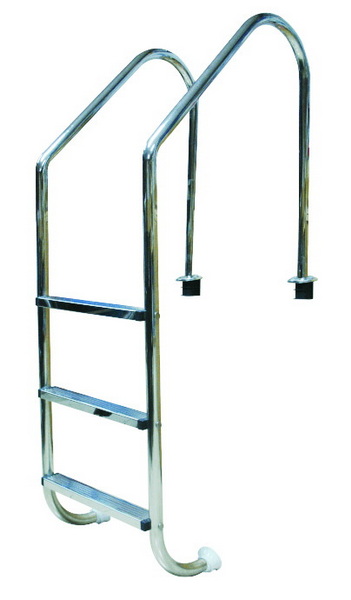
Even with careful assembly, you may encounter some common issues:
- Steps Not Fitting: Check that you are matching the correct labeled ends (A to A, B to B). Use a rubber mallet if needed.
- Wobbly Ladder: Ensure all bolts are tightened and the ladder is on a level surface. For in-ground ladders, make sure wedges are tightened in the anchor cups.
- Missing Parts: Contact the manufacturer for replacements or check with your retailer.
- Rust or Corrosion: Use stainless steel hardware and avoid overtightening, which can damage protective coatings.
- Difficulty Aligning Holes: Sometimes, plastic or metal parts may warp slightly during shipping. If holes do not align, gently adjust the parts or use a small file to widen the holes slightly.
Proper maintenance extends the life of your pool ladder and ensures safety for all users.
- Rinse the ladder with fresh water after each use, especially if using saltwater pools.
- Check bolts and screws regularly for tightness.
- Store the ladder indoors during winter months to prevent weather damage.
- Inspect for cracks or signs of wear before each season.
- Lubricate moving parts with a silicone-based lubricant to prevent squeaking and corrosion.
- Clean the ladder with a mild soap solution and a soft brush to remove algae or debris.
Safety is paramount when assembling and using a pool ladder. Here are some important guidelines:
- Weight Limits: Always observe the manufacturer's recommended weight limit for your ladder. Exceeding this limit can compromise stability and safety.
- Entrapment Prevention: Many modern ladders include barriers or covers to prevent children from becoming trapped between the ladder and pool wall. Always install these features as directed.
- Non-Slip Surfaces: Ensure that steps and platforms have non-slip surfaces or treads to reduce the risk of slipping, especially when wet.
- Regular Inspections: Check the ladder regularly for loose bolts, cracks, or other signs of wear that could pose a hazard.
- Supervision: Never allow children to use the pool or ladder unsupervised, and consider removing or locking the ladder when the pool is not in use.
To further improve the safety and convenience of your pool ladder, consider these optional enhancements:
- Ladder Mats: Placing a mat beneath the ladder helps protect the pool liner from wear and tear.
- Ladder Locks: Some ladders offer locking mechanisms to prevent unauthorized access.
- Ladder Weights: Adding weights or filling the ladder legs with sand increases stability, especially in above-ground models.
- Replacement Steps: If a step becomes damaged, replacement steps are often available from the manufacturer.
- Decorative Covers: Handrail covers or decorative accents can enhance the appearance of your ladder and make it more comfortable to use.
Assembling a pool ladder is a manageable DIY project that enhances the safety and accessibility of your pool. By following the detailed instructions and using the provided tips, you can ensure a stable, secure installation. Regular maintenance and safety checks will help your ladder last for many seasons, providing peace of mind for you and your family. Remember to always prioritize safety, follow the manufacturer's guidelines, and address any issues promptly to maintain a safe swimming environment.

Check that all steps are securely attached, handrails are tight, and the ladder does not wobble. Walk up and down the ladder to test stability.
No, above-ground and in-ground pool ladders are designed differently. Always use the ladder type specified for your pool.
Ensure all bolts and screws are tightened, the ladder is on a level surface, and, for in-ground ladders, that the anchor cups are secure.
Inspect your ladder before each swimming season and periodically throughout the summer for signs of wear, loose hardware, or damage.
Yes, many ladders include entrapment barriers or flip-up steps to prevent unsupervised access. Always install these features as directed.


