
Views: 222 Author: Tina Publish Time: 2025-10-14 Origin: Site


Content Menu
● Step-by-Step Ladder Assembly Instructions
>> Step 1: Unpack and Identify All Parts
>> Step 2: Attach Step Clips to Side Rails
>> Step 3: Insert Steps into Clips
>> Step 4: Assemble the Top Rails and Handrails
>> Step 5: Install Safety Entrapment Barrier (If Provided)
>> Step 6: Adjust Length for Pool Height
>> Step 7: Optionally Fill Ladder Legs With Sand
>> Step 8: Position Ladder on Pool and Secure
>> Step 9: Final Inspection and Tightening
● Additional Tips for Assembly
● Frequently Asked Questions (FAQs)
>> 1. How to know if the ladder fits the pool height perfectly?
>> 2. Can I assemble the ladder alone?
>> 3. Why fill the ladder legs with sand?
>> 4. How often should I check the ladder's condition?
>> 5. Can the ladder be left outdoors all year?
As a leading manufacturer in China specializing in premium sand filter systems and filtration solutions, including pool filters, pumps, LED lights, and accessories, the importance of properly assembling pool equipment cannot be overstated. One of the vital components for pool safety and usability is the above ground pool ladder. This detailed, easy-to-follow guide will walk you through how to assemble your above ground pool ladder accurately and safely. With step-by-step instructions, key tips on safety and maintenance, and visual aids (videos and pictures available online), this guide aims to ensure your ladder is secure and durable for years of trouble-free use.
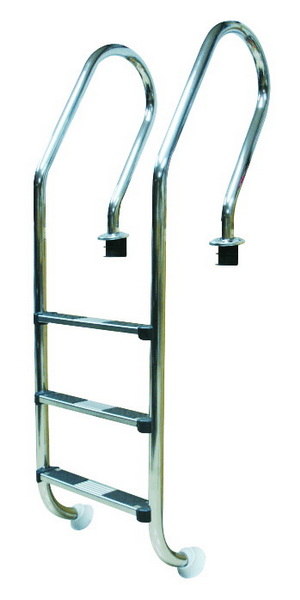
Before starting, make sure to gather all the necessary tools and materials for the assembly:
- Screwdriver (Phillips and flat-head)
- Adjustable wrench or socket set
- Hacksaw (for trimming rails if needed)
- Funnel (for filling ladder legs with sand)
- Ladder parts kit: side rails, steps, bolts, nuts, washers, handrails, braces
- Sand (optional, for weighting ladder legs)
Having these ready will streamline the assembly process and prevent frustration due to missing parts.
Carefully unpack the ladder components and lay them out neatly. You should have two side rails (left and right), multiple steps depending on the ladder height, upper handrails, braces, and the necessary hardware (bolts, nuts, washers, screws). Check the parts list in your manual to verify completeness before beginning.
Locate the plastic clip brackets that will hold your steps in place on each side rail. These brackets usually snap or slide into pre-molded notches along the rails. Install the clips so they correspond on both side rails to ensure level steps.
One by one, slide the ladder steps into the clips on both side rails. Push each step firmly until it snaps or locks securely. Steps should be evenly spaced and solidly attached to prevent wobbling during use. Make sure to start from the bottom and move upwards for easier alignment.
Attach the top braces or handrails to the upper ends of the side rails. Use the screws, washers, and nuts provided, and tighten by hand initially. Later, use a screwdriver and wrench to secure the fittings firmly without over-tightening, which could damage the plastic or metal.
Some ladders include an entrapment barrier to prevent swimmers from getting trapped under the ladder area. If your ladder includes this, attach it now by aligning the barrier with pre-drilled holes and fastening securely with screws.
Measure your pool wall height to determine if the ladder length needs modification. Most ladders come with marked cut lines on the handrails and legs for adjustments to fit pool heights such as 48”, 52”, or 54”. Use a hacksaw carefully to trim the rails evenly, ensuring a good fit without forcing the ladder in place.
Using a funnel, fill each hollow ladder leg with sand. This adds weight to stabilize the ladder and prevent it from floating or shifting when in use. Be sure to seal the bottom plug tightly after filling to keep sand contained.
Lift the fully assembled ladder and place it over your pool wall. The top platform or handrails should rest flat and flush against the pool ledge. Bottom steps should sit firmly on the pool floor. If your ladder kit includes bolts and brackets for attachment to the pool wall, drill pilot holes into the pool ledge and secure the ladder platform with bolts for extra stability.
Go over all bolts and screws again, tightening them securely but carefully to avoid stripping threads or cracking plastic components. Check that all steps are level, side rails are straight, and the ladder feels firm without any wobble.
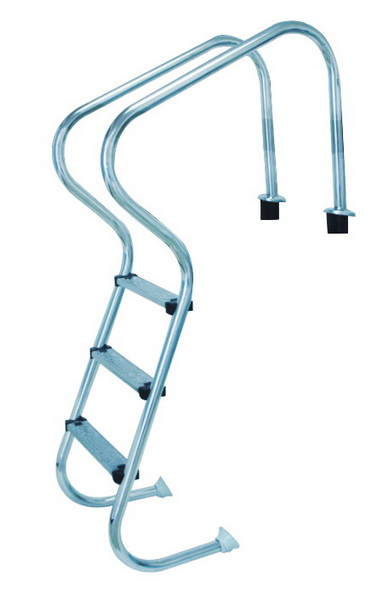
- Use Protective Gloves: When cutting metal rails or handling bolts, gloves protect from sharp edges or pinches.
- Have a Helper: Ladders can be bulky and heavy, so enlisting a second person makes lifting and aligning easier.
- Check Manufacturer Instructions: Variations exist between ladder models, so always refer to your specific ladder's manual for any unique requirements.
- Use Ladder Pads: If your pool has a liner, use protective pads on ladder contact points to prevent damage or tears.
- Always supervise children when using the ladder.
- Raise or lock the ladder when the pool is not in use to prevent unsupervised entry.
- Regularly inspect bolts for loosening and steps for cracks or wear.
- Avoid placing the ladder on uneven ground outside the pool area.
- Rinse down the ladder with fresh water after swimming to remove chlorine or salt residue that can corrode parts.
- Lubricate hinges or moving parts annually if your ladder has flip-up steps or folding mechanisms.
- In colder climates, remove the ladder during winter or use heavy-duty covers to protect it from damage.
- Store ladder parts indoors if possible to extend lifespan.
Properly assembling your above ground pool ladder is a straightforward but vital process to ensure safety and ease of use. By following the above detailed steps—preparing tools, correctly installing components, adjusting for pool height, and securing the ladder—you establish a stable and durable access point to your pool. Coupled with regular inspection and maintenance, your ladder will provide safe entry and exit for swimmers season after season. Prioritize safety by adhering to manufacturer instructions and implementing recommended precautions.
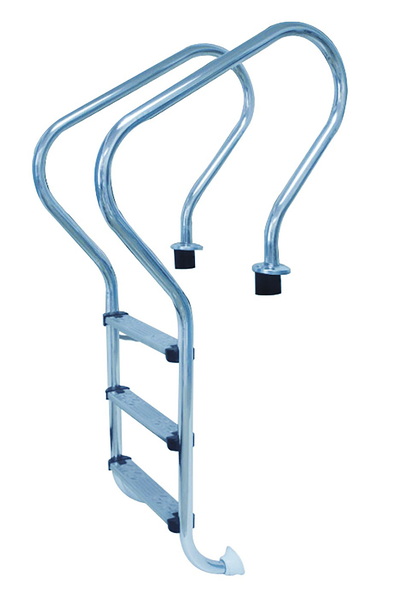
Most ladders come with marked cut lines for custom fitting. Measure your pool wall and trim rails accordingly for a snug and safe fit.
Assistance is recommended for stability while assembling and placing the ladder over the pool. This ensures alignment and safety.
Filling legs with sand prevents the ladder base from floating or moving, enhancing stability during use.
Inspect ladders at the start of every swimming season and periodically during heavy use to tighten loose fittings and check for wear.
For best longevity, remove or cover the ladder during harsh weather or winter months to prevent corrosion and damage.


