
Views: 222 Author: Tina Publish Time: 2025-11-22 Origin: Site


Content Menu
● Understanding the Role of a Pool Filter
>> The Three Common Types of Pool Filters
● Factors That Determine How Long You Should Run Your Pool Filter
>> 1. Pool Size and Water Volume
>> 4. Water Temperature and Season
>> 5. Filter and Pump Efficiency
● Ideal Daily Filter Runtime Recommendations
● How to Optimize Pool Filter Operation
>> 1. Run the Filter During Off-Peak Hours
>> 2. Split Filtration into Multiple Cycles
>> 3. Clean and Backwash Regularly
>> 4. Use Skimmer Baskets and Leaf Nets
● Smart Pool Filtration Technologies
● OEM Manufacturing: Advanced Pool Filter Solutions
● Energy-Saving Tips for Pool Filtration
● FAQs About Pool Filter Operation
>> 1. How many hours a day should I run my pool filter?
>> 2. Is it okay to run a pool filter overnight?
>> 3. Can I turn off my pool pump when not swimming?
>> 4. How do I know if my pool needs more filtration time?
>> 5. What's the best filter type for heavy-use pools?
Maintaining clean, crystal-clear water isn't just about adding chemicals or removing leaves. The true heart of pool hygiene lies in your pool filter system. Many pool owners wonder: how often should you run your pool filter to keep the water safe and sparkling? The answer depends on several factors — the type of filter, pool size, climate, and usage.
In this guide, you'll learn everything about optimal filter run times, energy-saving tips, and professional filtration solutions powered by intelligent manufacturing technology.
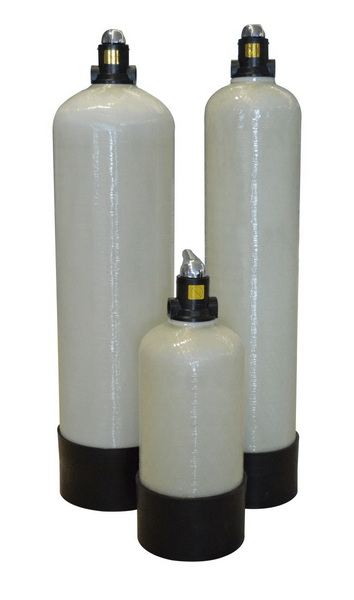
A pool filter is essentially your pool's kidney — it continuously removes dirt, oils, dust, and organic matter. Filtration goes hand-in-hand with circulation and sanitation, forming the three pillars of clean water.
1. Sand Filters – Economical and easy to maintain, sand filters trap debris down to around 20–40 microns in size. These are perfect for residential and commercial pools where reliability is key.
2. Cartridge Filters – Offer finer filtration (10–15 microns) and higher flow rates. Ideal for eco-conscious users aiming to save water.
3. DE (Diatomaceous Earth) Filters – The finest filtration (up to 2–5 microns) for the clearest water possible, often chosen by professional resorts and luxury villas.
Several variables affect how often and how long your filtration system should operate. Let's explore them individually.
Larger pools contain more water, which naturally requires longer filtration cycles. The key metric here is the “turnover rate”, meaning how long it takes to filter all the water once. For most pools, one full turnover per day is recommended.
For example:
If your pool contains 50,000 liters and your pump circulates 10,000 liters per hour, it takes 5 hours for one complete turnover. In this case, running the system for at least 6–8 hours daily ensures thorough cleaning.
Outdoor pools near trees or dust-prone areas accumulate debris faster than indoor or covered pools. If your pool sits in a tropical or windy region, you'll need longer daily filtration — possibly 10 to 12 hours.
More swimmers means more sweat, sunscreen, and contaminants entering the water. Family pools used daily or during parties need extended filtration, while lightly used private pools can get by with shorter cycles.
Warm water promotes algae and bacteria growth. In hot summer months, you'll want to run your filter system longer, often 10–12 hours a day. During colder months, 4–6 hours is typically enough.
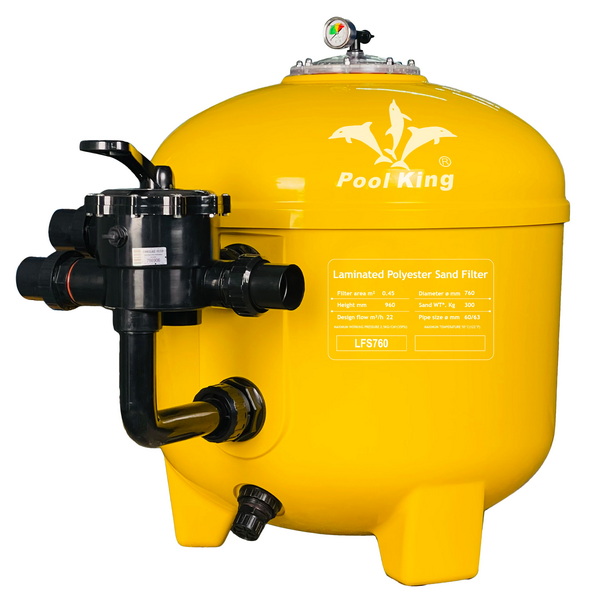
Not all filtration systems perform equally. Advanced systems, like our intelligent automatic sand filters, have optimized flow dynamics and self-backwashing functions, reducing runtime without compromising water quality.
| Pool Type | Recommended Runtime (Summer) | Recommended Runtime (Winter) |
|---|---|---|
| Small residential pool | 6–8 hours | 4–6 hours |
| Large private pool | 8–10 hours | 6 hours |
| Resort or public pool | 10–12 hours | 8 hours |
| Spa pool | 8 hours | 5 hours |
| Infinity/luxury pool | 8–10 hours | 6 hours |
Electricity costs vary throughout the day. Running your pump during non-peak hours (e.g., early morning or late evening) can dramatically cut costs without affecting cleanliness.
Instead of a single long 8-hour period, try two 4-hour sessions — morning and evening. This approach keeps debris from settling and maintains better water circulation.
A dirty or clogged filter slows flow rate and forces the motor to work harder. For sand filters, backwash every 1–2 weeks; for cartridge filters, rinse every 1–2 months; for DE filters, after each heavy use.
By removing large debris early, you reduce the load on your filtration system, helping extend your filter media's lifespan.
Balanced water keeps filter media functioning longer. Maintain pH between 7.2–7.6 and chlorine between 1–3 ppm. Poor chemistry encourages scale buildup and can damage internal filter parts.
Today's filtration systems integrate automation and energy management. Intelligent sand filter systems monitor pressure, flow, and turbidity in real time — automatically adjusting runtime and initiating backwashing when needed.
These systems are ideal OEM solutions for foreign brands, wholesalers, and pool equipment manufacturers aiming to deliver professional-grade, reliable, and eco-efficient pool care equipment.
As a leading Chinese manufacturer of premium filtration equipment, our factory specializes in:
- Sand Filters, DE Filters, and Cartridge Filters
Designed with precision blow-molded tanks and durable valve assemblies.
- High-Efficiency Pump Systems
Featuring corrosion-resistant motors and variable-speed technology.
- Underwater LED Lighting and Accessories
Offering both functional and decorative illumination.
- OEM/ODM Services for Global Brands
Providing custom logo branding, packaging, and product formulation based on client demand.
Our fully automated intelligent manufacturing lines deliver consistent quality and high productivity, ensuring durable filters with minimal maintenance needs.
1. Use a pool cover to minimize debris and heat loss, reducing filtration demand.
2. Install timers or smart controllers for precise runtime management.
3. Upgrade old pumps to energy-efficient models with electronic drive systems.
4. Perform regular filter maintenance to maintain optimal flow efficiency.
5. Monitor pressure gauges — a 10 psi increase indicates it's time for cleaning or backwash.
- Running filters too little: Leads to cloudy, unhygienic water and faster algae growth.
- Overrunning systems: Wastes power without tangible improvement in water quality.
- Ignoring maintenance: Shortens filter lifespan.
- Using the wrong filter type: Can result in poor circulation or low clarity.
- Incorrect pump sizing: Either overworks the system or causes under-filtration.
The answer to “how often should you run your pool filter” is not universal — but understanding your pool's specific needs helps determine the ideal balance. For most pool owners, running the filter 8–10 hours a day during summer and 4–6 hours in cooler months keeps the water safe, clear, and inviting.
Modern, smart filtration systems developed by Chinese manufacturers like ours make it easier than ever to manage this process with automation, energy savings, and superior reliability. Whether you are a brand, distributor, or manufacturer, OEM filtration solutions ensure cleaner water — with less effort.
Most experts recommend 8–10 hours per day during warm months. For lightly used pools or cold seasons, 4–6 hours is sufficient.
Yes — in fact, nighttime operation often saves electricity and maintains better water clarity for morning use.
Temporarily, yes. But never skip daily filtration cycles, as stagnant water quickly collects contaminants and may turn green.
Signs include cloudy water, algae growth, or floating debris. Increase runtime gradually until clarity improves.
DE filters offer the finest filtration for commercial and resort pools. However, advanced sand filter systems with self-cleaning functions are excellent low-maintenance alternatives.


