
Views: 222 Author: Tina Publish Time: 2025-11-06 Origin: Site


Content Menu
● Average Lifespan of Pool Filter Sand
>> Factors Affecting Sand Filter Lifespan
● Signs That Indicate It's Time to Change Pool Filter Sand
● How to Replace Pool Filter Sand
>> Step-by-Step Replacement Process
● Recommended Types of Filter Sand
● OEM Manufacturing and Quality Assurance at Our Factory
● Maintenance Tips to Extend Sand Life
● Common Questions About Pool Filter Sand Replacement
>> 1. How long does filter sand last in a pool filter?
>> 2. Can you just add new sand without removing the old sand?
>> 3. What happens if you don't change the pool filter sand?
>> 4. Is sand filter better than cartridge filter?
>> 5. Can filter sand freeze in winter?
Maintaining crystal-clear pool water is essential for an enjoyable swimming experience, and one of the key components ensuring water cleanliness is the pool filter sand. For swimming pools that use sand filters, the quality and condition of the filter sand can directly impact water filtration performance. This article delves into how often you should change your pool filter sand, what signs indicate it's time to replace it, and best practices for maintaining your sand filter system to maximize longevity and efficiency.
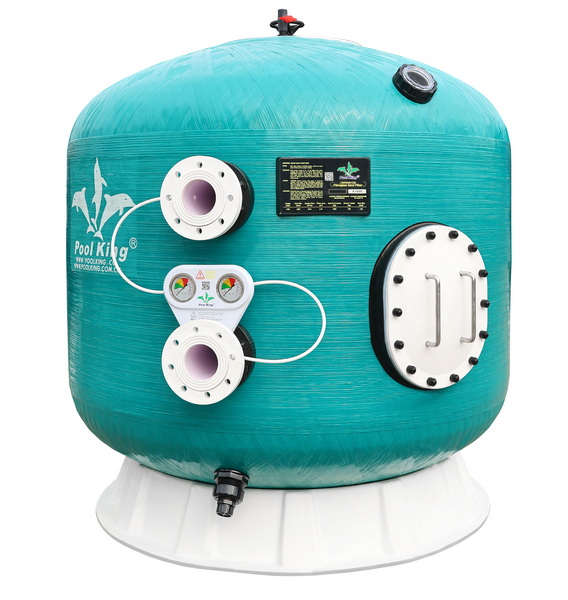
Pool filter sand is a specialized type of silica sand used in sand filters to remove impurities and debris from swimming pool water. The sand traps particles as the water passes through the filter, allowing clean water to return to the pool. High-quality pool filter sand is characterized by uniform grain size to ensure effective filtration without clogging.
Sand filters operate by pumping pool water through a bed of filter sand inside the sand filter tank. The sand catches dirt, leaves, and other debris suspended in the water. Over time, the sand collects more contaminants, and filtered water flows out of the filter clean and clear.
Typically, pool filter sand should be changed every 3 to 5 years, depending on several factors. Some manufacturers and pool professionals recommend replacing the sand every 4 years to maintain optimal filtration efficiency. However, this can vary based on pool usage, environmental conditions, and maintenance routines.
- Pool Usage: Heavily used pools accumulate more debris, requiring more frequent sand replacement.
- Water Quality: Pools located in dusty or pollen-heavy environments may cause sand to clog faster.
- Maintenance Habits: Regular backwashing and cleaning prolong the sand's life by removing trapped impurities.
- Filter Type: Some sand filters use finer or special kinds of sand, which may have different durability.
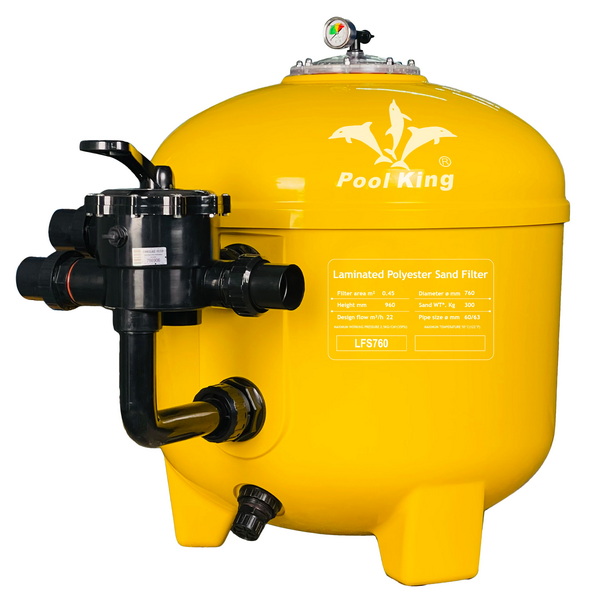
Knowing the signs that your filter sand needs changing can prevent water quality issues and system damage. Key signs include:
1. Reduced Water Flow: If you notice slower water flow rates or poor circulation despite cleaning, the sand may be clogged or compacted.
2. Cloudy Pool Water: Persistent cloudiness often indicates diminished filtration capability.
3. Increased Filter Pressure: A higher than normal pressure gauge reading suggests the filter is working harder due to sand blockage.
4. Sand Becoming Smooth or Rounded: Over time, sand grains become smoother, reducing their ability to trap debris.
5. Frequent Need for Backwashing: If backwashing does not restore filter performance, the sand's filtering ability may be compromised.
Changing pool filter sand involves several steps and can be done by DIY enthusiasts or professionals.
1. Turn Off Pool Pump: Ensure the pool pump is off and all valves are closed.
2. Remove the Old Sand: Open the filter tank and carefully scoop out the old sand, avoiding damage to the distributor laterals.
3. Inspect the Filter Tank: Check for damages, clean the tank interior, and inspect internal components.
4. Add New Filter Sand: Pour the recommended amount and type of new filter sand into the tank. Follow manufacturer instructions for sand quantity.
5. Reassemble the Filter: Secure the tank lid and reconnect plumbing.
6. Backwash the Filter: Run backwash cycles to remove any dust and settle the sand.
7. Restart the Pool System: Turn on the pump and check for normal pressure and flow rates.
Most sand filters use #20 grade silica sand with uniform grain size between 0.45 and 0.55 mm. This sand provides the balance between filtration efficiency and water flow. Specialty alternatives include:
- Zeolite: Offers finer filtration and ion-exchange properties.
- Glass Filter Media: Recyclable and longer-lasting than silica sand.
- Quartz Sand: Natural and effective but may vary by source quality.
As a professional Chinese manufacturer specializing in top-quality sand filters, water pumps, LED lights, and accessories, our factory uses intelligent automation machinery to ensure superior product quality. We offer OEM services tailored to foreign brand owners, wholesalers, and manufacturers, providing customizable filtration solutions, including sand filter tanks and related components.
Our commitment to innovation and thorough quality control means every product undergoes stringent testing to meet international standards, giving you reliable pool filtration solutions with consistent performance.
- Regular Backwashing: Backwash your sand filter according to manufacturer instructions, typically every 1-2 weeks depending on usage.
- Routine Filter Inspection: Check the pressure gauge weekly and look for signs of wear.
- Proper Pool Chemistry: Balanced water chemistry reduces contaminants and prevents sand degradation.
- Avoid Overusing Chemicals: Excessive chemicals can wear out the filter media more quickly.
- Seal Leaks and Fix Plumbing: Keep filter system plumbing intact to avoid contamination.
Changing your pool filter sand every 3 to 5 years is essential to maintain efficient filtration and keep your pool water crystal clear. Signs like reduced water flow, cloudy water, and increased pressure help indicate when it's time to replace. Proper maintenance, including regular backwashing and careful chemical balance, can prolong the sand's lifespan and optimize your pool filtration system's performance. As a trusted manufacturer, our factory's expertise ensures high-quality sand filters and OEM solutions tailored to your needs, delivering reliable filtration for years of swimming enjoyment.
Filter sand generally lasts between 3-5 years but, with proper maintenance, can sometimes last longer before needing replacement.[1][7]
No, adding sand without removal can cause clogging and uneven filtration. It's best to completely replace the old sand to maintain filter efficiency.[1]
Over time, sand becomes less effective at capturing debris, leading to clogged filters, reduced water flow, poor water quality, and potential damage to the filtration system.[7]
Each filter type has pros and cons; sand filters are generally durable and low-maintenance for larger pools, while cartridge filters offer finer filtration and are easier to clean but may require more frequent replacement.[2]
Yes, in freezing climates, water left in the filter can freeze and damage the sand and filter components. Winterizing the pool filter system is essential to prevent damage.[6]
[1](https://www.groupebellemare.com/en/blog/change-pool-filtration-sand/)
[2](https://www.vevor.com/zh-CN/diy-ideas/cartridge-vs-sand-filter-b_10134/)
[3](https://www.reddit.com/r/swimmingpools/comments/o83dv5/when_do_i_change_sand_in_filter/)
[4](https://www.lefilter.com/qiancengshaglq/)
[5](https://www.youtube.com/watch?v=MnMP2Awhwgo)
[6](https://www.emaux.com.cn/show_list.php?id=8)
[7](https://www.poolsoffun.com/4-signs-its-time-to-change-your-filter-sand/)
[8](http://www.zongkang-pool.com/product/27.html)
[9](https://blog.orendatech.com/refurbishing-sand-filter-vs-sand-change)
[10](https://www.aquapool.cn/mediacenter/info.aspx?itemid=757)


