
Views: 222 Author: Tina Publish Time: 2025-11-22 Origin: Site


Content Menu
● What Are Pool Filter Cartridges?
● How Pool Cartridge Filters Work
● Signs It's Time to Change Your Cartridges
● Factors That Affect Cartridge Lifespan
● Recommended Replacement Frequency
● How to Prolong Cartridge Life
● Step-by-Step Guide: Changing the Cartridge
● Comparing Cartridge Filters to Sand and DE Filters
● OEM and Custom Pool Filter Solutions
● FAQs About Pool Filter Cartridge Replacement
>> 1. How often should I really change my pool filter cartridges?
>> 2. Can I clean a cartridge instead of replacing it?
>> 3. What happens if I don't replace old cartridges?
>> 4. Are OEM pool filter cartridges better than standard ones?
>> 5. How can I tell if my cartridge is still good?
Keeping your pool water clear and healthy depends on one unsung hero in your filtration system — the pool filter cartridge. Whether you own a residential pool or manage a commercial facility, maintaining this small yet critical component ensures that your filtration system runs efficiently year-round.
This article explores how often you should change pool filter cartridges, what affects their lifespan, and how proper maintenance can save you money and trouble.
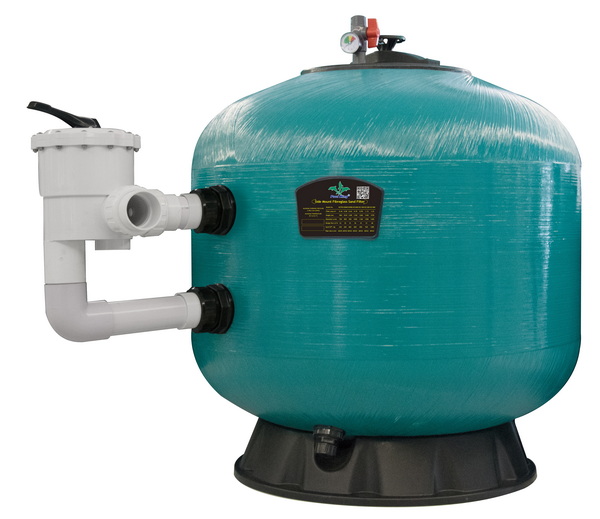
Pool filter cartridges are pleated, fabric-based filters designed to trap fine debris, dirt, and contaminants from the pool water. They're typically made of polyester mesh or nonwoven materials, arranged in multiple pleats to maximize filtration surface area.
Well-designed cartridges allow water to pass through while capturing particles as small as 10–15 microns. Unlike sand or DE filters, cartridge filters need no backwashing, making them eco-friendly and water-efficient.
The pool pump circulates water through the cartridge housing. Inside, the pleated filter media traps debris—leaves, hair, oils, and fine particles. Clean water flows back into the pool, while trapped particles remain on the cartridge surface.
Over time, debris builds up, reducing flow and filtration efficiency. That's why regular cleaning and replacement are vital for keeping water crystal clear.
Even with regular cleaning, cartridges don't last forever. Here are key indicators that signal it's time to replace your pool filter cartridge:
- Reduced water flow despite a clean cartridge.
- Higher pressure readings on the filter gauge.
- Visible tears or fabric deterioration.
- Discoloration and buildup that doesn't come off with cleaning.
- Frequent algae growth or cloudy water even after chemical adjustments.
How long your filter cartridges last depends on several factors:
- Pool size and usage — larger or frequently used pools put more load on filters.
- Water chemistry — unbalanced pH or chlorine accelerates fabric deterioration.
- Debris load — pools surrounded by trees or exposed to dust require more frequent changes.
- Maintenance schedule — regular rinsing and deep cleaning extend cartridge life.
- Filter quality — OEM-grade cartridges from professional manufacturers last longer than cheap variants.
The general rule for cartridge replacement is:
- Residential pools: Every 12–18 months
- Commercial or public pools: Every 6–12 months
- Heavily used or poorly maintained pools: Every 3–6 months
However, this schedule varies by brand, usage, and environmental conditions. For example, high-quality cartridges from top OEM manufacturers in China may last longer—up to 2 years with proper maintenance.
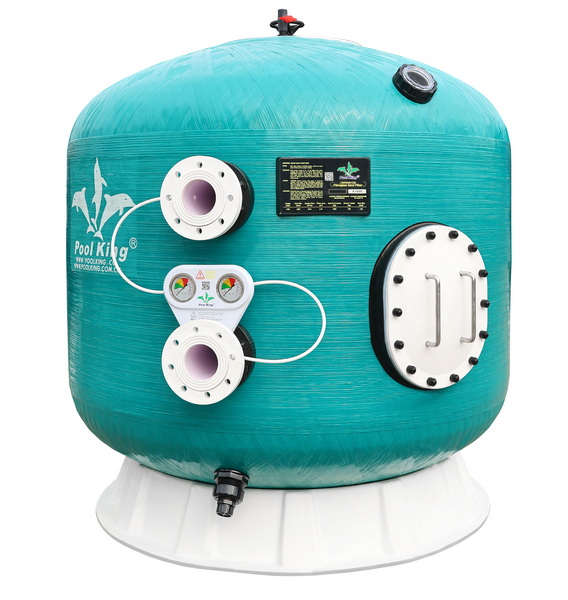
With some care, you can significantly increase your cartridge's lifespan.
1. Rinse weekly with a garden hose to remove debris.
2. Use cartridge cleaning solutions monthly to remove oils and calcium deposits.
3. Avoid high-pressure sprays that can damage pleats.
4. Rotate cartridges if you have spares to distribute wear evenly.
5. Monitor pressure gauge readings for early warning signs.
Investing in premium-grade cartridges from trusted OEM sources can also improve filtration performance and extend longevity.
Here's how to replace your pool filter cartridge safely and efficiently:
1. Turn off the pool pump and relieve system pressure.
2. Open the filter housing following the manufacturer's instructions.
3. Remove the old cartridge carefully and inspect it for wear and tear.
4. Clean the housing interior with a hose or soft brush.
5. Insert the new cartridge ensuring proper alignment.
6. Secure the housing lid and restart the pump.
7. Check for leaks and normal pressure readings.
| Filter Type | Filtration Level | Maintenance | Water Efficiency | Replacement Frequency |
|---|---|---|---|---|
| Cartridge | 10–15 microns | Easy, no backwash | Very efficient | 12–18 months |
| Sand | 20–40 microns | Requires backwashing | Moderate | 3–5 years |
| DE | 2–5 microns | Complex, DE powder refills | Low | 1–2 years |
Cartridge filters are ideal for homeowners seeking low-maintenance systems with high filtration performance. Sand filters, on the other hand, are better suited for large, heavily used pools.
As a professional Chinese factory, we produce premium sand filters, cartridge filters, DE filters, pumps, LED pool lights, and accessories. Our advanced smart machines ensure consistent product quality and customized OEM services for international brands, wholesalers, and pool equipment manufacturers.
OEM collaboration allows brands to:
- Customize design, labeling, and specifications.
- Ensure consistent quality across product lines.
- Reduce cost and maintain supply stability.
Changing your pool filter cartridge on time keeps your water clean, your system efficient, and your maintenance costs low. While most cartridges last around a year, pool conditions, usage, and filter quality determine the actual lifespan. Regular cleaning and proper monitoring can double your filter's service life.
Partnering with a trusted OEM pool filter manufacturer ensures access to premium-quality filtration solutions and long-term reliability for both private and commercial pools.
Most pool filter cartridges should be replaced every 12–18 months. However, high-usage pools or areas with heavy debris may need replacements every 6–12 months.
Yes, but after multiple cleanings (usually 10–12 times), the filter media becomes less effective. Replacement is needed once performance declines noticeably.
Old cartridges clog, reducing water circulation and causing cloudy water. It also forces your pump to work harder, increasing energy costs.
Yes. OEM-grade filters from reliable manufacturers usually use thicker, more durable materials and provide better filtration performance and longer lifespan.
If the pleats are evenly shaped and flexible, and water pressure stays stable after cleaning, the cartridge is still serviceable. Cracked end caps or flattened pleats signal replacement time.


