
Views: 222 Author: Tina Publish Time: 2025-09-27 Origin: Site


Content Menu
>> Why Are Pool Filters Important?
>> Filter Types: Sand, Cartridge, and DE
● Why Regular Cleaning Matters
>> How Filter Condition Affects OEM Performance
● How Often Should Filters Be Cleaned?
>> Determining the Ideal Interval
● Step-by-Step Maintenance Guide
>> Cartridge Filter Cleaning Steps
>> DE Filter Cleaning and Maintenance
● Advanced Maintenance Strategies
>> DIY Pro Tips
● Troubleshooting Common Problems
● OEM Perspective: Best Practices for Brands and Wholesalers
● Pool Filter Cleaning Visuals and Guides
● Frequently Asked Questions (FAQs)
>> Q1: What happens if I don't clean my pool filter regularly?
>> Q2: How do I know when the filter needs cleaning?
>> Q3: Can cleaning be done too often?
>> Q4: When should filter cartridges or DE grids be replaced?
>> Q5: Is it safe to clean filters during winter?
>> Q6: Are commercial filter cleaners required, or can I use home solutions?
Routine pool filter cleaning is vital to water clarity, safety, and equipment lifespan. Proper cleaning habits not only maintain a healthy swimming environment but also save on chemicals and repairs. Whether managing a residential or commercial pool, following ideal filter maintenance intervals is key to crystal-clear water and fewer headaches—especially for manufacturers supplying smart filtration solutions to global brands.[11][12]
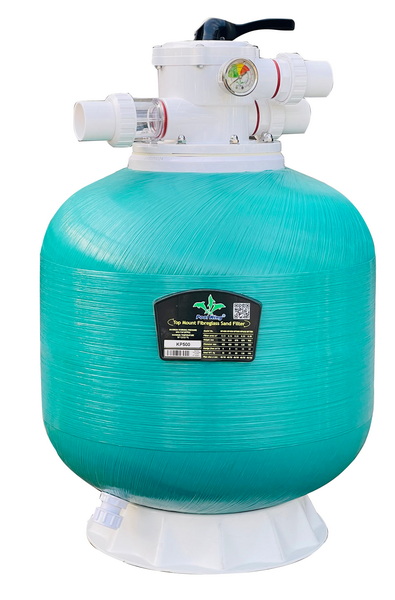
Pool filters trap dirt, debris, bacteria, algae spores, and microscopic contaminants, preventing water cloudiness and health risks. Efficient filtration allows pumps and sanitizing chemicals to work effectively, reducing the risk of equipment failure and costly water problems.[4][11]
Sand Filters:
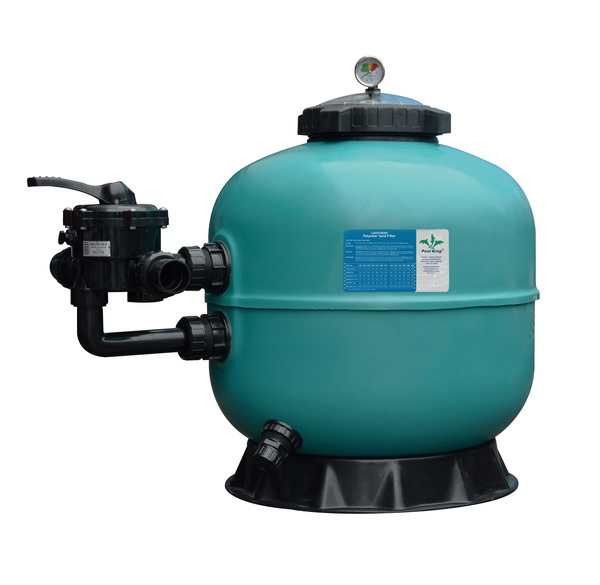
These workhorses use special silica sand or glass beads to trap particles as small as 20–40 microns. Sand filters are simple to operate and favored for their reliability, particularly in large pools and public facilities. They require periodic backwashing and complete sand replacement every 3–5 years.[6][8]
Cartridge Filters:
Pleated polyester cartridges provide effective filtration for particles down to 10–15 microns. They don't require backwashing, saving water and streamlining cleaning. Cartridge filters need monthly or seasonal attention and are generally preferred for home pools, spas, and quick-install setups.[5][7][6]
Diatomaceous Earth (DE) Filters:
DE filters deliver the finest particle filtration, capturing contaminants as small as 2–5 microns. They require careful maintenance, including backwashing, seasonal deep cleaning with filter cleaner, and fresh DE powder recharging after every clean.[2][7][6]
Dirty filters clog quickly, reducing flow rate, forcing pumps to work harder, and rendering disinfectant treatments less effective. Common consequences include:
- Cloudy water and excessive algae[3][10]
- Increased energy and chemical usage[9]
- Faster filter media wear and tear
- Pump overheating and failure
For manufacturers, supplying high-quality sand, cartridge, and DE filtration products means designing for easy access, rapid cleaning, and robust longevity. Precision-molded filter housings, smart diagnostics, and durable materials help international customers minimize downtime and maximize lifespan.
Cleaning frequency depends on filter type, climate, pool size, water chemistry, and usage intensity.
| Filter Type | Typical Cleaning Interval millenniumpool+2 | Pressure Increase Threshold | Notes |
|---|---|---|---|
| Sand | Every 4–6 weeks | 8–10 psi above baseline | Backwash and brief rinse per cleaning |
| Cartridge | Every 1–3 months (every 2–6 weeks for high use) | 8–10 psi above baseline | Rinse and deep soak monthly; replace every 3–5 years |
| DE | Every 1–3 months; deep clean/teardown annually | 8–10 psi above baseline | Backwash, grid cleaning, recoat with DE powder |
- Pools with high bather load or surrounded by trees should clean filters more often.[13][5]
- Seasonal checks are recommended at the start, midpoint, and end of each swimming season.
Always monitor the filter pressure gauge. A rise of 8–10 psi above the initial clean reading signals it's time to clean, regardless of the scheduled interval.[7][14][11]
- Turn off the pump and release system pressure before cleaning any filter.
- Wear gloves and mask when handling DE powder or filter cleaners for skin and respiratory protection.[3]
1. Shut down the pump; set multiport valve to “Backwash.”
2. Direct waste hose safely for disposal.
3. Run backwash until the sight glass or discharge flow turns clear (about 2–3 minutes).
4. Switch the valve to “Rinse”; run pump for 30 seconds.
5. Set valve back to “Filter” and restart the pump.
6. Change sand every 3–5 years or sooner if performance declines.[8][5][6]
1. Power off the pump; depressurize the system.
2. Remove the cartridge from the housing.
3. Rinse thoroughly with a garden hose; clean between every pleat.
4. For deep cleaning, soak overnight in filter cleaner or mild detergent solution.
5. Inspect for tears and brittleness; replace as needed.[1]
6. Reinstall after drying.
7. Replace the cartridge every 1–2 seasons for optimal performance.
1. Turn off the pump and relieve pressure.
2. Backwash when pressure rises by 8–10 psi.
3. For deep cleaning, open the housing, remove grids, rinse thoroughly.
4. Soak grids overnight in DE filter cleaner solution, then rinse again.
5. Inspect for tears and cracks.
6. Reassemble and recharge with fresh DE powder, following manufacturer quantities.[6][7]
7. Handle DE powder safely; wear personal protective equipment.[3]
- Skim and brush pool surfaces weekly to reduce filter workload.[3]
- Shock the pool weekly to eliminate algae spores and organic contaminants.
- Test water chemistry twice a week; keep pH, alkalinity, and sanitizer within recommended levels.
- At season opening: Inspect, deep-clean, and replace media as needed.
- Midseason: Monitor pressure, clean visually, lubricate O-rings.
- At season close: Drain water, clean and store removable parts indoors to prevent frost damage.[5][8]
- Use a soft brush for stubborn residue, especially on cartridges.
- Avoid high-pressure sprayers to prevent filter damage.
- Regularly lubricate O-rings and inspect housings for cracks.
- Hand-thread fittings before tightening to prevent cross-threading and leaks.[3]
- Replace filter elements as soon as tears, warping, or persistent staining appear.[1][5]
| Issue | Likely Cause | Solution |
|---|---|---|
| Water not circulating | Clogged filter or pump basket | Clean filter and basket |
| Cloudy water | Worn filter media | Rinse or replace |
| Low pressure | Air leak or dirty impeller | Check hoses, clean pump |
| Water spraying from fittings | Loose or cracked connections | Tighten or replace parts |
| Filter media channeling | Old or overused sand | Deep clean or replace sand |
Top sand, cartridge, and DE filter manufacturers should prioritize:
- User-friendly access panels for intuitive cleaning.
- Integrated smart pressure diagnostics for global brands.
- High-quality, chemical-resistant filter media and casings.
- Technical support and clear replacement intervals in product literature.
- OEM/ODM customization for regional regulatory compliance and diverse pool types.
- Sand filter backwash diagram[6]
- Cartridge filter pleat rinsing photo[1][5]
- DE filter grid teardown infographic[6][3]
- Pool pressure gauge demonstration video[15][16][17][18]
- Step-by-step cleaning process videos for each filter type[16][17][18][15]
A diligent pool filter cleaning regimen—tailored to filter type, pool environment, and usage—is essential for clear, healthy, and inviting water. Regular attention to pressure gauges, scheduled cleanings, and seasonal deep cleans safeguard pool investments and extend the life of OEM-supplied filtration products. For brands and consumers alike, smart equipment choices and proactive care guarantee stress-free swimming and sparkling water season after season.[12][7][11][5][1][6][3]
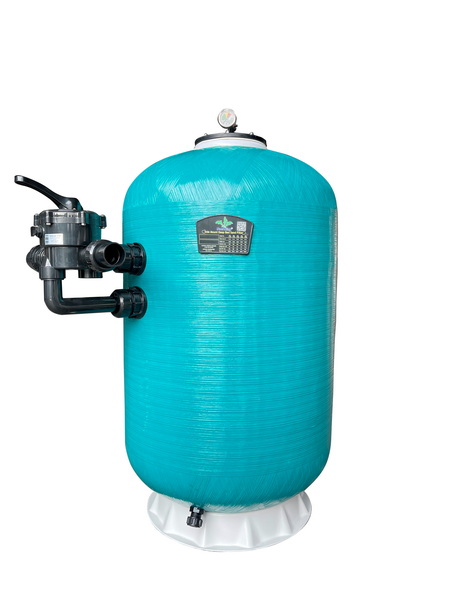
A neglected filter leads to cloudy water, algae blooms, high chemical costs, pressure spikes, and pump damage.[11][12]
Check the pressure gauge; clean when it reads 8–10 psi above the normal start-up level. Poor flow and cloudy water are also warning signs.[14][7][11]
Excessive cleaning shortens filter media lifespan, but cleaning as indicated by pressure or routine schedules is safe.[14][5]
Replace whenever fabric shows tears, warps, or permanent stains. Cartridges generally last 1–2 seasons, DE grids up to 5 years with proper care.[5][6]
Yes, cleaning before closing the pool or upon spring opening is recommended, especially for pools exposed to autumn leaves and debris.[5]
Commercial cleaners are preferred, but mild detergent or vinegar is acceptable for light cleaning of cartridges and grids.[1]
[1](https://poolife.com/2024/01/09/guide-to-cleaning-a-pool-filter/)
[2](https://www.pentair.com/en-us/education-support/water-education-center/pool-and-spa-education/cleaning-and-maintaining-your-pool-filters.html)
[3](https://www.poolmarttx.com/post/filter-fitness--the-ultimate-guide-to-swimming-pool-filter-maintenance-for-a-sparkling-summer)
[4](https://spspoolcare.com/blog/understanding-pool-filters-a-comprehensive-guide/)
[5](https://poolpurefilter.com/blog/maintain-above-ground-pool-filter/)
[6](https://poollogicsd.com/resources/a-complete-guide-to-pool-filter-cleaning-in-san-diego/)
[7](https://beatbot.com/blogs/pool-care-solutions/pool-filter-maintenance-cleaning-techniques-and-backwashing-frequency)
[8](https://speckusa.com/pool-maintenance-pool-filter/)
[9](https://www.familypoolmaintenance.com/pool-maintenance-for-beginners/)
[10](https://www.reddit.com/r/pools/comments/12cru46/pool_maintenance_for_dummies/)
[11](https://www.millenniumpool.com/blog/how-often-you-should-clean-your-pool-filter/)
[12](https://www.lathampool.com/resources/pool-maintenance-hub/how-to-clean-your-pool-filter/)
[13](https://www.pioneerfamilypools.ca/advice/how-often-should-you-clean-your-pools-cartridge-filter/)
[14](https://poolscouts.com/when-to-clean-your-pool-filter-cartridge-vs-when-to-replace-it/)
[15](https://www.youtube.com/watch?v=Ij9aG42snyA)
[16](https://www.youtube.com/watch?v=4ykLEwcbRnU)
[17](https://www.youtube.com/watch?v=vquX9p79ZBo)
[18](https://www.youtube.com/watch?v=M9jmD7Jsv04)


