
Views: 222 Author: Tina Publish Time: 2025-11-12 Origin: Site


Content Menu
● Introduction: Why Pool Pump Running Time Matters
● Understanding Pool Circulation and Filtration
>> Factors Determining Pool Pump Run Time
● How Often Should You Run Your Pool Pump?
● Best Time to Run Your Pool Pump
● Benefits of Correct Pool Pump Run Time
● Common Pool Filter Types Explained
>> Sand Filter
>> DE (Diatomaceous Earth) Filter
● Tips for Optimizing Pool Pump Usage
● OEM Pool Pump and Filter Factories: Manufacturing Quality
>> 1. How long should I run my pool pump each day?
>> 2. Can I run my pool pump at night?
>> 3. What happens if I run my pump less than recommended?
>> 4. Can I split the daily run time into different periods?
>> 5. How do I calculate the exact run time for my pool?
>> 6. Do variable-speed pumps need different run times?
>> 7. Should I run my pump longer during pool opening or after heavy use?
>> 8. Will frequent pump running increase lifespan?
Efficient pool pump operation is vital to water hygiene, energy cost control, and long-term equipment reliability. Pool pumps work in tandem with filters to remove dirt, debris, and contaminants while circulating disinfectants evenly.
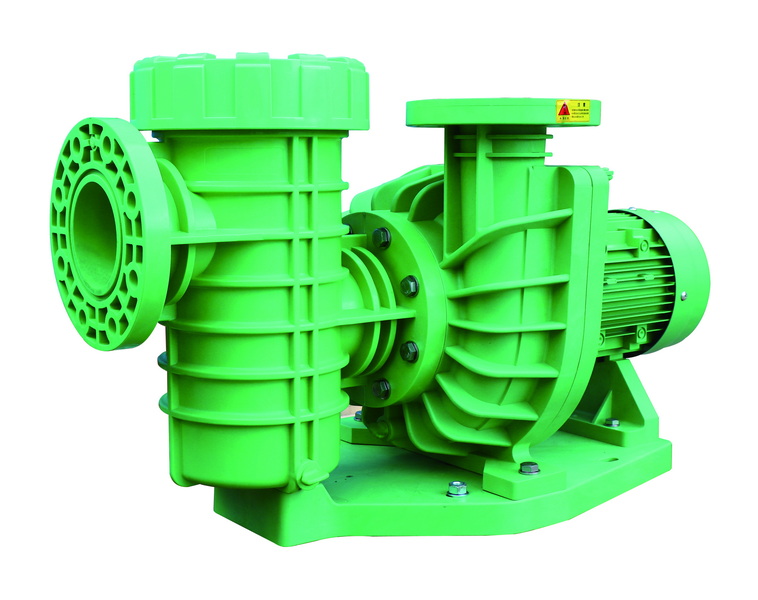
Proper circulation means every drop of water passes through the filter at least once per day. For most pools and standard single-speed pumps, an 8-hour daily cycle achieves one full turnover, but larger pools, frequent use, or warmer climates may require 10-16 hours.[3][6][5][1]
- Pool Volume: Calculate gallons or liters. Larger pools need more run time.
- Pump Flow Rate: Measured in GPH/LPH (gallons/liters per hour).
- Turnover Rate: The time needed for all water to cycle through the filter once.
- Climate and Season: Hotter climates and summer months demand longer run times (12-16 hours/day).
- Swimmer Load: More use brings more contamination, requiring extra filtration.
- Filter Type: Sand, DE, and cartridge filters offer different flow rates and maintenance needs.
- Energy Costs: Running during off-peak hours can lower expenses.
Industry experts recommend running the pool pump at least once every 24 hours for 8 hours daily. In hot weather or high-use scenarios, increase this to 12-16 hours.[6][4][7][5][3]
| Pool Type/Usage | Recommended Run Time (Daily) |
|---|---|
| Standard residential | 8 hours |
| Large/High usage/Hot climate | 12-16 hours |
| After heavy rain/party/cleaning | 24 hours, then resume normal schedule |
| During opening/very dirty pool | 24-72 hours (until clear) |
| Variable speed pump | 12 hours (cycle between speeds) |
Running pumps during off-peak electrical hours (night or early morning) can save costs. For heavy daytime use or algae-prone climates, split run time: some hours in the day, the rest at night.[7][12]
- Cleaner, sparkling water.
- Reduced algae and bacteria.
- Balanced chemicals throughout pool.
- Lower maintenance and repair costs.
- Greater energy efficiency.
- Longer pump and filter life.
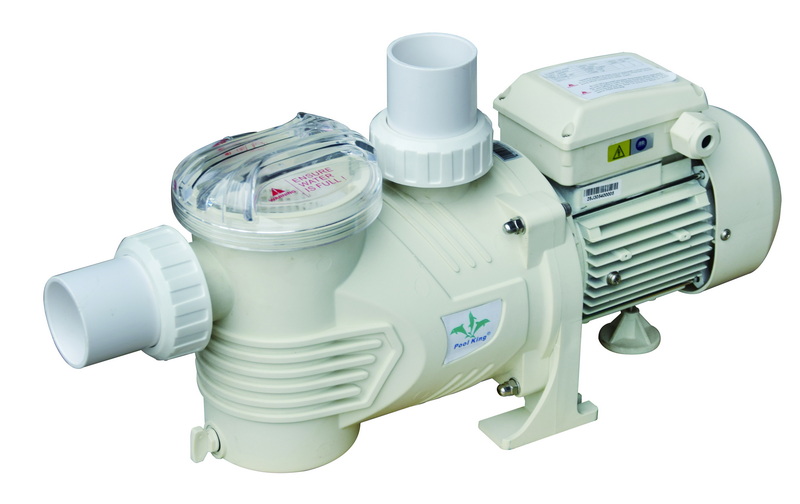
Removes particulates with sand media. Requires periodic backwashing. Popular for durability and ease of use.
Captures the smallest particles via DE powder coated grids. Highest filtration accuracy, but needs regular DE replacement.
Uses replaceable cartridges for simple, water-saving filtration. Frequent cleaning maintains efficiency.
- Calculate pool volume and correct turnover rate.
- Choose an efficient pump and filter based on pool size.
- Use timers for consistent scheduling.
- Adjust schedule with changing weather and pool use.
- Monitor water quality (clarity, chemical balance).
- Upgrade to a variable-speed pump for major energy savings.
- Maintain filters regularly (backwash, replace, clean).
China's leading manufacturers employ smart machines and stringent QA protocols to deliver premium sand filters, DE filters, cartridge systems, and pumps suited for both residential and commercial pools. OEM services allow foreign brands and wholesalers to source custom solutions optimized for filtration efficiency, reliability, and energy savings.
Running your pool pump 8-12 hours daily is critical for a healthy, clean swimming environment. Assess your specific pool's needs by considering size, climate, filter type, and usage. Use OEM filtration systems for dependable, high-quality solutions. Consulting with manufacturers and using smart scheduling assures efficiency and water clarity year-round.
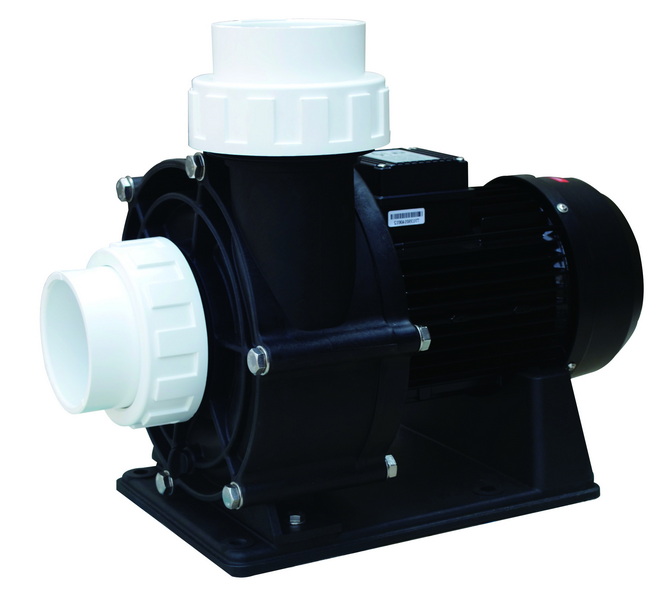
Most pools need at least 8 hours of pump operation daily for one full turnover. Adjust to 12-16 hours in summer and high-use situations.[5][1][3]
Yes, running at night can be cost-effective during off-peak electricity rates. Make sure total run time still achieves full water turnover.[12][7]
Insufficient run time may result in cloudy water, algae growth, and uneven chemical distribution, requiring extra treatment and maintenance.[4][13]
Absolutely. You can run part of the cycle in the morning and the rest in the evening—just ensure the total meets your pool's turnover needs.[3][7][5]
Find your pool's total volume, the pump's flow rate, and use the formula: $$ \text{Run Time} = \frac{\text{Pool Volume (gallons)}}{\text{Pump Flow Rate (GPH)}} $$. Ensure this meets at least one full turnover daily.[13][6]
Variable-speed pumps are energy-efficient and may require longer total hours, split between low and high speeds. Typical schedules range from 12 hours, with 2-4 hours at high speed and the rest at low.[5]
Yes. For opening or after events, continuous 24-72 hour operation ensures thorough cleaning. Resume your standard cycle after water clarity is achieved.[14]
Running a quality OEM pump within recommended time frames can extend its lifespan and reduce the need for repairs.[15]
[1](https://www.riverbendsandler.com/help-advice/pool-school-how-often-should-a-pool-pump-run-in-the-summer/)
[2](https://www.reddit.com/r/pools/comments/pbcz27/how_long_should_i_run_my_pool_pump_each_day_i/)
[3](https://www.swimmingpool.com/maintenance/pump&filter/how-long-to-run-pool-pump/)
[4](https://professionalaquaticservices.com/run-your-pool-pump-each-day/)
[5](https://lesliespool.com/blog/whats-the-best-time-to-run-your-pool-pump.html)
[6](https://www.pvcfittingsonline.com/blogs/resource-center/how-often-should-i-run-my-pool-pump)
[7](https://home.howstuffworks.com/swimming-pool-pumps-run-all-the-time.htm)
[8](https://www.youtube.com/watch?v=6aeIa2oR-m4)
[9](https://www.youtube.com/watch?v=Ayk3co2KetE)
[10](https://www.youtube.com/watch?v=C9Jh4ByMhdM)
[11](https://www.youtube.com/watch?v=u4ExnupI26o)
[12](https://www.reddit.com/r/swimmingpools/comments/1dg029t/pros_and_cons_or_running_the_pump_at_night/)
[13](https://mrpoolman.com.au/blogs/news/how-long-should-i-run-my-pool-pump-every-day)
[14](https://www.mtlakepool.com/2025/06/25/how-long-to-run-a-pool-pump-when-opening/)
[15](https://www.funcenterpools.com/en/help/pool-pumps/is-it-okay-to-run-my-pool-pump-24/7)
[16](https://lesliespool.com/blog/how-to-calculate-pool-pump-run-time.html)
[17](https://landmarkaquatic.com/products/filters/)
[18](https://www.thepoolfactory.com/collections/aquapro)
[19](https://www.facebook.com/groups/637529959937311/posts/2279823789041245/)
[20](https://www.poolsupply4less.com/pool-filtration-systems-s/1840.htm)


