
Views: 222 Author: Tina Publish Time: 2025-10-08 Origin: Site


Content Menu
● Understanding Coleman Pool Ladders
>> Ladder Construction Details
● Weight Capacity and Safety Ratings
>> Why Weight Capacity Matters
>> Comparing Ladder Weight Limits
● Selecting the Right Pool Ladder
>> Types of Above-Ground Pool Ladders
>> Global OEM and Wholesale Appeal
● Installation Guide with Visual References
>> Step-by-Step Assembly Guide
● Real-World Scenarios & User Feedback
● Pool Ladder Options: Buyer's Guide
● Best Practices for Safe Pool Ladder Use
● Frequently Asked Questions (FAQ)
>> Q1: What is the maximum weight a Coleman pool ladder can hold?
>> Q2: Can two people use the ladder at the same time?
>> Q3: How should I clean and maintain my pool ladder?
>> Q4: What size pools are Coleman ladders compatible with?
>> Q5: Can these ladders be used for commercial applications?
Coleman pool ladders have become a preferred solution for above-ground pools due to their robust design, user-friendly features, and exceptional weight capacity. The question of weight limit is central for pool owners seeking safety and durability. This guide provides exhaustive information on Coleman pool ladder specifications, setup, safety, maintenance, and buying tips for consumers, retailers, and international OEM/ODM buyers. Visual guides, real-world user feedback, and expert instructions enrich each section, supporting a practical and well-informed purchasing decision.[1][2][3][4][5][6][7]
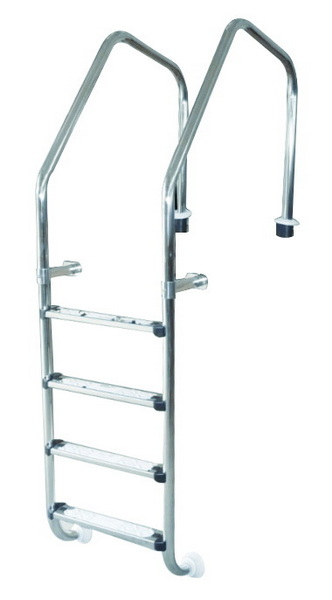
Coleman pool ladders are manufactured using precision engineering and durable materials such as galvanized steel and impact-resistant plastics. These ladders are designed to fit most Coleman Power Steel and Steel Pro pools, which typically have wall heights ranging from 42 inches to 52 inches.
Key highlight:
- Official Coleman pool ladder models are rated to hold up to 672 lbs (305 kg), which is considerably higher than most consumer-grade pool ladders.[2]
This means that heavier adults, individuals with mobility aids, or users carrying pool accessories can confidently access their pool without compromising safety.[2]
Coleman pool ladders generally feature:
- Treated steel frames that resist corrosion and are powder-coated for weather protection.[2]
- Wide, non-slip plastic steps allowing secure footing even when wet.[2]
- Curved handrails for stable grip during ascent and descent.[3][8][2]
- Bolt-together assemblies with retention brackets and safety labels for easy at-home setup.[8][3][2]
Most Coleman pool ladders feature an A-frame design, which is self-supporting and does not require pool deck installation. Variants compatible with decking systems are also available, increasing versatility for different pool layouts.[5][6]
The official documentation and product manual confirm that standard Coleman pool ladders are built to withstand up to 672 lbs (305 kg)—substantially higher than many competitive brands, which typically range from 250 to 400 lbs.[4][7][5][2]
- One-person limit: Despite the high weight capacity, the safety guidelines state that only one person should use the ladder at a time to maximize stability and avoid exceeding the rated load.[4][2]
Pools are frequented by users of varied sizes, and ladders with limited weight ratings may fail under excessive strain, leading to injuries and property damage. Coleman's high load rating supports safe entry and exit for users who may otherwise struggle with standard models.
| Brand & Model | Max Weight Capacity | Pool Type |
|---|---|---|
| Coleman Standard Ladder | 672 lbs | Above-ground |
| Confer Plastics 4-Step | 400 lbs | Above-ground |
| Vinyl Works In Step | 300 lbs | Above-ground |
| Ocean Blue Safety Ladder | Varies | Universal |
| Generic Resin Ladder | 280 lbs | Above-ground |
Coleman's ladder is among the highest-rated on the market, reflecting their focus on safety and durability.[5][2]
Coleman and similar pool ladders can be categorized into:
- A-Frame Ladders: Ideal for freestanding pools. These ladders have two sides connected at the top, offering entry from both interior and exterior pool areas.[6][5]
- Deck-Mounted Ladders: Best for pools with an adjacent decking system.[5]
- In-pool Step Systems: Wide, molded steps designed for comfort and higher weight capacity, often preferred by elderly or mobility-impaired users.[6][5]
Before purchasing, buyers should assess:
- Weight capacity: Always ensure a ladder's maximum load comfortably exceeds the largest potential user.[7]
- Pool height compatibility: Select models suitable for pool wall height (usually 42–52 inches).[6][2]
- Step width and non-slip features: Enhance user safety, especially for children and seniors.[5][6]
- Material durability: Seek steel frames for rust resistance or heavy-duty resin for weatherproofing.[4][5]
- Ease of installation: Some ladders assemble in minutes with basic tools, while others may require professional help.[9][1][3][8][2]
- OEM requirements: For international buyers seeking OEM, verify customization options for private labels and batch orders.
Modern pool ladder manufacturing in China employs automated machinery and strict QC procedures, supporting large-scale OEM/ODM orders for overseas wholesalers and brand owners. Customized branding, instructions, and private labeling services further enhance international competitiveness.
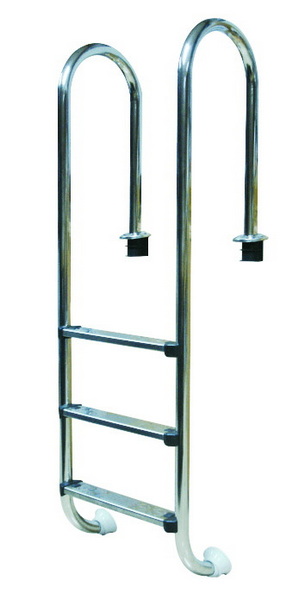
Proper installation is vital for achieving the stated weight capacity. Below, a detailed assembly process is paired with video and graphic references:
1. Select a firm, level base for ladder placement to ensure maximum stability and prevent shifting.[3][8][2]
2. Assemble the frame by matching labeled pipes (A to A, B to B). Tighten bolts securely but avoid over-tightening, which can deform the structure.[8][3][2]
3. Align the legs outward, ensuring the curved legs provide a wide entry footprint for safety.
4. Install retention brackets and pegs, making sure arrows line up as shown in the manual.[3][8]
5. Attach the steps, securing them with bolts and nylon nuts. Periodically check for snugness.
6. Install handrails and top bars for steady support during use.
7. Affix safety labels and warning boards as required by manufacturer instructions.
8. Before first use, double-check all hardware and ensure ladder steadiness.[8][3][2]
- Check for rust and corrosion at metal joints and bolts weekly, replacing hardware as needed.[4][2]
- Inspect for cracks, splits, or broken steps—damaged components should not be used.[4]
- Verify that all screws and retention clips are secure before each use.[2][4]
- Remove ladder from the pool if possible.
- Rinse with fresh water after every use—especially in pools with salt systems or high chlorine levels.[4]
- Scrub with mild detergent using a soft brush, focusing on joints and steps. Avoid abrasives that may scratch the finish.[4]
- Thoroughly dry before reinstalling or storing, especially for winter.[2][4]
- Disassemble the ladder at season's end.
- Dry all components completely to prevent rust and mold.[2][4]
- Store indoors or under a protective tarp, away from moisture, chemicals, and direct sun.[2][4]
- Keep ladder out of reach of children and pets during off-season.[2]
| Activity | Frequency | Purpose |
|---|---|---|
| Visual inspection | Weekly | Catch issues early |
| Rinse ladder | After use | Prevent buildup |
| Annual deep clean | Off-season | Rust, mold prevention |
Many owners note that Coleman pool ladders feel sturdier and more secure than competitors, with several reviewing successful use by heavier adults and children alike. Lifespan regularly extends several seasons with basic maintenance.[10][11]
Common user requests include larger platform areas or double-sided step designs for improved comfort, particularly for families with children or seniors.[11][5]
Industry reports indicate most pool ladder accidents result from improper use—such as unsupervised play, multiple users on the ladder, or attempting to jump or dive from it. Adhering to Coleman's guidelines greatly mitigates these risks.[12][5][4]
Coleman pool ladders incorporate specialized design elements such as:
- Extra-wide steps to distribute weight and prevent slipping.
- Locking gate mechanisms or removable exterior steps for added child safety.[13]
- High-visibility warning labels and instructions, often multilingual, supporting safe use for international markets.[8][2]
Here's a summary of alternatives to the Coleman standard design—useful for buyers comparing features and capacity across brands:
| Feature | Coleman Ladder | Confer HD Ladder | In-Pool Steps |
|---|---|---|---|
| Max Load | 672 lbs | 400 lbs | 300-450 lbs |
| Material | Steel & plastic | Heavy resin | Molded resin |
| Step Type | Wide, non-slip | Textured resin | Extra wide |
| Handrails | Curved, powder-coated | Molded resin | Integrated |
| Suitable for Deck | Select models | Yes | Yes |
When selecting a pool ladder for OEM/private label, verify all certifications and international compliance, including EN, ASTM, or other relevant standards.
1. Ensure only one user at a time is on the ladder, even if well under the weight limit.[4][2]
2. Face the ladder while ascending or descending—never step sideways or turn halfway.[2]
3. Prohibit jumping, diving, or horseplay involving the ladder to prevent severe injury.[12][2]
4. Supervise children and remove ladder when pool is not in use.
5. Periodically re-tighten bolts and check for wear to maximize longevity.[4][2]
Coleman pool ladders set a high standard in above-ground pool safety and convenience, with exceptional weight capacity, superior manufacturing quality, and versatile installation options. Their robust construction, ease of maintenance, and clear safety guidelines make them a prime selection for families, brands, international dealers, and hospitality venues. By following proper installation, routine care, and established safety measures, Coleman pool ladders offer a long-lasting, secure entry solution for any pool environment.
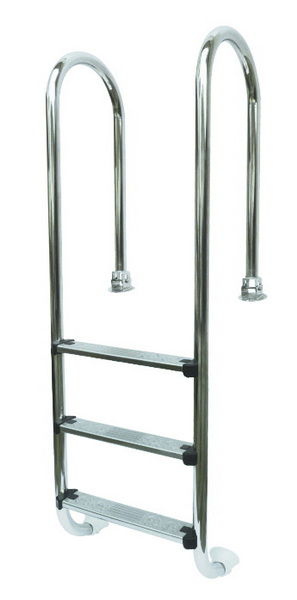
A1: Official Coleman pool ladders can safely support up to 672 lbs (305 kg), far exceeding most competitors.[2]
A2: No, only one person should use the ladder at a time to maintain stability and prevent overloading.[2]
A3: Rinse after each use, scrub with mild detergent monthly, inspect hardware weekly, and store dry during winter months for best results.[4]
A4: Most Coleman ladders are designed for above-ground pools with wall heights between 42 and 52 inches.[8][2]
A5: Yes, the high weight rating and robust design make Coleman ladders suitable for residential, commercial, and therapeutic pool settings. OEM and international orders are supported.[2]
[1](https://www.youtube.com/watch?v=JJkG7vsan1E)
[2](https://bestwayusa.com/media/pdf_files/Coleman_Pool_Ladder_90392E_2024.pdf)
[3](https://www.youtube.com/watch?v=HMZp6vdZ1nI)
[4](https://www.mavaquadoc.com/blogs/pool-maintenance-blog/how-to-maintain-and-clean-your-pool-ladder)
[5](https://www.thepoolfactory.com/blogs/equipment/scaling-new-heights-above-ground-pool-ladders)
[6](https://www.thepoolfactory.com/blogs/new-pool-buyers/how-to-choose-the-correct-ladder-or-step-for-your-above-ground-swimming-pool)
[7](https://sternspools.com.au/blogs/help-advice/easy-access-a-guide-to-above-ground-pool-ladders)
[8](https://www.youtube.com/watch?v=1OWK8pF9y14)
[9](https://www.youtube.com/watch?v=ham2QiY9M7M)
[10](https://www.reddit.com/r/pools/comments/1l7chew/just_bought_this_coleman_above_ground_pool_tips/)
[11](https://www.reddit.com/r/HelpMeFind/comments/1lauhuv/looking_for_a_wide_doublesided_pool_ladder_for/)
[12](https://www.torhoermanlaw.com/lawsuits-for-above-ground-pool-accidents/defective-coleman-steel-pro-lawsuit/)
[13](https://www.poolsupplies.com/page/ladders-buyers-guide--faq)
[14](https://www.youtube.com/watch?v=C_FF_-RtEcg)
[15](https://www.target.com/c/maintenance-cleaning-pools-water-slides-camping-outdoors-sports/pool-ladders/-/N-5xt5hZ55p4d)
[16](https://intheswim.com/blog/above-ground-pool-step-buyers-guide.html)
[17](https://www.pangaeazw.org/1219736/And-Maintenance-Kit-For-Above-Groun-My-Quick-Buy)
[18](https://poolzilla.com/blogs/blog/the-simple-guide-selecting-the-right-pool-steps-and-ladders-for-your-swimming-pool)
[19](https://www.royalswimmingpools.com/above-ground-pool-ladders-steps.html)
[20](https://www.wisebuyingguides.com/ladders-for-the-above-ground-pool-which-to-buy/)
[21](https://waterthat.com/blogs/news/the-basics-of-above-ground-pool-steps-and-ladders)
[22](https://www.youtube.com/watch?v=RQWeyWVWZYQ)
[23](https://www.lowes.com/pl/pools/pool-ladders-lifts/above-ground-pool-ladders-steps/400-lb-weight-capacity/4294610238-4294565949)


