
Views: 222 Author: Tina Publish Time: 2025-11-06 Origin: Site


Content Menu
● Why the Sand Quantity Matters
● Typical Sand Filter Sizes and Capacities
>> Common Pool Filter Sand Requirements
● How to Determine Your Filter's Sand Requirement
● Steps to Replacing Filter Sand Successfully
● Selecting the Best Sand for Pool Filtration
● Signs You Need to Change Filter Sand
● DIY and Professional Sand Replacement: What to Expect
● Key Tips for Brand Owners and Wholesalers
>> 1. How often should pool filter sand be replaced?
>> 2. Can I use regular sand in my pool filter?
>> 3. How do I know what type of sand is right for my filter?
>> 4. Is it possible to overfill the filter with sand?
>> 5. Are glass or zeolite filter media better than sand?
Pool filtration is the backbone of maintaining clean, safe, and sparkling water for every swim season. For pool owners, understanding how much sand a pool filter needs is vital to avoid filtration problems, extend equipment lifespan, and minimize maintenance costs. Whether you operate a residential pool, manage a commercial facility, or purchase for brands and wholesalers, selecting and correctly filling a sand filter ensures healthy, enjoyable swimming.
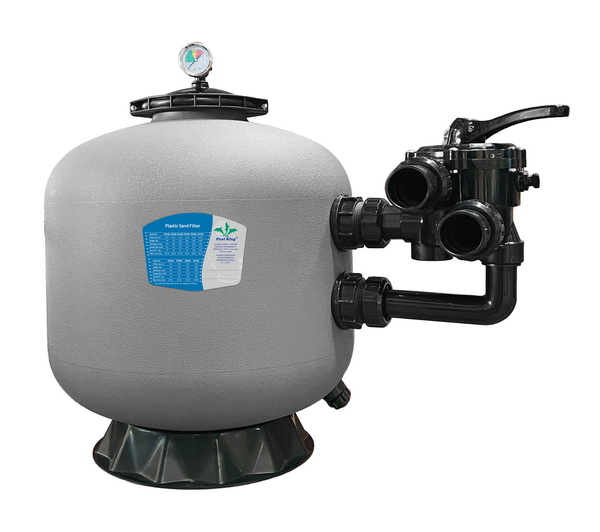
A sand filter is a pressurized vessel filled with special pool-grade silica sand. As water passes through, dirt, debris, and oils are trapped within sand particles. The clean water then returns to the pool. Sand filters are favored for their efficiency, affordability, and minimal operational complexity.
The amount of sand in the filter directly influences filtration quality. Insufficient sand fails to trap debris, causing cloudy water and increased chemical usage. Overfilling restricts water flow, stresses the pump, and diminishes filter efficiency. Manufacturers specify exact sand loads for each tank size—deviating leads to costly maintenance and subpar results.[7]
Sand filter tanks are manufactured in various diameters, typically ranging from 16 to 30 inches. Each diameter accommodates a specific sand weight—using these figures ensures proper filtration.
| Filter Diameter | Sand Needed (Weight) | Pool Size Example |
|---|---|---|
| 16-inch | ~100 lbs | Small residential pools |
| 18-inch | ~150 lbs | Medium-sized backyard pools |
| 22-inch | ~200 lbs | Large home/mini commercial |
| 24-inch | ~250 lbs | Large residential/commercial |
| 30-inch | ~500+ lbs | Commercial/public pools |
Manufacturers provide product manuals and specification labels showing the exact sand load for each model and size. The safest method is always consulting these resources, but the two-thirds to three-quarters fill rule also provides guidance for most bowl-shaped tanks.[7]
1. Turn Off Pump and Depressurize System
2. Open Filter Access
3. Remove Old Sand
Use a scoop, hand vacuum, or gentle water pressure.
4. Check Laterals and Fill Tube
Inspect and replace damaged parts.
5. Add New Sand
Pour slowly until reaching the prescribed fill line.
6. Reassemble Filter and Test
Secure all fittings, resume flow, and backwash to rinse fine debris.
Pool filter sand is highly specialized—never use construction, playground, or generic silica sand.
- Pool-grade #20 silica sand: 0.45-0.55 mm granules[1]
- Glass media: New alternative offering longer service life
- Zeolite: Enhances filtration for saltwater pools
Pool filter sand typically lasts 3-5 years, but watch for common warning signs:
- Cloudy pool water despite chemical balance
- Increased pressure gauge readings
- Sand entering the pool
- Reduced water flow rate
Routine sand replacement keeps filtration efficient and water clear.[1][7]
While homeowners can replace sand themselves, professional assistance may be warranted for larger commercial systems. OEM manufacturers often supply detailed guides and replacement kits for their products.
If you operate internationally or require large-volume OEM sand filter solutions, ensure the following:
- Request specification sheets for each filter model.
- Consider factory support for installation and maintenance.
- Ask suppliers to provide pool-grade filter sand as part of the kit.
Getting the right sand quantity is crucial for your pool filter's long-term performance and water clarity. Consult your product manual, work with OEM manufacturers for tailored solutions, and schedule regular sand changes for best results. Whether you're a homeowner, wholesaler, or brand owner, using the right filter sand and proper procedures will keep your pool healthy and attractive all season.
If you're seeking top-tier pool filtration solutions, OEM production, or bulk purchasing, contact our expert team today for tailored advice, product samples, or order assistance. Let us help you build a better pool ecosystem with advanced, reliable filter technology.
Sand should generally be replaced every 3–5 years, but commercial pools may require more frequent changes depending on usage and water quality.[1][7]
No. Pool filters require graded #20 silica sand; using regular sand can damage the filter and reduce effectiveness.[1]
Consult your filter's owner manual or the manufacturer's website for approved sand types, typically #20 silica or specialty alternatives like glass or zeolite.[7]
Yes. Overfilling restricts water flow, reduces filtration efficiency, and can damage the pump. Always follow manufacturer recommendations.[7]
Both alternatives offer finer filtration and longer life, but may cost more. Glass is especially popular for commercial pools or saltwater systems.[1]
[1](https://www.poolsuppliescanada.ca/how-much-sand-does-my-pool-filter-need.html)
[2](https://www.vevor.com/zh-CN/diy-ideas/cartridge-vs-sand-filter-b_10134/)
[3](https://www.thepoolfactory.com/blogs/equipment/how-much-sand-to-use-with-your-sand-filter-system)
[4](https://www.lefilter.com/qiancengshaglq/)
[5](https://www.reddit.com/r/pools/comments/1d6iidx/filter_sand_replacement_how_much_do_i_need/)
[6](http://www.zongkang-pool.com/product/27.html)
[7](https://hilltoppools.com/how-much-sand-for-pool-filter)
[8](https://www.emaux.com.cn/show_list.php?id=8)
[9](https://dgpoolsupplyandservice.com/blog/how-much-sand-to-put-in-the-filter/)
[10](https://www.vevor.com/zh-CN/diy-ideas/cartridge-vs-sand-filter-b_10134/?srsltid=AfmBOor6LlY9KwltoFvKfkTpngyz_UoKNAOUi2zxjlWsQ7TnJ4pBC7Va)


