
Views: 222 Author: Tina Publish Time: 2025-12-25 Origin: Site


Content Menu
● What You Get in a Pump and Filter System
● Typical Price Ranges in 2025
>> Above‑ground pump and filter combos
>> In‑ground pump and filter systems
● Cost by Filter Type and Pump Technology
● Other Factors That Affect Total Cost
>> Pool size and configuration
>> Brand, materials, and features
>> Operating and maintenance costs
● Why OEM Buyers Source Pump and Filter Systems from China
>> Example OEM offering from a specialized factory
● FAQs About Pool Pump and Filter Costs
>> 1. How much does it cost to replace both a pool pump and filter?
>> 2. Is it cheaper to buy a pump and filter combo kit?
>> 3. Which type of filter is the most cost‑effective?
>> 4. Do variable‑speed pumps really save money?
>> 5. How often should a pool pump and filter be replaced?
>> 6. Can I install a pool pump and filter myself?
>> 7. How can OEM sourcing reduce my landed cost?
A complete pool pump and filter system for a residential pool typically costs from about 300 to 2,500 USD in 2025, depending on pool size, filter type, pump technology, and whether installation is included. Above‑ground combo kits with basic pumps and sand or cartridge filters sit at the lower end, while large in‑ground systems with variable‑speed pumps and premium filters are at the higher end.[1][2][3][4]
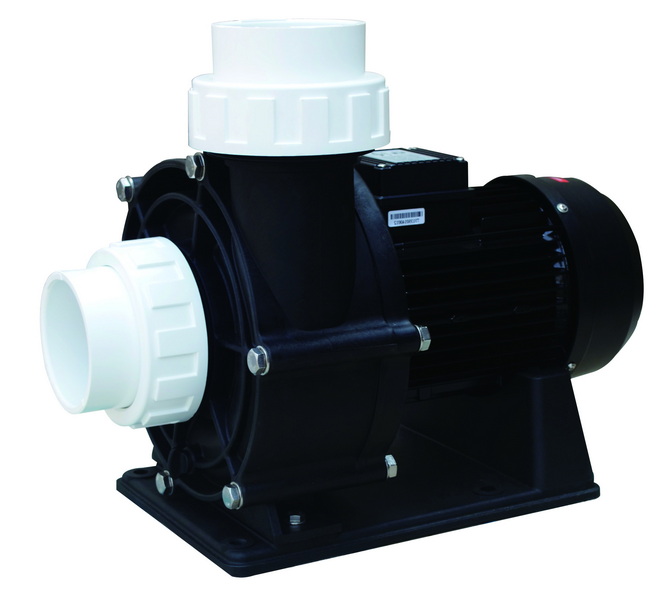
A pool pump and filter combo is the core of any circulation and filtration system, moving water through the filter media to remove debris, dirt, and contaminants. For brands, wholesalers, and OEM buyers, choosing the right combo affects not only water clarity but also long‑term operating cost and customer satisfaction.[5][2]
Typical components in a complete system include:[2][5]
- Pump (single‑speed, dual‑speed, or variable‑speed)
- Filter tank (sand, cartridge, or DE)
- Base or mounting plate
- Valves and multi‑port head (especially for sand and DE systems)
- Pressure gauge, drain, and unions
- Hoses, fittings, and clamps (common for above‑ground kits)
Pool pump and filter pricing varies widely between small above‑ground kits and large in‑ground systems and between basic fixed‑speed pumps and high‑efficiency variable‑speed models. The ranges below are useful reference points for retail or project budgeting; OEM and bulk buyers typically obtain lower unit costs through direct factory sourcing.[3][1]
- Entry‑level Intex‑type cartridge pump/filter kits: roughly 100–300 USD.[6][3]
- Mid‑range sand or cartridge systems with stronger pumps: about 400–800 USD.[6][2]
- Premium above‑ground sand systems with 1.0–1.5 HP pumps can reach 600–900 USD or more.[2][6]
- Replacement filters alone (sand, cartridge, DE): 200–1,500 USD, depending on size and type.[1]
- Full filter system (unit + labor): typically 250–1,700 USD for many residential pools.[1]
- Combined pump + filter projects (especially with DE or large cartridge units) can run 1,000–4,500 USD when including professional installation and plumbing adjustments.[3]
- Typical installation for a filter or pump/filter system: around 100–400 USD in labor costs.[7][8][3]
- Small above‑ground kits may cost as little as 250 USD total to install, while complex in‑ground DE systems can exceed 4,000 USD with labor, valves, and upgrades.[4][3]
The choice of filter and pump technology has a strong impact on both upfront and lifetime cost. For OEM projects, aligning media type and pump specification with target markets (entry‑level, mid‑range, or premium) helps optimize value and margins.[9][4][1]
- Sand filters
- Typical price range: about 200–800 USD for residential units.[1]
- Pros: Low media cost, simple operation, tolerant of “less perfect” maintenance.[5][1]
- Cons: Lowest filtration fineness (usually 20–40 microns), backwashing uses more water.[5]
- Cartridge filters
- Typical price range: about 200–1,000 USD.[1]
- Pros: Finer filtration than sand (often 10–20 microns), compact, low backpressure.[5]
- Cons: Cartridge replacement cost, manual cleaning needed every few weeks.[9][5]
- DE (Diatomaceous Earth) filters
- Typical price range: roughly 500–1,100 USD.[1]
- Pros: Very fine filtration (around 2–4 microns), crystal‑clear water.[5][1]
- Cons: Higher upfront cost, more complex maintenance, DE powder handling rules.[5][1]
- Single‑speed pumps
- Lowest upfront cost, often in the 150–600 USD range for many residential units.[10][11]
- Higher energy consumption; regulations in some markets encourage moving toward more efficient models.[8]
- Dual‑speed pumps
- Mid‑range prices and energy use; can run on low speed for daily circulation and high speed when needed.[8]
- Good balance for value‑oriented OEM product lines.
- Variable‑speed (VS) pumps
- Premium pump prices can reach 800–1,500+ USD depending on brand and power.[10][8]
- Lower operating cost thanks to adjustable speeds, often with payback in 2–4 seasons in high‑energy‑cost regions.[8]
Beyond the pump and filter themselves, several factors can raise or lower the total project cost for end users and project buyers. Understanding these elements is useful for both retail marketing and OEM positioning.[7][3][1]
- Larger pools require higher flow rates, bigger filters, and more powerful pumps, which increases both unit price and energy use.[4][7][5]
- In‑ground pools often require stronger, more durable equipment than small soft‑wall above‑ground pools, raising the budget.[3][4]
- Straight replacement of similar models on existing plumbing is usually the least expensive scenario, with minimal labor and parts costs.[7][1]
- Re‑piping, adding valves, relocating equipment pads, or converting filter types (for example, from sand to DE) can significantly increase labor and materials.[3][7]
- Well‑known global brands command higher retail prices, often 400–1,500 USD for filters and similar or higher for pumps in some markets.[4][1]
- Added features such as digital controls, quiet motors, corrosion‑resistant housings, and integrated timers raise the price but support premium positioning and longer service life.[2][8][5]
- Sand media replacement typically costs about 50–350 USD, depending on filter size and sand type.[9][1]
- Cartridge elements have higher unit prices but may be replaced yearly or every few seasons depending on bather load and water quality.[9][5]
- Variable‑speed pumps cut electricity usage compared with single‑speed units, which can offset the higher purchase price in markets with high power costs.[8]
For brand owners, distributors, and project contractors, OEM manufacturing can dramatically change the cost structure of pump and filter combos while maintaining or improving quality.
Key benefits of sourcing from a professional Chinese pool equipment factory include:
- Competitive ex‑factory pricing for sand, cartridge, and DE filters, as well as high‑efficiency pumps and accessories.
- Flexible OEM support: customized logos, colors, packaging, and technical parameters to match regional standards, voltage, and safety requirements.
- Integrated product lines: matching pump and filter systems, LED pool lights, valves, and accessories for coherent branding and simplified procurement.
A specialized factory can provide:
- Sand filter systems: Top‑mount or side‑mount designs, durable filter tanks, efficient multi‑port valves.
- Cartridge and DE filter systems for higher‑end or specialty markets that need extra‑fine filtration.
- Pump options from entry‑level single‑speed to premium variable‑speed models, all matched to the filters for optimal hydraulics.
- OEM branding, private labeling, and packaging designed to fit your channel (retail, e‑commerce, or project supply).
A typical “pump and filter together” solution for residential pools ranges from about 300 USD for simple above‑ground combo kits to 2,500 USD or more for large in‑ground systems with premium pumps and filters, with complete installed projects sometimes reaching 4,500 USD in complex cases. Choosing between sand, cartridge, and DE filters and between single‑speed, dual‑speed, and variable‑speed pumps requires balancing purchase budget, energy costs, maintenance preferences, and target market positioning.[6][3][4][8][5][1]
For global brands, wholesalers, and project contractors, partnering with a professional Chinese OEM factory that specializes in sand filters, DE filters, cartridge filters, pumps, LED lights, and accessories offers a practical way to control total cost while delivering high‑quality, matched pump and filter systems to end users worldwide.
For a typical residential pool, replacing both the pump and filter usually costs between 1,000 and 4,500 USD including equipment and professional installation, depending on pool size, pump type, and filter media. Using a standard‑efficiency pump and sand or cartridge filter tends to be at the lower end, while premium variable‑speed pumps and DE systems with complex plumbing sit at the higher end.[4][3][8][1]
Complete above‑ground combo kits that include pump, filter, base, hoses, and fittings are generally more economical than purchasing items separately at retail, often starting in the 100–800 USD range for residential above‑ground pools. For in‑ground systems, buying matched pump and filter packages can also reduce compatibility issues and total installed cost.[6][2][3][4]
Sand filters have the lowest upfront price and media cost, making them cost‑effective for many standard residential pools, especially above‑ground models. Cartridge and DE filters cost more initially but provide finer filtration, which some owners value for premium or commercial pools.[4][5][1]
Variable‑speed pumps use much less electricity than single‑speed pumps by running at lower speeds for longer periods, which reduces power draw. Over several seasons, energy savings can offset the higher purchase price, especially in regions with high energy costs or where pumps must run many hours per day.[8]
Many residential pumps and filters last 7–12 years or more with proper sizing, installation, and maintenance, although seals, cartridges, and other wear parts may need replacement sooner. Replacement is often recommended when repair costs approach the price of a modern, more efficient system or when existing equipment no longer meets performance or regulatory requirements.[9][4][5][1]
Many above‑ground kits are designed for DIY installation with hoses and clamps, reducing total project cost for experienced homeowners. In‑ground systems involving rigid plumbing, electrical work, and code compliance are often better handled by licensed technicians to protect warranties and safety.[2][7][3][5]
Buying directly from a specialized pool equipment factory allows brand owners and wholesalers to cut intermediate margin layers and control product specifications, packaging, and branding. When combined with optimized logistics and volume purchasing, OEM sourcing can significantly reduce landed cost while still delivering reliable, high‑performance pump and filter systems for global markets.
[1](https://homeguide.com/costs/pool-filter-replacement-and-installation-cost)
[2](https://www.royalswimmingpools.com/Above-Ground-Pool-Pumps-Filters.html)
[3](https://www.fixr.com/costs/swimming-pool-water-filter)
[4](https://www.homeadvisor.com/cost/swimming-pools-hot-tubs-and-saunas/pool-filters/)
[5](https://intheswim.com/above-ground-pool-filters/)
[6](https://poolandspasupplystore.com/pools-and-equipment/above-ground-pool/pump-and-filter-combo)
[7](https://www.angi.com/articles/what-is-the-cost-of-pool-filter.htm)
[8](https://blogs.aiper.com/us/pool-pump-costs-analysis-2025/)
[9](https://shastapoolsupply.com/blogs/news/sand-filter-vs-cartridge-filter-real-maintenance-costs-compared)
[10](https://www.reddit.com/r/pools/comments/1ab97kl/is_2300_reasonable_for_a_pool_pump_replacement/)
[11](https://www.waterlinecontrols.com/how-much-does-it-cost-to-replace-a-pool-pump/)
[12](https://www.perplexity.ai/search/69b35ecb-cff0-46f8-90a8-26a6d7bf80f2)
[13](https://www.perplexity.ai/search/63f889b4-42f1-452d-86f2-0e1e4381f8a4)
[14](https://lesliespool.com/above-ground-filters-and-pump-combos/)
[15](https://www.walmart.com/ip/2025-New-Ground-Sand-Filter-Pump-3500-GPH-High-Flow-Pool-Sand-Filter-Pump-14-Sand-Filter-2-3-HP-Pool-Pump-6-Way-Valve-Pools-22000-Gallons/15128610016)
[16](https://www.reddit.com/r/pools/comments/1jc1mn2/what_would_you_choose_if_replacing_all_of_your/)
[17](https://www.thepoolfactory.com/collections/pool-filter-systems)
[18](https://www.homedepot.com/b/Outdoors-Pool-Supplies-Pool-Filters/Above-Ground/N-5yc1vZcfz1Z1z1a66e)
[19](https://www.walmart.com/c/kp/above-ground-pool-pump-filter)
[20](https://www.doheny.com/hayward-above-ground-filter-to-pool-kit)
[21](https://www.poolsupplies.com/shop/filters-filter-supplies)


