
Views: 222 Author: Tina Publish Time: 2025-09-26 Origin: Site


Content Menu
● How Much Electricity Does a Pool Pump Use? (With Charts & Infographics)
● Electricity Calculation: How to Work It Out
● Key Factors Influencing Pool Pump Electricity Use
>> Pump Type and Motor Efficiency
>> Pool Size, Volume, & Turnover Rate
● The Latest Pool Pump Innovations: 2025 Efficiency Comparisons
>> Top Variable-Speed Pool Pumps
● OEM Perspectives: Smart Manufacturing and Global Standards
● Practical Energy-Saving Tips for Pool Owners
● Real-World User Reviews and Performance
● Choosing the Right Pump: Application and ROI Analysis
>> 1. How much does it cost per year to run a pool pump?
>> 2. How do I calculate my pool pump's electricity usage?
>> 3. Is upgrading to a variable-speed pump worth it?
>> 4. Can I install a new pool pump myself?
>> 5. Are Chinese OEM pumps globally compliant?
Swimming pool ownership represents leisure, luxury, and health. Yet, keeping pool water pristine requires consistent filtration—the foundation of which is the pool pump. For residential users and B2B buyers sourcing filtration solutions from top-tier Chinese OEM factories, understanding pump electricity usage is critical for budgeting, optimized operation, and sustainability leadership. As energy costs rise and efficiency regulations tighten, pool owners are increasingly seeking smarter choices. This article explores pool pump energy consumption in detail, highlights latest model innovations, and provides practical tips for efficient operation.
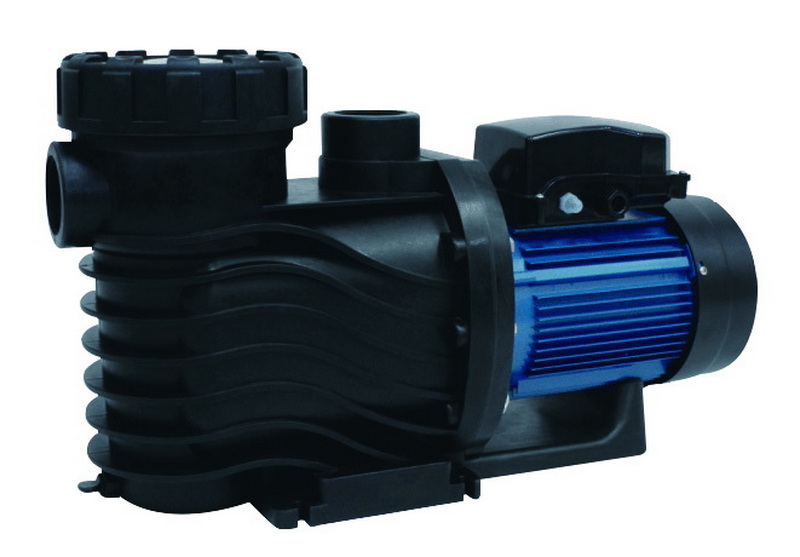
Pool pumps circulate water, passing it through filtration systems to trap debris, bacteria, and contaminants. Common types include:
- Single-speed pumps: Operate at a fixed RPM (typically 3,450), drawing 1,500–2,500 watts. They are cost-effective to buy but inefficient and expensive to run.
- Variable-speed pumps: Use electronic controls to adjust RPM across a wide range—often consuming as little as 300–500 watts at lower speeds. Their upfront cost is higher, but lifetime savings are substantial.[1][5]
- Dual-speed pumps: Offer ‘high' and ‘low' settings, so users can select energy-saving modes for routine filtration and ramp up power when needed.
Pool pumps are often the largest energy consumer on pool properties and can contribute up to 30% of household electricity bills during summer.[5]
| Pump Type | Wattage (avg) | Daily kWh (8h) | Monthly kWh | Est. Monthly Cost (US Avg) |
|---|---|---|---|---|
| Single-Speed (2HP) | 2,000W | 16 | 480 | $60–$110 |
| Variable-Speed | 300W | 2.4 | 72 | $10–$20 |
| EE Single-Speed (1HP) | 1,100W | 8.8 | 264 | $34–$60 |
| Dual-Speed (Low Mode) | 400W | 3.2 | 96 | $15–$25 |
Variable-speed pumps slash monthly costs by up to 80–90% compared to single-speed pumps, while extending motor life and reducing operational noise. Annual savings typically range from $450 to $1,500 depending on pool size and usage.[3][6][5]
Pump energy use depends on three factors:[12][13]
1. Pump wattage: Labelled on the motor—most common models run between 1,500–2,000 watts for single-speed or 300–700 watts for variable-speed.
2. Run time: Filtration needs vary, but most pools require 8–12 hours/day in warm months.
3. Local electricity rates: Vary regionally—US average is $0.13/kWh.
Calculation Example:
A 230V, 6.5A pump:
- Wattage: $$230 \times 6.5 = 1495$$ watts
- Daily usage: $$1495 \times 8 / 1000 = 11.96$$ kWh
- Monthly cost: $$11.96 \times 30 \times 0.13 = \$46.64$$[14]
- Single-speed: Simple and robust, but wasteful. Suitable for basic pools with limited filtration needs.
- Variable-speed: Intelligent motor management, permanent magnet motors offer 85–95% efficiency, allowing programmable speeds for different tasks and schedules.[1][5]
- Dual-speed: Provides compromise with two selectable power settings. Owners can run low mode during off-peak hours to maximize savings.
Larger pools require bigger pumps and longer filtration cycles, raising energy demands. Most experts recommend a full turnover of pool water once per day.
Complex plumbing systems (“higher head pressure”) force pumps to work harder and longer, increasing both wattage draw and operational time.
Peak summer months demand longer pump operation for clarity and sanitation, sharply raising monthly usage.
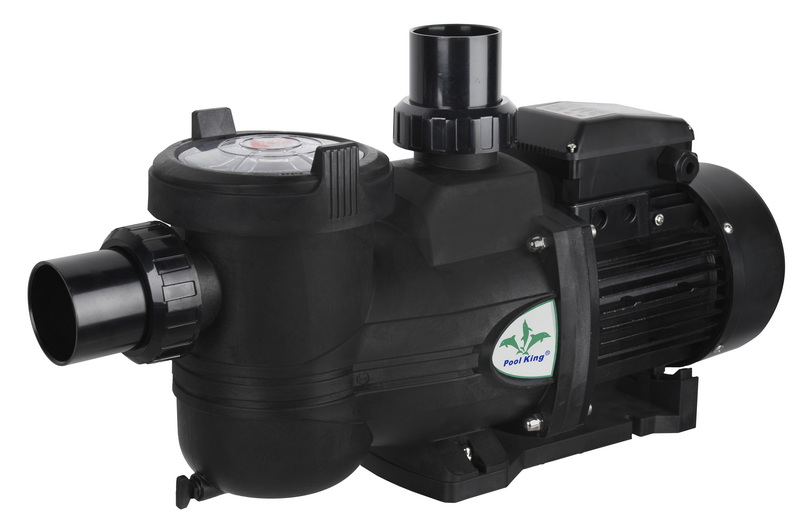
Technological advances in 2025 are redefining pump efficiency and user experience:[4][1]
| Model | Annual Energy Savings | Efficiency Rating (%) | Smart Controls | Noise Level | Price Range |
|---|---|---|---|---|---|
| Pentair IntelliFlo3 VSF | $600–$1,400 | 90 | Wi-Fi/App | <45 dB | $2,499+ |
| Hayward TriStar VS 950 Omni | $1,100–$1,500 | 88 | App/Voice Assist | <45 dB | $2,300+ |
| Jandy VS FloPro 2.7 HP | $550–$1,250 | 87 | App/Customizable | <47 dB | $1,700+ |
| Harris ProForce VST | $400–$900 | 87 | Digital Interface | <50 dB | $550+ |
Variable-speed pumps not only reduce power use but offer quiet operation and smart features like remote monitoring, programmable cycles, and integration with home automation.
Forward-thinking Chinese manufacturers are driving innovation by:
- Automating assembly for consistent quality and lower costs.
- Integrating smart controls for optimizing run-time, energy savings, and predictive maintenance.
- Utilizing high-efficiency designs compatible with sand, DE, and cartridge filters.
- Designing for compliance with EU/US energy and safety standards to support international brands and wholesalers.
- Upgrade to variable-speed or dual-speed pumps for instant savings (up to 90% less electricity use).[3][5]
- Program pumps to run during off-peak hours to lower rates.
- Set daily run-time as low as clarity and safety allow (typically 6–8 hours for well-maintained pools).
- Perform regular filter and skimmer maintenance to reduce pump load.
- Examine local utility rebates and incentives for certified energy-efficient pool pumps—many utilities offer $100–$400 back on upgrades.
Recent customer feedback emphasizes the dramatic financial and operational advantages of modern pool pumps:[3]
- Pentair IntelliFlo3 VSF receives top marks for whisper-quiet operation and energy savings, with users reporting bills cut by up to 90%.
- Hayward TriStar VS shines for robust performance and smart controls that automate efficiency.
- AQUASTRONG dual-speed pump earns praise from budget-focused owners for ease of installation and flexible energy-saving operation.
- ENERGY STAR certified pumps routinely outperform older models in efficiency testing and reliability.
Large inground pools (over 20,000 gallons) are best served by advanced 2+ HP variable-speed pumps with programmable cycles and app control for seamless energy savings.
Medium above-ground pools benefit from dual-speed or entry-level variable-speed pumps such as Pentair SuperFlo VS or AQUASTRONG, balancing budget and efficiency.[3]
Industrial-grade sand filter systems, multi-pump configurations, and automated smart controls become essential for high-traffic hotel or community pools.
- Premium models recoup their cost within 12–24 months via savings and utility rebates.
- Over an 8–12 year lifespan, savings can exceed $10,000 compared to single-speed systems.[5]
- Quiet operation and app-enabled controls add comfort and convenience, boosting customer satisfaction for brands and installers.
Pool pumps play a vital role in maintaining water clarity and hygiene, but their energy consumption is a major operational cost. Advances in variable-speed and dual-speed pump technology, spearheaded by leading Chinese OEMs, are empowering pool owners and brands to achieve dramatic reductions in energy use—up to 90% compared to older models. Upgrading to certified, smart-controlled filtration systems ensures longer equipment life, quieter operation, and significant savings. Careful pump selection and regular maintenance maximize returns and contribute to global energy efficiency goals.
A standard single-speed pump may cost $450–$1,500 annually. Variable-speed models typically cost $200–$400 per year.[15][5]
Find the pump's wattage, multiply by hours of daily use, divide by 1,000 for kWh, and multiply by local electricity rates for the monthly bill.[13][12]
Yes—variable-speed pumps cut annual costs by 60–90%, pay for themselves within two years, and qualify for utility rebates.[5][3]
Many modern pumps are designed for DIY installation, but professional setup is advised for maintaining warranty, optimizing settings, and ensuring safety.[6]
Top-tier Chinese pool pump factories manufacture to EU, US, and international standards, supplying feature-rich, energy-efficient systems for global brands and distributors.
[1](https://signaturepoolssandiego.com/the-best-variable-speed-pool-pump-brands-compared/)
[2](https://speedwaymedia.com/2025/08/05/compare-energy-efficient-vs-standard-pool-pumps-now/)
[3](https://agricarehub.com/best-pump-for-swimming-pool/)
[4](https://flopool.com/blog/top-5-pool-pumps-of-2025-efficiency-power-and-smart-control/)
[5](https://www.farmstandapp.com/119813/7-best-variable-speed-pumps-for-energy-efficiency/)
[6](https://noisypool.com/best-swimming-pool-pump-for-2025/)
[7](https://shastapoolsupply.com/blogs/news/5-best-affordable-pool-pumps)
[8](https://patopu.com/pool-pumps/vs-pool-pumps/pentair-vs-competition-variable-speed-pool-pump/)
[9](https://guide.pge.com/products/pool_pumps)
[10](https://flipr.shop/blogs/flipr-blog-pools/2025s-most-durable-pool-pumps)
[11](https://natural-resources.canada.ca/energy-efficiency/energy-star/pool-pumps-infographic)
[12](https://www.agwayenergy.com/blog/how-much-electricity-does-a-pool-pump-use/)
[13](https://www.angi.com/articles/cost-to-run-pool-pump.htm)
[14](https://www.youtube.com/watch?v=HymAbKF8vgE)
[15](https://www.ohmconnect.com/blog/saving-money/high-electric-bill-check-your-pool-pump)


