
Views: 222 Author: Tina Publish Time: 2025-11-11 Origin: Site


Content Menu
● Introduction: The Role of Pool Filter Sand
● How Many Bags of Pool Filter Sand Do You Need?
>>> Example Calculation for an 18-inch Filter
● Pool Sand Filter Installation
● Types of Pool Filter Sand and Alternatives
● Choosing Sand Filters: OEM Options for International Buyers
● Maintenance and Replacement of Pool Filter Sand
● OEM Pool Filter Sand System: Advantages for Export Clients
>> 1. How do I know how many bags of sand to buy?
>> 2. Can I use regular sand from a hardware store?
>> 3. How often should pool filter sand be replaced?
>> 4. Is glass filter media better than sand?
>> 5. Is OEM manufacturing available for pool filter systems, sand, and accessories?
Pool filter sand is essential for maintaining clean, healthy pool water. It's specifically graded to trap tiny debris effectively, and is used in sand filters as part of the pool's filtration system. Understanding the right quantity and installation methods is vital for pool owners and professionals.[3][4]
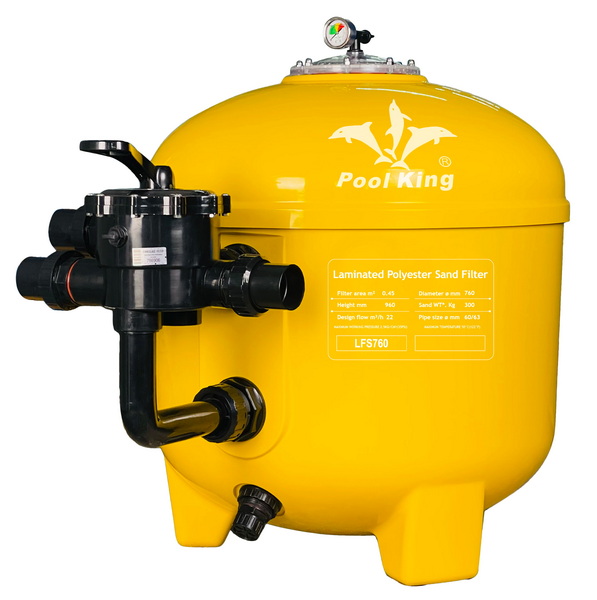
Pool filter sand consists of uniform, silica-based particles—usually 0.45 to 0.55 mm in diameter—to maximize filtration efficiency and avoid clogging. Using too coarse or too fine sand can negatively affect water flow and pump performance.[3]
The amount depends on your filter's diameter and manufacturer recommendations. Below are common pool filter sizes and the approximate number of 50-lb bags needed:
| Filter Size (Inches) | Pounds of Sand | 50-lb Bags Needed |
|---|---|---|
| 16 | 100 | 2 |
| 18 | 150 | 3 |
| 20 | 200 | 4 |
| 23 | 250 | 5 |
| 24 | 300 | 6 |
| 30 | 350 | 7 |
Always consult the filter manual for final numbers.[2][5][1][3]
- 150 lbs / 50 lbs per bag = 3 bags
Proper installation increases cleanliness and prolongs system life. A typical installation process:
1. Position the filter tank and fill halfway with water (protects laterals).
2. Slowly pour in the required amount of pool filter sand (#20 grade recommended), making sure the stand pipe remains upright.[6]
3. Level the sand bed and remove sand fill guide.
4. Assemble the multi-port valve and secure with O-rings and clamps.
5. Backwash the filter after sand addition to clean out fine particles before operation.
- Silica Sand: Standard, affordable, most commonly used.
- Glass Media: Finer, longer-lasting, better dirt removal, some models support conversion.[7][8]
- Zeolite: Improves filtration and reduces chloramine formation.
Each type comes in 50-lb bags and must match your filter's specifications for optimum results.
If you're a brand, wholesaler, or manufacturer seeking OEM partnerships, China offers top-tier sand filter factories that supply customizable filtration systems and accessories with global certifications:
- Factories operate with ISO and CE certifications for product safety and reliability.
- High-flow, glass-reinforced sand filters support both residential and commercial pools, and withstand higher operational pressures.[9][10]
- Full OEM services cover sand filters, pumps, LED lighting, and all critical accessories.
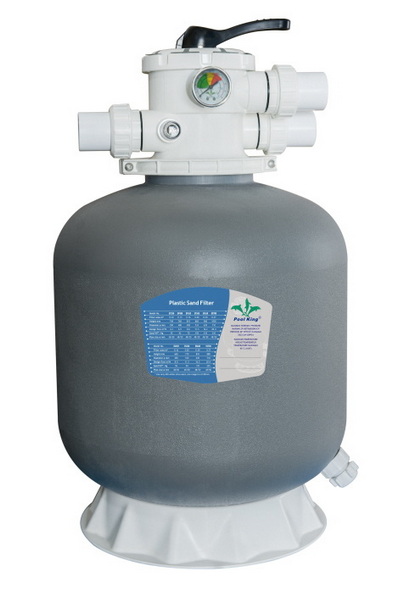
Replace filter sand every 3-7 years, or as per manufacturer recommendation, to maintain filtration effectiveness. Signs that it's time for replacement include cloudy water despite good chemical balance, slow water flow, or sand entering the pool.[7]
Replacement Steps:
- Disconnect filter and safely remove old sand.
- Clean tank and inspect lateral and stand pipe for damage.
- Add new filter-grade sand following original installation steps.
- Custom design and branding to match different international standards.
- Bulk order capacity with stable supply chain.
- Options for advanced media like glass or zeolite, higher pressure resistance.
- Technical support and manual translations available in multiple languages.
- Export packaging designed for safe transportation and easy warehouse handling.
Determining the correct number of pool filter sand bags is essential for optimal filtration and water clarity. Manufacturers and international buyers benefit from high-quality sand filters and comprehensive OEM options from top Chinese suppliers. Always check your filter's manual, opt for specialized pool filter sand, and ensure proper installation and maintenance. Invest in the right system to guarantee years of healthy, sparkling pool water and efficient export logistics.
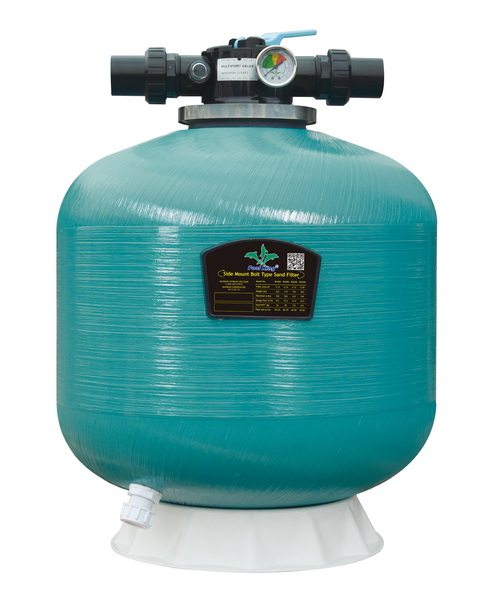
Check your filter's manual or manufacturer's website. Use the fill line inside your filter, or refer to product charts above for standard models.[1][3]
No, only use pool filter sand rated #20 or equivalent. Regular sand can clog filters and damage the media.[5][3]
On average, every 3-7 years, depending on frequency of pool use and water quality.[7]
Glass media lasts longer, removes finer particles, and may reduce backwashing needs. Some filters can switch to glass with little or no modification.[8][7]
Yes. Leading Chinese factories provide OEM customization, bulk orders, and export services for brands and dealers worldwide.[10][9]
[1](https://www.thepoolfactory.com/blogs/equipment/how-much-sand-to-use-with-your-sand-filter-system)
[2](https://iottechnologies.io/blogs/our-latest-posts/how-many-50-lb-bags-of-sand-for-18-foot-pool)
[3](https://www.angi.com/articles/calculate-pool-filter-sand-needed.htm)
[4](https://poseidonpoolservices.net/unveiling-the-secrets-of-pool-filter-sand/)
[5](https://www.thepoolfactory.com/blogs/new-pool-buyers/swimming-pool-sand-a-beginner-s-introduction)
[6](https://doughboyplus.com/content/guides/Ranger_Filter_Guide.pdf)
[7](https://mrpoolman.com.au/blogs/news/the-definite-sand-filter-media-guide)
[8](https://www.facebook.com/groups/637529959937311/posts/2576461036044184/)
[9](https://www.poolkingfilter.com/swimming-pool-filters.html)
[10](https://laswimaqua.com/product/laswim-china-factory-odm-oem-sand-filters-pool-sand-filters-for-inground-swimming-pools/)
[11](https://www.poolkingfilter.com/how-many-bags-of-sand-for-a-pool-filter.html)
[12](https://diy.inyopools.com/article/how-much-pool-filter-sand-do-i-need/)
[13](https://blog.intheswim.com/pool-filter-sand-/)
[14](https://www.waterwayplastics.com/manuals/810-0140-1.0910.pdf)
[15](https://www.poolkingfilter.com/top-pool-filter-manufacturers-and-suppliers-in-america.html)
[16](https://www.made-in-china.com/manufacturers/swimming-pool-sand-filter.html)
[17](https://blog.orendatech.com/refurbishing-sand-filter-vs-sand-change)
[18](https://www.inyopools.com/HowToPage/how_to_install_a_sand_filter.aspx?CommentPage=1)
[19](https://www.starmatrixpool.com/small-pool-sand-filter/)
[20](https://images.thdstatic.com/catalog/pdfImages/4c/4c3ef80d-e817-4d82-afa9-3e74fae105ff.pdf)


