
Views: 222 Author: Tina Publish Time: 2025-11-06 Origin: Site


Content Menu
● How Long Does Sand Last in a Pool Filter?
>> Tips to Prolong Filter Media Life
>> Maintenance for Extended Life
● Signs It's Time to Change Your Sand Filter Media
● Comparison of Filter Media Lifespans
● Factors Impacting Sand Filter Lifespan
● Sand Filter OEM Solutions for Global Brands
● Best Practices for Sand Filter Maintenance
● Environmental Benefits of Sand Filters
● FAQs
>> 1. How often should I change the sand in my pool filter?
>> 2. Can I use glass media instead of sand?
>> 3. What are signs my sand filter media needs replacing?
>> 4. How long does a sand filter tank last?
>> 5. What maintenance does a sand pool filter require?
Sand pool filters are essential components of modern swimming pool systems, designed to keep pool water clear, clean, and safe for swimmers by efficiently capturing and removing particulates and contaminants. Their popularity stems from their reliability, ease of maintenance, affordability, and the extended service life compared with other types of pool filtration systems. This guide explores how long sand pool filters last, factors influencing their lifespan, maintenance best practices, signs of wear, and answers to common questions, along with multimedia content to illustrate these key points.[7][3]
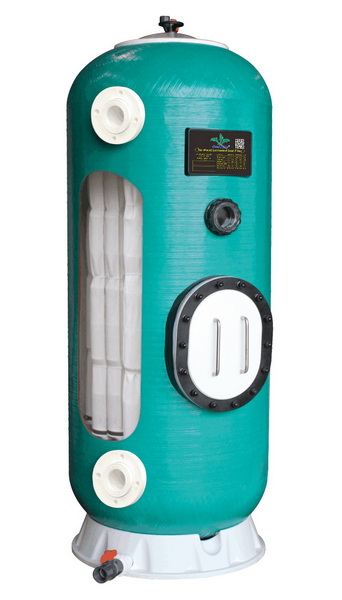
Sand pool filters use a bed of filter media, usually silica sand or glass, to trap dirt, debris, and organic material as pool water passes through. The process relies on microscopic gaps between grains to collect particles ranging from 20 to 40 microns in size.[7]
- Sand Media: Standard choice offering cost effectiveness and reliable filtration.[7]
- Glass Media: Alternative media that provides superior filtration and longer lifespan.[3]
The lifespan of sand used as filter media is typically 7 to 10 years, depending on several factors:
- Pool usage frequency
- Water chemistry maintenance
- Routine backwashing and cleaning[3][7]
Regular pool use and inconsistent water chemistry may shorten the sand's effective filtration life; conversely, seasonal pools or rigorous maintenance can extend media viability.[3]
- Backwash every few weeks to prevent clogging
- Avoid excessive pool chemicals or debris build-up
- Test water chemistry weekly to maintain proper pH and sanitizer levels[7]
The filter tank houses the sand and directs water flow. A well-maintained filter tank can endure as long as 20 years, while poor maintenance may reduce its lifespan to about 7 years.[7]
- Inspect the tank for cracks or leaks during every service
- Carefully follow manufacturer backwashing procedures
- Replace tank O-rings, seals, and valves as recommended
- Poor water clarity despite normal chemical levels[3]
- Frequent clogs, reduced flow rate, and pressure spikes on the filter gauge[3]
- Sand entering the pool via return jets
- Noticeable channeling or hard clumps found during inspection
Not all problems require a complete filter replacement; however, any persistent performance decline after standard maintenance or sand changes may indicate an aging filter tank.[3]
| Filter Type | Typical Media Lifespan | Tank Lifespan | Maintenance Interval |
|---|---|---|---|
| Sand (Silica) | 7-10 yearsepoolsupply | Up to 20 yearsepoolsupply | Backwash: 2-3 weeks |
| Sand (Glass) | 10+ years1stdirectpools | Up to 20 yearsepoolsupply | Backwash: 2-3 weeks |
| Cartridge | 1-2 years1stdirectpools | 5-7 years | Hose clean: monthly |
| DE (Diatomaceous) | 5-10 years | 10+ years | Recharge DE powder: monthly |
Several factors can affect how long your sand filter lasts:
- Quality of Sand Media: Higher-quality sand and glass media filter better and last longer.[7][3]
- Pool Size/Usage: Large, frequently-used pools wear out media more quickly.
- Local Water Hardness: Hard water accelerates media breakdown.
- Climate and Environment: Debris, leaves, algae, and dust shorten filter life.
- Backwashing Frequency: Balancing thorough cleaning and over-backwashing is key.
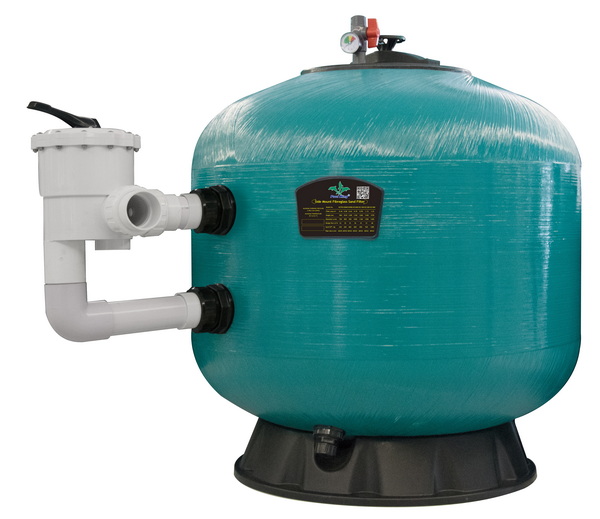
As a leading Chinese manufacturer of premium sand filters and pool filtration solutions, Anebon Metal offers advanced, automated filter production using smart machinery for consistent performance and durability. OEM services support international pool equipment brands, wholesalers, and manufacturers with customized filtration systems, water pumps, LED lights, and pool accessories engineered for long service life and optimized pool sustainability.[6]
- Routine Backwashing: Perform backwashing every two to three weeks during pool season.
- Annual Media Inspection: Inspect sand for hardening or channeling, replace if needed.
- Monitor PSI Gauges: If the pressure stays high after backwashing, sand may be exhausted.
- Winterizing: Protect tanks from freezing temperatures during off season.
- Professional Servicing: Schedule yearly technician check-ups for large commercial installations.
Sand pool filters are eco-friendly because:
- Media is recyclable or reusable in landscape applications.
- Minimal chemical waste compared to cartridge or DE filters.
- Water-saving designs when backwashed properly.
Sand pool filters are among the most reliable and longest-lasting pool filtration systems, typically giving 7-10 years of service for filter media and up to 20 years for tanks with regular maintenance routines. Signs of needed replacement include cloudy water or poor filter pressure, while choosing premium filter media and ensuring proper backwashing can extend filter lifespan. For international brands seeking dependable OEM filtration solutions, choosing premium Chinese manufacturers is the key to product longevity and performance.[3][7]
If your company needs top-grade sand pool filters, water pumps, LED lights, or accessories, trust Anebon Metal for bespoke OEM solutions. Contact our team today for custom quotations, technical advice, and to leverage innovative machinery for your international pool filtration needs.
Sand should be replaced every 7 to 10 years, or sooner if water clarity drops or the filter clogs frequently.[7][3]
Yes, glass media provides finer filtration and can last longer than traditional sand, often over 10 years with proper care.[3]
Key signals include cloudy water, sand in the pool, channeling within the filter bed, or persistently high pressure after backwashing.[3]
With routine care, tanks can last up to 20 years. Inspect for cracks or leaks and maintain seals and O-rings regularly.[7]
Routine backwashing, annual sand inspections, monitoring PSI gauges, and professional servicing will keep your sand pool filter working efficiently.[7][3]
[1](https://hyclor.com.au/how-long-do-pool-filters-last/)
[2](https://www.vevor.com/zh-CN/diy-ideas/cartridge-vs-sand-filter-b_10134/)
[3](https://www.1stdirectpools.com/blog/post/how-often-should-you-replace-swimming-pool-filter)
[4](https://www.lefilter.com/qiancengshaglq/)
[5](https://www.reddit.com/r/swimmingpools/comments/jkzlhj/how_often_to_change_filter_sand/)
[6](https://www.emaux.com.cn/show_list.php?id=8)
[7](https://www.epoolsupply.com/blogs/default-blog/how-long-do-pool-filters-last)
[8](https://www.vevor.com/zh-CN/diy-ideas/cartridge-vs-sand-filter-b_10134/?srsltid=AfmBOor6LlY9KwltoFvKfkTpngyz_UoKNAOUi2zxjlWsQ7TnJ4pBC7Va)
[9](https://www.epoolsupply.com/blogs/default-blog/how-long-do-pool-filters-last?srsltid=AfmBOoqXs3F4jWDZPbK3JuWnSNm0v1pY1FmyAoxec17oTsyrVjbHOS2C)
[10](http://www.zongkang-pool.com/product/27.html)


