
Views: 222 Author: Tina Publish Time: 2025-09-14 Origin: Site


Content Menu
● Pool Pump Motor Components and Function
● Typical Lifespan—Insights from Industry and Experience
● What Shortens or Extends a Pump Motor's Life?
>> Frequency and Intensity of Use
>> Water Chemistry and Quality
>> Environmental and Installation Factors
● Pool Pump Motor Maintenance: Best Practices and Pro-Level Tips
>> Weekly Maintenance Essentials
>> Annual Professional Servicing
● Recognizing Motor Problems Early
● Repair or Replace? Making the Right Decision
● Innovations Increasing Motor Life—Industry Trends
>> Variable-Speed and Magnetic Drive Motors
>> Enhanced Seal and Bearing Technologies
● Pool Pump Motor Replacement and Sourcing
>> 1. How can I tell if my pool pump motor is failing?
>> 2. Can premium pump motors last longer than 12 years?
>> 3. Does water chemistry really affect motor life?
>> 4. Should I repair or replace a noisy pool motor?
>> 5. Are OEM parts and motors always the best choice?
Pool pump motors are the unsung heroes of any swimming pool filtration system. These essential devices provide the water movement that keeps pools clean, safe, and inviting, whether for backyard relaxation or demanding commercial use. But every pool owner and facility manager faces the inevitable question: how long will this motor last? In this article, explore real-world data, technical principles, expert advice, and professional tips to achieve maximum motor longevity and avoid costly disruptions.[1][2][5][8]
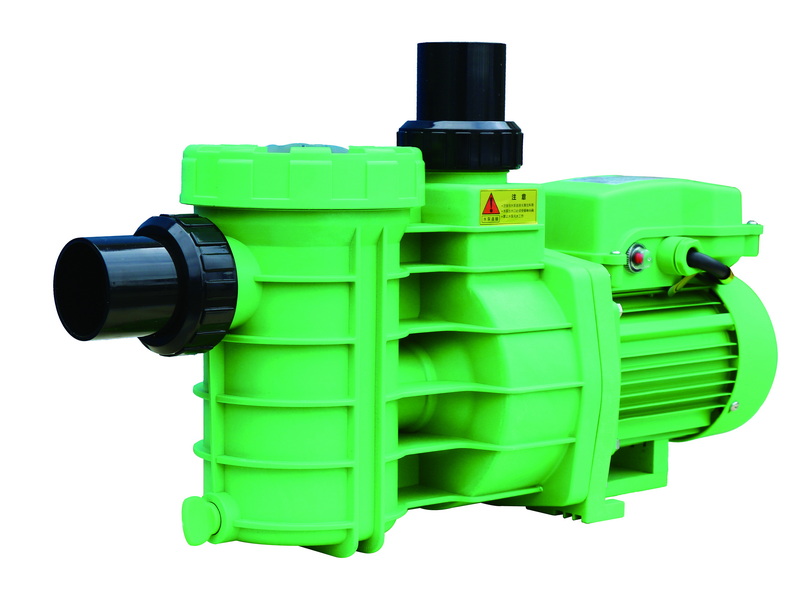
A modern pool pump motor includes several critical elements, each contributing to the system's performance and durability:
- Rotor and stator assembly: Converts electric current to rotational force.
- Bearings: Support the moving parts and minimize friction.
- Impeller shaft: Transfers rotation from the motor to the pump, pushing water.
- Start/run capacitor: Initiates operation and supports efficient ongoing function.[2][10]
Motors are paired with the pump body, which may contain sand, DE powder, or cartridge filtration media tailored for different water volumes and purity goals.[6]
Across manufacturers, climates, and usage scenarios, the average pool pump motor lifespan is 8 to 12 years. Exceptionally robust, premium designs—especially those with magnetic drive systems—may last up to 15 years or longer, while budget models or those exposed to harsh conditions may need replacement sooner.[5][8][9][2][6]
| Motor Type | Estimated Lifespan | Core Factors |
|---|---|---|
| Standard Single-Speed | 8–10 yearslagunapools+1 | Frequency, climate, water chemistry, build quality |
| Variable-Speed/Magnetic | 10–15 yearspooltroopers+1 | Enhanced efficiency, sealed bearings, advanced protection |
| Copper Winding (Old Tech) | 3–5 yearspooltroopers | Increased friction and overheating |
| Entry-Level Budget | 6–8 yearshilltoppools+1 | Lower component durability |
| Commercial/Heavy Duty | 12+ yearshilltoppools+1 | High-strength construction, regular professional service |
Note: Above-ground pool motors tend to last as long or longer than in-ground pool units, due to lighter duty cycles and less demanding environments.[9][2]
Continuous operation (especially in commercial pools or hot climates) increases component wear and shortens mechanical life. Moderately used or seasonal pools generally see longer intervals between motor replacement.[2][5]
Larger pools, high volume spas, or facilities running multiple pumps will naturally consume motor lifespan faster due to higher duty demands.[8][5]
Aggressive or unstable water chemistry causes corrosion, scale buildup, and premature seal/impeller failure. Maintaining ideal pH, alkalinity, and calcium hardness levels is fundamental for motor and pump longevity.[10][11]
Extreme heat, humidity, direct weather exposure, and suboptimal installation (poor ventilation, misaligned plumbing) can all reduce service life by several years.[1][2]
Routine preventative care, addressing leaks and noise early, and following manufacturer service guidelines dramatically extend motor reliability and reduce surprise breakdowns.[12][13][14][10]
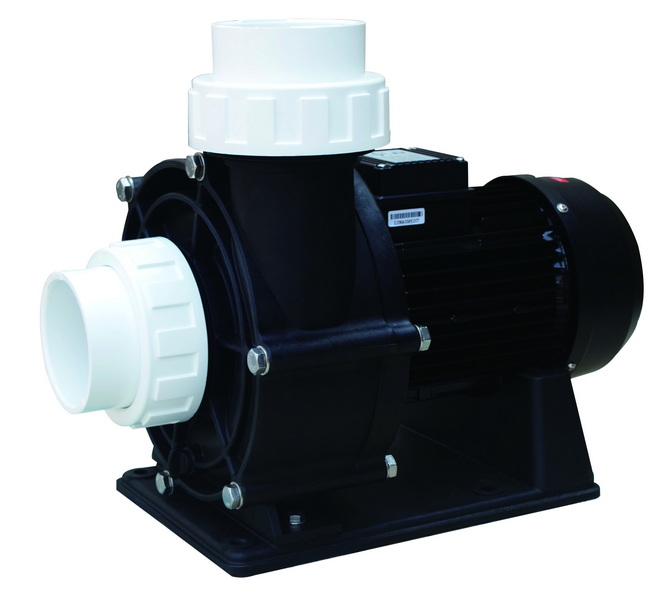
- Inspect and clean baskets, skimmers, and intake ports for debris.[15][10]
- Listen for unusual noises (grinding, humming, or screeching).
- Watch for signs of leaks around seals and fittings.
- Lubricate seals and check for O-ring cracks or wear.[13][12]
- Remove and clean the pump basket and vent inlets.
- Check all cable connections and secure mounting bolts.
- Have a qualified technician inspect, internal clean, and lubricate moving parts.
- Replace seals, bearings, or capacitors as needed.
- Conduct post-winter startup checks in cold climates to avoid freeze damage.[15]
- Maintain balanced water chemistry year-round to prevent scale and corrosion.[11][10]
- Ensure ample airflow and ventilation to protect from overheating.[14][16]
- Use factory-intended OEM parts for upgrades, repairs, and replacements—especially on commercial jobs where reliability matters most.[2]
- Rotate run times if using multiple pumps to reduce single-unit fatigue and wear.
Early detection prevents major failures and keeps repair costs low. Key warning signs include:
- Grinding, humming, or screeching sounds: Often indicative of bearing or impeller issues, or capacitor failure.[17][14][1]
- Visible leaks or moisture around pump housing: Sign of seal failure, impending corrosion, or structural damage.[8][2]
- Reduced water pressure or weak flow: Clogged filters, worn impellers, or motor drag may be responsible.[5][6]
- Frequent power interruptions or tripping breakers: Overheated or compromised motors may be drawing excess current.[18]
- Unexpectedly high energy bills: Indicates failing components are forcing the motor to work harder.[6][2]
When motors exhibit multiple or severe symptoms after years of service, replacement is often the wiser choice—especially as newer models offer improved energy efficiency and warranty protections. Repair may be justifiable for younger motors tackling minor issues (like worn seals or an easily replaced capacitor).[12][8][2]
Before choosing a replacement:
- Match the horsepower and voltage to pool and filtration system requirements.
- Check compatibility with the pump's wet end and existing connections.
- Choose reputable brands for longer coverage and service support.
Custom OEM solutions help international brand owners and distributors deliver tailored performance for residential, commercial, or industrial water systems.
These advanced designs use electronics to optimize energy use and minimize heat/friction, supporting longer lifespans and smoother, quieter operation.[5][8]
Modern smart pumps can monitor operation, auto-adjust for optimum conditions, and alert owners to maintenance needs before major failures occur.[10]
Premium OEMs now supply synthetic or ceramic seals and high-grade bearings that outperform older copper-wound units and reduce water/chemical incursion risks.[1][2]
When it's time to replace, prioritize quality—opt for motors sized accurately for pool volume and filtration demand, compatible with existing pump housings and controls, and carrying a robust manufacturer warranty. Working with specialized OEM factories ensures customized filtration solutions, technical support, and reliable supply for both brand owners and wholesale distributors.[2][5]
International OEM factories now support custom requests for sand filters, DE filtration, cartridge systems, and compatible motors—catering to both consumer and B2B clients.
Most well-maintained pool pump motors reliably deliver 8–12 years of service, with some premium or advanced units stretching beyond 15 years. Lifespan depends largely on frequency of use, water chemistry, climate, and regular professional care. Owners who adopt proactive maintenance, carry out annual servicing, and respond quickly to warning signs will achieve maximum value and uninterrupted pool clarity. At replacement time, selecting OEM solutions and the correct motor specifications ensures optimal performance for years to come.[9][8][5][2]
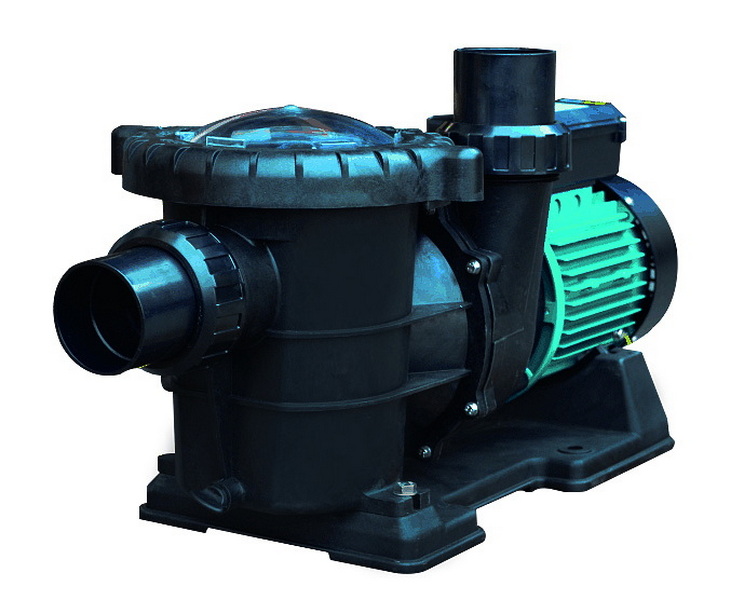
Watch for odd noises, visible leaks, power interruptions, weak water flow, and rising energy costs—all signal developing motor issues.[14][8][1]
Yes. With proper sizing, maintenance, and consumer-grade or commercial-grade technology, some motors reach lifespans up to 15 years, especially variable-speed and magnetic drive models.[8][9]
Absolutely. Poor water balance increases corrosion, scale, and seal wear, reducing motor life and increasing repair costs.[11][10]
If the motor is old and experiencing persistent noise, leaks, or power issues, replacement is more reliable. Minor issues can sometimes be repaired in newer motors.[12][2]
OEM parts ensure quality, compatibility, and manufacturer support, reducing downtime and maximizing performance—vital for commercial pools and brand owners supplying international markets.[9][2]
[1](https://www.lagunapools.com.au/how-long-does-a-pool-pump-motor-last/)
[2](https://www.hilltoppools.com/how-long-do-pool-pumps-last)
[3](https://acim.nidec.com/motors/usmotors/-/media/USMotors/Documents/Literature/Ebooks-and-Articles/Pool-Troubleshooting-Ebook-120220.pdf)
[4](https://patopu.com/pool-pumps/vs-pool-pumps/how-long-do-pool-pumps-last/)
[5](https://premierpoolservice.com/how-long-do-pool-pumps-last/)
[6](https://intheswim.com/blog/how-long-does-a-pool-pump-last.html)
[7](https://www.youtube.com/watch?v=e7_MZCG0zEI)
[8](https://pooltroopers.com/blog/how-long-does-pool-equipment-last-part-1/)
[9](https://www.poolkingfilter.com/how-long-do-pool-pump-motors-last.html)
[10](https://www.astralpool.com.au/pool-and-spa-guides/ultimate-guide-to-maintaining-your-pool-pump)
[11](https://beatbot.com/blogs/pool-care-solutions/understanding-pool-pump-lifespan-the-impact-of-ph-and-other-key-factors)
[12](https://www.zepher-uk.co.uk/blog/essential-maintenance-tips-for-your-swimming-pool-pump-in-the-uk)
[13](https://sqone.com/blogs/news/pool-pump-maintenance-guide)
[14](https://foxpoolsva.com/2022/11/04/maintenance-of-swimming-pool-pump-motors/)
[15](https://sunplay.com/blogs/posts/6-tips-to-extend-the-life-of-your-pool-equipment)
[16](https://asappump.com/2024/09/10-steps-to-prolong-your-pool-pumps-life/)
[17](https://diy.inyopools.com/article/warning-signs-your-pool-pump-motor-capacitor-is-failing/)
[18](https://www.epoolsupply.com/blogs/default-blog/how-to-tell-if-your-pool-pump-is-bad)


