
Views: 222 Author: Tina Publish Time: 2025-07-28 Origin: Site


Content Menu
● How Long Do Pool Filter Balls Last?
● Factors That Impact Pool Filter Ball Longevity
>> 1. Water Quality and Chemistry
>> 2. Pool Usage and Debris Load
>> 4. Proper System Installation
>> 5. Climate and Pool Location
● Signs It's Time to Replace Your Pool Filter Balls
● Cleaning and Maintaining Pool Filter Balls
>> Deep Cleaning (Annually or Semi-Annually)
● Pool Filter Balls vs. Other Filtration Media
>> Who Should Use Pool Filter Balls?
● Expert Tips for Maximizing Pool Filter Ball Life
● Step-by-Step Pool Filter Ball Maintenance Procedure
● Common Installation & Compatibility Questions
● Additional Pro Tips for Pool Professionals and Large Pools
● Frequently Asked Questions (FAQ)
>> Q1: Are pool filter balls truly reusable?
>> Q2: How often should I clean pool filter balls?
>> Q3: Can filter balls replace sand in all sand filters?
>> Q4: What are the most obvious signs filter balls need replacing?
>> Q5: Do filter balls save water and chemicals?
Maintaining a sparkling, inviting pool requires more than just chemicals and a skimming net—it relies heavily on the filtration system and the media it uses. In recent years, pool filter balls have emerged as a groundbreaking alternative to traditional sand, DE (diatomaceous earth), and cartridge filters. As a pool owner, distributor, or pool professional, you might wonder: “How long do pool filter balls last?” This comprehensive guide will help you discover the real-life lifespan of pool filter balls, factors influencing their durability, expert usage and maintenance tips, detailed side-by-side comparisons, and visual guides. Read on for in-depth advice, essential FAQs, and a clear conclusion to empower smarter, longer-lasting pool care decisions.
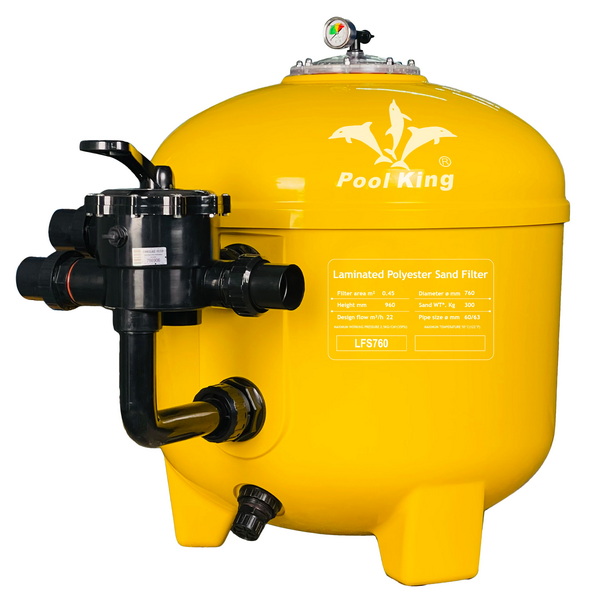
Pool filter balls are innovative filtration media made using advanced polyethylene or polyester fibers. These balls are lightweight, round, highly porous, and engineered to trap dirt and debris significantly smaller than sand can, while allowing water to flow through with minimal resistance.
Key Benefits:
- Easy to handle and replace: Their low weight means easy installation and removal—even for large pool filters.
- High filtration accuracy: They capture particles down to 3–5 microns, far finer than sand (20–30 microns).
- Eco-friendly choice: Reusable and often recyclable, they reduce the environmental footprint.
- Reduced water and chemical usage: Less backwashing means water and chemicals are conserved.
The typical lifespan of pool filter balls is 2 to 3 years for the average residential pool. However, their longevity is influenced by many environmental and usage factors—some users report effectiveness for up to 5 or even 6 years under light use and meticulous care. In commercial or heavily used pools, expect closer to a 1–2 year duration.
Pool Type | Lifespan Estimate |
Standard residential | 2–3 years |
Light usage (seasonal) | 3–5 years |
Heavy/commercial use | 1–2 years |
With attentive cleaning | Up to 6 years |
Professional Tip: Inspect filter balls each season and expect to refresh every 2–3 years for consistent performance.
Poorly balanced water (unstable pH, excess chlorine, or high dissolved solids) wears down filter media quickly, clogs them more rapidly, and can lead to fiber breakdown.
More swimmers, pets, leaves, or dust increase the debris filter balls must trap, shortening their lifespan.
Regular filter backwashing, periodic deep cleaning, and correct chemical application make a huge difference in filter ball durability (sometimes doubling it).
Filter balls must be installed at appropriate fill volumes for your filter tank model and according to the manufacturer's advice—overstuffing or underfilling reduces both efficiency and life expectancy.
Outdoor pools exposed to heavy pollen, pollution, or frequent storms will need more frequent cleaning and possibly earlier replacement.
Regular inspection is key! Replace your filter balls if you notice:
- Cloudy pool water despite correct chemical levels
- Reduced filtration flow or unexplained pump pressure increases
- Sticky, compacted, or visibly misshapen balls
- Persistent algae or dirt floating back into the pool
- Repeated backwashing with little improvement in performance
Most pool systems permit backwashing—simply reverse the water flow to flush out surface dirt from the filter balls. This is best done every 2–4 weeks during the swimming season (or more often with heavy usage).
1. Remove the filter balls from your filter tank.
2. Soak them in a large bucket with lukewarm water and a few drops of mild detergent or pool filter cleaner.
3. Thoroughly rinse each ball using a strong garden hose or in a mesh bag in your washing machine (cold water, NO bleach or fabric softener).
4. Dry them completely—air dry is best, and they should feel soft, springy, and flexible.
5. Reinstall into your filter according to the manufacturer's fill instructions.
Choosing the best filter media can be confusing. Here's a clear comparison:
Feature | Filter Balls | Sand | Cartridge | DE |
Typical Lifespan | 2–3 years | 3–7 years | 1–2 years | 7–10 years |
Maintenance Effort | Moderate | Low | High | High |
Particle Filtration Size | 3–5 microns | 20–30 microns | 10–20 microns | 2–3 microns |
Replacement Weight/Convenience | Easiest | Heaviest | N/A | Moderate |
Water & Chemical Savings | High | Moderate | Low | Low |
Environmental Impact | Low (Reusable) | Moderate | Moderate | Moderate |
- Homeowners who want simpler, lighter, and greener pool maintenance.
- Those looking for finer filtration without frequent sand replacement or heavy lifting.
- Pool professionals aiming to modernize services with sustainable materials.
- Check ball condition at the start/end of every season.
- Never exceed recommended fill level—over-packing reduces filtration efficiency.
- Pair with balanced chemistry: Poor water chemistry shortens any filter media's life.
- Monitor filter pressure—spikes typically indicate filter clogging or cleaning needs.
- Consider seasonal deep cleaning (early spring and late autumn) to clear out stubborn debris.
- Use a leaf trapper and skimmer to reduce debris hits on your media.
1. Shut off pump and relieve pressure in the filter tank.
2. Open the filter, remove the old balls and check for signs of decay, matted fibers, or excessive dirt.
3. Wash: If reusable, follow deep clean steps. If not, discard responsibly.
4. Clean the tank thoroughly before installing new balls.
5. Add new or cleaned filter balls, ensuring an even fill (no gaps or over-packing).
6. Reseal the filter, restore pressure, restart the pump, and monitor for clear, steady-flowing water.
- Most filter balls are designed to directly replace sand in standard “sand” filters. Always check your filter tank manual before transitioning.
- Never mix media types—stick with the recommended fill for your specific filter.
- Some older DE or cartridge filters cannot use balls— consult with your pool professional or the manufacturer before attempting a switch.
- Rotate your stock: In commercial settings, divide your filter media into halves or thirds and rotate them per cleaning cycle for more even wear.
- Document everything: Track installation, cleaning, and replacement dates for every pool under your care.
- Educate clients: Teach end-users how to inspect and maintain their own filter balls for the best ongoing results.
- Adapt for climate: In high pollen or dust environments, expect more frequent cleaning or earlier replacement.
Pool filter balls offer an advanced, eco-friendly, and highly effective alternative to traditional pool filter media. With an average lifespan of 2 to 3 years in typical home pools (longer with careful maintenance and light use), they deliver superior filtration, lightweight handling, and are easy to clean and reuse. Regular inspection, gentle but thorough cleaning, and attentive pool water balancing are essential for maximizing service life. By following the tips in this guide, you'll enjoy clearer water, lower maintenance costs, and a more sustainable swimming season—year after year.
Yes! Most can be washed manually or with a washing machine (cold water, gentle cycle), then air dried and reused several times before needed replacement.
Backwash every 2–4 weeks and deep clean at least once per pool season—or more frequently for high-use or dirty environments.
They are compatible with most standard sand filter models, but always check your manufacturer's instructions before switching.
Cloudy water, high filter pressure, poor backwashing results, or visible breakdown/matting of the fibers.
Yes, they require less frequent backwashing and generally extend the life of your pool water and chemicals compared to sand or DE.


