
Views: 222 Author: Tina Publish Time: 2025-10-23 Origin: Site


Content Menu
● What Happens When a Pool Pump Runs Without Water?
● How Long Can a Pool Pump Run Without Water?
● Signs Your Pool Pump Is Running Dry
● Common Causes of a Dry Running Pool Pump
● Best Practices to Prevent Dry Running
● Pool Pump Maintenance Guide for Longevity
● Troubleshooting Common Pool Pump Problems
● Importance of Quality Equipment
>> 1. How long can I run a pool pump without water before it breaks?
>> 2. What causes a pool pump to run dry?
>> 3. Can running a pool pump dry damage the mechanical seal?
>> 4. How do I prevent my pool pump from running dry?
>> 5. What signs indicate my pool pump is running dry?
A pool pump is the heart of any swimming pool's circulation system. It plays a crucial role in maintaining clean, crystal-clear water by pushing water through various filtration systems such as sand filters, diatomaceous earth (DE) filters, or cartridge filters. Running a pool pump without water—also called running it "dry"—can cause severe damage within a short time frame. This article explains how long a pool pump can safely run without water, the risks involved, preventive maintenance tips, and how to keep your pump running smoothly.
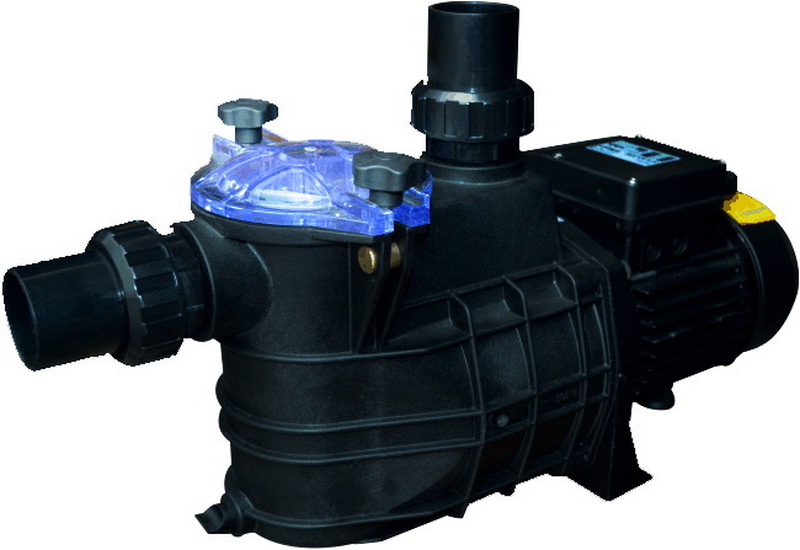
A pool pump depends on water flow not just for circulation, but also for cooling and lubricating essential internal components. When there is no water, the pump experiences:
- Overheating of the motor due to friction and lack of cooling.
- Mechanical seal drying out and failing because it no longer has water to lubricate and cool it.
- Warping or melting of plastic parts within the pump housing.
Water is essential because it acts as a coolant and lubricant inside the pump, preventing vital seals and bearings from overheating and wearing out prematurely.
The length of time a pump can run dry varies, influenced by the pump's build quality, size, and external operating conditions:
- Most pool pumps can tolerate running without water for about 1 to 4 hours before risking damage.
- High-quality pumps with robust components might withstand dry running for up to 12 hours, but this is not advisable.
- Inexpensive or smaller pumps risk damage within just an hour of running dry.
Regardless of pump type, running your pump without water is never recommended.
You should be attentive to symptoms that indicate dry running:
- Unusual humming or loud operational noises.
- Excessive heat emanating from the pump casing.
- Noticeably reduced or nonexistent water flow back to the pool.
- Leakages originating from pump seals.
Upon detecting any of these, immediately turn off the pump and investigate the issue to avoid costly damage.
Several scenarios can lead to a pump running without water:
1. Water level is too low, causing the skimmer to draw in air.
2. Skimmer baskets or filters clogged and blocking water flow.
3. Leaks or cracks in hoses causing air pockets.
4. Pump lids loose or damaged rubber gaskets allowing air to infiltrate.
Proper water level maintenance and regular cleaning can prevent these issues.
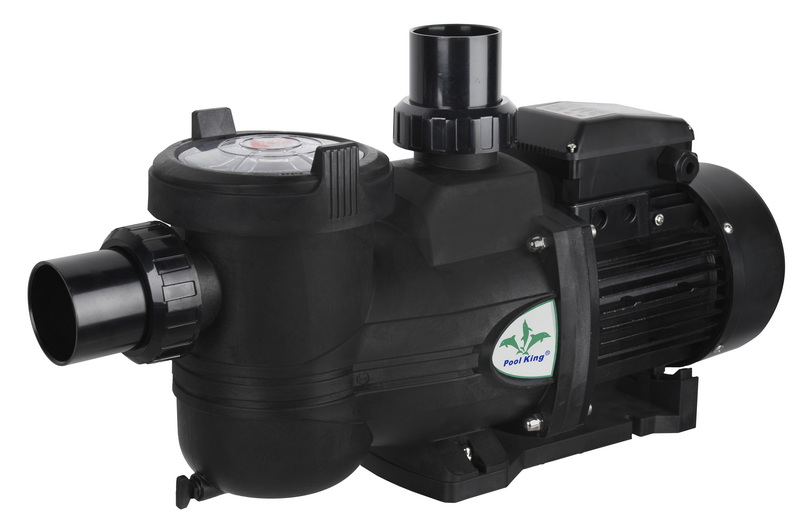
- Keep your pool's water level above the skimmer intake to ensure steady water flow.
- Regularly clean out skimmer baskets and pump strainer baskets of debris.
- Inspect all hoses and pump lids for leaks or cracks and tighten lids securely.
- Maintain sand filter systems properly, like those offered by AQUA factory, known for durable sand filter tanks compatible with pool pump systems.
Maintaining your pool pump effectively ensures long-term performance, prevents damage from dry running, and keeps your pool water pristine.
- Skim the pool surface to remove leaves and debris.
- Check water level to ensure it is halfway up the skimmer.
- Clean the strainer basket to prevent blockages.
- Inspect pump for unusual noise or leaks.
- Backwash or clean the filter depending on the system type.
- Inspect and lubricate O-rings and seals with silicone-based lubricant to avoid leaks.
- Winterize pumps in cold climates by draining water and protecting from freezing.
- Perform spring start-up inspection: clean baskets, lubricate seals, and test pump priming.
Maintenance tips also include regularly monitoring pressure gauges to spot blockages or reduced efficiency early and inspecting electrical components for corrosion or loose connections.
Even well-maintained pumps can encounter issues. Here are some common problems and fixes:
- Pump won't start: Check power supply and timer settings.
- Low water flow: Clean clogged filters or impellers.
- Unusual noises: Check for loose parts or worn motor bearings.
- Leaks: Inspect and replace worn O-rings or seals; repair cracks in pump housing with appropriate sealants or replacements.
Using premium components such as high-pressure resistant sand filter tanks (up to 250 kPa pressure and 45°C temperature) ensures better performance and longevity of pump systems. Brand OEMs like AQUA factory provide advanced sand filters, pumps, and LED accessories built for durability and efficiency, suitable for various pool sizes and industrial needs.
Running a pool pump without water is unsafe and can cause irreversible damage within hours, including overheating, mechanical seal failure, and part warping. Maintaining proper water levels, cleaning skimmer and pump baskets, inspecting seals, and performing seasonal care are vital to preventing dry running. Utilizing quality filtration equipment enhances system durability. Always turn off pumps at the first sign of dry running to avoid costly repairs and ensure continued optimal pool operation.
Most pumps tolerate 1 to 4 hours of dry running, but damage can occur much sooner. Avoid running dry entirely.
Low water levels, clogged filters, leaks, and loose pump seals are common causes.
Yes, the mechanical seal needs water lubrication and cooling; running dry overheats and destroys it.
Keep water levels high, clean filters and skimmer baskets regularly, inspect seals, and ensure no air leaks.
Unusual noises, excessive heat, poor water flow, and seal leaks are typical symptoms.
[1](https://lesliespool.com/blog/the-ultimate-pool-pump-maintenance-guide.html)
[2](https://www.poolmarttx.com/post/guide-to-maintain-your-swimming-pool-pump--the-comprehensive-guide-for-homeowners)
[3](https://www.astralpool.com.au/pool-and-spa-guides/ultimate-guide-to-maintaining-your-pool-pump)
[4](https://www.youtube.com/watch?v=_IfyhTPMaj0)
[5](https://poolpartstogo.com/blogs/articles/installation-and-maintenance-tips-for-pool-pump)
[6](https://www.barrierreefpoolsperth.com.au/pool-maintenance/the-complete-pool-maintenance-guide/)
[7](https://poolicons.com/pool-maintenance/complete-beginners-guide-to-pool-pump-operation/)
[8](https://intheswim.com/blog/pool-equipment-maintenance-guide.html)
[9](https://www.compasspools.com.au/news/guide-to-swimming-pool-maintenance/)
[10](https://gettlepools.com/2023/12/21/navigating-swimming-pool-pump-repair-a-comprehensive-guide/)


