
Views: 222 Author: Tina Publish Time: 2025-11-04 Origin: Site


Content Menu
● Should a Pool Pump Run Continuously?
>> Why Not Run It All the Time?
>> Variables that Affect Pump Runtime
● Calculating Optimal Pool Pump Runtime
● Scheduling: Day vs. Night Operation
● Installation and Priming Best Practices
● Maintenance and Operational Tips
>> Cartridge and DE Filter Maintenance:
● Smart Pool Pump Technologies
● Pool Pump Safety and Compliance
● Overview of Common Pool Pump Types
● Troubleshooting Common Pool Pump Issues
● Enhancing Pool System Efficiency
>> 1. Does a pool pump need to run 24/7?
>> 2. How can I calculate the optimal runtime for my pool pump?
>> 3. Is daytime or nighttime operation more efficient?
>> 4. What should I do before and after installing a pool pump?
>> 5. What are common maintenance practices?
>> 6. Can I use variable-speed pumps for large commercial pools?
>> 7. What are signs of pool pump trouble?
Swimming pool pumps are the foundation of any effective water maintenance and filtration system. As a reputable Chinese manufacturer specializing in premium sand filter systems and comprehensive filtration solutions, we deliver OEM pool filter pumps (sand filters, DE filters, cartridge filters), water pumps, LED lights, and accessories to global brands, wholesalers, and manufacturers. This guide details whether a pool pump should run at all times, explores optimal operation schedules, and provides technical know-how and visual references, tailored for buyers and pool professionals seeking reliability and efficiency.[10][11]
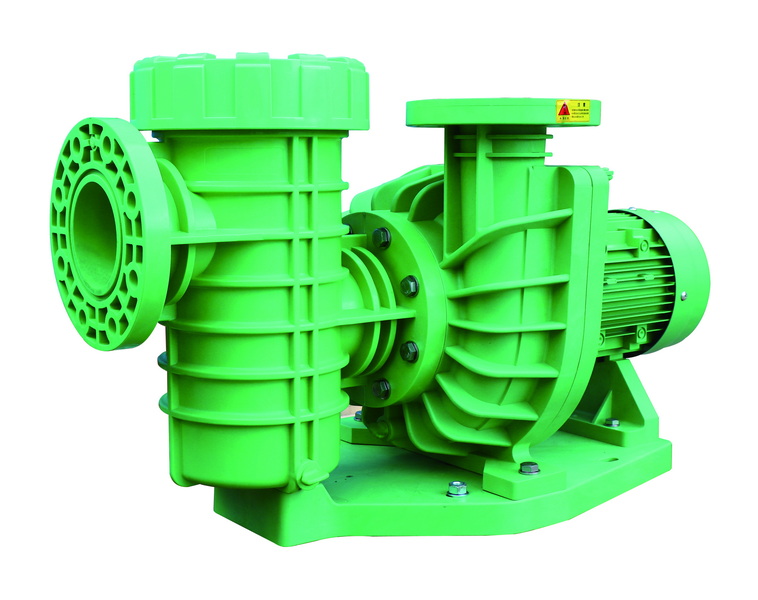
A pool pump circulates water from the pool via skimmer baskets, through the filtration system, and returns clean water back. It performs three vital functions:
- Circulation: Prevents stagnant water by continuously moving water through the filter and back into the pool, ensuring debris removal and even chemical dispersion.[12][10]
- Sanitization: Supports disinfection by evenly distributing sanitizing chemicals, helping maintain a healthy water balance.[11]
- Filtration: Removes debris, dust, and impurities, providing hygienic conditions for swimming.[12]
A pool pump does not need to operate around the clock. The primary objective is achieving at least one full turnover of pool water per day, meaning all water passes through the filter system once. For most residential pools, 8 hours of daily operation is ample for maintaining safe, clean water—overrunning leads to unnecessary power consumption and increased wear on components.[10][11]
- Excess energy consumption: Higher costs without substantial water clarity benefits.[11]
- Premature wear: Shortens lifespan of pump and filter hardware.[10]
- Environmental impact: More electricity usage increases carbon footprint.[12]
Several factors determine the exact pump runtime required for your pool:
- Pool size and shape: Larger pools or complex shapes need extra time for uniform circulation.[11]
- Pump type and flow rate: High-efficiency or variable-speed pumps can achieve turnover faster or with less energy.[13][11]
- Usage frequency: Pools in heavy use, after parties, or following rainstorms need extended filtration.[12]
- Debris load: Pools surrounded by trees or exposed to wind and dust may require longer operation.[11][12]
- Climate: Warm areas or pools subject to frequent rainfall require more filtration time to combat algae growth and maintain clarity.[12]
To determine your pool's ideal pump schedule, use the turnover formula:

Example:
- Pool volume: 20,000 gallons
- Pump flow rate: 2,500 GPH
20,000÷2,500=8 hours
This ensures full filtration of the pool each day.[14][11]
If your pump runs at different speeds, focus on achieving total turnover regardless of speed setting; variable-speed pumps can operate longer on lower settings for better energy efficiency.[3]
Operating your pool pump during the daytime quickly removes contaminants and deters bacteria growth, especially when swimmers use the pool. However, running the pump at night could reduce operational costs due to off-peak electricity rates. Using programmable timers allows you to split the operation into segments, such as running the pump for set periods across morning and evening.[12]
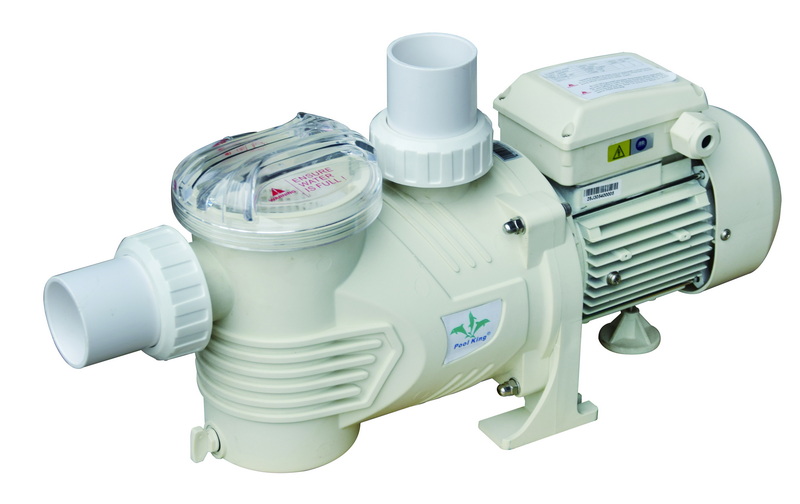
Proper installation and priming of your pool pump ensure optimal performance and longevity.
- Installation: Align pump and filter flow rates for efficient operation. Use manufacturer-recommended sand or filter media. Establish proper pipework and ensure tight, sealed connections. Prepare essential tools like wrenches, sealant, and pipe connectors for a smooth process.[5]
- Priming: Before initial operation, fill the pump strainer pot with water to prevent dry running, which can damage internal components. Open air relief valves to release trapped air and let water flow through the system.[2][6]
- Power-on Testing: After installation, perform a flow test, inspect for leaks, and listen for abnormal sounds that could indicate improper assembly or component misalignment.[5]
Routine maintenance extends the life of the pump and preserves water quality.
- Pressure Monitoring: Regularly check pressure gauges; an 8–10 PSI increase signals the need for backwashing.[7]
- Backwashing: Remove built-up debris from the filter medium by reversing water flow; frequency depends on debris load and usage level.[7]
- Seasonal Adjustments: In cold climates, drain pumps and filters to prevent freezing damage. During summer, increase daily runtime to 8–10 hours, and reduce during winter or lower usage seasons.[12]
- Regular Cleaning: Cartridge filters require periodic removal and rinsing. DE filters need regular powder replacement and backwashing.[12]
- Visual Inspection: Monitor water clarity and clean skimmer baskets weekly to support efficient filtration.[12]
Modern smart pool pumps offer automation, Bluetooth control, and variable speed operation, providing:
- Customization: Adjustable settings for optimal energy use and filtration needs.[2][3]
- Automation: Integration with smart home systems for remote control, scheduling, and monitoring.[2]
- Touchscreen Displays: Real-time RPM, wattage, and runtime cost tracking.[2]
Variable-speed pumps can be programmed to run longer at reduced speed, saving energy while maintaining water quality—often recommended for commercial and high-usage pools.[3]
Ensuring safety is vital for public pools and family installations:
- Lockable Enclosures: Protect pumps from tampering and adverse weather.[8]
- Electrical Safety: Always power off the pump before making adjustments or cleaning, and ensure professional installation of electrical connections.[8]
- Leak Prevention: Use properly sealed joints and check regularly for signs of water leakage around the pump housing and plumbing.[5]
| Pump Type | Application | Features | Typical Runtime |
|---|---|---|---|
| Sand Filter Pump | Most pools | Easy maintenance, cost-effective | 8–10 hours/day |
| Cartridge Filter | Small/medium | Fine filtration, simple clean | 8 hours/day |
| DE Filter | Advanced pools | Superior dirt removal | 8–10 hours/day |
| Variable Speed | Any pool | Adjustable speeds, energy-saving | 6–12 hours/day |
- Reduced water flow: Usually due to clogged impellers, dirty filters, or air leaks in suction lines.[5]
- Noisy operation: Indicates potential internal friction, worn bearings, or improper priming.[2][5]
- Leaks: Caused by loose fittings or worn seals—promptly re-tighten connections and replace damaged O-rings.[5]
- Upgrade to variable-speed pumps: These models use up to 80% less electricity compared to traditional single-speed pumps, with the added benefit of precision control and quieter operation.[3]
- Professional consulting: Engage OEM manufacturers for custom system design, tailored pump selection, and technical support to maximize reliability for high-end commercial and residential projects.
Operating your pool pump efficiently is the key to pristine water quality, system longevity, and minimized costs. One complete turnover of pool water daily—usually eight hours—is sufficient for most pools. Smart scheduling, seasonal adjustments, routine maintenance, and selecting advanced filtration systems from reliable OEM providers will optimize performance. As a leading manufacturer serving global pool brands, wholesalers, and producers, we recommend adopting high-quality, energy-saving pumps and filtration products, backed by expert technical support for custom solutions.
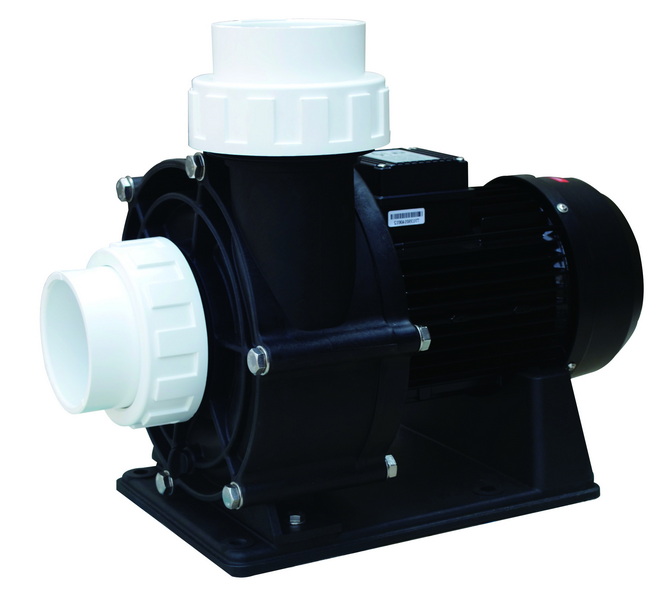
No, eight hours of daily pump operation is typically sufficient for residential pools. Continuous running causes unnecessary wear and higher energy costs with minimal water quality improvement.[10][11]
Divide pool volume by pump flow rate to determine daily turnover time. Most pools need one complete turnover per day for safe, clear water. Use smart features to automate schedules when possible.[14][11]
Both are effective. Daytime filtration is ideal when the pool is used, while nighttime operation leverages off-peak electricity rates, saving money. Programmable split schedules often deliver the best balance.[12]
Before installation, gather proper tools, confirm flow rate compatibility, and seal all connections. After installation, perform water flow and leak tests, monitor for unusual sounds, and prime the pump to avoid dry running.[2][5]
Monitor pressure, backwash regularly, clean and inspect filters, and adjust runtime seasonally. Remove debris from baskets weekly and check for leaks around plumbing and pump housing.[7][12]
Yes, variable-speed pumps suit all pool sizes, especially commercial pools with high usage. They run longer at lower power, saving energy and noise while maintaining crystal-clear water.[3]
Look for reduced water flow, abnormal noise, or visible leaks. Promptly address issues by cleaning filters, tightening connections, and consulting your supplier for technical support.[5]
[1](https://poolicons.com/pool-maintenance/complete-beginners-guide-to-pool-pump-operation/)
[2](https://leisurepools.com.au/wp-content/uploads/2020/10/Equipment-Accessory_INSNRG_Variable_Speed_Pump_OwnersManual.pdf)
[3](https://www.swimuniversity.com/variable-speed-pool-pumps/)
[4](https://www.astralpool.com.au/pool-and-spa-guides/installing-equipment)
[5](https://www.maygopool.com/n1904439/Complete-guide-to-swimming-pool-pump-installation-learn-it-in-one-go.htm)
[6](https://www.insnrg.com/wp-content/uploads/2024/08/IO-MANUAL-Si-Single-Speed-Pump.pdf)
[7](https://www.streampumps.com/pump-introductions/how-does-a-sand-filter-pump-work.html)
[8](https://complianceandconsulting.com.au/pool-pump-safety-compliance-a-comprehensive-guide/)
[9](https://www.capitolpool.com/service/operating-instructions)
[10](https://home.howstuffworks.com/swimming-pool-pumps-run-all-the-time.htm)
[11](https://www.1stdirectpools.com/blog/post/when-run-pool-pump-ultimate-guide)
[12](https://www.astralpool.com.au/pool-and-spa-guides/ultimate-guide-to-maintaining-your-pool-pump)
[13](https://poolservicema.com/product-reviews/pool-pump-reviews-advice/)
[14](https://bpspools.com/complete-pool-pump-guide/)
[15](https://www.youtube.com/watch?v=3BPPvQp0qx0)
[16](https://www.youtube.com/watch?v=5vEuOKssnMk)


