
Views: 222 Author: Tina Publish Time: 2025-07-31 Origin: Site


Content Menu
● Understanding Pool Pump Fittings
● When and Why Use Teflon Tape on Pool Pump Fittings?
>> Benefits
● Types of Pool Pump Fittings and Their Sealing Needs
● Detailed Step-by-Step Guide: Applying Teflon Tape Correctly
>> Step 6: Assemble the Fitting
● Common Mistakes and How to Avoid Them
>> Reusing Tape
● Alternatives to Teflon Tape and When to Use Them
>> Pipe Dope (Thread Sealant Paste)
● Special Considerations for Pool Chemical Resistance
● Maintaining and Replacing Seals
● Frequently Asked Questions (FAQs)
>> 1. Do you use Teflon tape or pipe dope on pool fittings?
>> 2. Can too much Teflon tape damage my pool pump?
>> 3. Should I use Teflon tape on connections with O-rings?
>> 4. How often should I replace Teflon tape on fittings?
>> 5. What type of Teflon tape is best for pool plumbing?
When installing or maintaining a swimming pool, one of the most important considerations is ensuring watertight and durable connections, especially on pool pump fittings. A frequently debated question among both professional installers and DIY pool owners is whether to use Teflon tape—also known as plumber's tape or PTFE tape—on these fittings. This detailed guide explores the role of Teflon tape, how to use it correctly, common mistakes to avoid, alternatives, and answers to frequently asked questions. The goal is to provide clear, practical advice to ensure your pool plumbing remains leak-free and reliable.
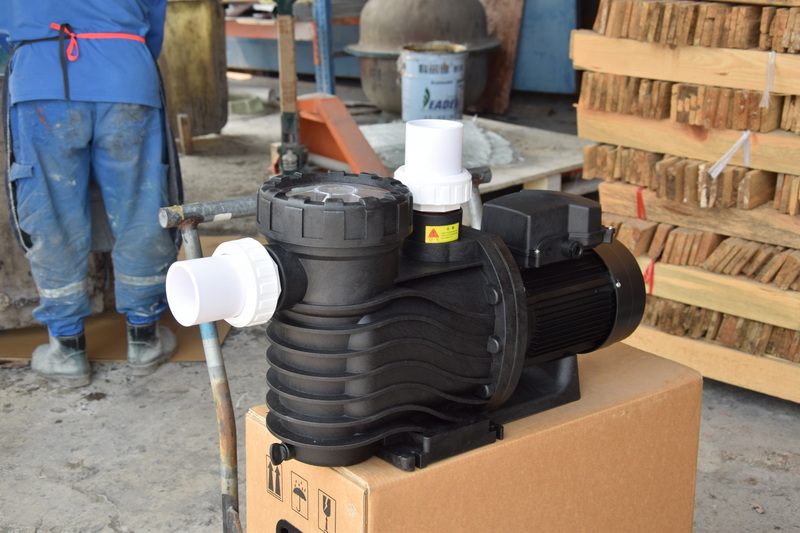
No one wants to deal with leaks in their pool plumbing. Leaks can result in water loss, damage to your pool equipment, or even unsafe electrical hazards if water contacts your pump. Securing fittings tightly without causing damage is essential. Teflon tape is often considered a simple and effective solution for sealing threaded connections, but improper use can cause problems such as cracks or ineffective seals.
Understanding how and when to use Teflon tape is therefore key to maintaining a long-lasting and leak-free pool filtration system.
Pool pumps and filtration systems commonly involve numerous connections. Among these, two main types of fittings stand out:
These fittings screw together using male and female threads, often PVC or metal. Proper sealing of threaded fittings is critical to preventing leaks because the seal is created by the engagement of the threads themselves.
These rely on a union nut compressing an O-ring or gasket between two mating surfaces to create a watertight seal. Since sealing happens through compression, these fittings generally do not require thread sealants like Teflon tape.
By correctly identifying your fittings' type, you can decide if Teflon tape is appropriate.
Teflon tape is a thin, white, non-adhesive film made of polytetrafluoroethylene (PTFE). It is wrapped around threaded connections to provide several benefits:
- Lubrication: It helps make tightening easier and cleaner by lubricating threads.
- Gap Filling: It fills gaps between threads, preventing water from escaping.
- Protection: It reduces the chance that threads will bind or gall during tightening.
There are different grades of Teflon tape—white for water, yellow for gas (which is thicker), and other colors for specialized uses. For pool applications, white water-grade Teflon tape is recommended.
For threaded male PVC or metal fittings, especially on pump housings, valves, and filter adapters, using Teflon tape typically improves sealing and reduces leaks.
- On union joints and O-ring seals, as the design uses compression rather than threading to seal.
- When the manufacturer's instructions explicitly advise against it, since some fittings are engineered to seal without tape.
- Using excessive amounts or incorrect tape types that can damage fittings.
- Ensures tighter, leak-free fittings.
- Prevents water loss and potential damage.
- Makes future disassembly easier by preventing thread galling.
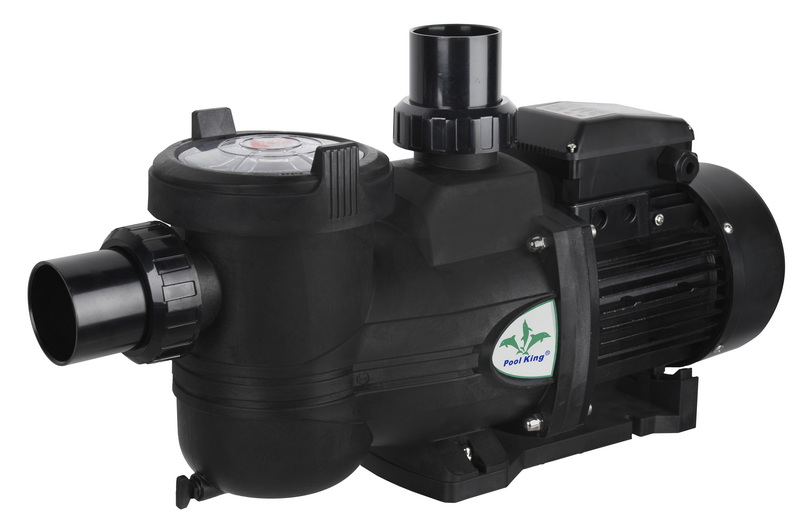
Understanding distinct fittings in your pool's plumbing helps determine when Teflon tape is necessary:
- Threaded Male Adapters: Almost always benefit from Teflon tape for sealing.
- Filter Housing Threads: Use tape on threaded connections, but be careful not to overtighten.
- Valve Connections: Multiport valves usually have threaded or union fittings; only use tape on threaded parts.
- Union Fittings with O-Rings: Do not use Teflon tape; just ensure the O-ring is present and in good condition.
Follow these steps to ensure a proper seal with Teflon tape on your pool pump fittings:
Clean threads thoroughly. Remove dirt, old tape, or debris to create a clean sealing surface.
Hold the tape at the thread start, ensuring it lies flat without folds or wrinkles.
Rotate the tape around the threads in the same direction as you will turn the fitting to tighten (usually clockwise). This prevents the tape from unraveling during assembly.
Depending on thread depth, wrap the tape around the threads 2–6 times. Too little tape risks leaks; too much risks interference with proper fitting seating.
Press the tape smoothly into threads and tear the tape. Avoid loose ends that could get inside the plumbing.
Insert the fitting and tighten by hand at first. Use a wrench for an additional 1–2 turns, but avoid over-tightening to prevent cracking.
Using force beyond what is needed can crack plastic parts—an expensive and avoidable mistake.
Applying tape to union fittings with O-rings wastes tape and can cause damage.
Too many layers lead to improper fitting seating and leaks.
Gas-rated yellow tape or inferior quality tape may damage fittings or fail to seal.
Always replace Teflon tape after disassembly; reused tape becomes brittle and ineffective.
This compound seals threads similarly to tape but may offer better sealing on older or reused connections.
Some sealants combine paste and adhesive, but must be pool-chemical safe.
Applying a thin bead of silicone sealant with Teflon tape provides an extra seal but must be compatible with your system and chemicals.
Pool water contains chlorine and other chemicals that can degrade some materials. PVC and Teflon tape are chemically resistant, but if you use alternate sealants, ensure they can withstand chlorine and pool pH levels over time.
Every time you service your pool pump and fittings, remove old tape and inspect seals for wear or damage. Reapplying fresh tape during reassembly is essential for leak prevention.
Teflon tape is a trusted, effective solution for sealing most threaded pool pump fittings, providing a water-tight seal and facilitating maintenance. Correct application—using the right tape, proper wrapping technique, and avoiding overtightening—is essential to prevent leaks and damage. Remember to avoid tape on union and O-ring fittings, follow the manufacturer's guidelines, and replace tape after each disassembly to maintain system integrity. When used properly, Teflon tape can extend the life of your pool equipment and save you from costly leaks and repairs.
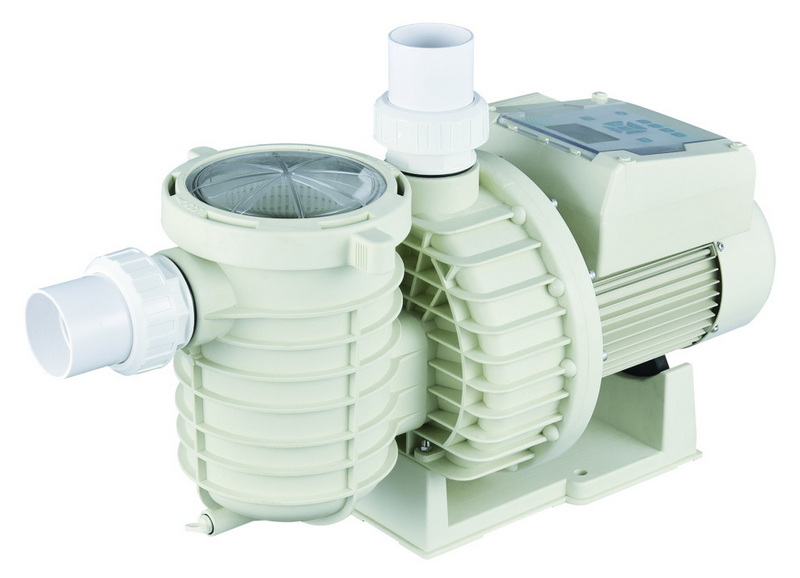
Both are used to seal threaded fittings. Teflon tape is easy and common, but pipe dope may provide a stronger seal on older or reused threads. Some installers combine both.
Yes. Excess tape can prevent proper seating and cause overtightening, leading to cracks in plastic pump fittings.
No. O-ring and union fittings rely on compression seals, so Teflon tape is unnecessary and can even interfere with proper sealing.
Always replace the Teflon tape every time you unscrew and reconnect a fitting since old tape loses sealing effectiveness.
Use standard white plumber's Teflon tape rated for water use. Avoid yellow (gas-grade) tape, which is too thick for PVC fittings.


