
Views: 222 Author: Tina Publish Time: 2026-01-13 Origin: Site


Content Menu
● Step‑by‑step: wiring a 120 V pool pump
● Step‑by‑step: wiring a 240 V pool pump
● Grounding, bonding and protection
● FAQs about wiring a swimming pool pump
>> 1. Can a pool pump be wired without a GFCI breaker?
>> 2. How do I know if my pump is 120 V or 240 V?
>> 3. Why is there no neutral wire on my 240 V pool pump?
>> 4. How close can the electrical outlet be to the pool pump?
>> 5. Do I need to bond plastic pools or equipment?
>> 6. Can I DIY the entire wiring if I am not an electrician?
How to wire a swimming pool pump safely depends on voltage, local code, and pump type, but the core steps are always: cut the power, route the circuit in conduit, connect hot/neutral/ground correctly, and bond all metal parts around the pool. Done properly, correct wiring will protect users from electric shock and help your pump run efficiently for years.[1][2][3]
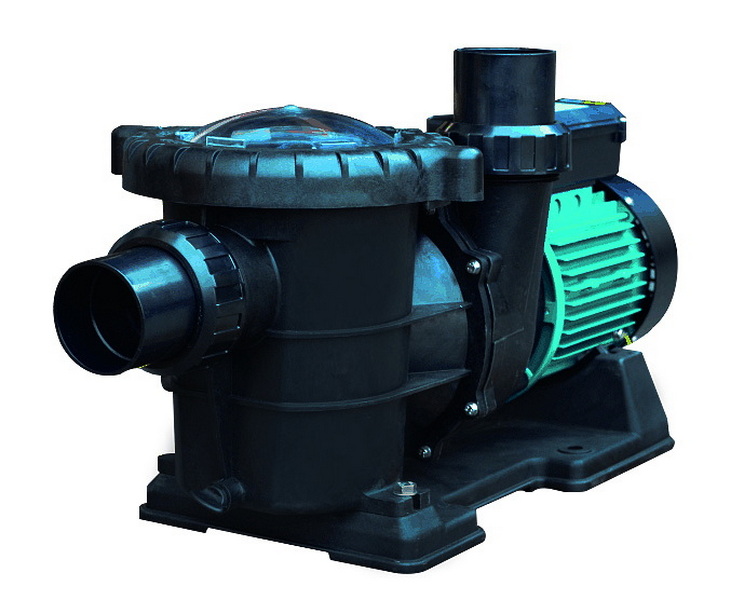
Before touching any wires, prepare the site, tools, and parts that match your pump's voltage and local regulations.[3][1]
- Check pump nameplate and manual for required voltage (120 V or 240 V), phase, amperage, and wiring diagram.[2][3]
- Confirm local electrical code (NEC in the US or regional standards) for trench depth, GFCI requirements, and outlet distance from the pool.[5][1]
- Gather tools and materials: shovel (for trench), PVC conduit and fittings, 12‑gauge insulated copper wires (typically black, white, green for 120 V), weatherproof boxes, GFCI breaker, wire nuts, and bonding wire (often 8‑gauge copper).[1][4]
For foreign OEM clients, clearly match wire colors and symbols in your manual to local conventions (e.g., black/hot, white/neutral, green/ground in North America).[6][1]
Good wiring practice is as much about safety as it is about making the pump run.[3][5]
- Power isolation: Turn off the main breaker feeding the pool circuit and verify with a meter that no voltage is present before working.[4][1]
- GFCI protection: Use a GFCI circuit breaker or GFCI receptacle on the pump circuit as required by code to reduce shock risk around water.[1][3]
- Weather protection: Run outdoor wiring through PVC or similar conduit, and use weatherproof junction boxes and covers for switches and receptacles within pool areas.[3][1]
Bonding is equally critical: all conductive parts around the pool must be interconnected so no dangerous voltage difference can appear between them.[4][1]
Many small above‑ground pool pumps in North America run on a 120 V circuit using one hot, one neutral, and one ground conductor.[2][1]
1. Plan the route
- Decide the path from the main panel to the outdoor shut‑off box and on to the pump location.[1]
- Maintain required horizontal distances from the pool edge according to code when routing the conduit and placing boxes.[5]
2. Prepare the trench and conduit
- Dig a trench from the house to the pump location to the minimum depth specified (often about 24 cm or more for underground electrical conduit, with local variation).[4][1]
- Lay PVC conduit from the exterior box down into the trench, then out of the trench and up to a post or wall near the pump.[1][4]
3. Run the conductors
- Pull three insulated copper conductors through the conduit: typically black (hot), white (neutral), and green (equipment ground), sized to the pump's current rating (often 12‑gauge for many residential pumps).[3][1]
- Avoid sharp bends and ensure insulation is intact along the full length of each conductor.[3]
4. Install the outdoor switch and outlet
- Mount a weatherproof box no more than a few feet from the pump so that the pump cord reaches without an extension lead.[1]
- Install a shut‑off switch and, if needed, a twist‑lock receptacle for the pump cord, wiring them like a standard 120 V circuit with hot, neutral, and ground.[4][1]
5. Connect at the pump
- Open the pump wiring compartment and locate terminals labeled L (line/hot), N (neutral), and the ground symbol.[2][3]
- Connect black to the L/hot terminal, white to the N/neutral terminal, and green to the ground lug, tightening all screws firmly.[2][3]
6. Connect at the main panel
- At the service panel, land the black conductor on the GFCI breaker, the white on the neutral bar, and the green on the equipment ground bar, following the GFCI manufacturer's diagram.[4][1]
- Verify that conductor size, breaker rating, and pump nameplate amperage match as required.[3][1]
This 120 V method suits many compact above‑ground pool systems, but larger in‑ground pumps are often 240 V and wired differently.[7][2]
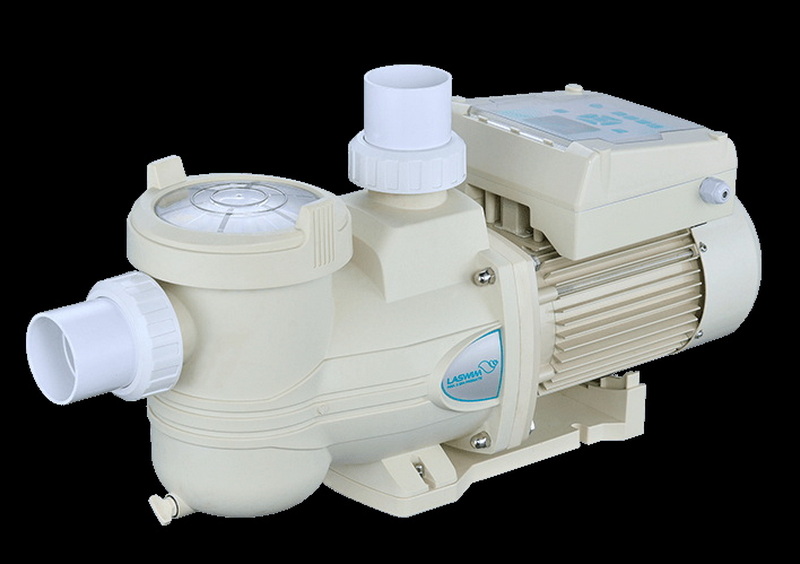
Most full‑size in‑ground pool pumps run on a 230–240 V circuit with two hot conductors and a ground, but no neutral.[7][2]
1. Confirm voltage setting
- Check the pump data plate and internal selector to ensure it is configured for 230–240 V operation, not 115–120 V.[2]
- Never apply 240 V to a motor set for 115 V; this can damage the motor almost instantly.[2]
2. Run the 240 V circuit
- From the panel to the outdoor box, route conduit as required, then pull two hot conductors (often black and red) plus a green equipment ground of correct gauge.[1][2]
- Inside the outdoor control box, you may also install a timer dedicated to 240 V pool pumps.[8][1]
3. Wire the pump terminals
- In the pump junction box, locate two line terminals (often labeled L1 and L2) and a ground screw or lug.[7][2]
- Connect the two hot conductors (for example, black and red) to L1 and L2, and the green wire to the ground lug; there is usually no neutral conductor in a pure 240 V pump circuit.[7][2]
4. Connect to the panel with a 2‑pole GFCI breaker
- Install a 2‑pole GFCI breaker rated for the pump's amperage (for example, 20 A), landing the two hot conductors on the breaker and the grounding conductor on the ground bar.[4][1]
- Follow the breaker's instructions for connecting its pigtail or neutral connection to the panel's neutral bar as required.[1]
Because conductor colors are not always consistent, measuring voltage with a multimeter is the only reliable way to identify which wires are hot in an existing circuit before re‑wiring.[7][2]
Grounding and bonding are separate but equally important for pool safety.[5][4]
- Grounding: The green or green/yellow wire connects motor frames and metal boxes back to the service ground so faults trip the breaker instead of energizing equipment surfaces.[6][1]
- Bonding: A solid copper bonding conductor (often 8‑gauge) loops around the pool, tying together the pump, metal pool walls or frames, ladders, and skimmer plates to equalize potential.[4][1]
Some standards define different “zones” around pools; equipment placement, voltage limits, and wiring types become stricter the closer you are to the water surface.[5]
Most wiring failures come from a few repeatable errors that are easy to prevent with careful planning.[2][3]
- Mis‑matching voltage: Setting the pump for 115 V then feeding it 230 V, or vice versa, causes overheating or non‑starting motors.[7][2]
- Undersized wire: Using too small a gauge for the circuit length and current creates excessive heat and voltage drop, damaging the motor over time.[3]
- Skipping GFCI and bonding: Lack of ground‑fault protection or proper bonding around the pool significantly increases shock risk for swimmers and service personnel.[4][1]
Following the manufacturer's wiring diagram and local electrical codes is the simplest way to avoid these problems.[5][2]
Correctly wiring a swimming pool pump involves more than just connecting a few wires; it demands the right voltage configuration, suitable cable size, and strict adherence to GFCI, grounding, and bonding rules around water. With proper planning, conduit routing, secure terminal connections, and thorough testing before startup, a pool pump installation can be both efficient and safe for long‑term operation.[1][4][3]
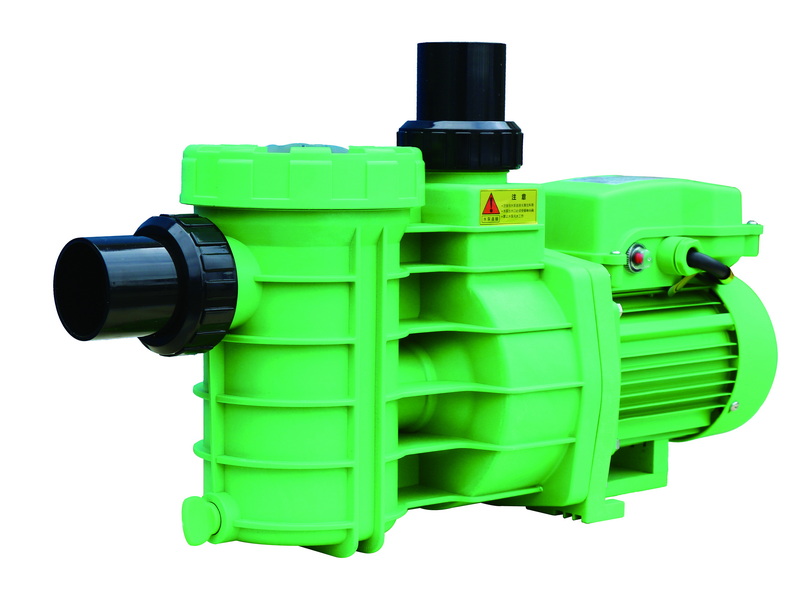
Most modern electrical codes require a GFCI‑protected circuit for pool pumps because of the elevated shock risk near water, so wiring without GFCI protection is typically not allowed and is unsafe.[3][1]
Check the pump motor's nameplate and wiring diagram; they specify the operating voltage and show jumper positions or selector settings for 120 V or 240 V operation.[2][7]
A straight 240 V pump uses two hot legs each 120 V out of phase, so the motor does not require a neutral; only two hots and an equipment grounding conductor are used.[7][2]
Regulations commonly require the receptacle serving the pump to be within cord length (often around 3 feet from the pump) but still at a safe distance and height according to code; extension cords are not acceptable for permanent pumps.[5][1]
Bond all metal parts: steel walls, aluminum frames, pump housings, and any conductive fittings; pure plastic components do not need bonding, but metal inserts or attached metal accessories do.[4][1]
Many homeowners perform basic tasks like trenching and mounting boxes, but codes and safety considerations usually recommend that a licensed electrician handle or at least verify the final wiring and panel connections.[4][3]
[1](https://www.thisoldhouse.com/pools/how-to-wire-an-above-ground-pool-pump)
[2](https://www.inyopools.com/HowToPage/how_to_wire_a_pool_pump.aspx?CommentPage=1)
[3](https://parkinelectric.com/essential-steps-for-safe-pool-pump-wiring-installation/)
[4](https://www.youtube.com/watch?v=fGSEbKhL4_E)
[5](https://professional-electrician.com/technical/bs-7671-2018-section-702-swimming-pools-electrical-installation-requirements-napit/)
[6](https://www.hydrospares.co.uk/help-advice-centre/help-articles/pumps/pump-power-lead-wiring-instructions.htm)
[7](https://www.youtube.com/watch?v=6aeIa2oR-m4)
[8](https://www.youtube.com/watch?v=ImhZ0RA0iZY)
[9](https://www.youtube.com/watch%3Fv=Sh3MQ0nJJeY)
[10](https://patopu.com/news/pool-pump-electrical-wiring-a-safety-first-guide/)
[11](https://www.inyopools.com/HowToPage/how_to_wire_a_pool_pump.aspx%3FCommentPage=1)
[12](https://www.youtube.com/watch%3Fv=vtYcjDx6zEA)
[13](https://www.poolsfactory.eu/en/how-to-properly-connect-a-pool-pump-practical-guide/)
[14](https://www.youtube.com/watch%3Fv=ImhZ0RA0iZY)
[15](http://www.google.com/url?esrc=s&q=&rct=j&sa=U&url=http%3A%2F%2Fwww.deependpools.co.uk%2Fpump-installation-guide%2F&ved=2ahUKEwi6itHl7IeSAxWecaQEHf7MEwAQFnoECBIQAg&usg=AOvVaw1ZLBceQXw63uGU23F3v3at)


