
Views: 222 Author: Tina Publish Time: 2026-01-31 Origin: Site


Content Menu
● Why You Should Clean Your Aluminum Pool Ladder
● Tools and Supplies You'll Need
● Step‑by‑Step: How to Clean Your Aluminum Pool Ladder
>> Step 1: Remove the Pool Ladder from the Pool
>> Step 2: Rinse Off Loose Dirt and Chemicals
>> Step 3: Wash with Mild Soap and Warm Water
>> Step 4: Treat Stains and Oxidation on the Aluminum Pool Ladder
>> Step 5: Clean the Pool Ladder Steps and Handrails Thoroughly
>> Step 6: Rinse and Dry the Aluminum Pool Ladder
>> Step 7: Apply Protective Wax or Coating
>> Step 8: Reinstall the Pool Ladder Safely
● Ongoing Maintenance Tips for Your Aluminum Pool Ladder
● Conclusion: Make Cleaning Part of Your Routine
● FAQ About Cleaning an Aluminum Pool Ladder
>> 1. How often should I clean my aluminum pool ladder?
>> 2. Can I use bleach or strong chemicals on my pool ladder?
>> 3. What should I do if my aluminum pool ladder is heavily oxidized?
>> 4. How can I prevent corrosion on my pool ladder in a saltwater pool?
>> 5. When should I replace an old aluminum pool ladder instead of cleaning it?
Keeping your aluminum pool ladder clean is essential for safety, appearance, and long‑term durability. A dirty or oxidized pool ladder can become slippery, leave ugly stains at the waterline, and even corrode over time if you ignore regular maintenance. A simple, consistent routine can prevent most problems, so your aluminum pool ladder stays rugged, safe, and visually appealing season after season.
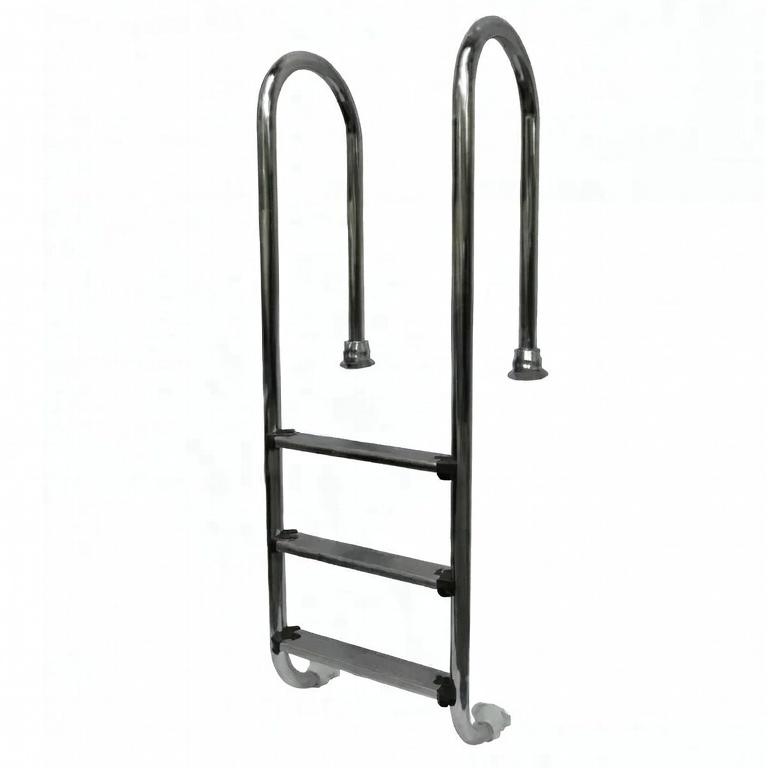
A clean aluminum pool ladder improves both pool safety and the look of your backyard. Over time, metal ladders accumulate algae, body oils, sunscreen residue, mineral deposits, and oxidation on their surfaces. These layers make the pool ladder slippery to step on, harder to grip, and more prone to staining the pool walls around the anchor points.
Regular cleaning also dramatically reduces corrosion and surface pitting, especially for ladders used in saltwater pools or in coastal, high‑humidity areas. Corrosion begins where the metal is repeatedly exposed to water, salts, and fluctuating chemicals, such as in anchor fittings, under bracket bumpers, and along submerged rungs. By washing those areas often, you keep the pool ladder structurally sound and reduce the risk of later safety issues.
Beyond safety and structure, a bright, well‑maintained aluminum pool ladder improves curb appeal and gives your pool a tidy, inviting appearance. When your family and guests can step onto the pool ladder easily and see a shiny, clean metal, the whole experience of entering and exiting the pool becomes more comfortable and enjoyable.
Before you start cleaning your aluminum pool ladder, gather the right tools so you do not damage the metal or finishing around the ladder. Using harsh abrasives or strong acids can make oxidation and corrosion worse, even though they may appear to work quickly at first.
Start with basic, non‑abrasive items:
- Soft microfiber cloths or non‑abrasive sponges (do not use steel wool, stiff wire brushes, or scouring pads on the aluminum pool ladder).
- Soft nylon brush for corners, joints, and around bolt heads on the pool ladder.
- Mild pH‑neutral soap or gentle dish detergent mixed with warm water.
- White vinegar or a non‑chloride metal cleaner for extra grime or light oxidation on the pool ladder.
- Plastic bucket for mixing cleaning solution.
- Garden hose with fresh water for rinsing the pool ladder thoroughly.
- Non‑abrasive polishing compound or high‑quality automotive or marine wax suitable for aluminum, to protect the pool ladder.
- Rubber gloves and safety glasses, especially if you choose a stronger, store‑bought aluminum cleaner.
If your aluminum pool ladder is showing heavy white “chalky” oxidation or stubborn mineral deposits, you may want to add a specialized aluminum cleaner or brightener designed for boats, pools, or aluminum enclosures. These products are made to lift oxidation and watch layers without scratching soft aluminum when used correctly and in moderation.
Avoid bleach‑based cleaners, muriatic acid, or chloride‑rich compounds on your aluminum pool ladder, as they can damage this metal and reduce its lifespan.
Whenever possible, remove your aluminum pool ladder from the water for a thorough, deep clean. This gives you access to areas that normally stay submerged and lets you work on the floor or grass instead of stretching and moving around the pool edge.
Turn off pool pumps or filtration systems, then loosen anchor wedges, bolts, or mount brackets according to the design of your pool ladder. Lift the ladder carefully and lay it on a soft surface such as a lawn, a tarp, or thick towels. Do not let the aluminum pool ladder drag across rough concrete or rocks, as this can scratch or dent the metal.
While the ladder is out of the water, inspect leg ends, mounting brackets, and bottom rungs for any obvious pitting, cracks, or loose hardware. If the structure shows significant damage or extreme corrosion, cleaning may no longer be enough, and you may need to replace the pool ladder entirely.
Begin your washing procedure with a full rinse. A high‑pressure or OJ‑nozzle hose can knock off loose sand, algae, and much of the accumulated grime from the pool ladder.
Direct the stream of water to every side of each rung and along both sides of the ladder frame. Focus extra attention on areas that sit in the water all the time, because these surfaces collect the most scale, algae, and other residues. If your pool ladder is used in a saltwater pool or in a coastal region, take a little extra time to rinse these parts, since salt deposits can accelerate metal breakdown.
Rinsing before scrubbing reduces the amount of abrasive dirt on the ladder's surface. When you later wipe or brush with a sponge, you are moving particles in water rather than scraping dry, gritty debris over the aluminum, which can cause fine scratches and worsen oxidation.
The safest and most effective routine for cleaning an aluminum pool ladder is a simple soap‑and‑water approach. Use warm water mixed with a small amount of mild, pH‑neutral soap. Avoid concentrated chemicals or “heavy‑duty” degreasers that are not specifically rated for outdoor metal around pools.
Dip a soft cloth or sponge into the solution and wipe every contact area of the pool ladder, including:
- All rungs and treads your feet use.
- Side rails and handgrips.
- Underneath mounting brackets and around anchor inserts.
For tight corners and threaded hardware under each pool ladder leg, use a soft nylon brush. Lightly scrub to agitate the dirty layer without pushing hard enough to gouge the metal. Pay special attention to where the ladder touches the pool wall or deck, since this metal‑to‑surface contact can build up algae, calcium, and other deposits.
Wash one section at a time instead of trying to cover the entire pool ladder in one pass. This helps you notice overlooked spots and keeps your soap solution effective. After washing a section, immediately rinse it with fresh water from the hose so the cleaning mixture does not dry onto the aluminum and create streaks.
Most aluminum pool ladders will, over time, show some light oxidation, especially above the normal waterline. This appears as a chalky white film on the metal that is not rust but rather a natural aluminum‑oxide layer that forms as the metal reacts with moisture and air.
To remove this oxidation gently, mix equal parts white vinegar and fresh water in a spray bottle. Spray the solution onto the affected areas of the pool ladder and let it sit for a few minutes. Then, using a non‑abrasive pad or a soft sponge, rub softly over the white areas until they clear up. After you see an improvement, rinse that section thoroughly with fresh water.
For heavier oxidized patches or hard mineral deposits around anchor points on the aluminum pool ladder, consider a specialized aluminum cleaner or brightening product made for marine or outdoor‑aluminum surfaces. These products break down oxidation and restore shine. Always follow the manufacturer's directions and apply such cleaner only in small, well‑ventilated areas. Before using a new product on your entire ladder, test it on a hidden area, such as the inside of one leg, to ensure it does not discolor or damage the finish.
Even with these stronger cleaners, avoid leaving them on the aluminum too long. Scrubbing hard or overusing chemical cleaners can wear away the protective oxide layer that naturally helps shield aluminum from deeper corrosion. Keep the scrubbing light and keep the rinse thorough.
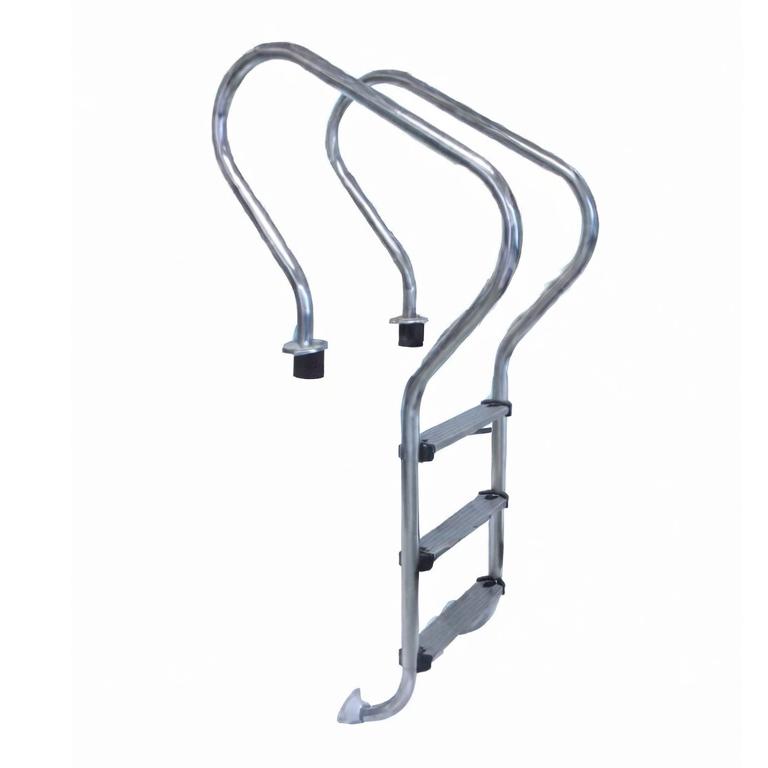
Your pool ladder steps and handrails are the parts that see the most wear and carry the biggest safety risk. These high‑touch areas interact closely with feet, hands, sunscreen, oils, and algae, so they deserve extra attention during your cleaning routine.
Start by focusing on the treads where your feet stand. These surfaces collect body oils, suntan lotion, dirt, and algae over time. Use the mild‑soap solution and a soft cloth or sponge to wipe each tread from front to back, paying special attention to the front edge, where the toe often presses down. If the pool ladder steps feel slimy or slightly slippery before cleaning, you are dealing with a biofilm–a thin layer of algae and organic matter that develops easily in warm water and shade.
Switch to a soft nylon brush for better scrubbing power on the treads without damaging the ladder. Make sure not to use a brush with metal bristles or a rigid pad; instead, choose a brush with dense, non‑scouring fibers. After scrubbing, rinse each step with fresh water so no soap residue remains. Residue can attract dirt and make the steps feel slippery the next time someone uses the aluminum pool ladder.
Next, clean the top handrails and side rails of the ladder. These are the points people grip most often, so sunscreen, sweat, and oils can quickly coat the bars and create a hazy film. Wipe the handrails thoroughly with soapy water and a microfiber cloth, then rinse and wipe dry. This repetitive wiping helps remove fingerprints and also buffs the aluminum slightly, increasing brightness.
Once you have finished scrubbing and spot‑treating oxidation, give the entire aluminum pool ladder a full rinse. Hold the ladder so the water runs easily over every section, allowing the droplets to pull soap, vinegar, and loosened deposits off the metal.
Rinsing is as important as the scrubbing step itself. Leftover chemical residue can attract new dirt, react unpredictably over time with the aluminum surface, or contribute to additional oxidation. Use a steady stream of fresh water until the ladder no longer feels soapy and the water running off it appears clear.
After thorough rinsing, dry the ladder using clean microfiber cloths. Pay extra attention to joints, bolt eyes, and anchor‑mounting areas, where small pockets of water can hide. If you live in a humid or rainy area, letting the ladder air‑dry after wiping can help avoid streaking while ensuring that moisture is reduced inside crevices.
Before moving to the next step, set the aluminum pool ladder where it will not immediately re‑slip into dusty or dirty conditions. A dry, shaded area is ideal for the rest of the maintenance procedure.
Protective coating dramatically slows oxidation and helps keep your aluminum pool ladder looking newer longer. Think of it as sunscreen for your ladder: a thin, even film of wax or protective spray blocks direct contact with water, salts, and UV rays without changing the structure of the ladder.
Choose a high‑quality automotive wax or a marine‑grade protectant labeled safe for aluminum and outdoor metal. Avoid products containing chlorides or heavy solvents that are not designed for pools or aluminum surfaces. Read the application instructions on the label and confirm the product is safe for both clear‑coated and anodized ladder finishes.
Apply a small amount of wax or protectant to a soft cloth and spread it evenly across the entire surface of the aluminum pool ladder. Work in small sections, coating one leg, one side rail, and a few rungs at a time. Let the product cure according to the directions (usually until it shrinks to a dull haze), then buff it off with a clean microfiber cloth. You should see both a brighter shine and a smoother water‑beading effect after you apply and buff the aluminum pool ladder.
In more aggressive environments, such as saltwater pools, high‑humidity regions, or full‑sun exposure, reapply this protective coating every few weeks to every couple of months, depending on how often the ladder is used and how quickly oxidation builds up again. Between these touch‑ups, rinse the ladder regularly and wipe away visible grime so the protective layer remains intact.
Once your aluminum pool ladder is dry and waxed, reinstall it securely to ensure safe entry and exit from your pool. A poorly mounted pool ladder can wobble, pinch clothing or skin, or even crack the pool wall over time.
Before you place the ladder back into its original position, inspect all anchor wedges, rubber bumpers, and joints for wear or damage. Replace any cracked bumpers, loose rubber sleeves, or battered anchor cups so the ladder sits firmly without shifting. Carefully tighten all bolts or threaded brackets according to the ladder manufacturer's instructions, taking care not to over‑tighten and strip the threading in the aluminum.
Test the ladder by gently applying body weight while the ladder is in place. Confirm that it feels stable, does not twist or wobble, and leaves a small gap between the ladder and the pool wall to avoid abrasion. Align the bottom rungs so they sit flat against the pool floor and do not tilt sideways, which can cause unbalanced pressure and make climbing feel uncertain.
The key to a long‑lasting aluminum pool ladder is steady, light maintenance rather than occasional deep cleaning sessions. By building a brief ladder‑care habit into your normal pool‑maintenance routine, you can enjoy a cleaner appearance, reduced corrosion, and a safer exit and entry experience.
During the swimming season, rinse your pool ladder with fresh water at least once a week, and wipe high‑contact areas such as treads and handrails more frequently. A quick weekly brush‑down with a soft nylon brush and mild soap prevents algae films and body‑oil layers from building up.
Keep your pool water chemistry balanced as another indirect form of ladder care. Proper pH, alkalinity, and sanitizer levels reduce stress on all metal components around your pool, including the ladder. In saltwater environments or coastal regions, increase the frequency of rinsing and protective‑wax applications to match the higher salt and humidity load on the aluminum pool ladder.
During the off‑swim season, consider completely removing the pool ladder from the water and storing it in a dry location. In this period, perform one or two deeper cleaning sessions and apply a fresh coat of wax. Pay attention to minor cracks, pitting, or loose hardware, since catching these issues early prevents emergency repairs later.
Cleaning your aluminum pool ladder is not difficult, but it does require consistency and the right tools. Using a simple procedure of rinsing, washing with mild soap, treating oxidation lightly, thoroughly rinsing again, and finishing with protective wax can keep your pool ladder safe, strong, and bright for years.
By integrating ladder maintenance into your regular pool care—and understanding how factors such as water chemistry, salt, and direct sun exposure affect aluminum—you turn a small chore into a powerful investment in safety and aesthetics. When your aluminum pool ladder remains clean and uncorroded, everyone using the pool moves with more confidence and comfort.
Contact us to get more information!
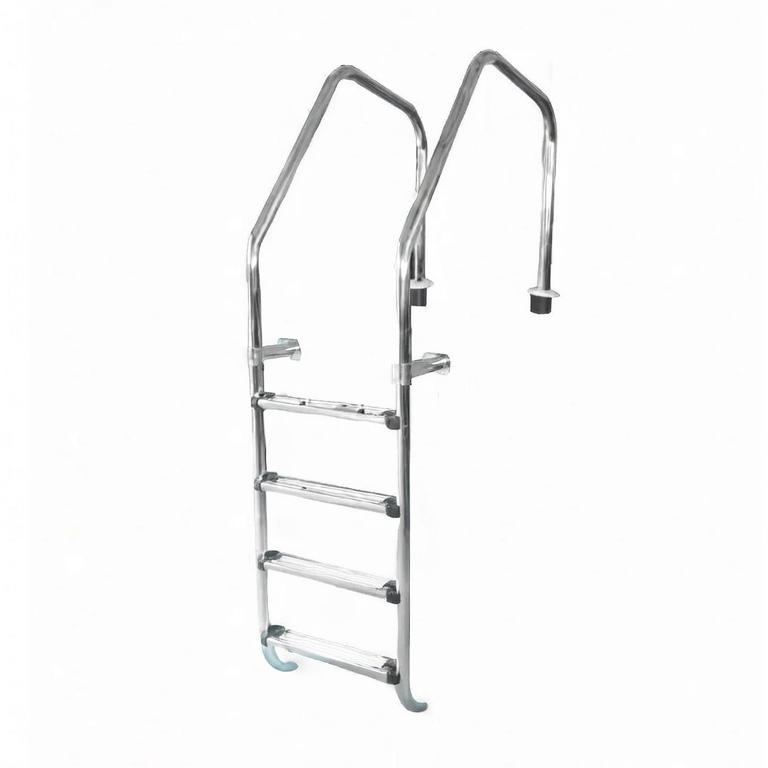
For most pools, you should rinse your aluminum pool ladder at least weekly during the swim season and perform a full soap‑and‑water cleaning every one to two weeks. In saltwater or coastal environments, or if the ladder lives in direct sun, increase the frequency of rinsing and waxing to protect the aluminum pool ladder from accelerated oxidation and corrosion.
Bleach and other strong, chloride‑rich chemicals are not recommended for aluminum pool ladders. These products can damage the surface, speed up corrosion, and shorten the lifespan of the ladder. Stick to pH‑neutral soaps, mild detergents, diluted vinegar, or aluminum‑safe brighteners rather than harsh cleaners.
If your aluminum pool ladder shows significant chalky oxidation or mineral buildup, start with a vinegar‑and‑water solution and a non‑abrasive pad. For tougher cases, use a specialized aluminum cleaner or brightener intended for boats or outdoor metal, following the product instructions carefully. Always test on a small hidden area first and avoid aggressive scrubbing that can wear away protective layers.
To protect an aluminum pool ladder used in a saltwater system, rinse it with fresh water regularly, keep pool water within recommended chemical ranges, and apply a marine‑grade protectant or wax several times per season. Remove the ladder when possible during off‑seasons and store it dry to reduce long‑term exposure to salt and humid air. Checking anchors, bumpers, and brackets frequently for salt buildup and wear also helps extend the life of the pool ladder.
If your aluminum pool ladder displays deep pitting, visible cracks, bent or hollowed rungs, or loose, unrepairable connections that wobble under normal use, cleaning alone will not restore safety. At this point, the ladder should be replaced with a high‑quality, corrosion‑resistant model. Routine cleaning and maintenance on the new ladder will help you avoid similar damage in future years.
1. https://www.srsmith.com/en-us/blog/archive/how-to-clean-your-pool-ladders-rails/
2. https://newcastleswimmingpools.com/swimming-pool-ladder-maintenance-tips/
3. https://blogs.aiper.com/au/how-to-clean-pool-steps-and-ladders/
4. https://www.poolkingfilter.com/how-to-clean-an-aluminum-pool-ladder.html
5. https://www.alnew.com/pages/awnings-pool-lanais-enclosure-cleaner
6. https://www.floridadetail.com/pool-ladder-rust-prevention-tips-for-saltwater-systems/
7. https://www.laffertyfl.com/blog/understanding-and-addressing-oxidation-on-your-aluminum-pool-enclosure
8. https://www.ecofinishcoatings.com/2024/07/30/how-can-i-prevent-rust-in-my-metal-pool/
9. https://www.poolspaforum.com/forum/index.php?%2Ftopic%2F13222-question-for-richard-re-magnesium-anode-to-prevent-minor-corrosion-
10. https://www.facebook.com/groups/637529959937311/posts/2354346381588985/
11. https://www.facebook.com/groups/526224829210009/posts/1312816453884172/
12. https://www.reddit.com/r/swimmingpools/comments/f8rhkb/i_want_to_clean_the_rust_off_the_aluminum_pool/


